

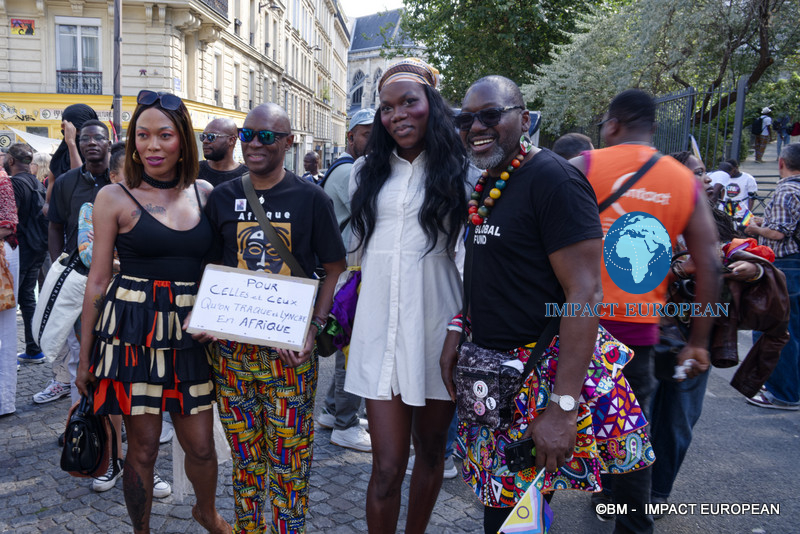
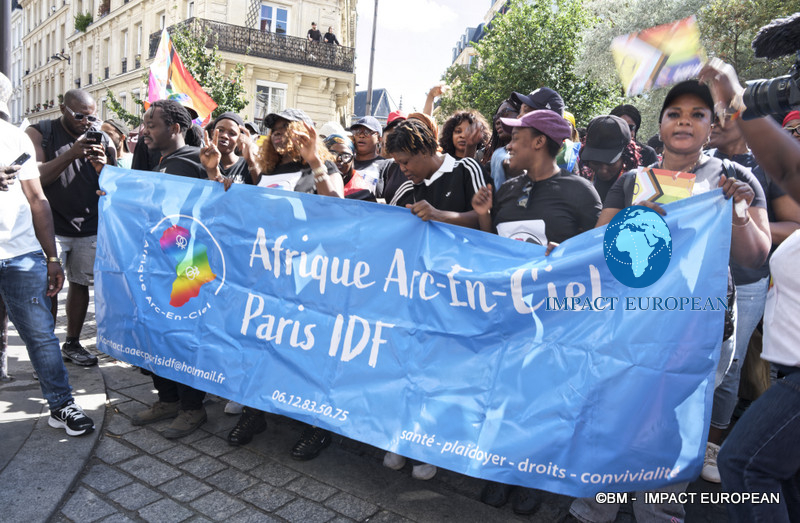
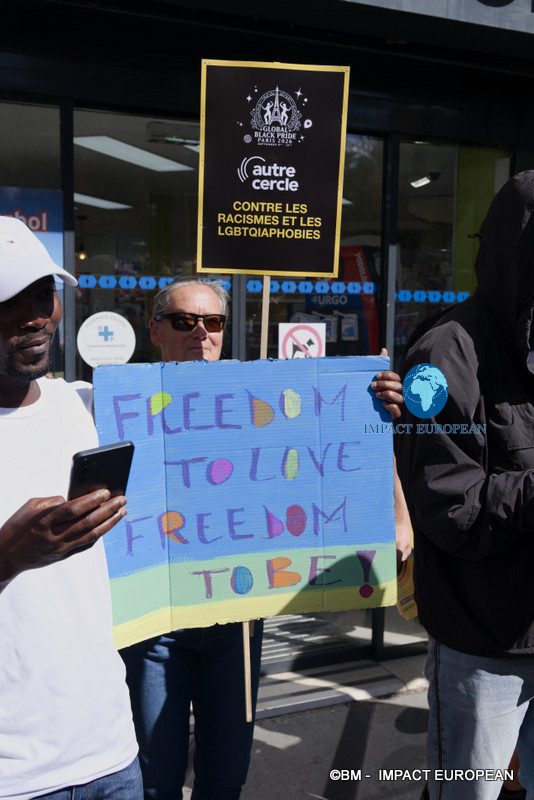
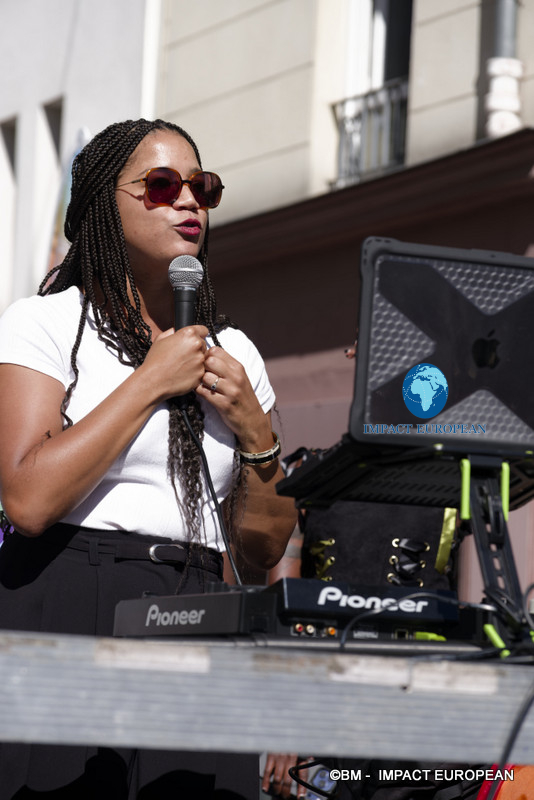
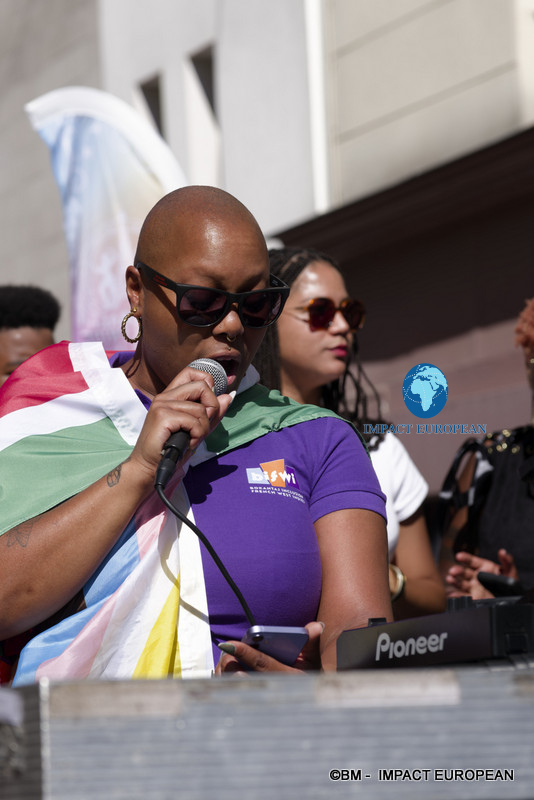
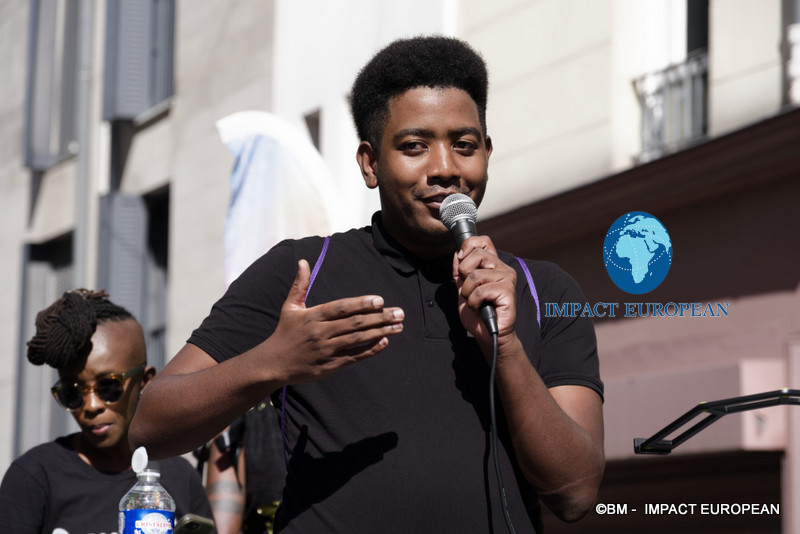
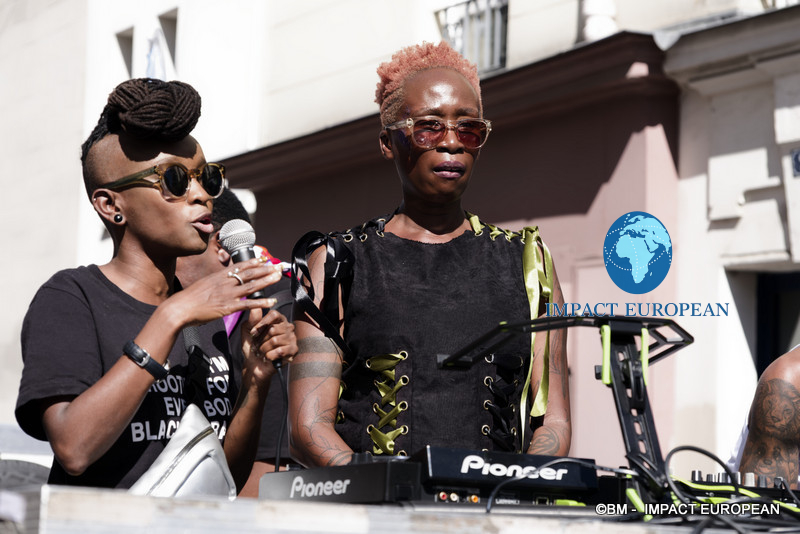
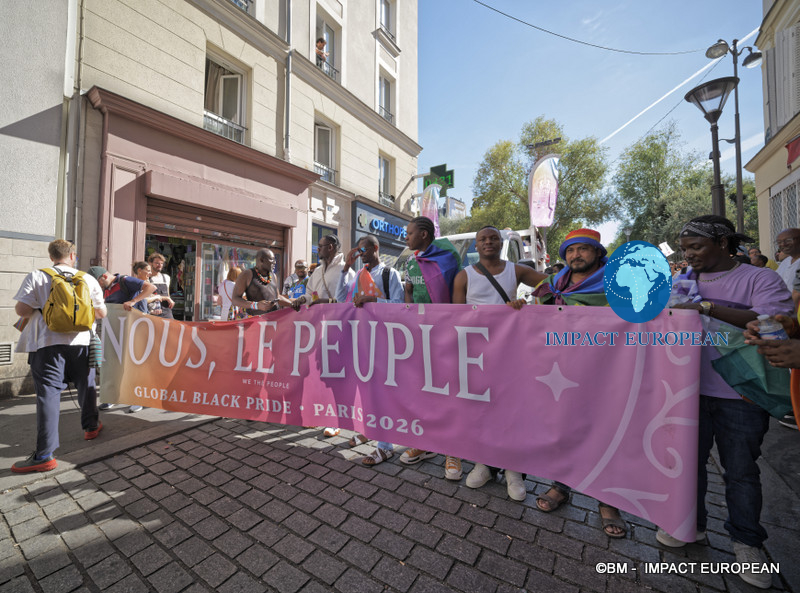
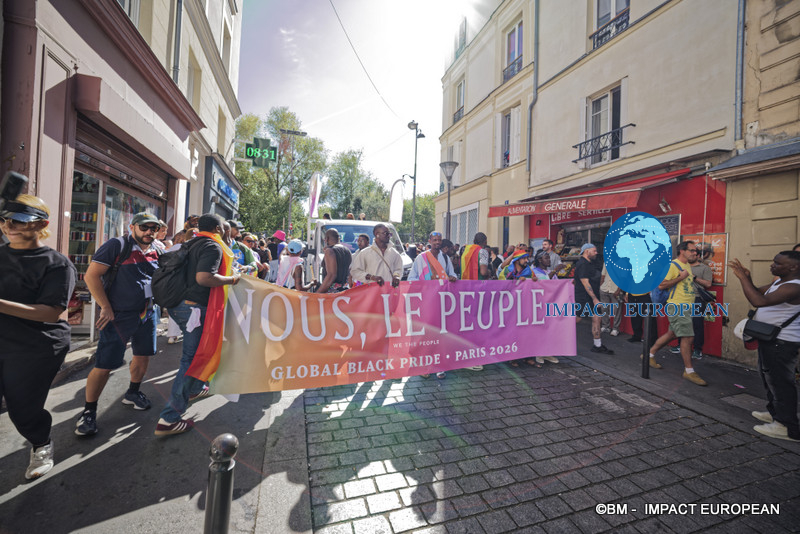
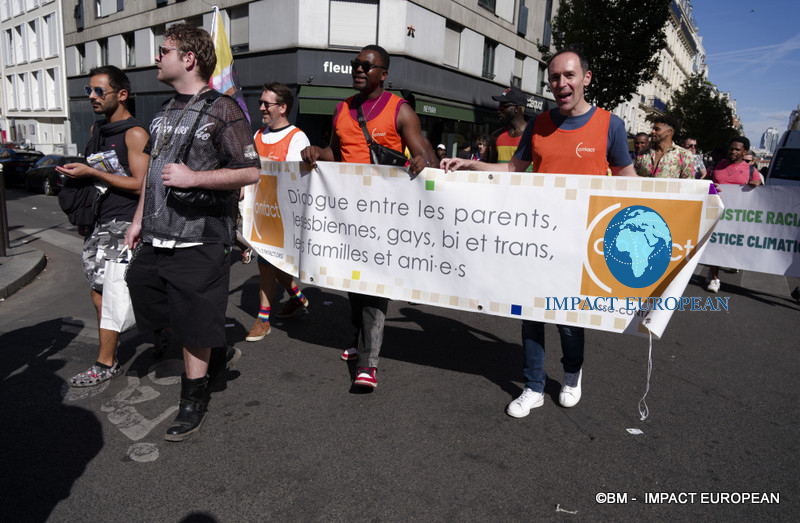
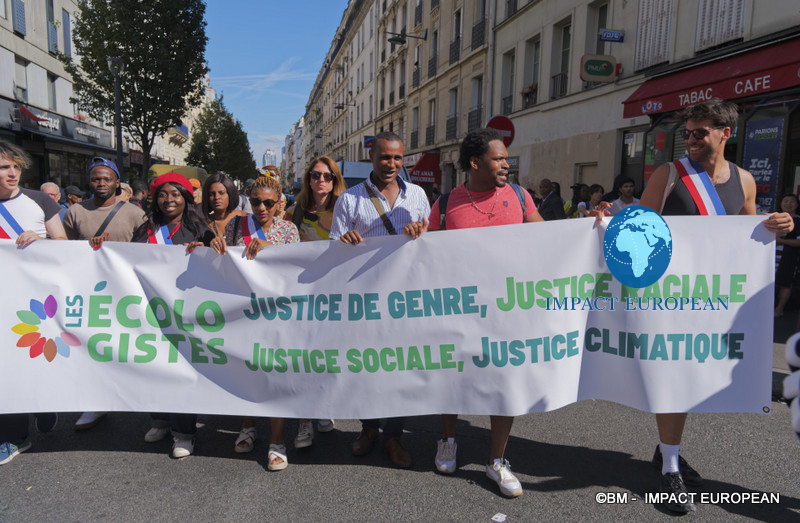
PARIS — On September 12, voices from different backgrounds converged in the streets of Paris. Flags, music and celebration accompanied the Global Black Pride march from the Goutte d’Or neighbourhood to Place de la République.
But the significance of the day extended beyond a Pride procession.
For the first time, Global Black Pride had brought its international gathering to Europe, placing Black LGBTQI+ experiences within one of the continent’s most visible public spaces.
A movement crosses the Atlantic — and more
Global Black Pride Paris took place from September 9 to 13, bringing together activists, artists, community leaders, policymakers and allies for five days of conferences, cultural programming, a gala, a march and celebrations.
Its geography was deliberately global.
Organisers announced participation from Africa, Europe, the Caribbean, Latin America, North America, Asia and the Pacific.
Paris therefore became more than a host city.
It became a meeting point between different histories of race, migration, sexuality, gender, activism and citizenship.
“We The People”
The September 12 march began at Square Léon in Goutte d’Or, continued through Château Rouge and Château d’Eau and ended at Place de la République.
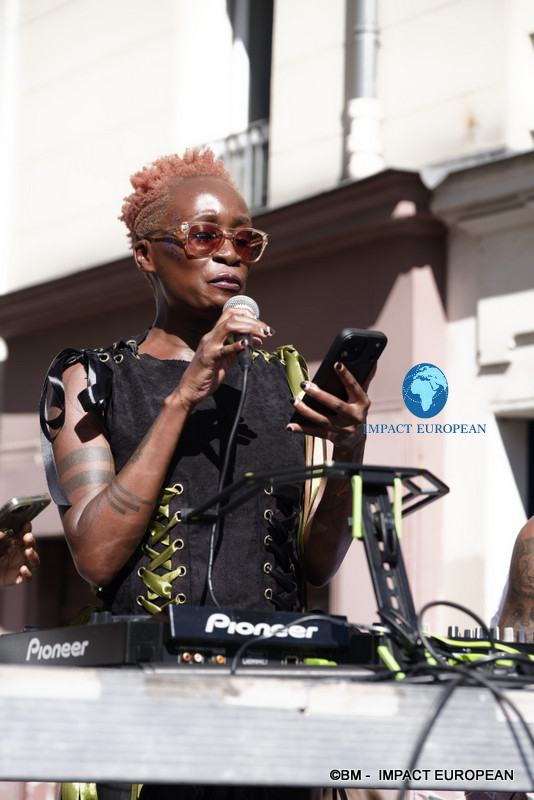
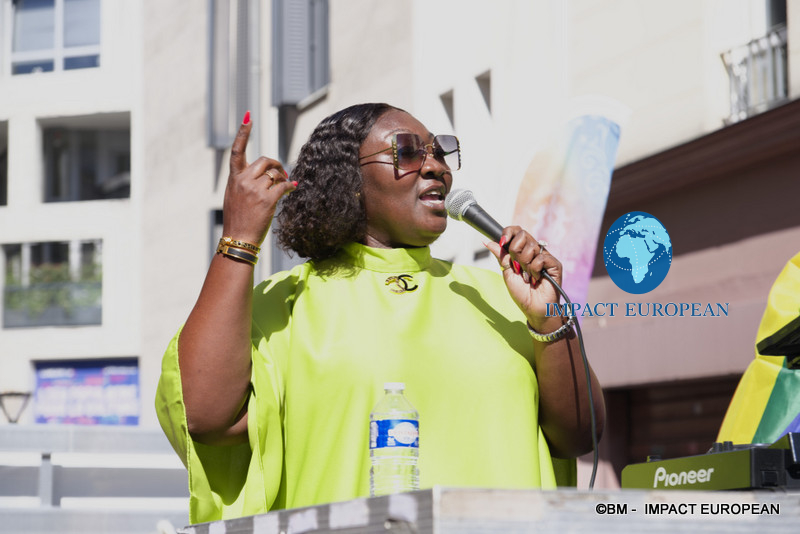
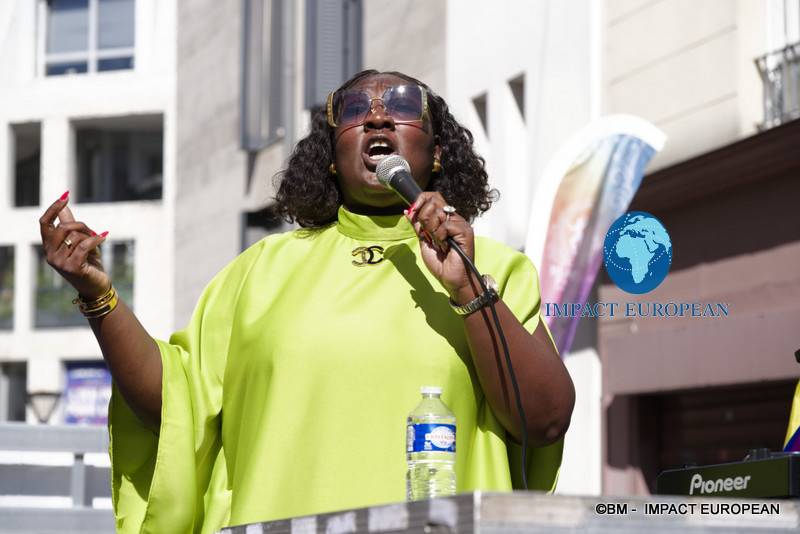
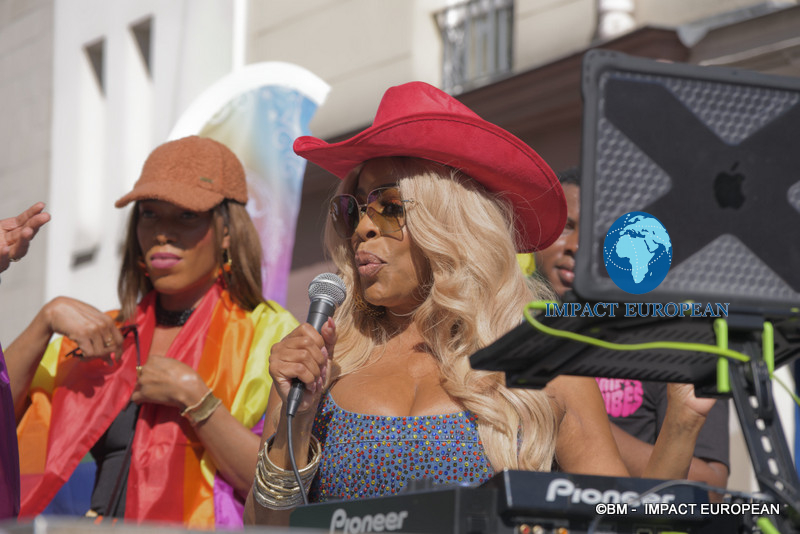
Organisers framed the march around freedom, visibility and collective action, while the rally programme combined speeches, cultural tributes, music and community resources.
The words “We The People” gave the march its clearest political meaning.
They transformed visibility into a question of belonging.
Who is included when a society says “we”?
Who is heard?
Who gets to occupy public space without having part of their identity erased?
Different countries, unequal realities
A global Pride inevitably brings together people living under very different conditions.
Legal protections, social acceptance, healthcare access and personal safety vary dramatically across borders.
That reality was reflected in the wider Paris programme.
The Global Black Queer Assembly focused on business, human rights and health, while discussions addressed political conditions, bodily autonomy, legal recognition, community infrastructure and the risks that can accompany visibility itself.
Global solidarity therefore does not mean pretending that every participant shares the same experience.
It means creating a space in which those differences can be heard.
Culture as more than celebration
Music, fashion, ballroom and performance played a central role throughout the event.
That matters because communities are not defined only by the discrimination they face.
They also create culture.
They build networks.
They produce art, language, style and memory.
The celebration therefore carries its own political significance: visibility is not limited to showing injustice. It also means showing creativity, achievement and joy.
Paris and the global Black diaspora
Hosting the gathering in Paris adds another layer.
The city sits within a network of connections linking Europe with Africa, the Caribbean and other parts of the Black diaspora.
Those histories are complex and cannot be reduced to a single narrative.
But for several days, people carrying different parts of those histories occupied the same city.
On September 12, that global dimension became visible in the streets.
Visibility becomes collective speech
A march cannot solve structural inequality.
A stage cannot erase discrimination.
And five days in Paris cannot represent the enormous diversity of Black LGBTQI+ lives around the world.
But public gatherings can change who is seen and who is heard.
They can connect people who would otherwise remain separated by borders.
And they can turn individual experiences into a collective voice.
That is what Paris represented on September 12, 2026.
Not one identity.
Not one country.
Not one story.
But many voices entering the same public space under a shared declaration:
We The People.
©2026 – IMPACT EUROPEAN / All rights reserved
Views: 0
More Stories
Cannes Yachting Festival 2026: The Sea Becomes a New Frontier for Technology and Lifestyle
Alzheimer’s Care Beyond Medicine: The Daily Infrastructure That Keeps Life Possible
At Marek Halter’s Paris home, Rosh Hashanah brings faiths together around humanity and peace