

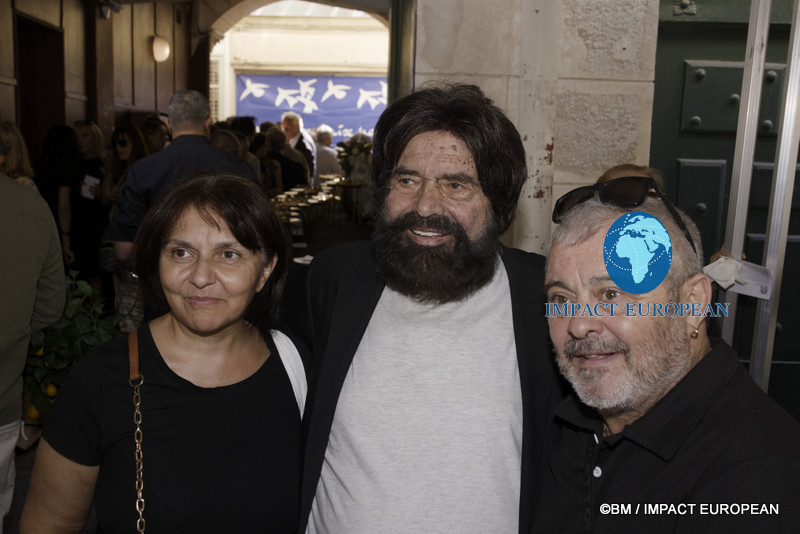
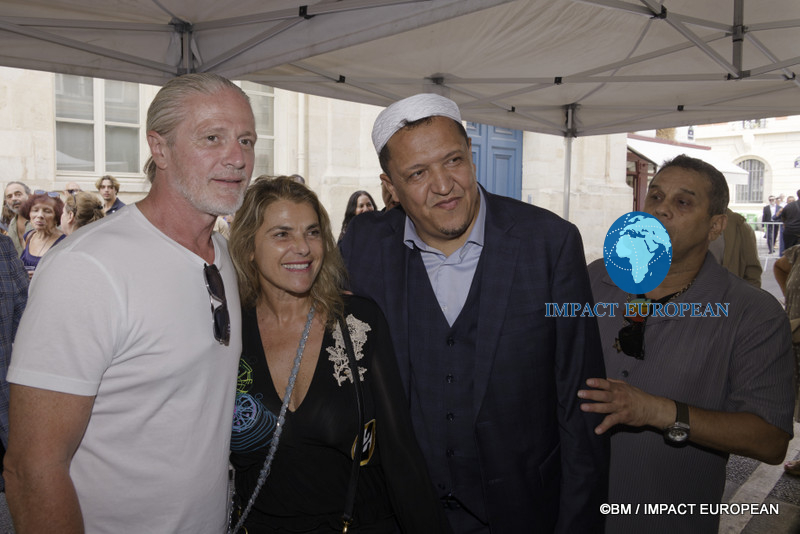
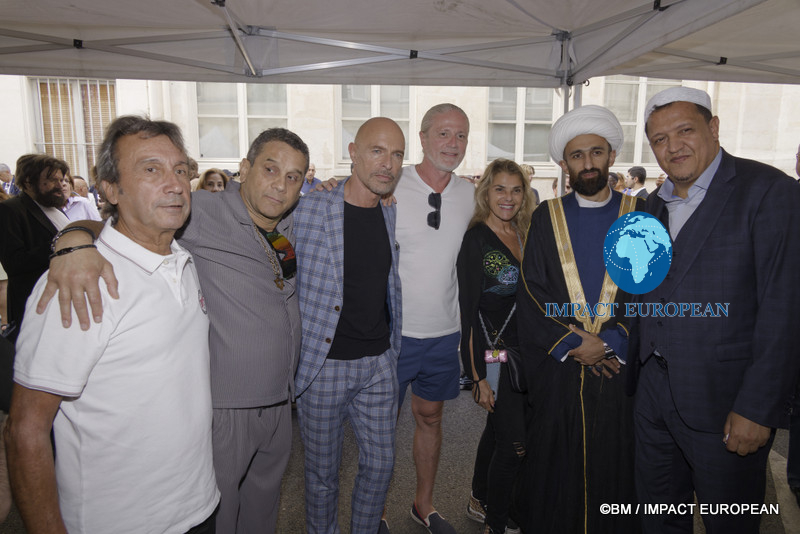
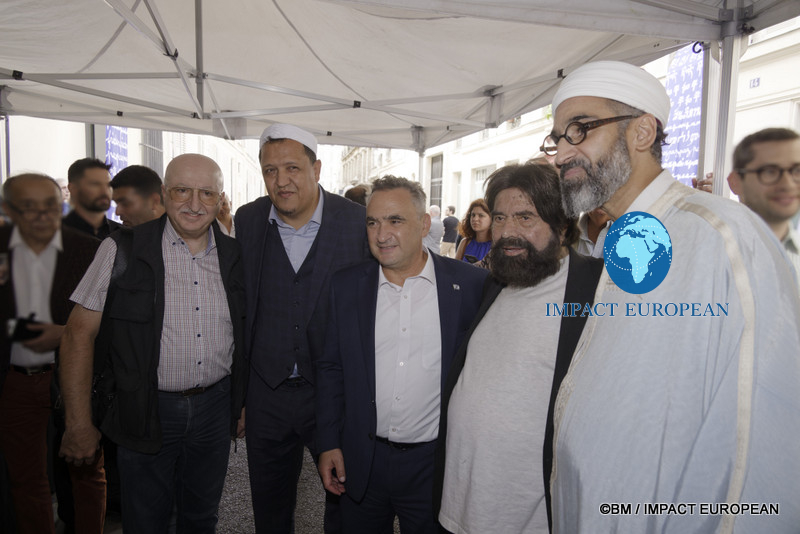
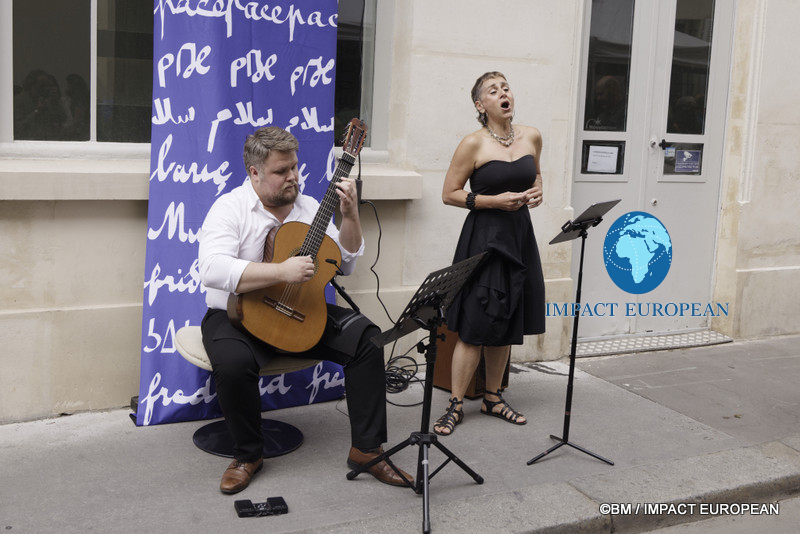
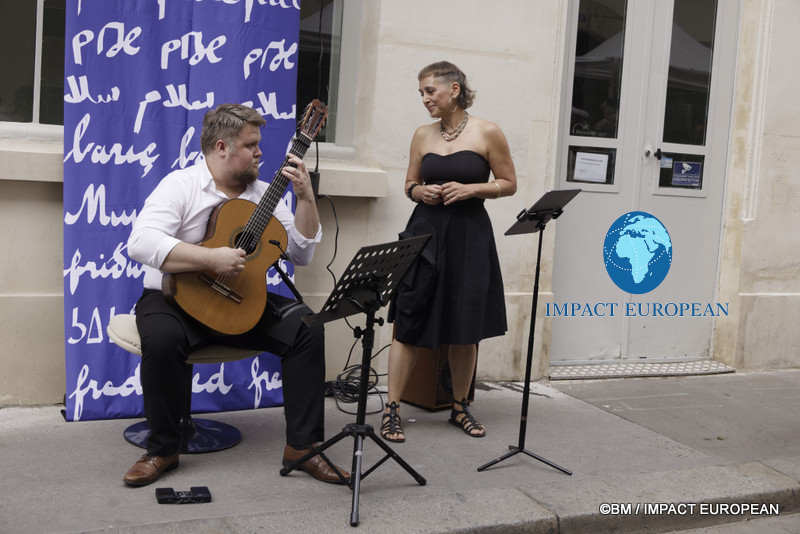
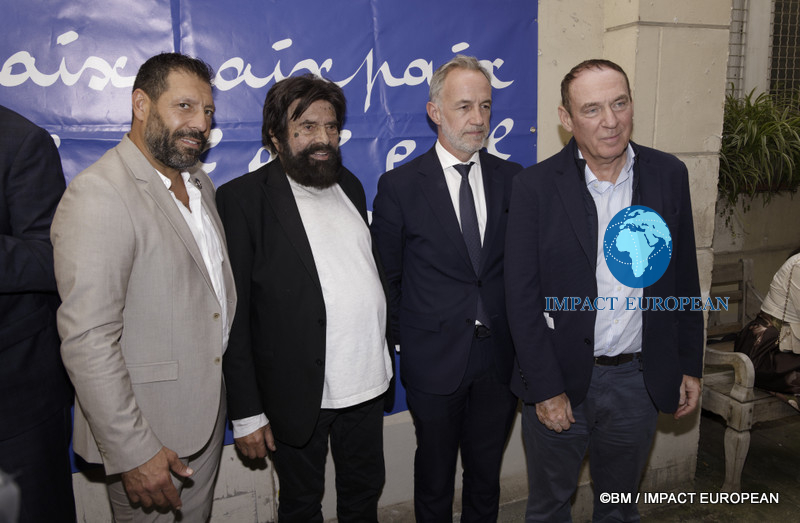
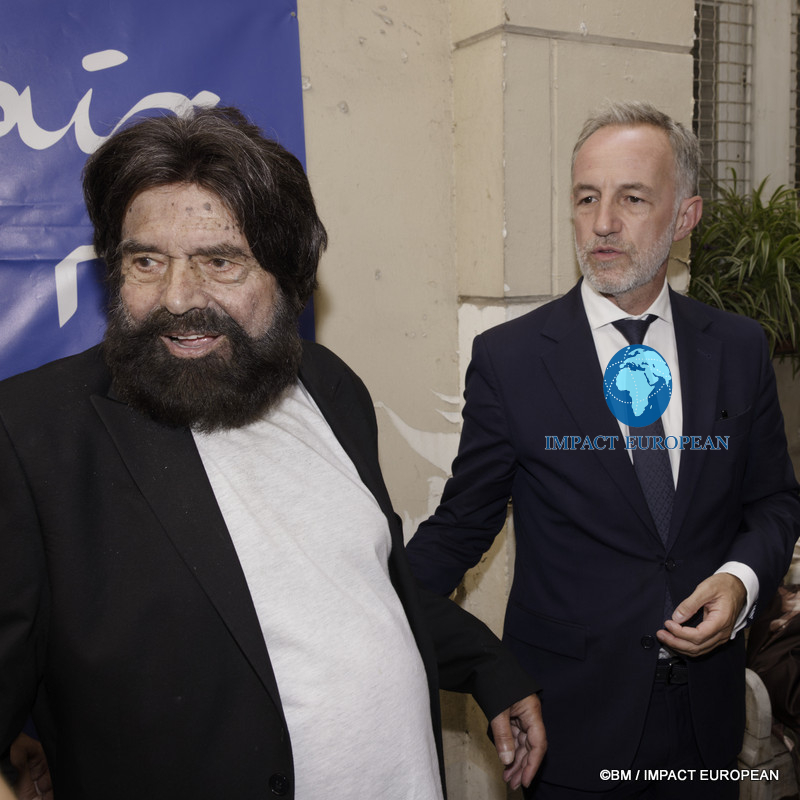
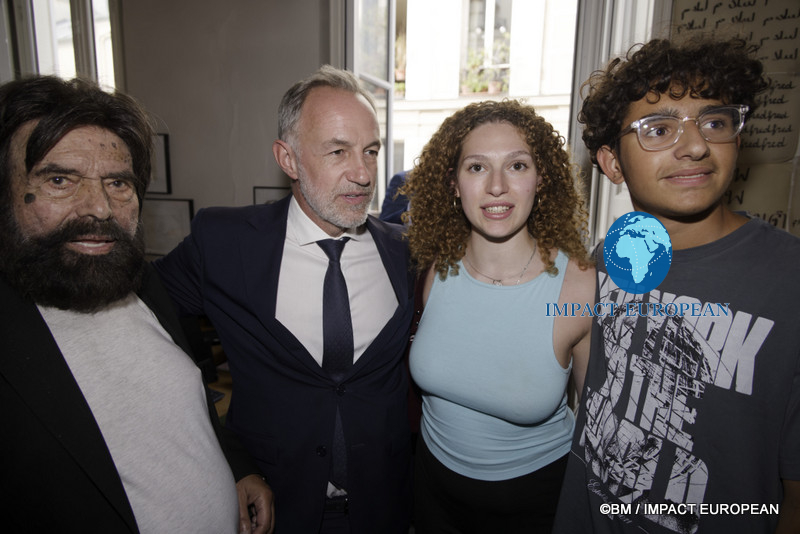
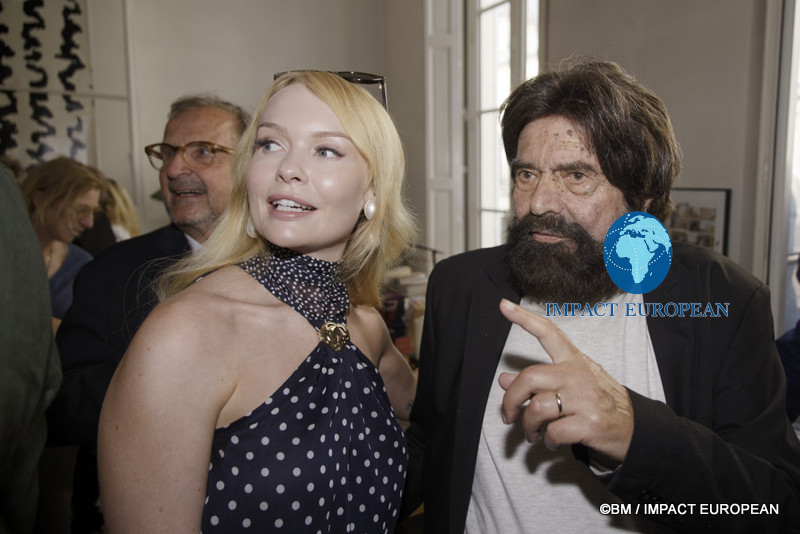
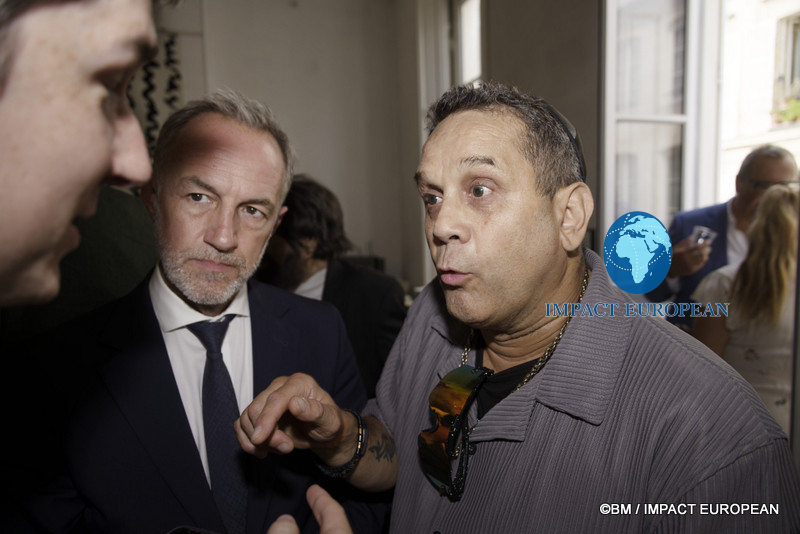
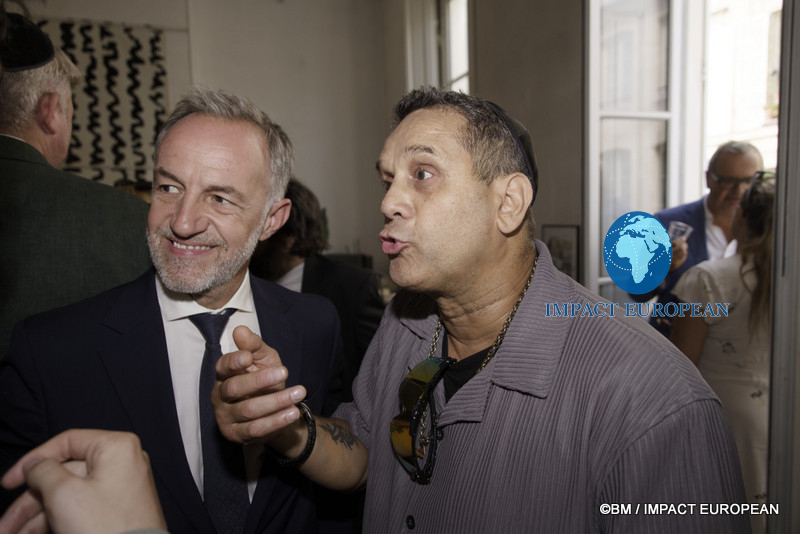
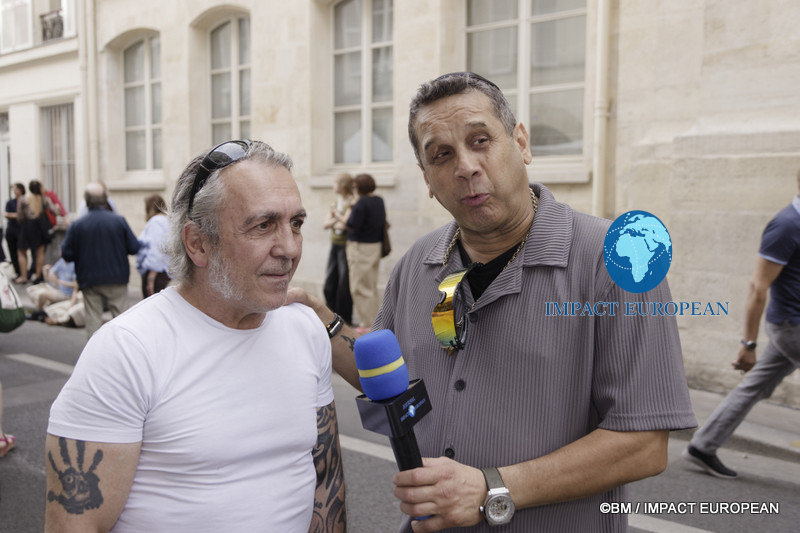
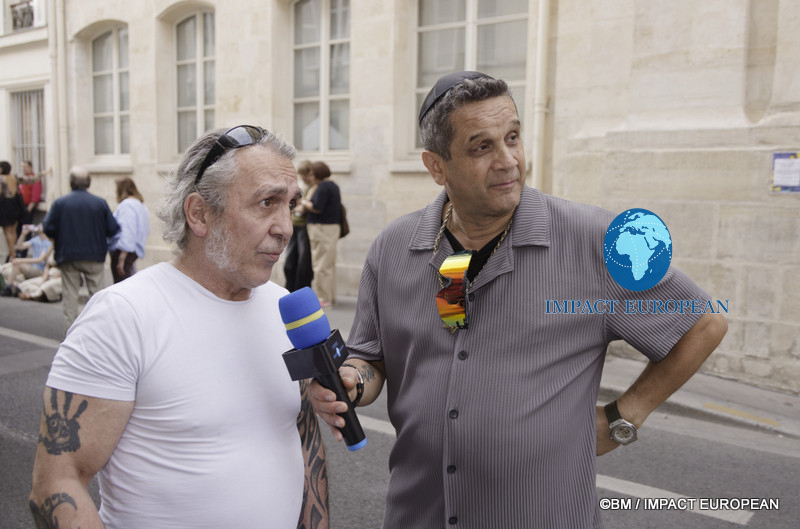
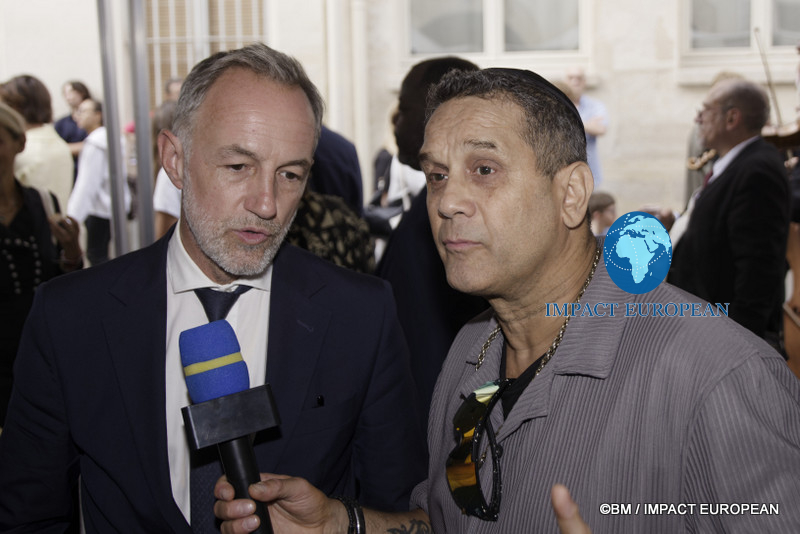
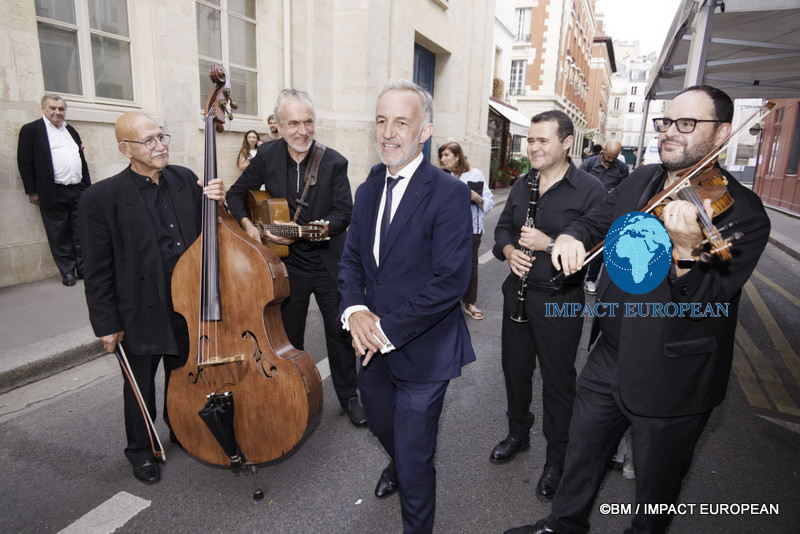
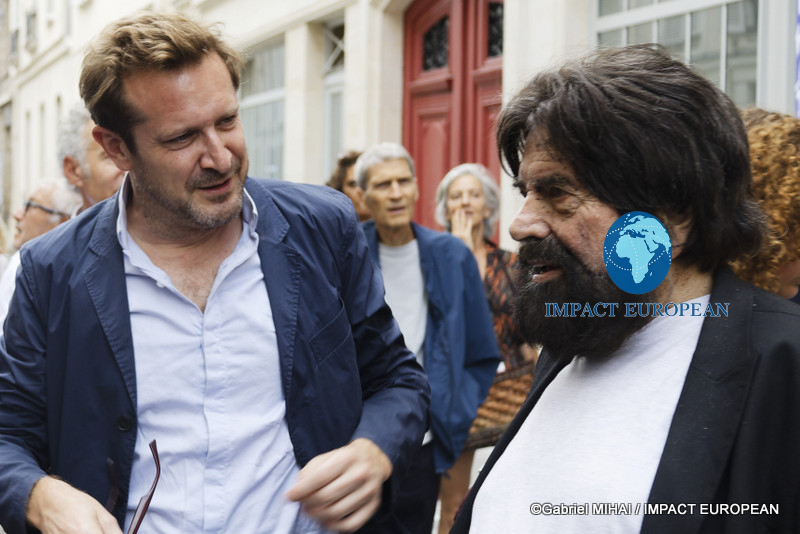
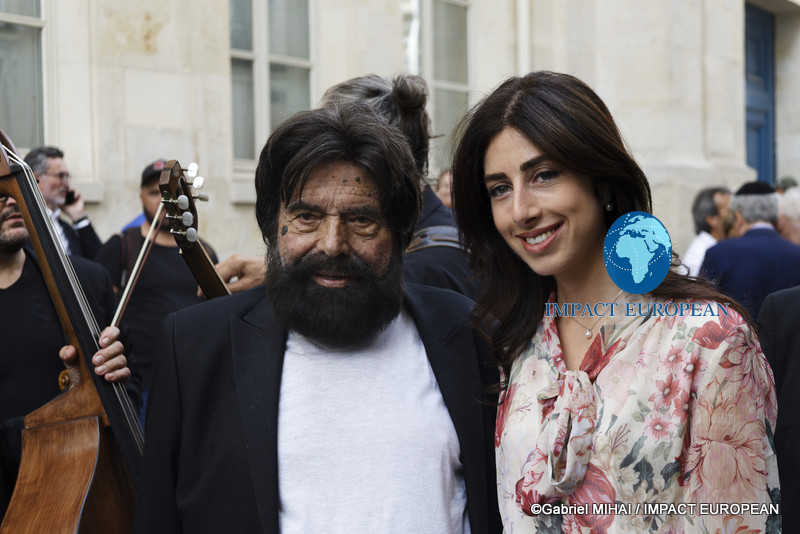
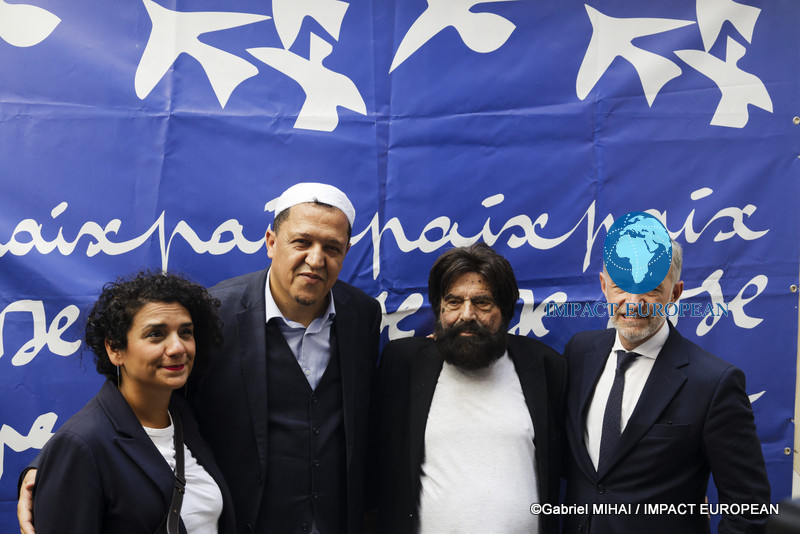
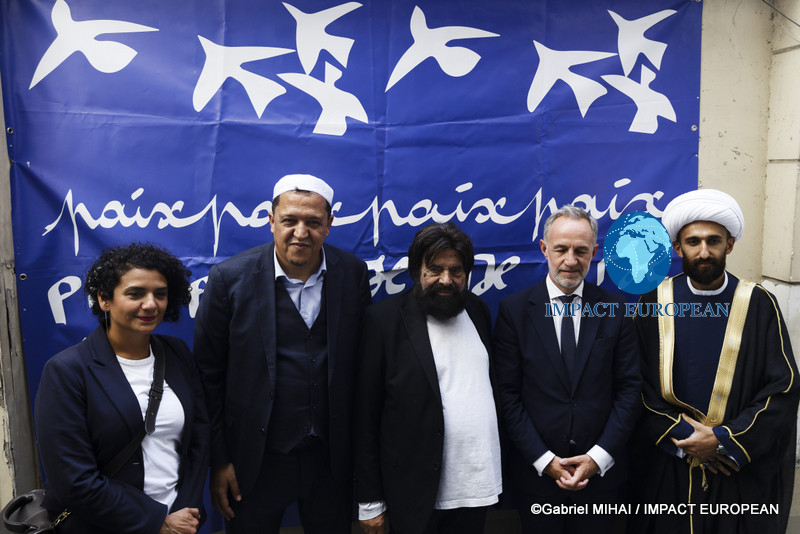
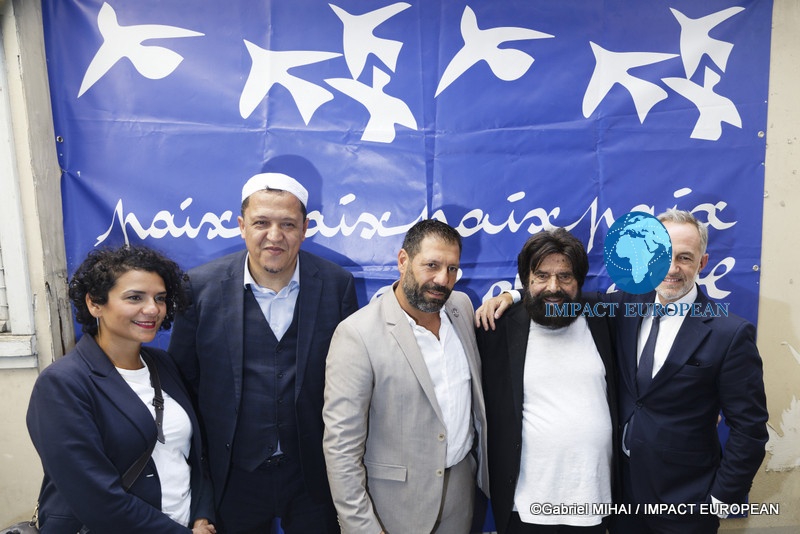
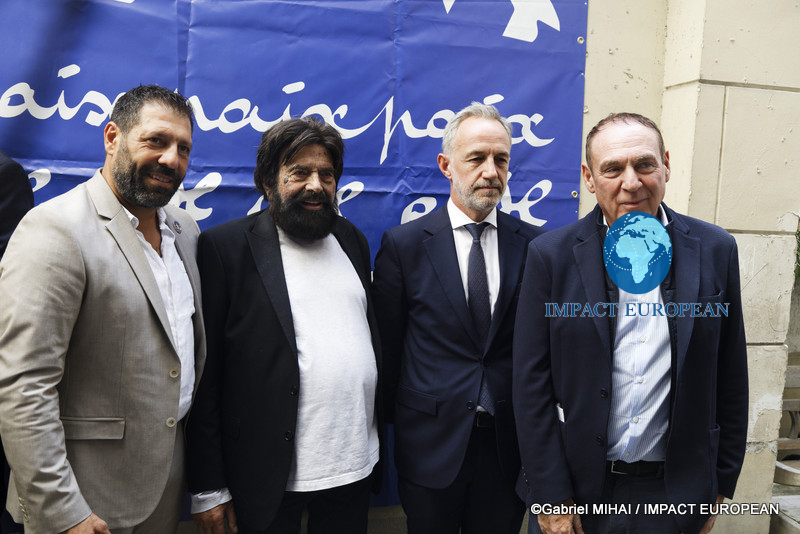
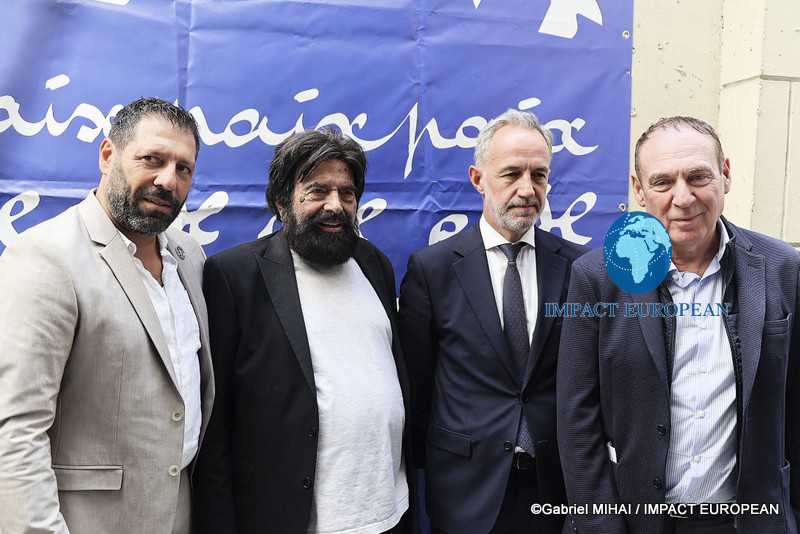
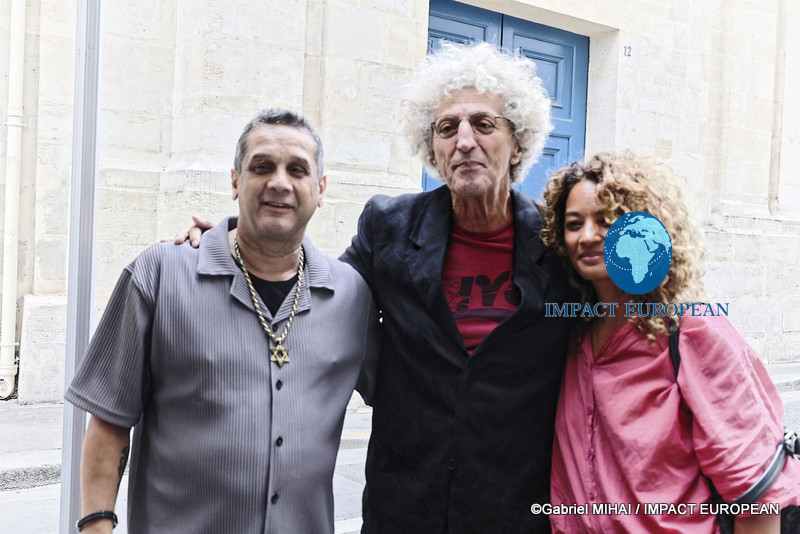
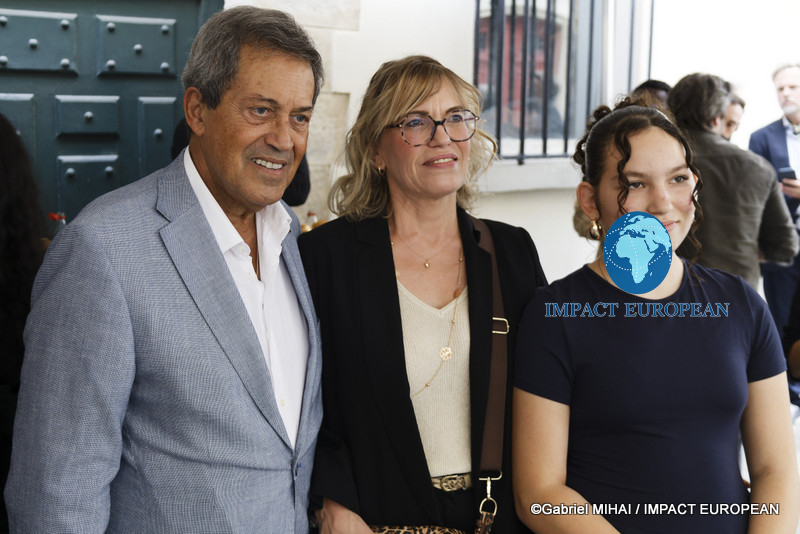
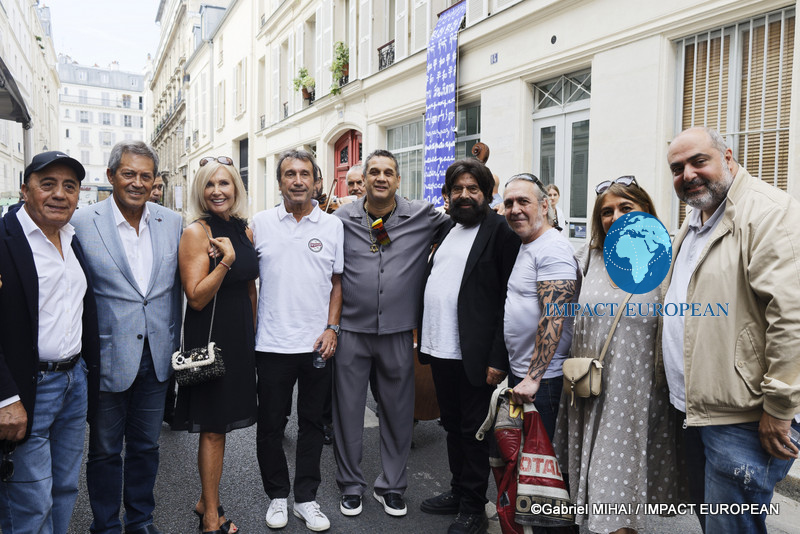
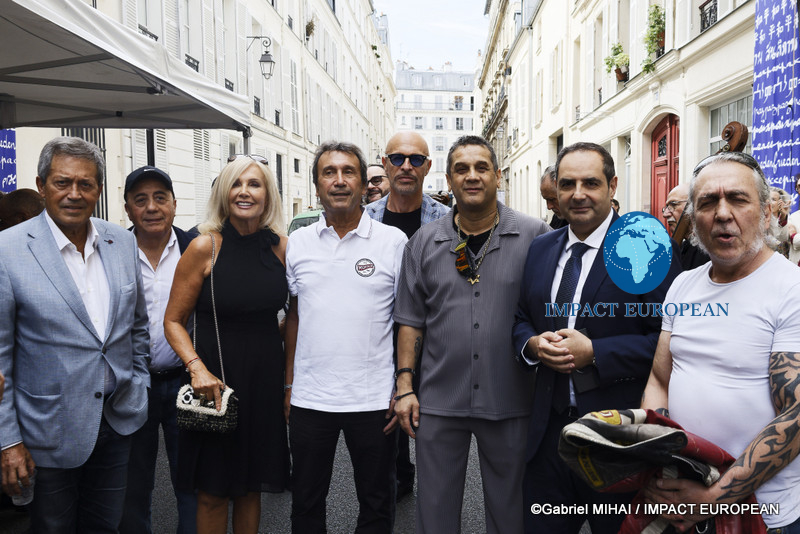
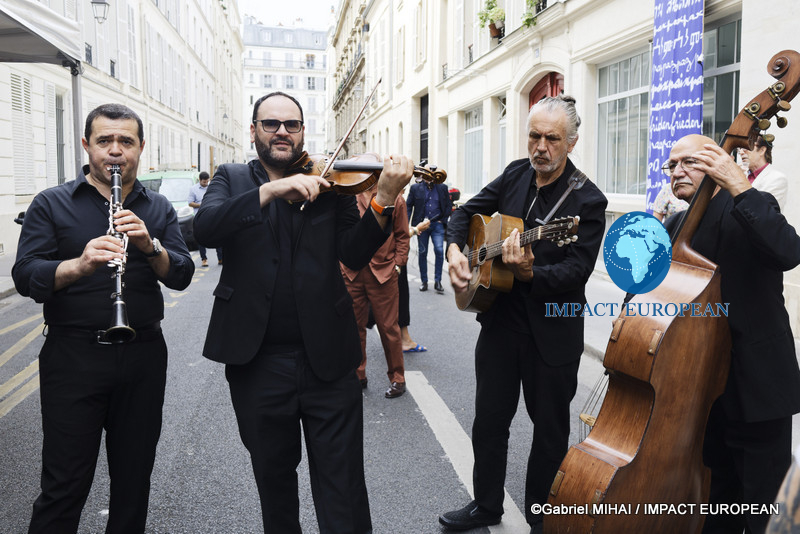
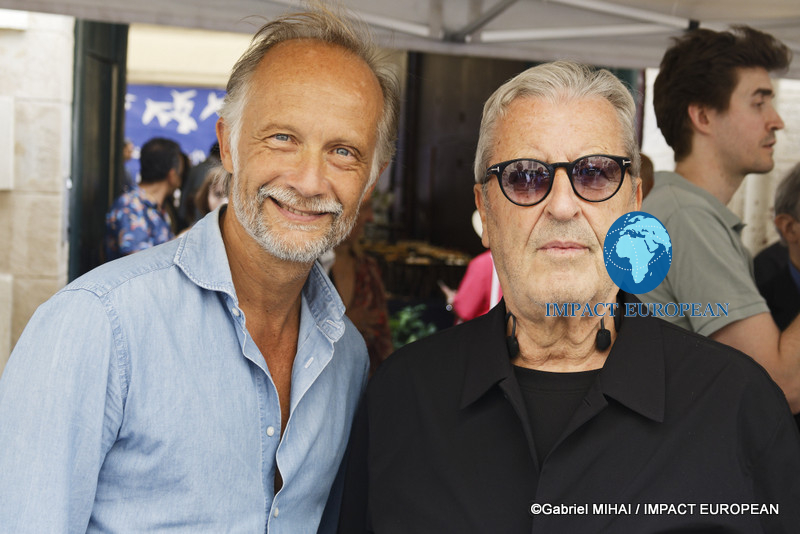
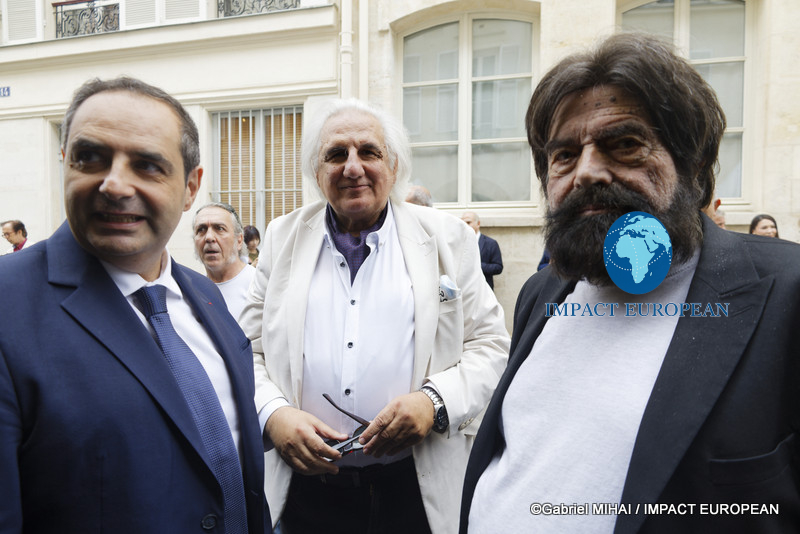
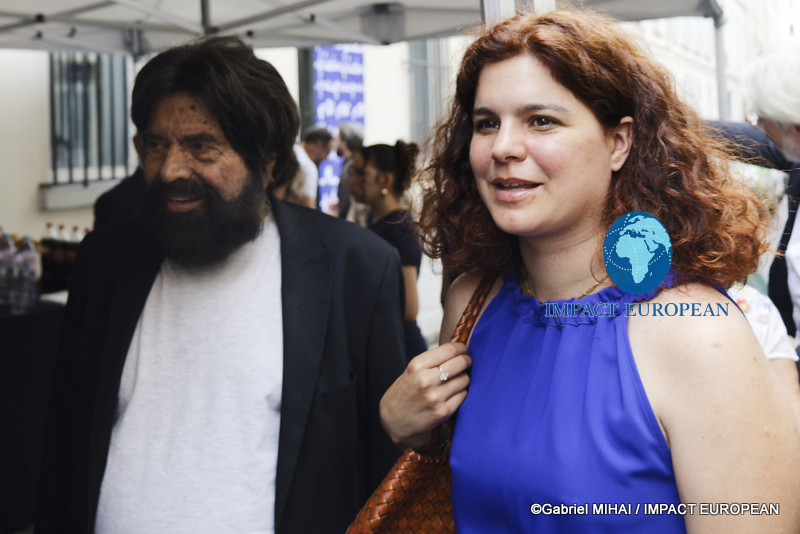
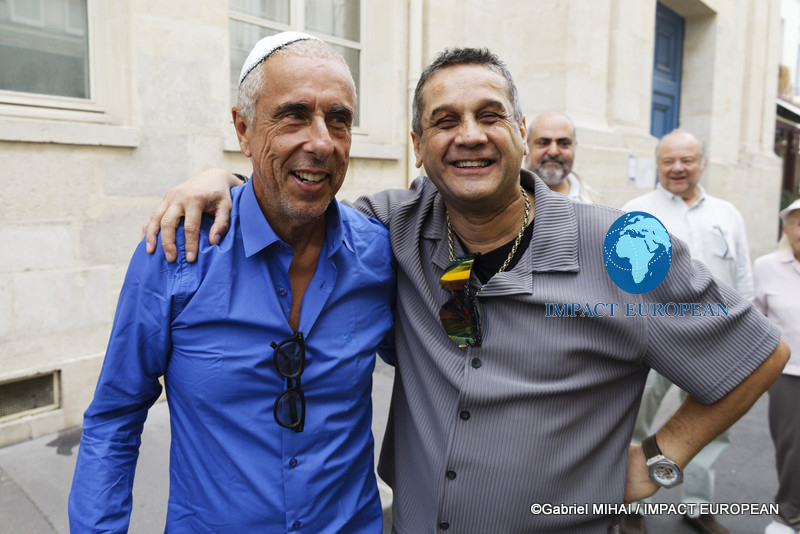
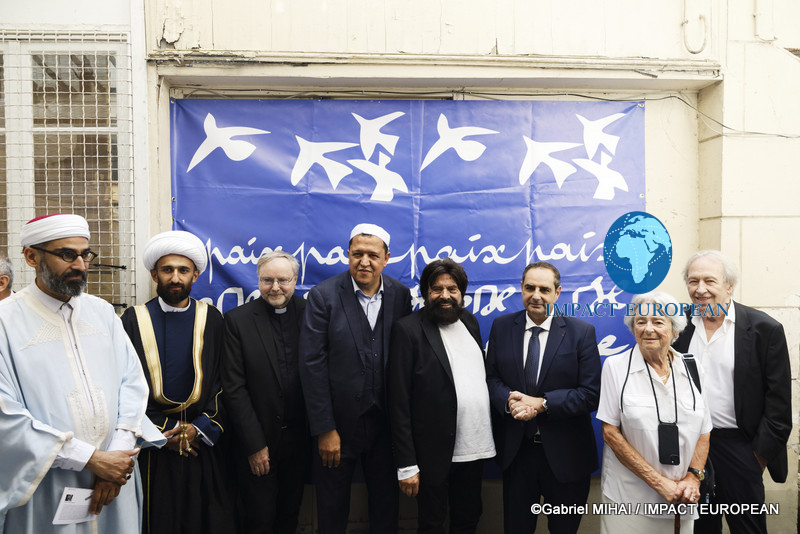
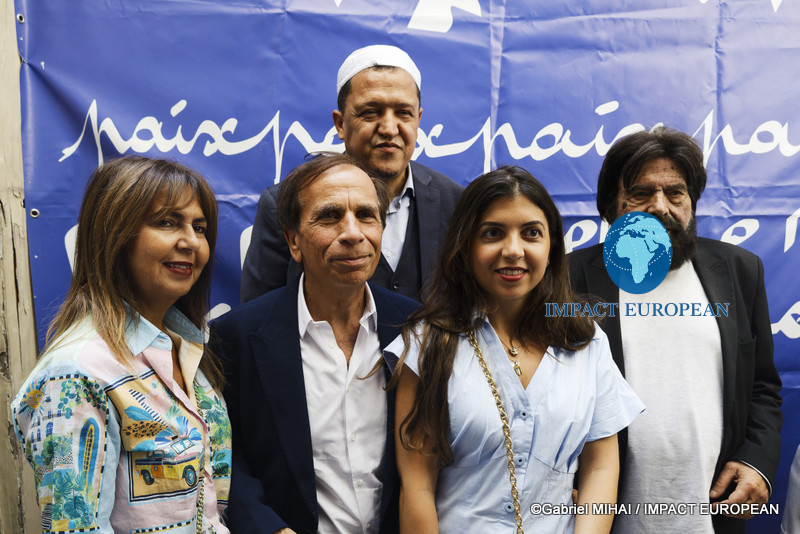
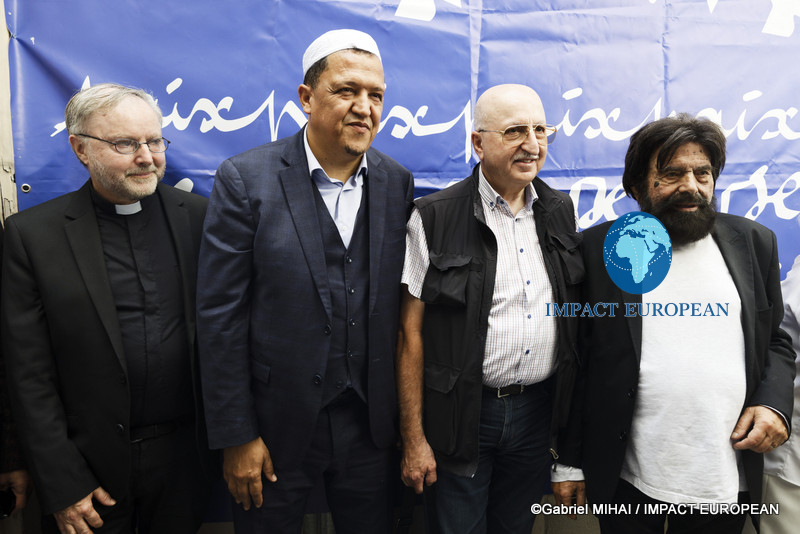
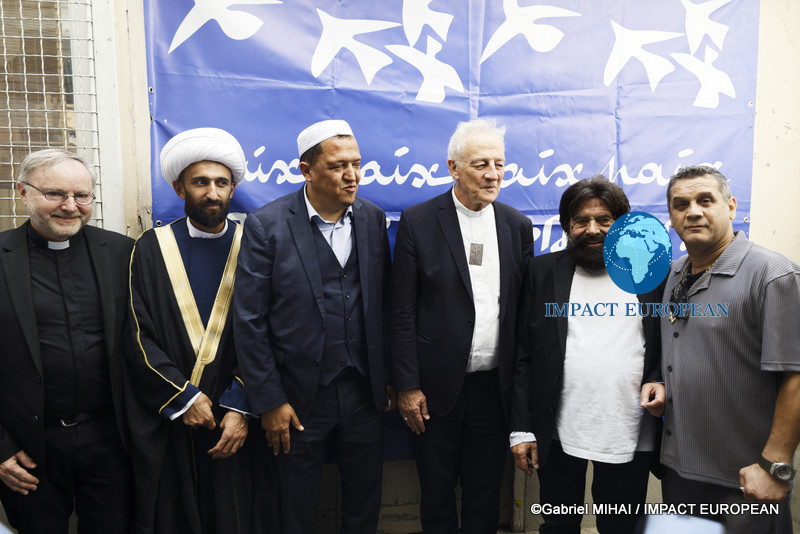
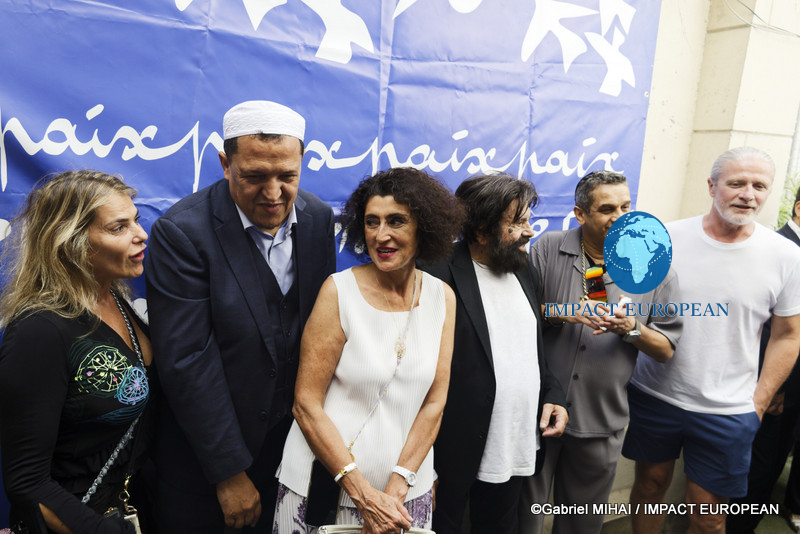
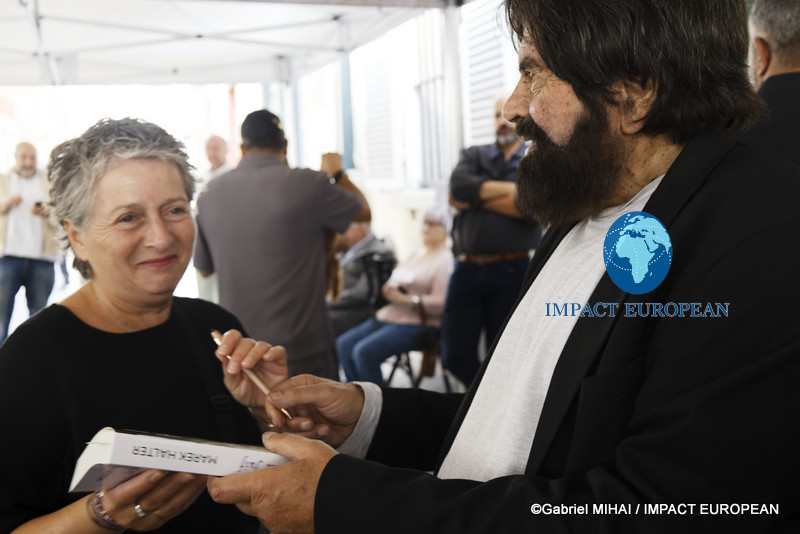
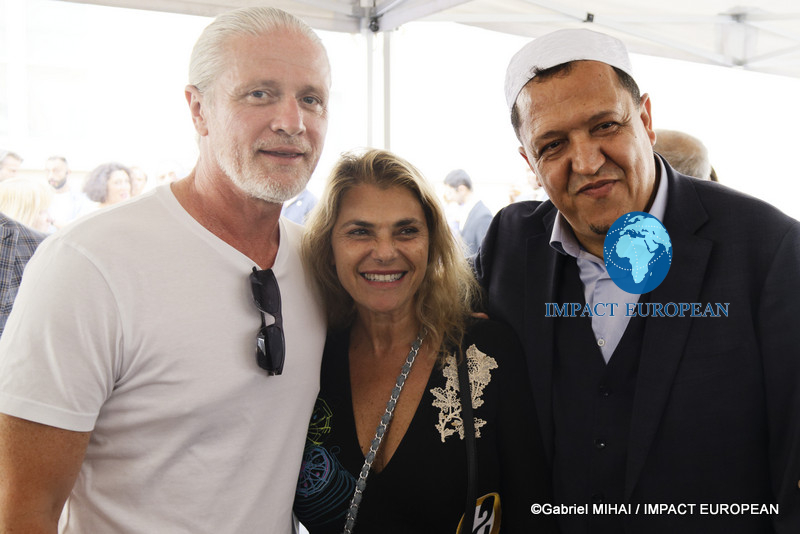
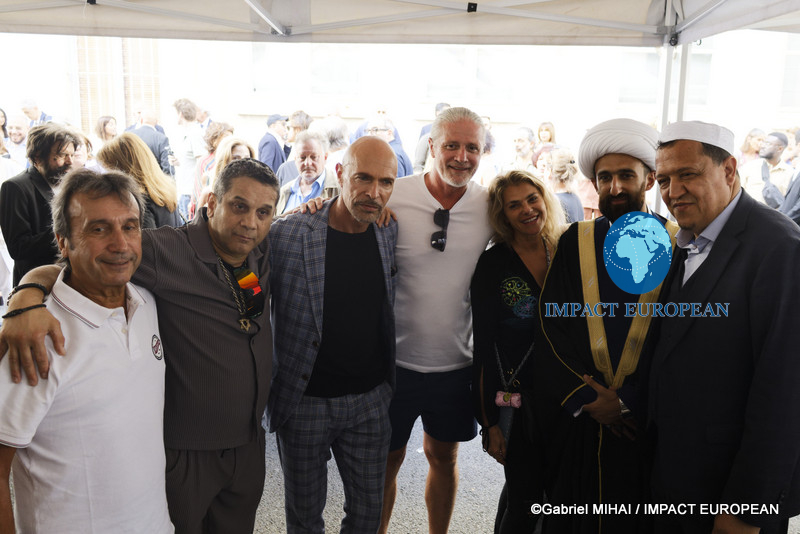
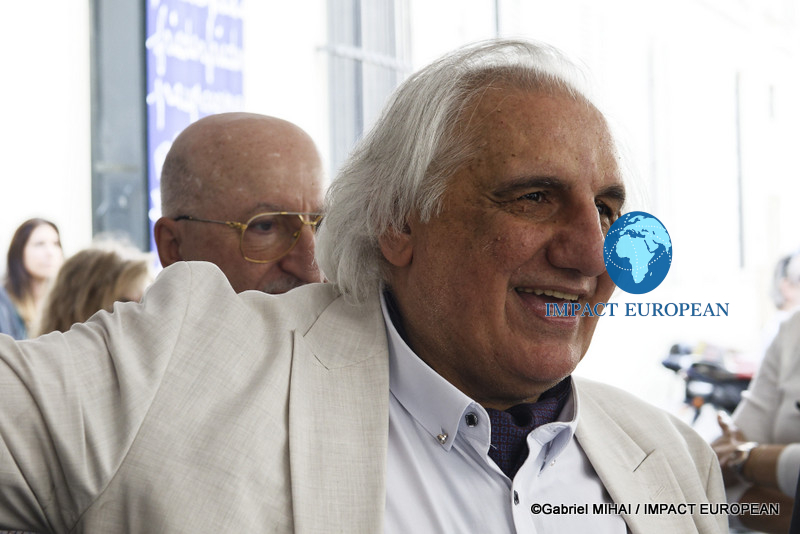
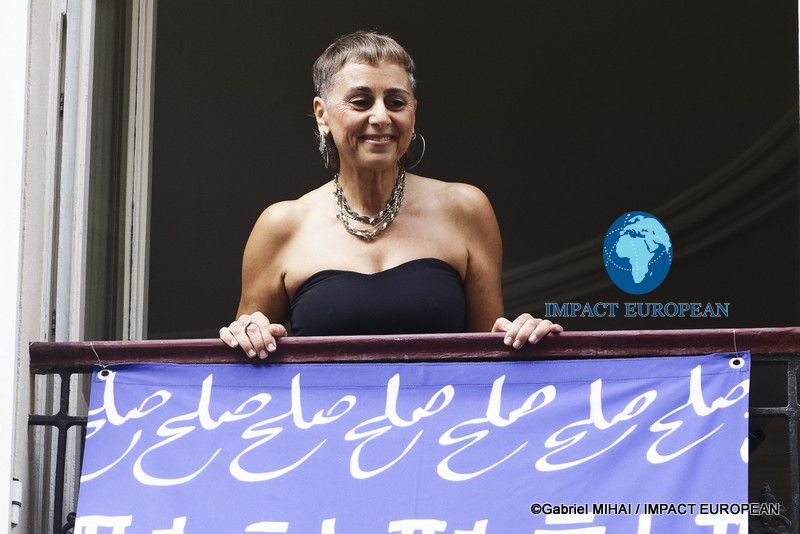
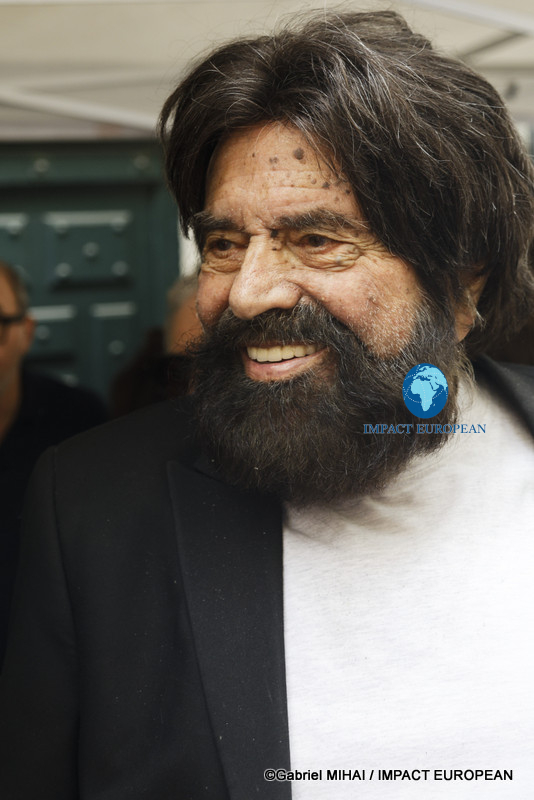
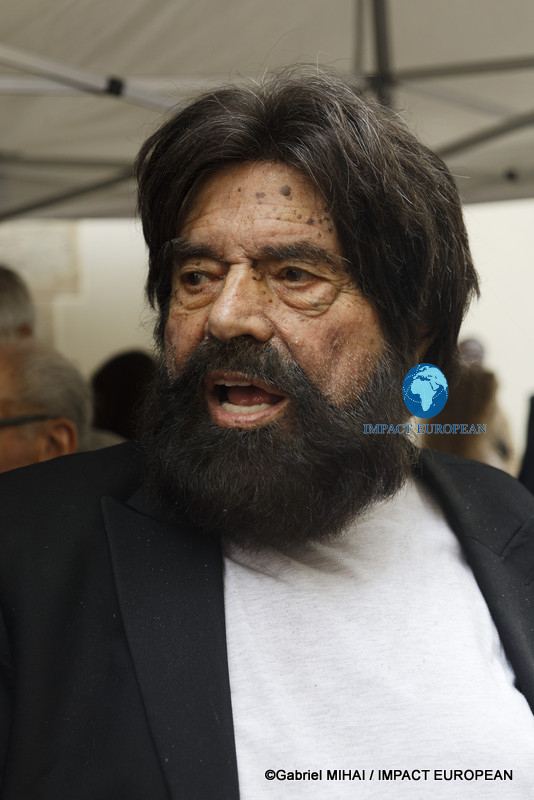
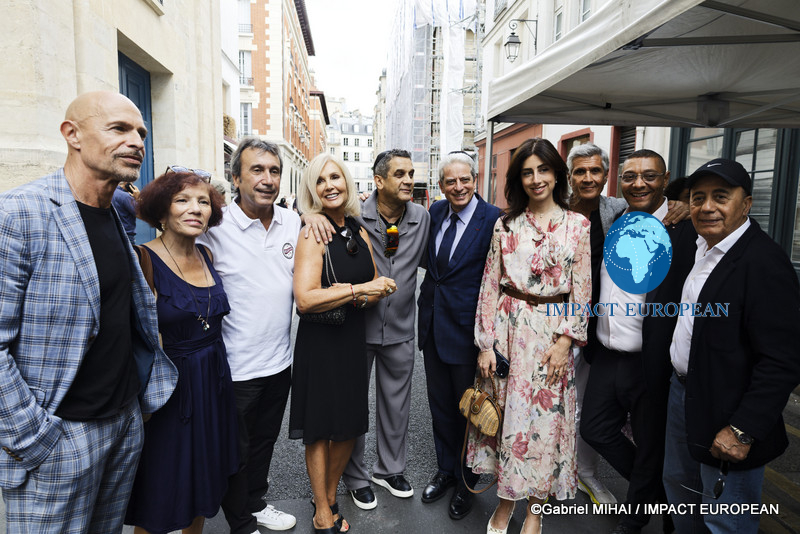
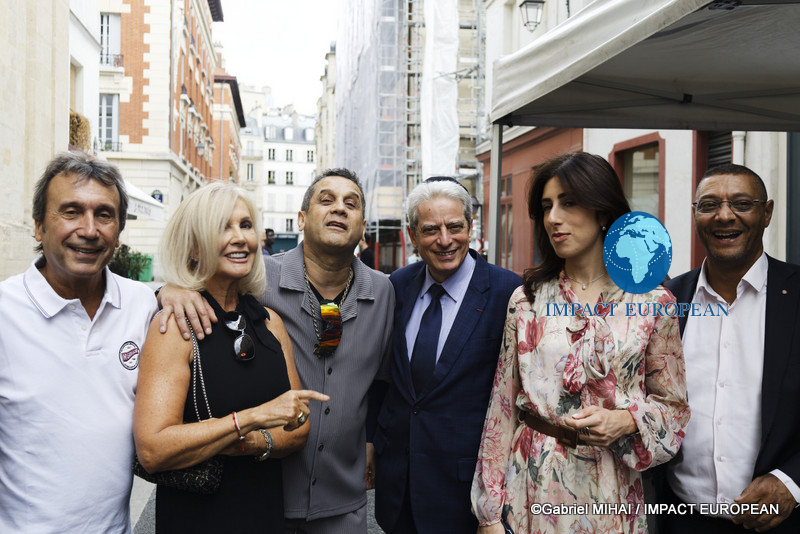
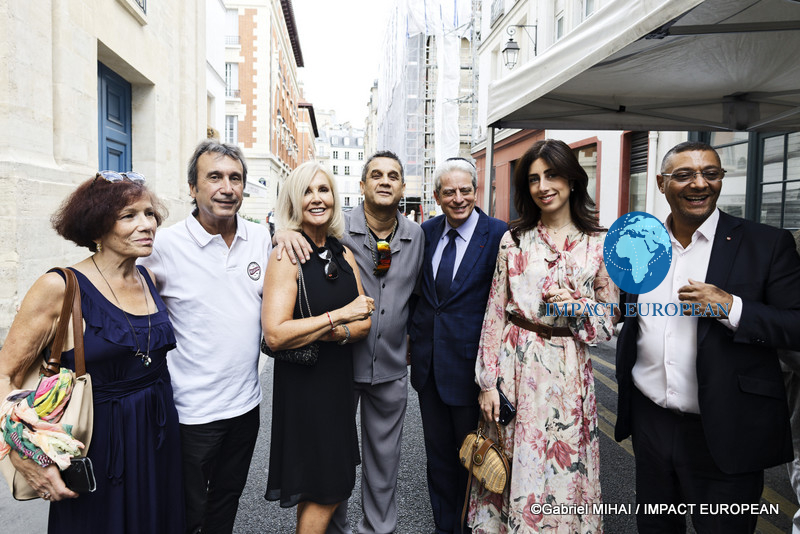
Days before Rosh Hashanah 5787, Marek Halter welcomed between 100 and 150 guests to his Paris home on the afternoon of September 6, 2026. Jewish, Muslim, Catholic and Protestant representatives joined political and diplomatic figures, artists, cultural personalities, athletes and members of the nonprofit community for a gathering shaped by hospitality. Around the traditions of the Jewish New Year, conversations turned to humanity, secularism, conviviality and peace.
On a Sunday afternoon in Paris, the approach of a new year was already bringing people together.
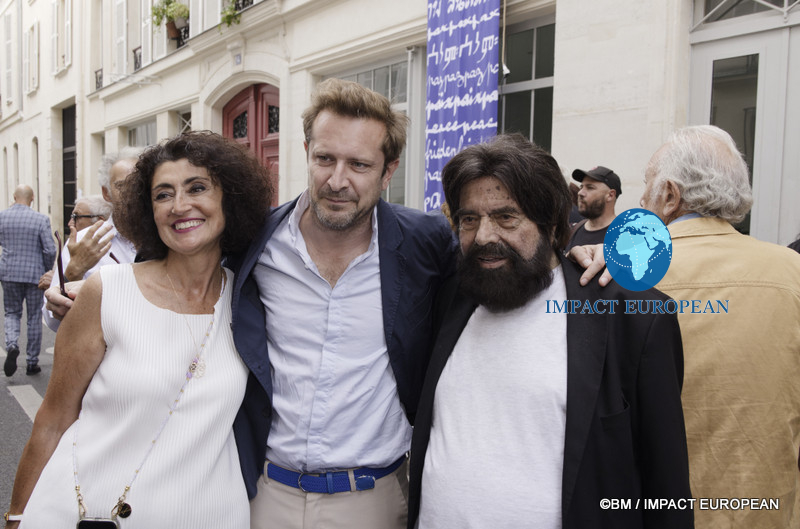
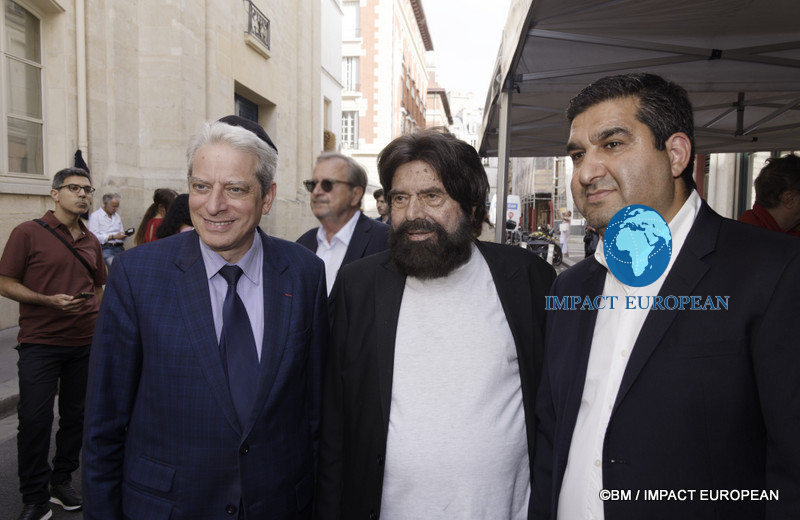
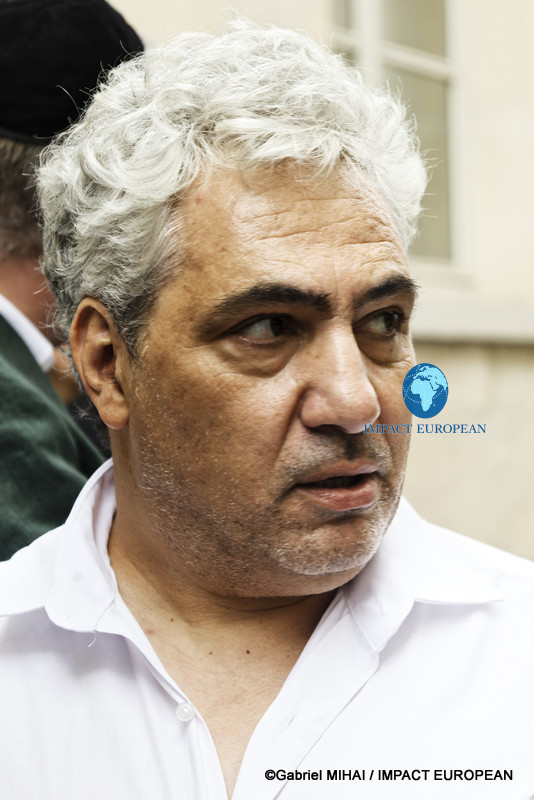
Near Place des Vosges, guests gradually arrived at the home of writer Marek Halter. Between 100 and 150 people attended the September 6 reception, five days before the beginning of Rosh Hashanah 5787.
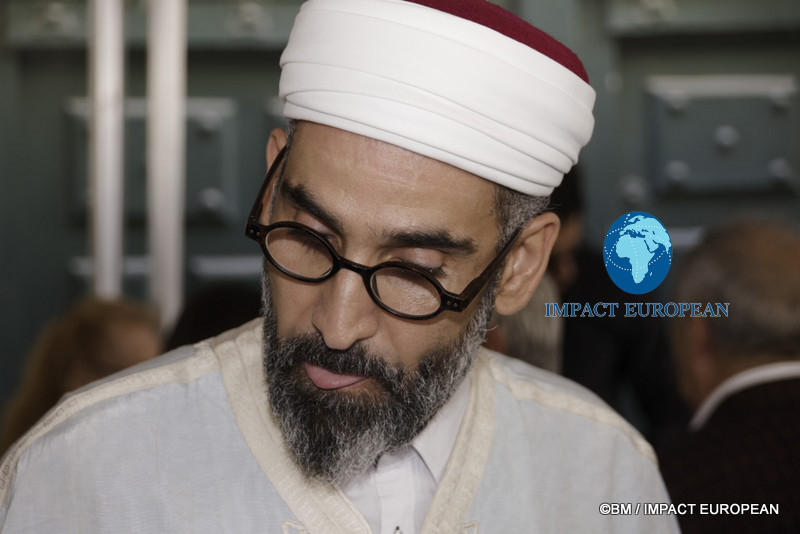
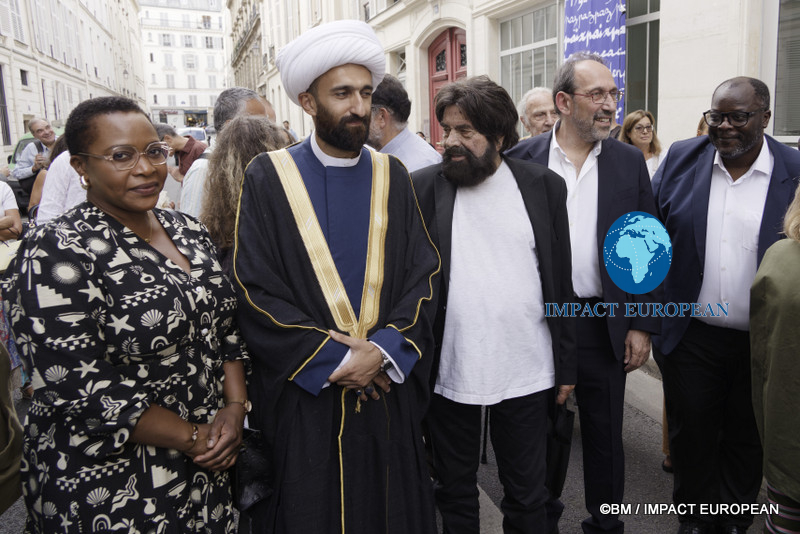
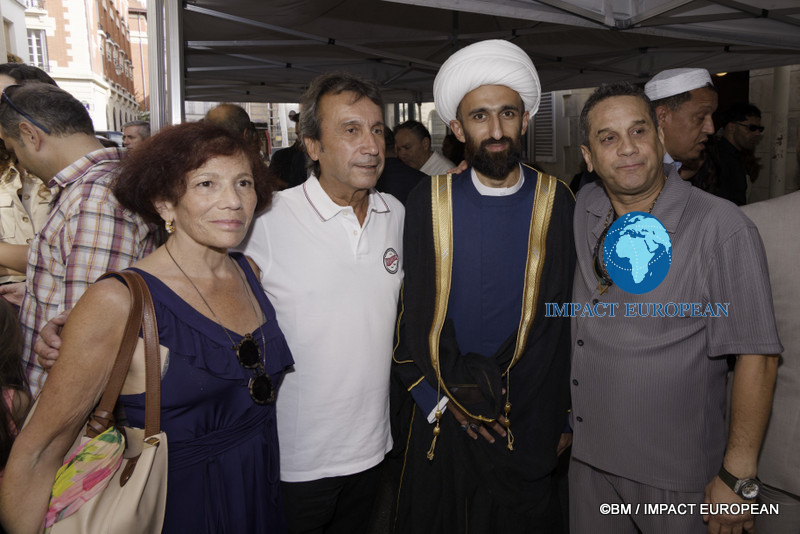
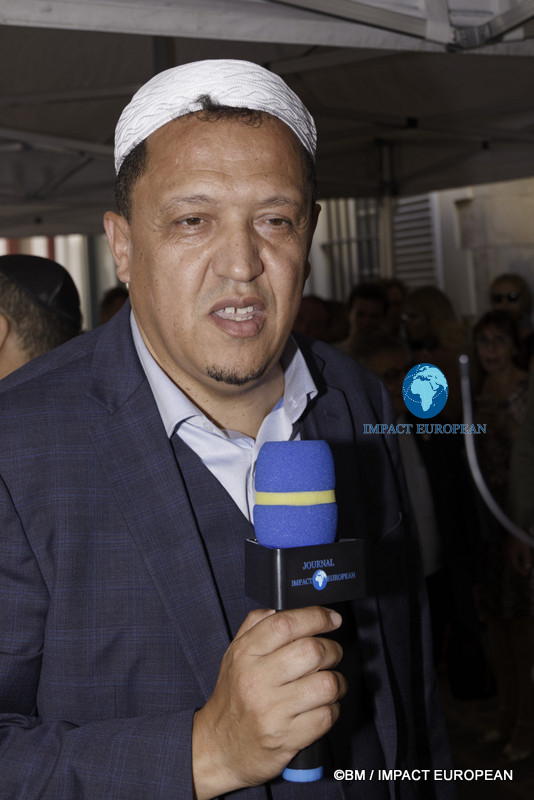
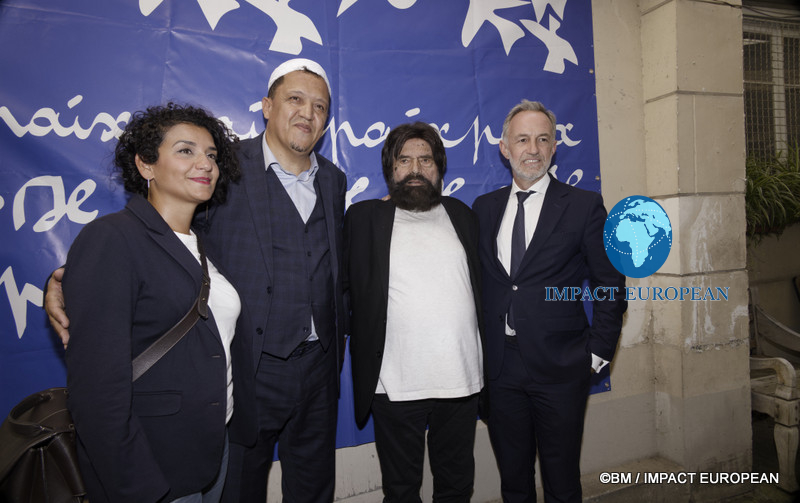
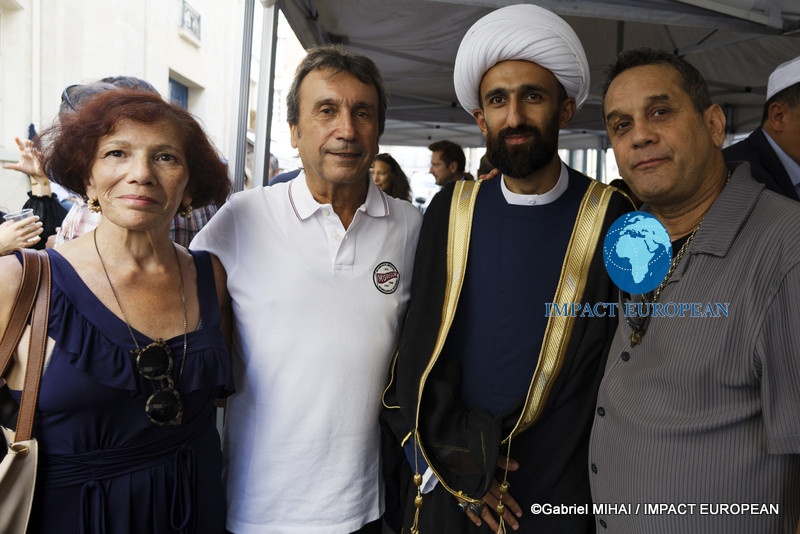
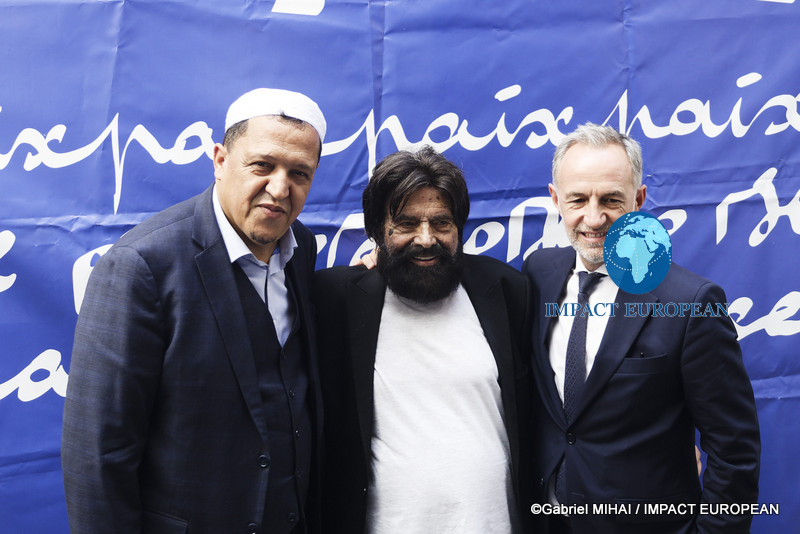
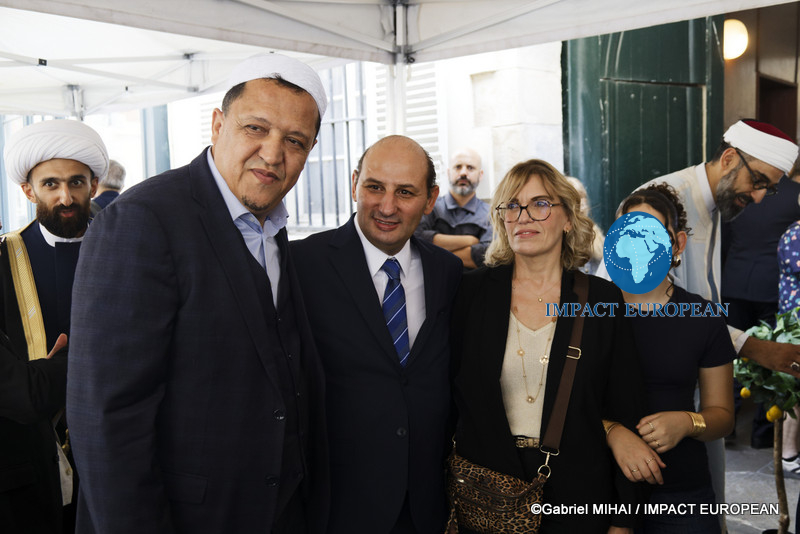
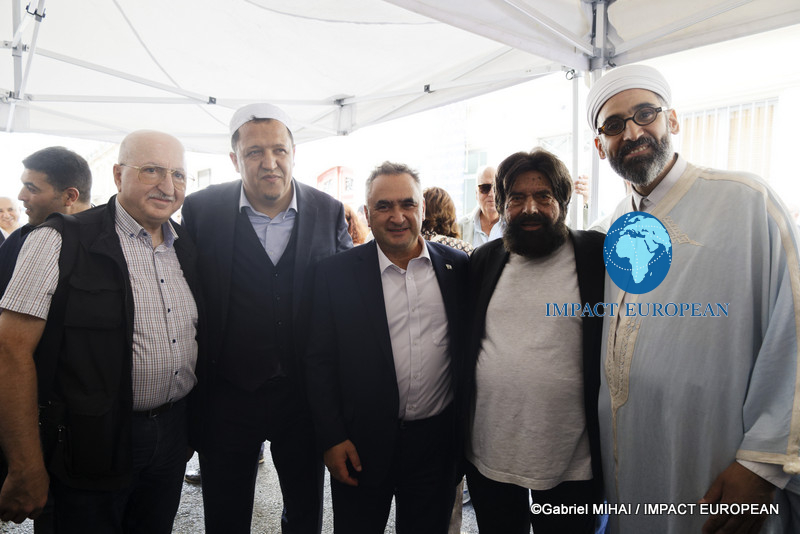
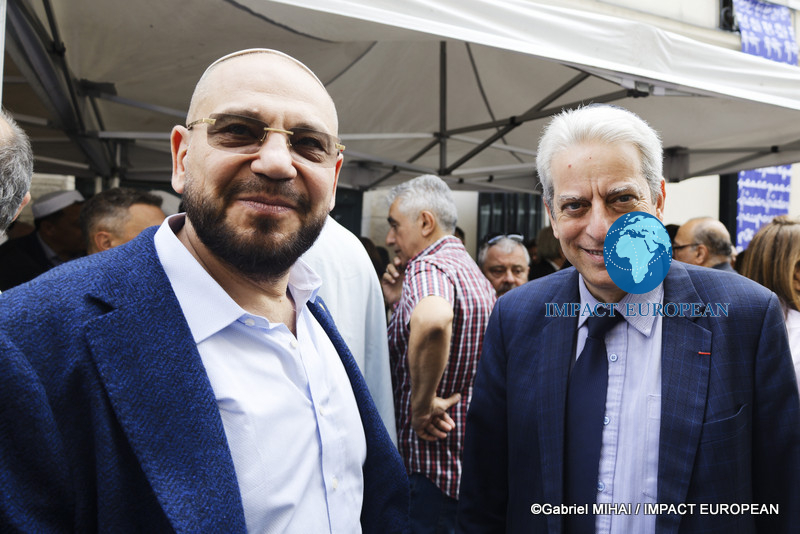
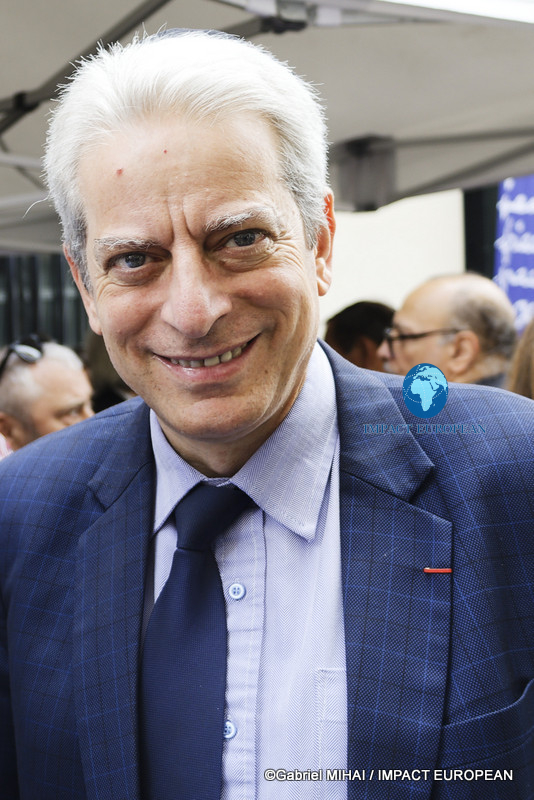
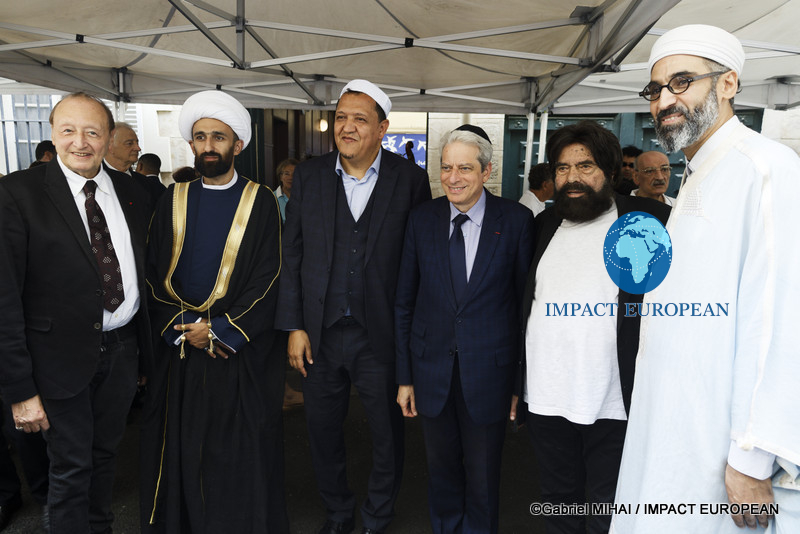
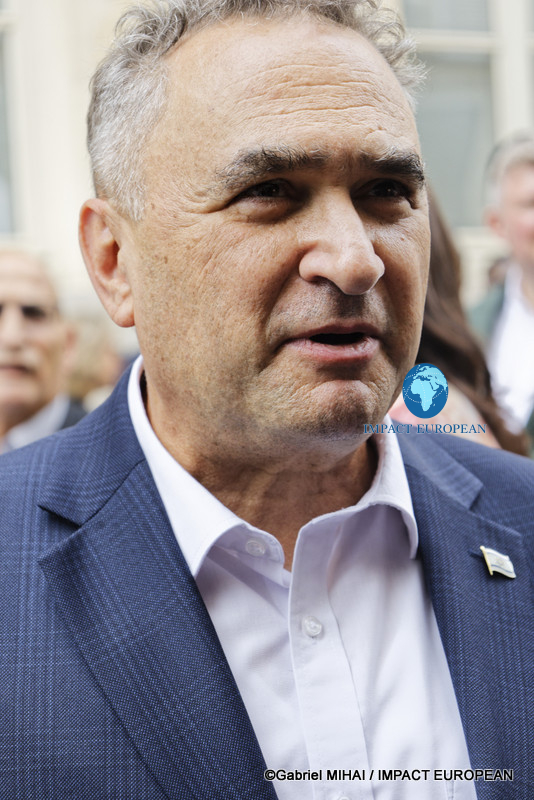
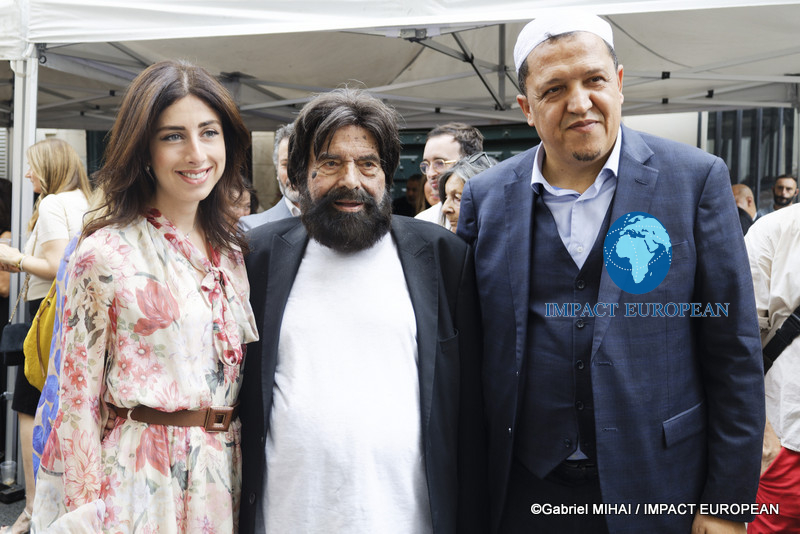
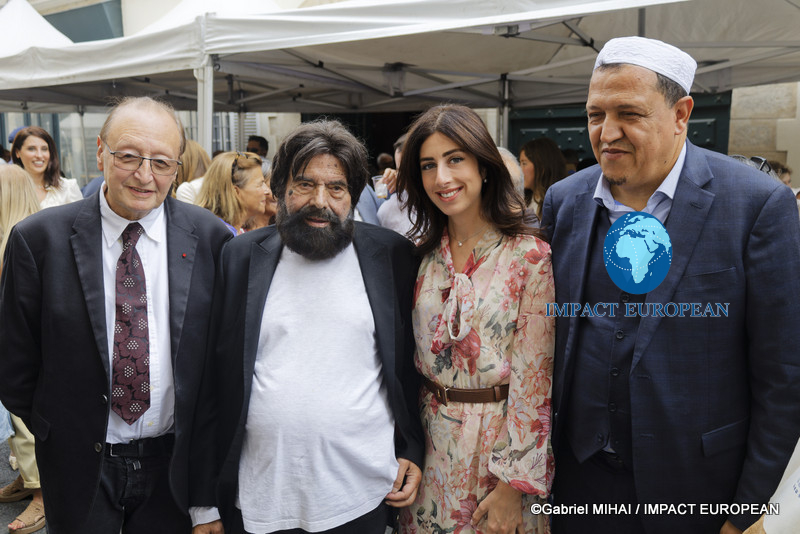
Among them were Rabbi Moché Lewin, Imam Hassen Chalghoumi, Imam Mohamed Mehdizadeh, Élie Korchia, president of the Central Consistory of France, and Joshua L. Zarka, Israel’s ambassador to France.
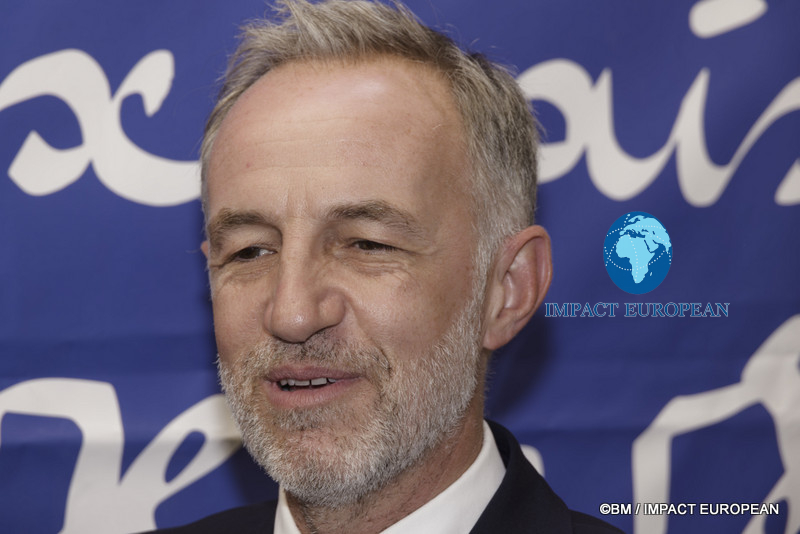
Paris Mayor Emmanuel Grégoire was also among the guests, alongside Georges Fenech.
At a gathering hosted by Marek Halter at his home on September 6, just a few days before the Jewish New Year, the CitéStars association took part in organizing the event in partnership with Marek Halter.
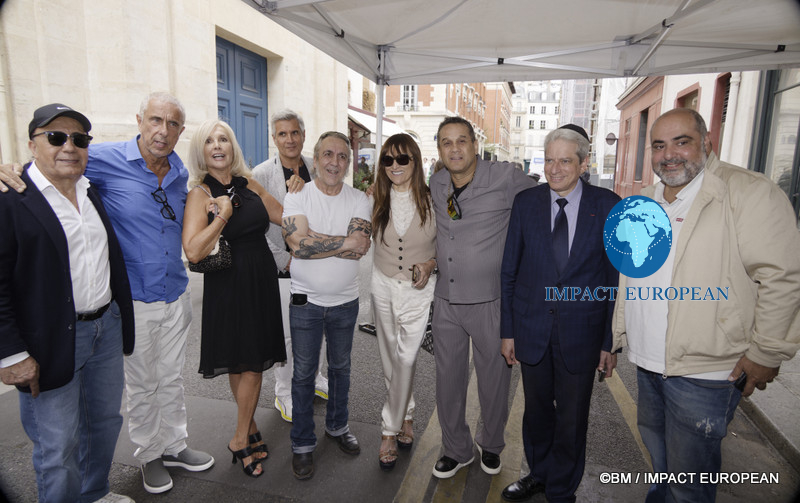
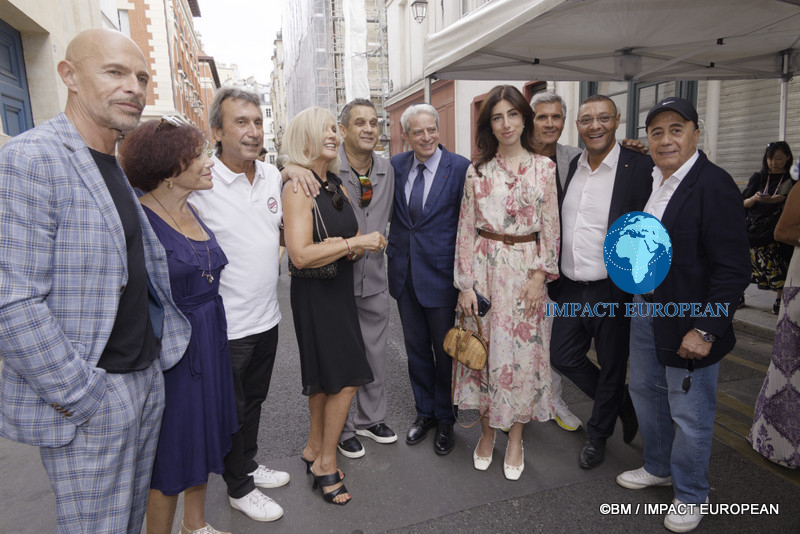
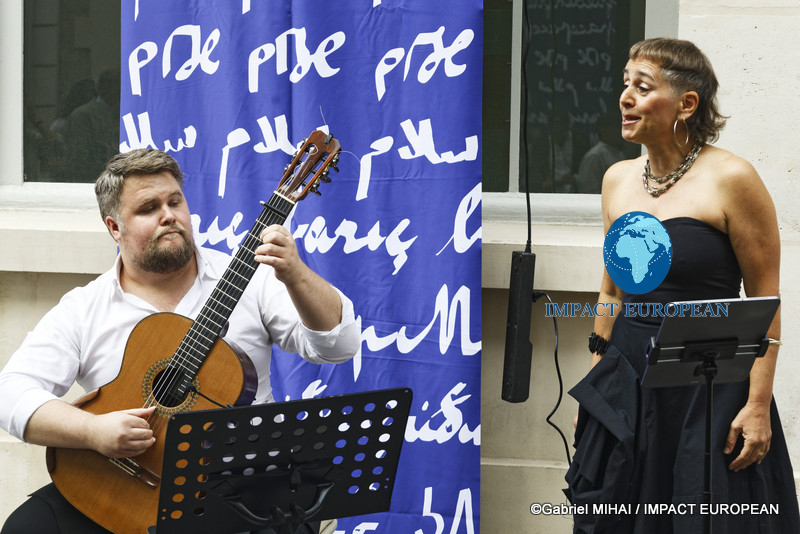
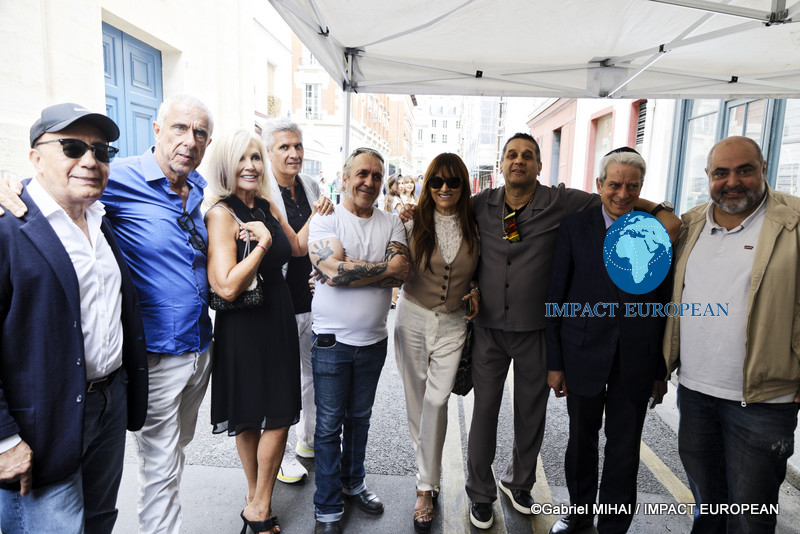
For the occasion, David Donadei invited several personalities from the worlds of sport, cinema, culture and music: Guy Amram, Jean-Philippe Lustyk, Lucian Dabila, Bibi Naceri, Katia Tchenko, Fabiane Amiach, Philippe Bouriachi, Emmanuel Petit, Elie Korchia, Elie Chouraqui, Nitsa Benchetrit, Loïse de Jadaut, Fabrice Benichou and Georges Fenech.
All of them are long-standing members of the CitéStars association. Their presence reflects their longstanding ties with the association and CitéStars’ involvement in the gathering organized by Marek Halter ahead of the Jewish New Year.
A Jewish New Year shared beyond one community
Rosh Hashanah 5787 begins at sundown on Friday, September 11, 2026, and ends after nightfall on Sunday, September 13.
Literally meaning “head of the year,” Rosh Hashanah marks the Jewish New Year. It is associated with renewal and hope, but also begins the Ten Days of Repentance leading to Yom Kippur.
That combination gives the holiday a particular depth.
A new year invites people to look ahead. It carries wishes for sweetness, prosperity and peace. Yet it also invites reflection on the year that has passed, on individual actions and on relationships with others.
At Marek Halter’s reception, these meanings were not confined to guests belonging to the Jewish faith.
Muslims, Catholics and Protestants were also present.
The symbols remained those of Rosh Hashanah, while the moment in which they were shared became broader.
Sweetness around the table
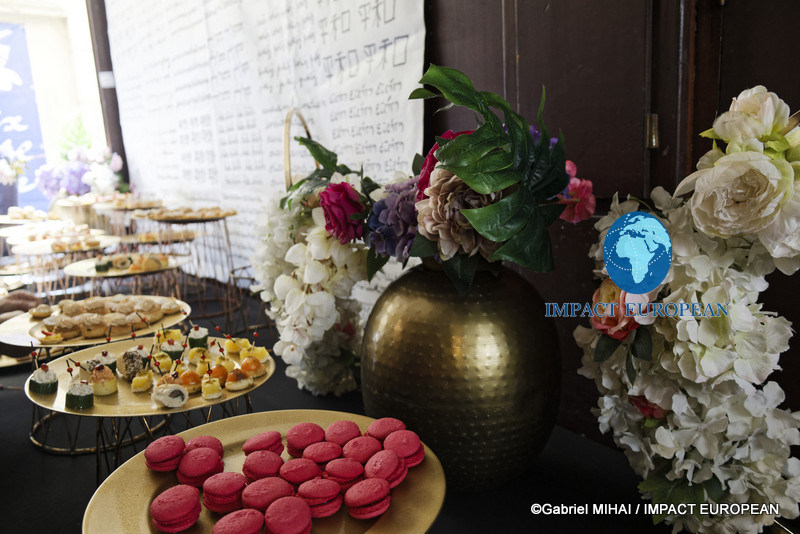
Among the best-known Rosh Hashanah traditions is eating apple with honey, expressing the wish for a sweet new year.
Other symbolic foods evoke abundance and prosperity.
Their meaning is rooted in Jewish tradition, but the wishes they express can be understood well beyond it. Sweetness, hope, prosperity and peace speak easily across religious and cultural boundaries.
That became particularly visible around the table.
Hospitality allowed the symbolism to move naturally through the reception. Traditions could be shared and explained as guests met one another, talked and spent the afternoon together.
The sweetness associated with the coming year therefore had a second, human expression: the warmth of being received.
Hope also moved beyond the calendar. It became a wish for relationships, projects and initiatives to grow during the year ahead.
Four faiths under one roof
One of the defining features of the afternoon was its religious diversity.
Jewish, Muslim, Catholic and Protestant representatives were present, while diversity could also be found within individual religious traditions.
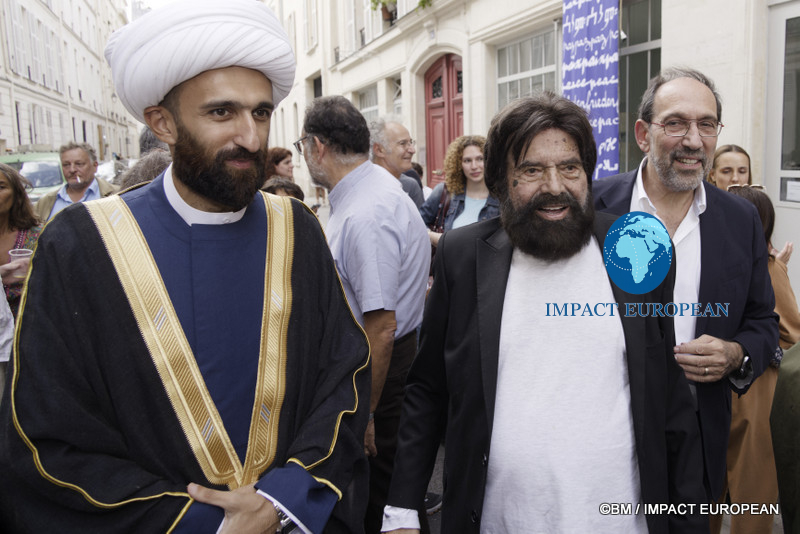
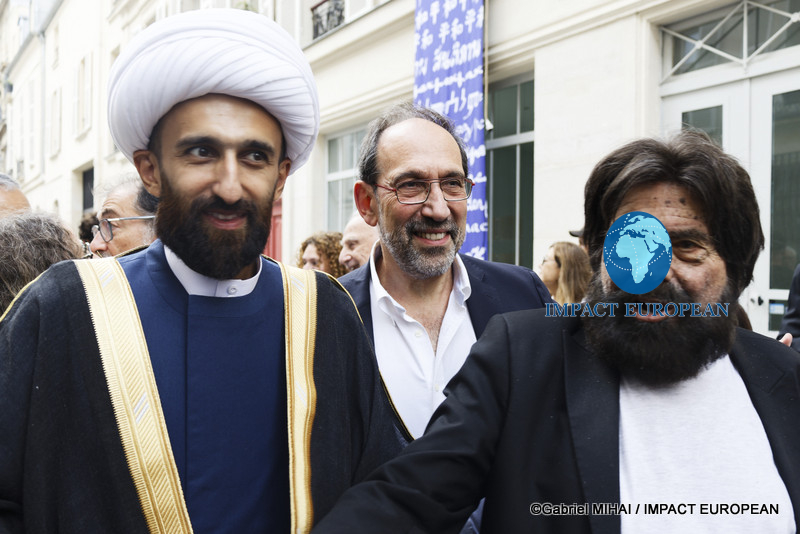
Imam Mohamed Mehdizadeh, who comes from the Shia tradition, attended alongside Imam Hassen Chalghoumi. Mehdizadeh also holds European responsibilities within the Global Imams Council and is engaged in questions surrounding secularism, peace and opposition to extremism.
Their presence added another layer to the gathering.
Religious diversity was not simply a matter of bringing together representatives of different faiths. Different currents within Islam were also present alongside Jewish and Christian representatives.
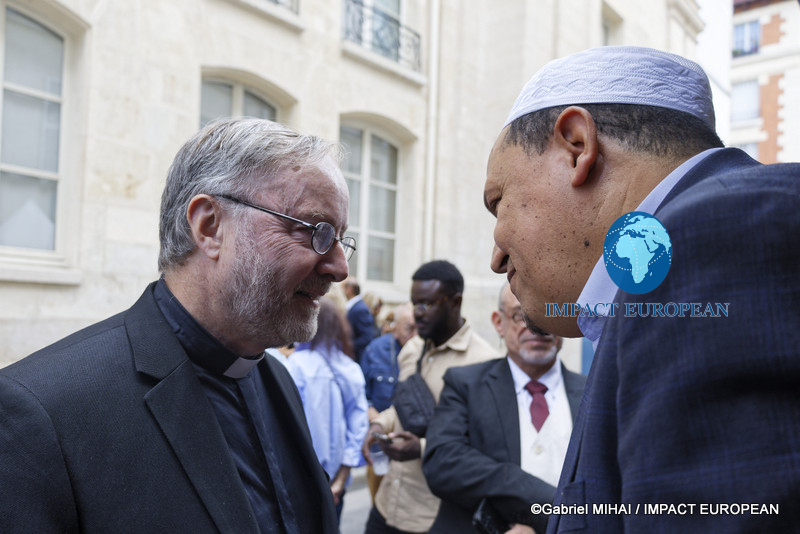
Rabbi Moché Lewin, Hassen Chalghoumi and Mohamed Mehdizadeh shared the afternoon with other religious figures, but also with diplomats, elected officials, artists, athletes and members of civil society.
The gathering therefore extended beyond an exclusively interfaith setting.
It became a meeting between different parts of public and cultural life.
Hospitality sets the rhythm of the afternoon
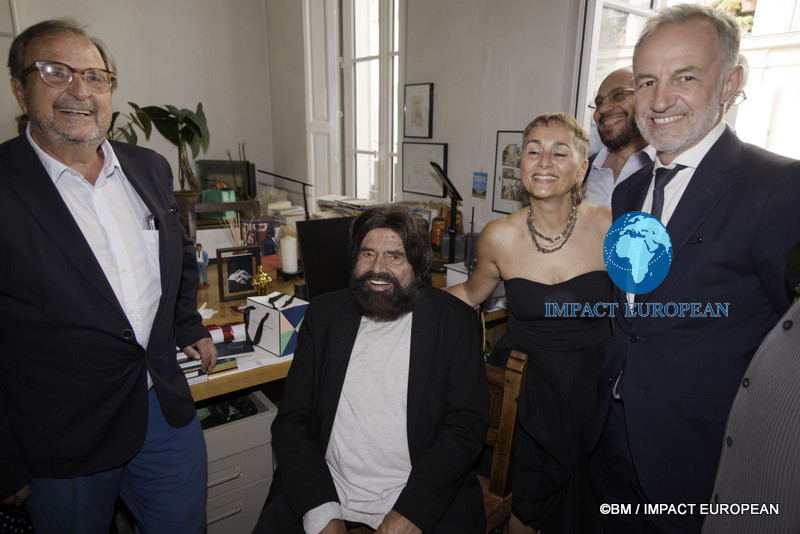
At the center of the gathering was a simple act: Marek Halter was receiving people in his home.
From there, much of the afternoon developed naturally.
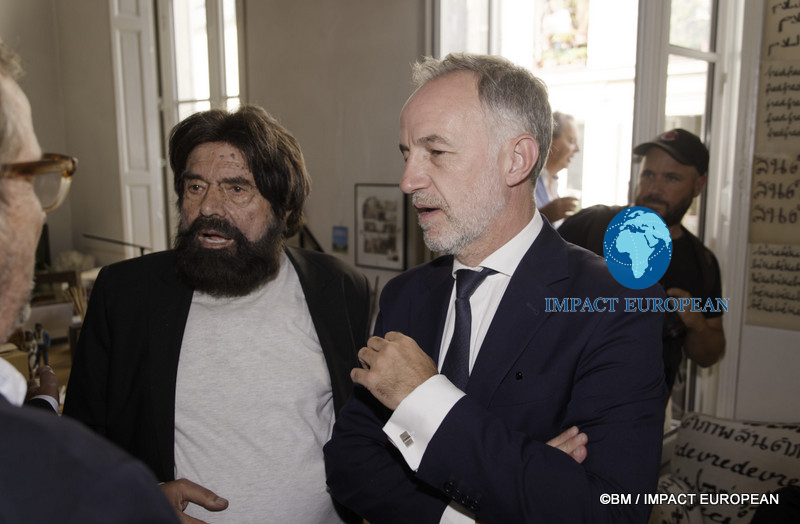
Guests met. Groups formed and changed. Conversations began between people from different backgrounds. Food and traditions were shared.
There was no need for those encounters to be separated from the reception itself. They were part of its conviviality.
Among the subjects heard in conversations during the afternoon were humanity, peace, secularism and conviviality.
In a room bringing together several faiths, those words acquired an immediate dimension.
Secularism could be discussed by people with strong religious identities. Peace could be spoken about among guests with very different histories. Humanity provided a point of reference that did not require those differences to disappear.
The afternoon remained a reception, yet the exchanges gave it substance beyond the social gathering.
From public roles to human encounters
The range of guests also changed the nature of the conversations.
Élie Korchia brought the perspective of a major French Jewish institution. Joshua L. Zarka was present as Israel’s ambassador to France. Emmanuel Grégoire represented the political life of Paris.
Alongside them, Élie Chouraqui, Bibi Naceri and Fabienne Amiach came from cultural, artistic and media backgrounds, while Fabrice Benichou represented sport. David Donadei, Georges Fenech and Lician Davila added still other experiences to the gathering.
The significance was not simply that prominent names appeared on the same guest list.
What mattered during the afternoon was what happened after they arrived.
Different circles overlapped.
A religious representative could find himself in conversation with someone from culture or public life. Guests moved between groups rather than remaining defined solely by their professional or religious roles.
This movement gave conviviality its meaning.
It was not an abstract value placed above the event. It could be seen in the way the afternoon unfolded.
Renewal also means looking back
The hopeful character of Rosh Hashanah does not erase the past.
The Jewish New Year begins a period of introspection leading to Yom Kippur. Renewal therefore carries responsibility with it.
Looking forward can also mean examining previous actions, recognizing mistakes and considering what should change.
Forgiveness belongs to this movement because it concerns relationships: what has happened between people, what may need to be acknowledged and what can perhaps be repaired.
Purification carries a more inward dimension, turning attention toward the self and the changes an individual seeks within.
Together, these meanings prevent renewal from becoming merely a wish that circumstances will improve.
The new year also asks what a person can change.
Within an afternoon where humanity and peace were part of the conversations, that spiritual dimension found a natural place.
Peace begins as a hope for the world, but it can also concern relationships between people.
Humanity as common ground
Religion remained highly visible throughout the gathering.
There was no need for Jewish, Muslim, Catholic or Protestant participants to cease being what they were in order to share the afternoon.
That distinction matters.
Conviviality did not depend on uniformity. It allowed different identities to remain present within the same space.
The Muslim presence itself illustrated this plurality through different Islamic traditions. Jewish and Christian representatives added their own histories and convictions.
Around them were people from politics, diplomacy, culture, sport and civil society.
In that setting, humanity became more than a word heard in conversation.
It described what all of those identities still had in common.
Peace in the scale of an afternoon
Peace can easily become an immense and distant idea.
At Marek Halter’s reception, it appeared on a smaller scale.
It could be found in people meeting, sharing a table, exchanging thoughts and spending time together despite differences in religion, background or public role.
That does not make an afternoon reception responsible for solving conflicts beyond its walls.
Its significance is simpler.
It shows what peace can look like at the level of human relations: the possibility of making room for another person.
That meaning closely echoes the sweetness associated with Rosh Hashanah.
A sweet year is wished for the future. Hospitality gives that wish an immediate expression in the present.
When symbolism becomes conviviality
Five days after the gathering, Rosh Hashanah 5787 would begin.
Yet many of the ideas associated with the Jewish New Year were already moving through Marek Halter’s Paris home on September 6.
There was renewal in looking toward a new year and hope in the wishes accompanying it.
There was sweetness in the tradition and in the hospitality surrounding it.
There was the hope for prosperity, for people and projects to flourish.
There was also the inward journey toward forgiveness and purification that accompanies the days leading to Yom Kippur.
Above all, there was an open door.
Between 100 and 150 guests, representing several faiths and many different parts of society, spent the afternoon together.
Around them circulated the words heard during the gathering: humanity, secularism, conviviality and peace.
In Marek Halter’s home, the symbolism of Rosh Hashanah thus found a human expression before the new year had even begun: sweetness in hospitality, hope in renewal, and peace in the simple possibility of sharing the same space.
©2026 IMPACT EUROPEAN – All rights reserved
Views: 24
More Stories
France Protests on October 17: Mass Mobilization Overshadowed by Violence Across the Country
Work Palace Opens in Paris: INSITU Brings Luxury Hospitality Into the Workplace
Rugby Pro D2: Colomiers Defeat Narbonne 49-28 to Claim Bonus-Point Victory