

Every year on 14 July, France celebrates the values of the Republic with a military parade along the iconic Champs-Élysées in Paris.
The ceremony commemorates the legacy of the French Revolution while honouring the men and women serving in the country’s armed forces. Yet the 2026 edition stood apart from previous celebrations. Against a backdrop of geopolitical instability, ongoing conflicts and growing security concerns across Europe, the parade evolved into far more than a national tradition.
This year, Paris delivered a clear political and diplomatic message.
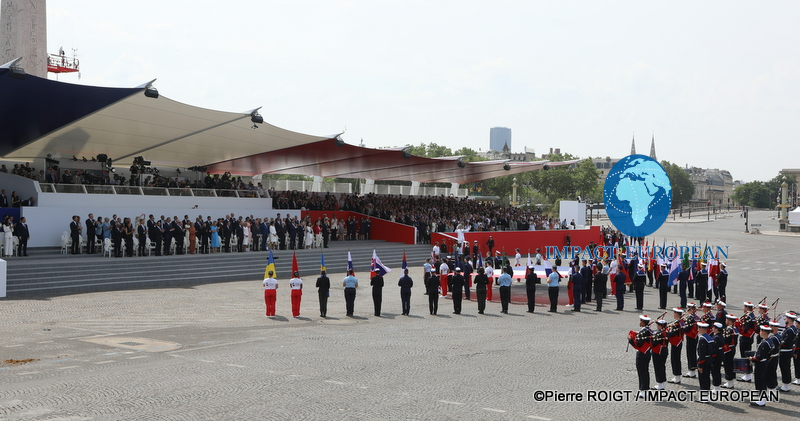
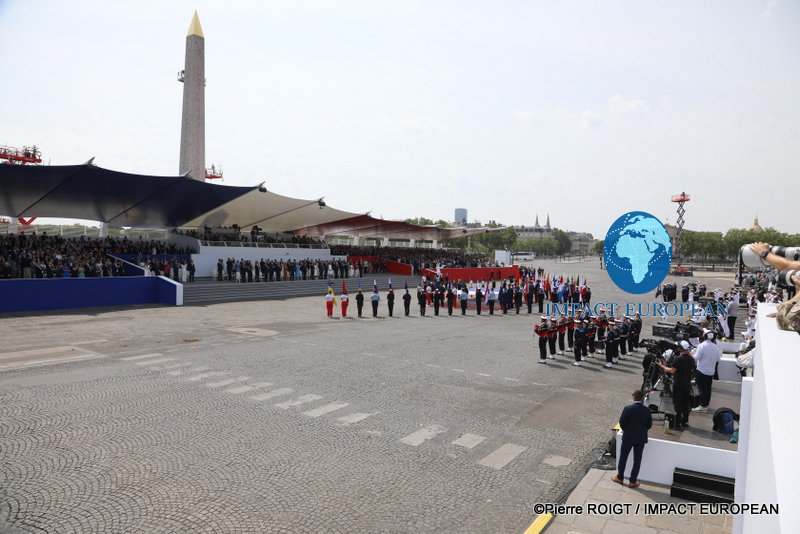
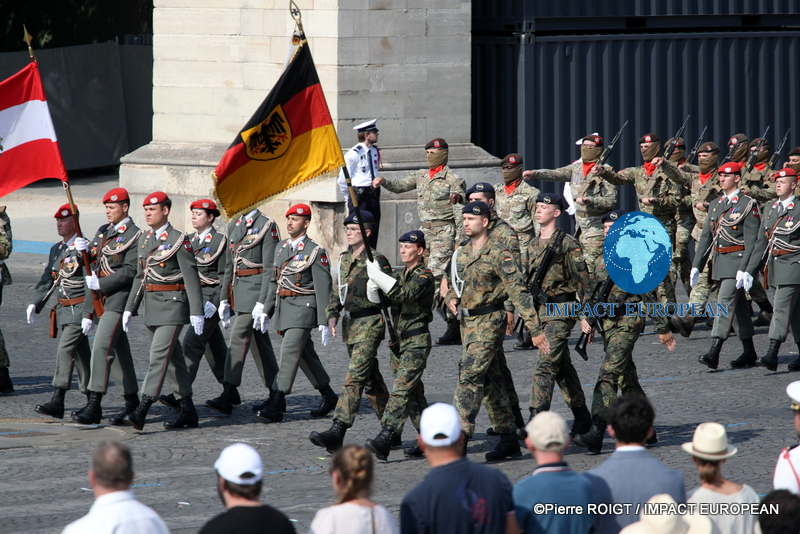
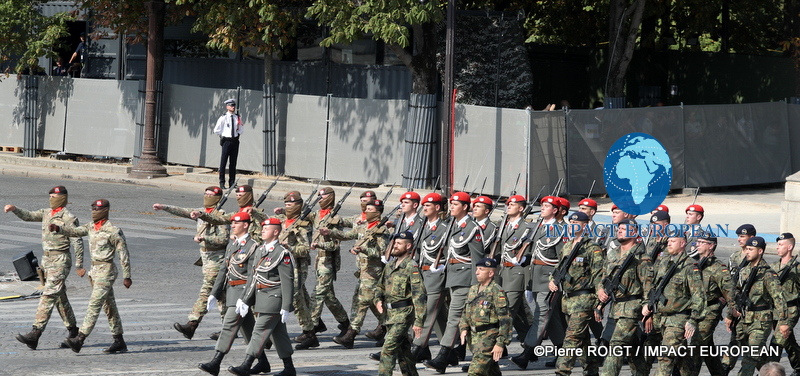
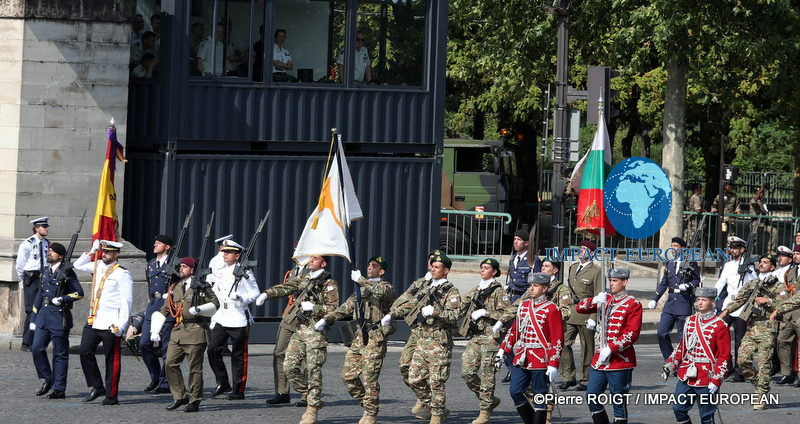
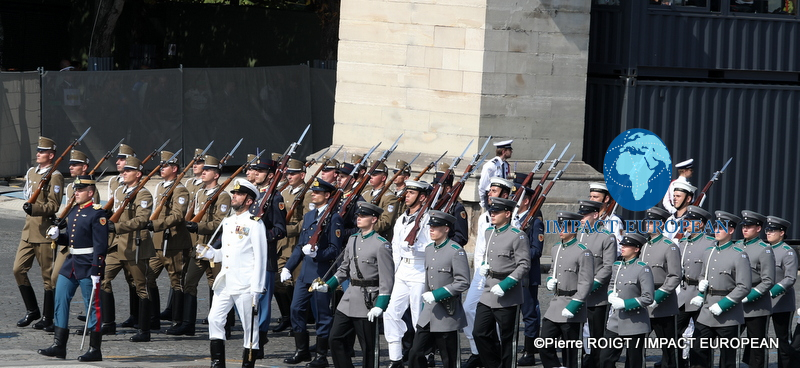
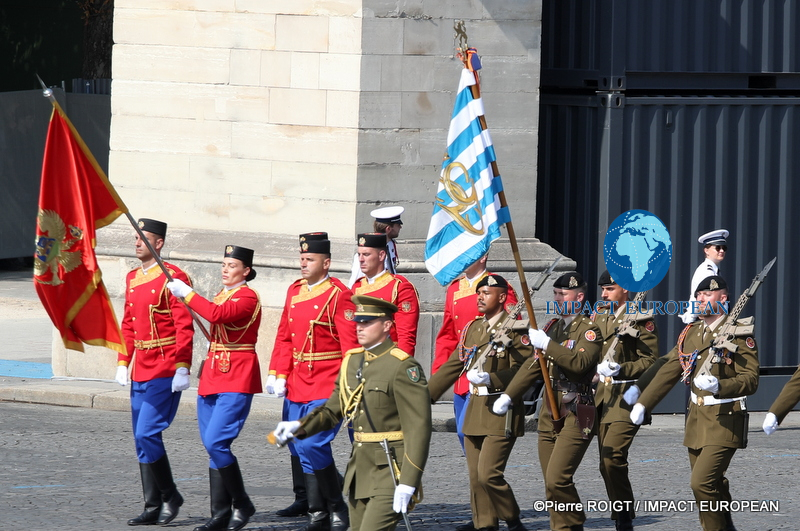
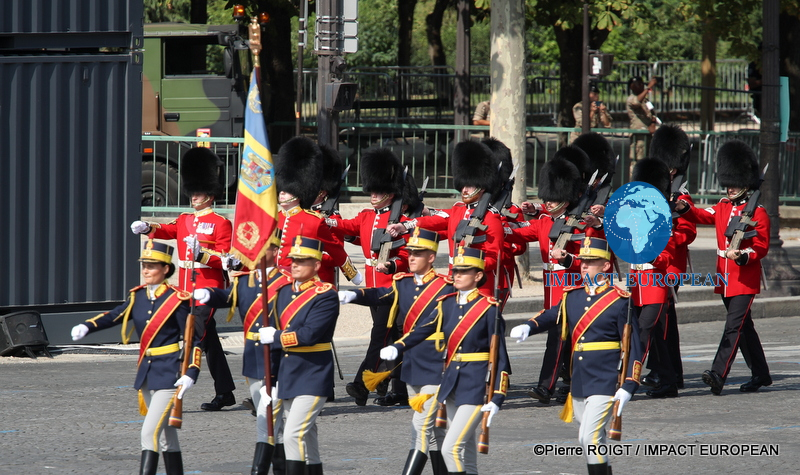
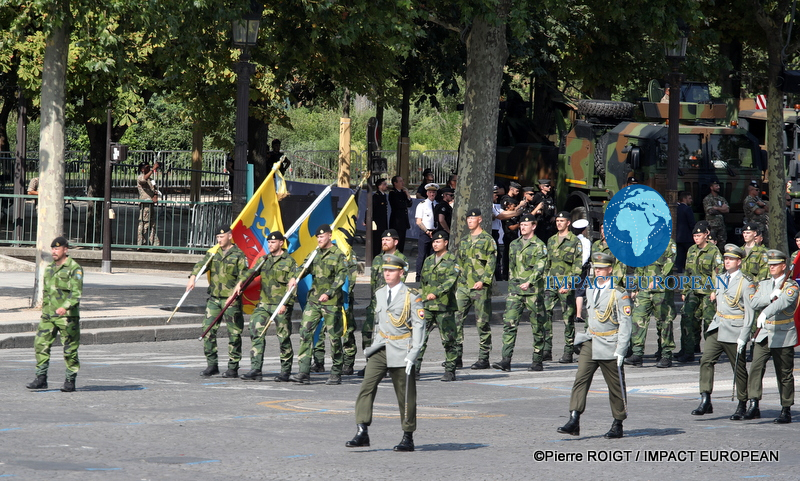
By welcoming military representatives from 36 nations, France highlighted not only its own military capabilities but also the growing importance of European cooperation in defence and security.
A changing security landscape
Europe’s security environment has changed dramatically over recent years.
Russia’s war against Ukraine, instability in several regions bordering Europe, cyber threats, hybrid warfare and increasing geopolitical competition have reshaped defence priorities across the continent.
Governments are investing more heavily in military capabilities, strengthening industrial cooperation and improving interoperability between allied armed forces.
Against this backdrop, the Bastille Day parade became a powerful symbol of Europe’s determination to reinforce its collective security.
The presence of foreign military contingents reflected a shared commitment to stability and cooperation rather than a purely ceremonial invitation.
President Macron places defence at the centre of the ceremony
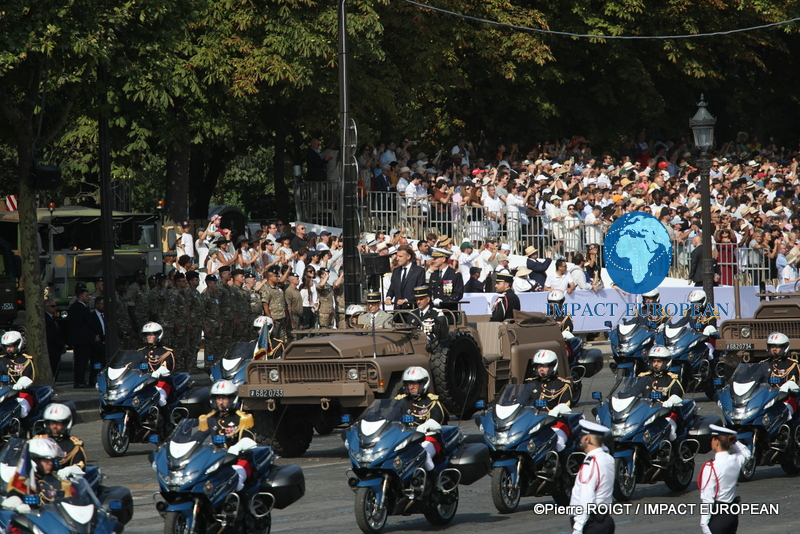
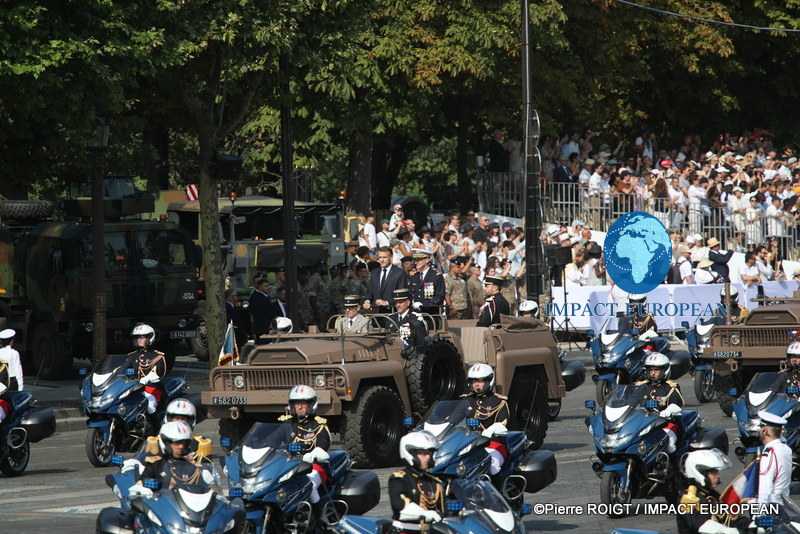
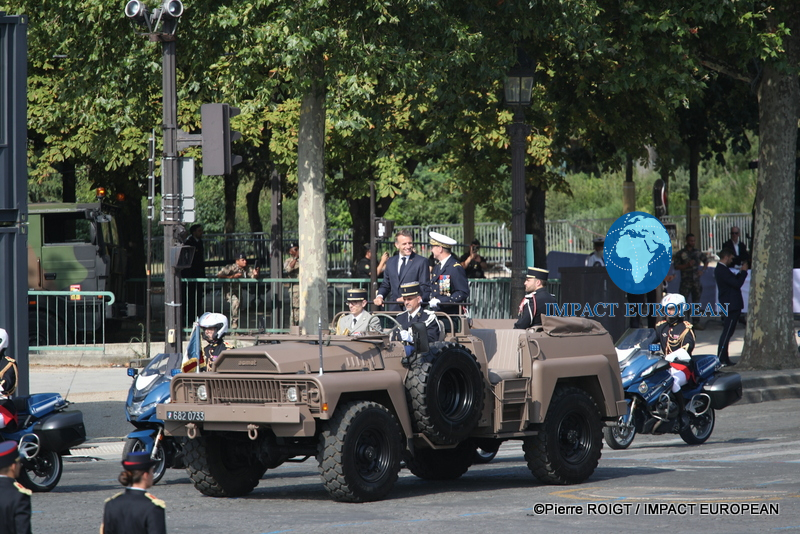
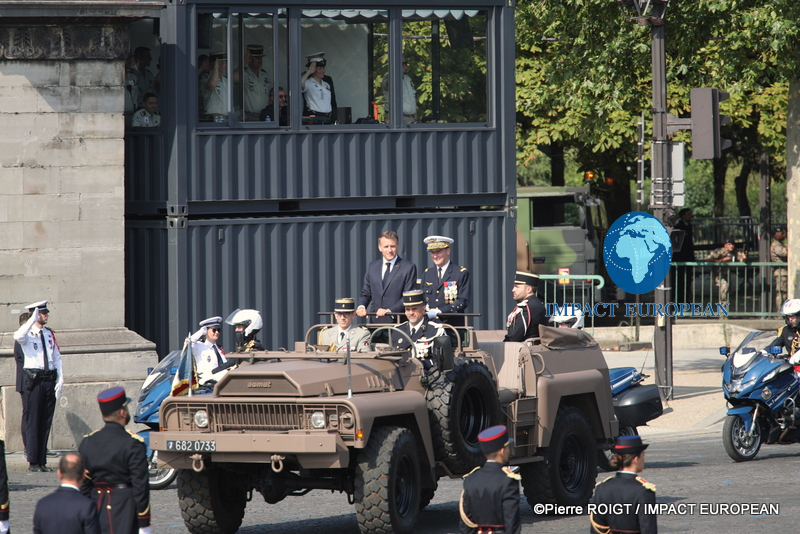
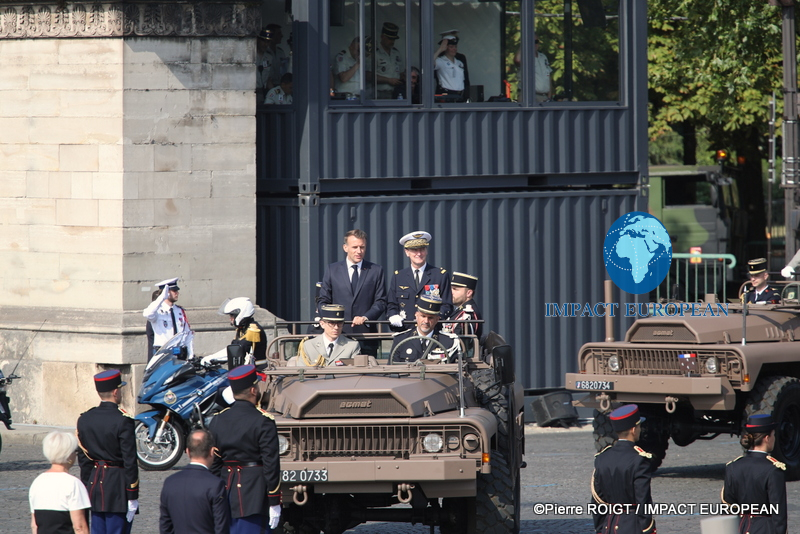
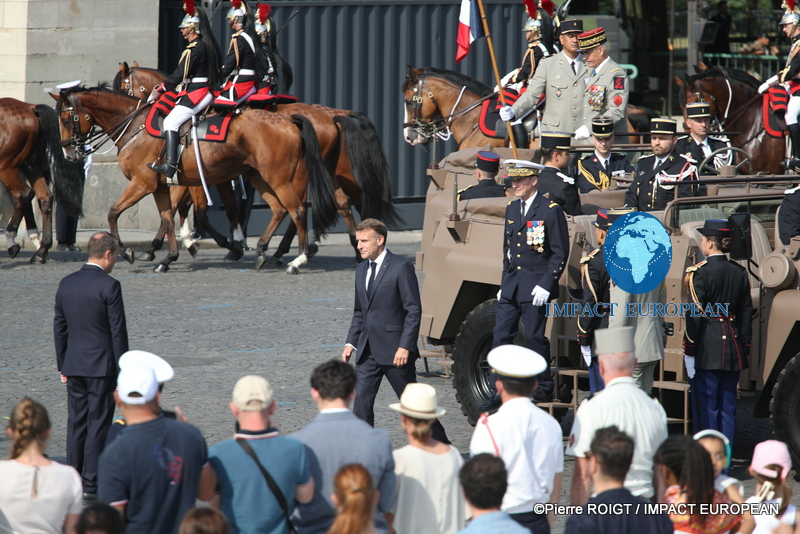
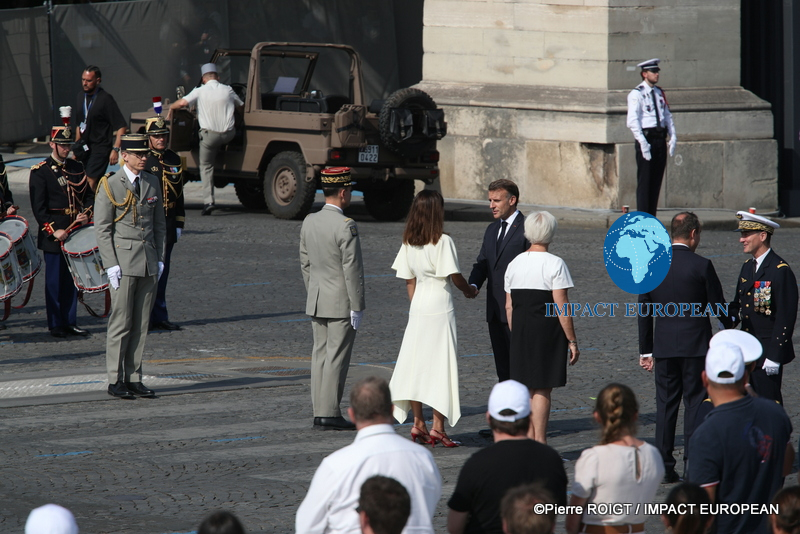
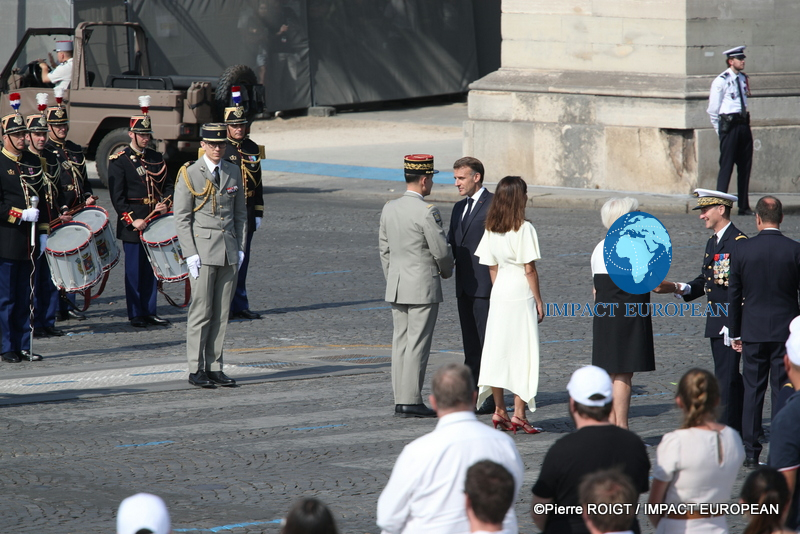
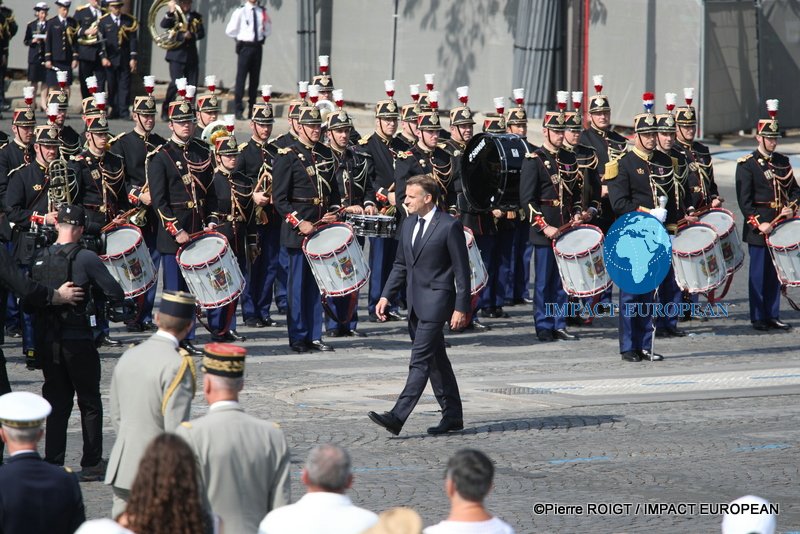
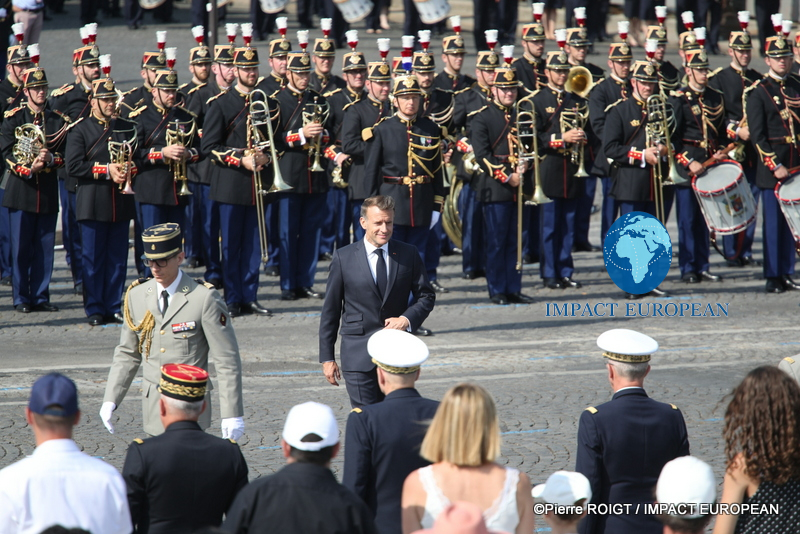
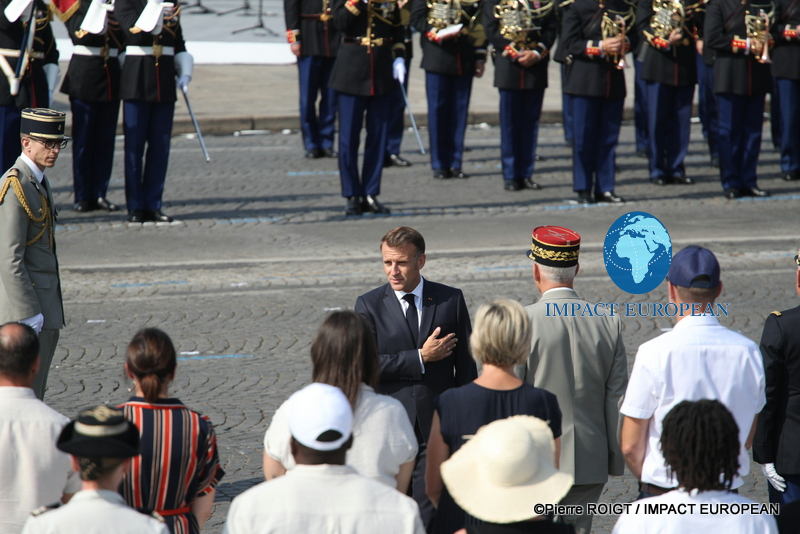
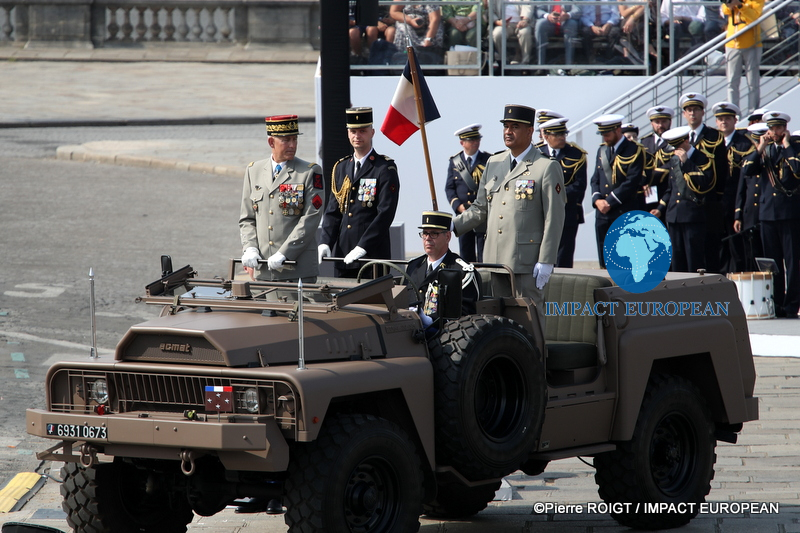
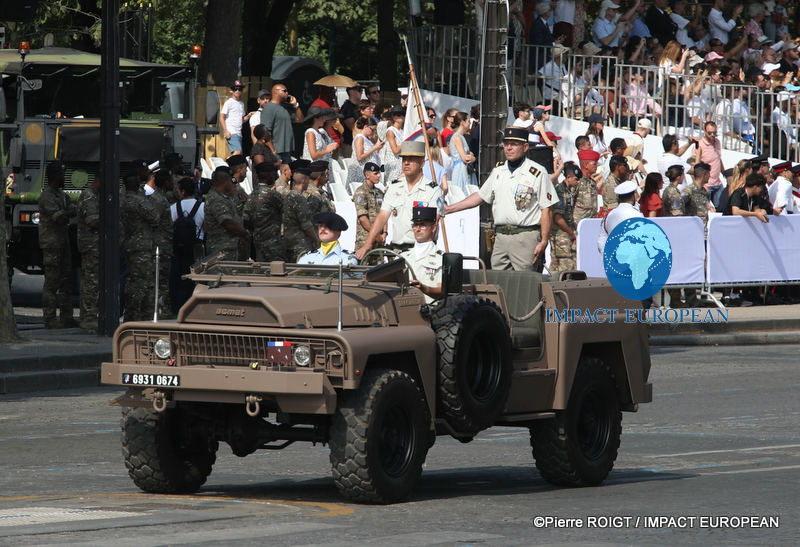
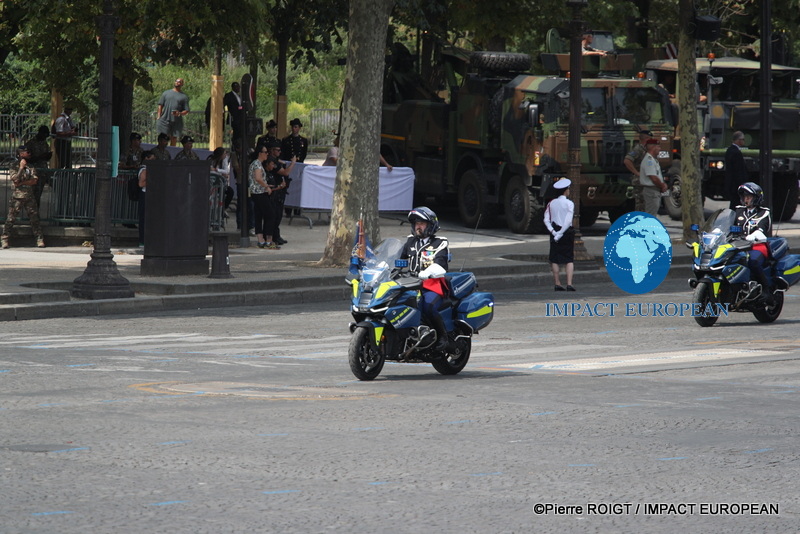
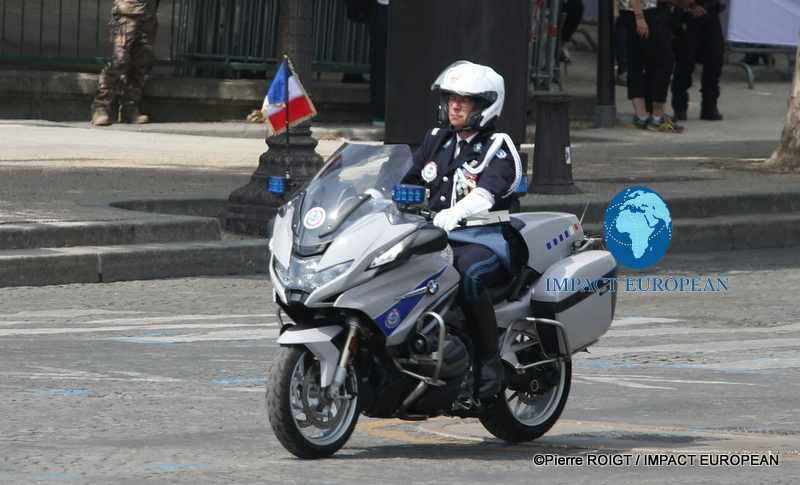
As Commander-in-Chief of the French Armed Forces, President Emmanuel Macron officially opened the parade after reviewing the troops on the Champs-Élysées.
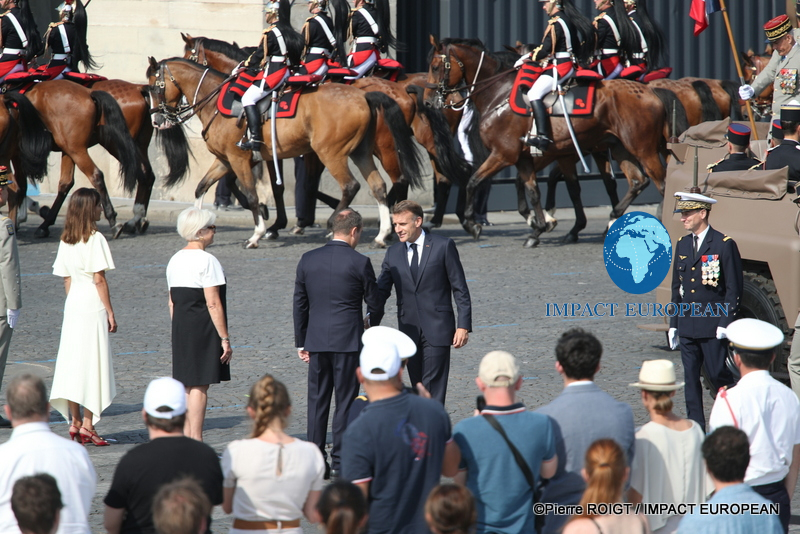
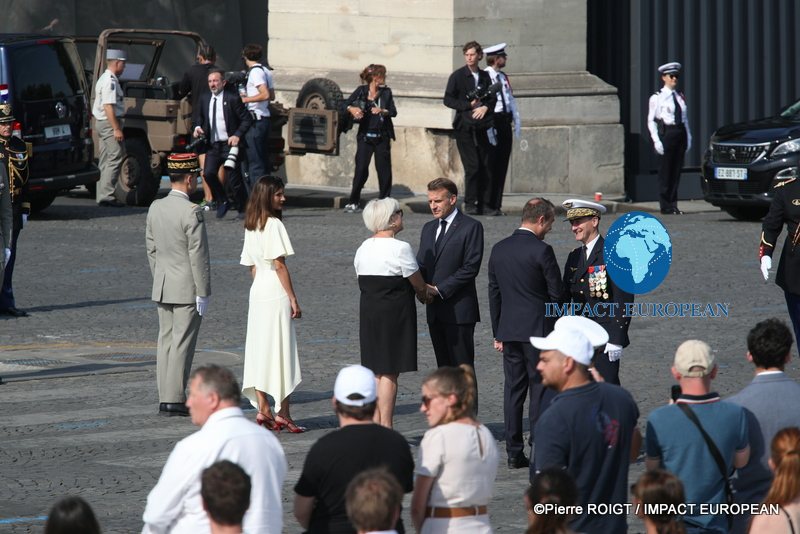
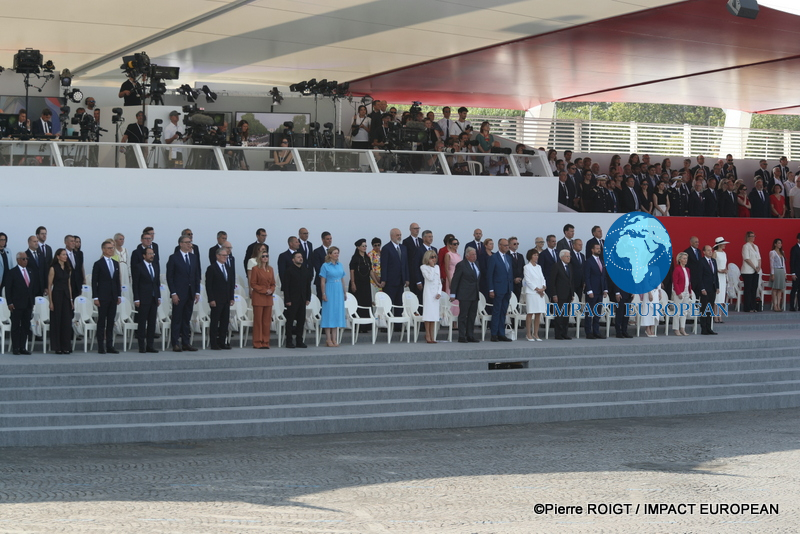
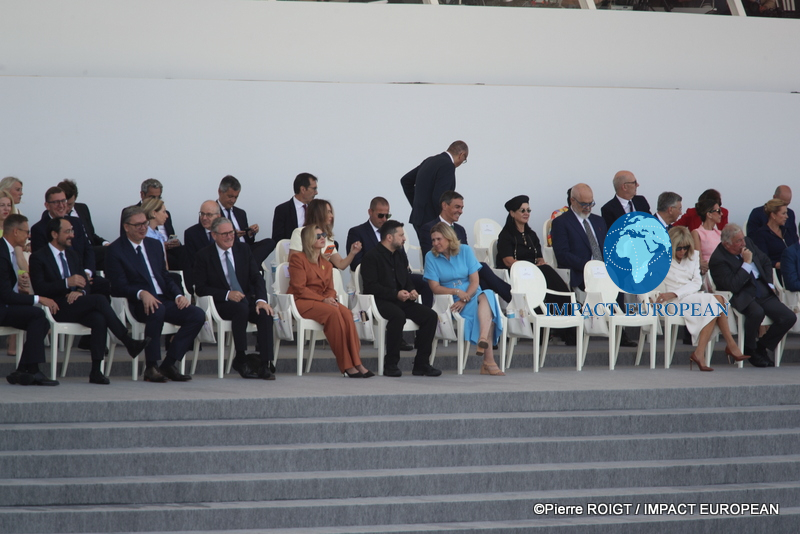
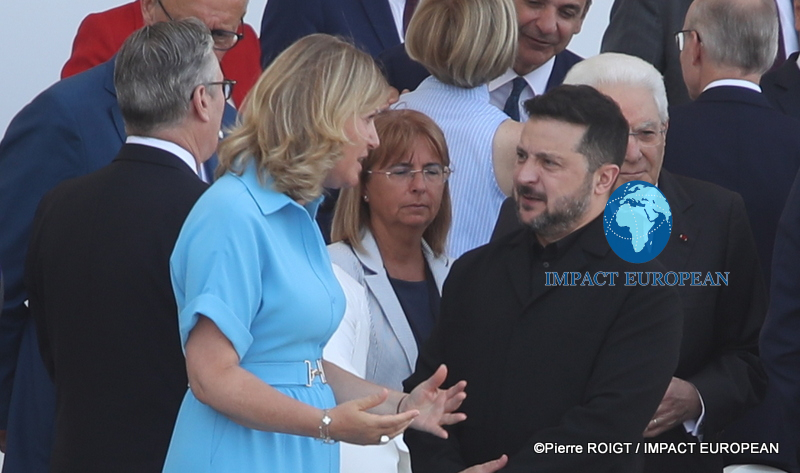
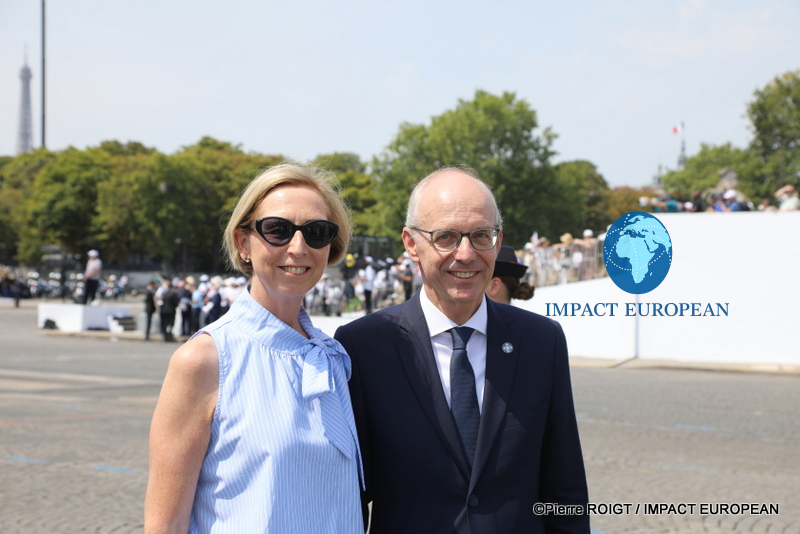
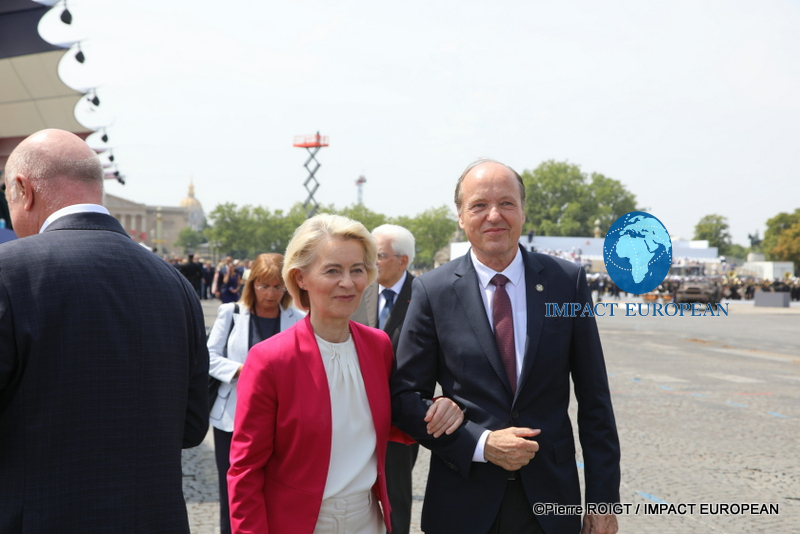
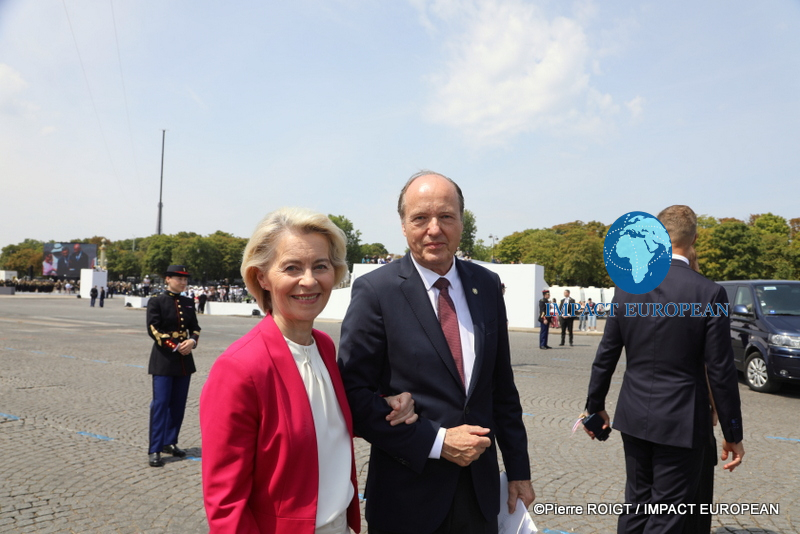
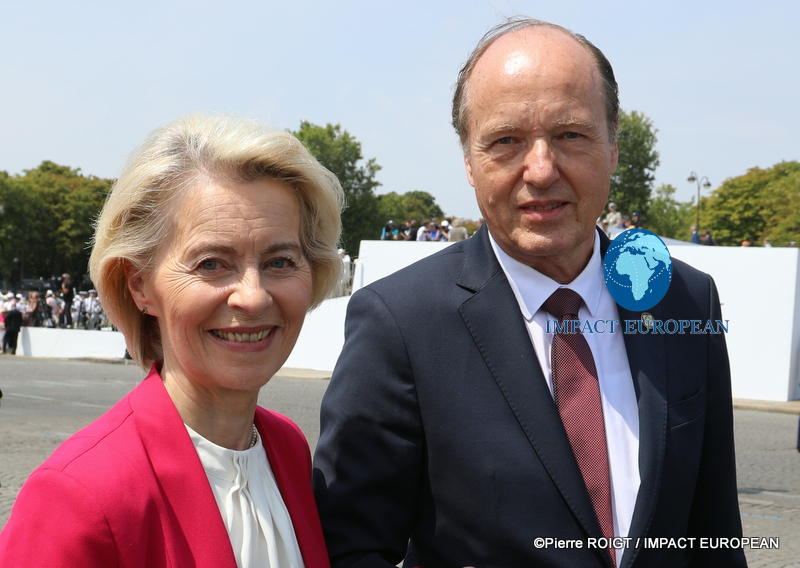
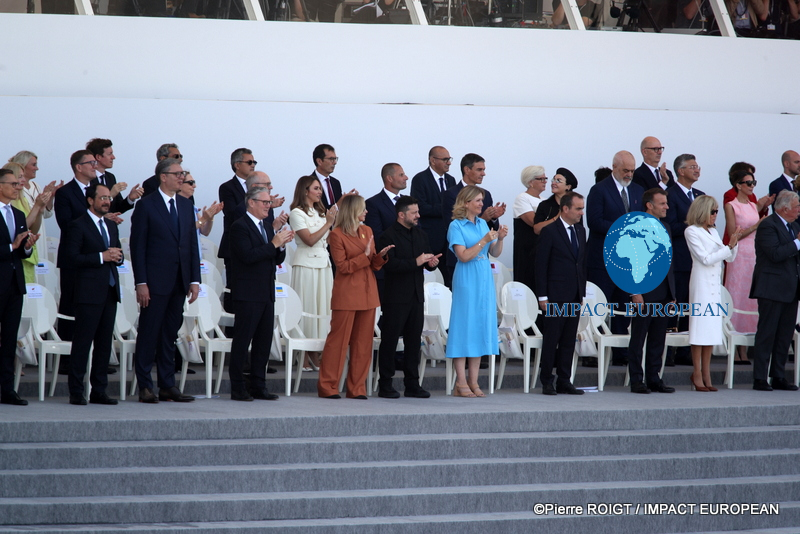
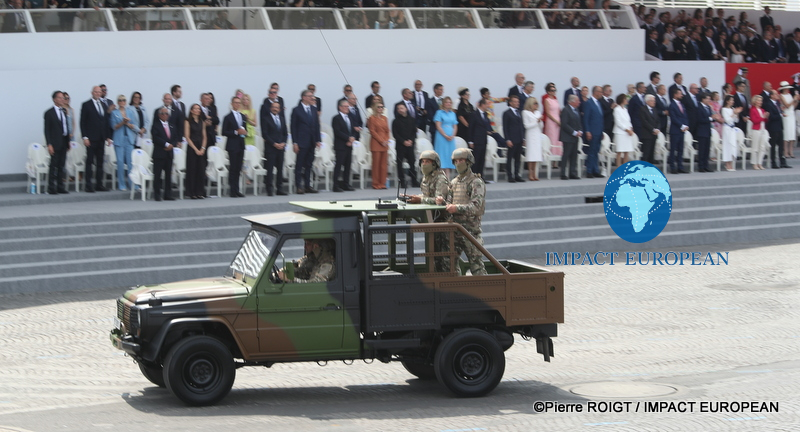
Surrounded by senior military commanders, government officials and international guests, the French President presided over one of the largest Bastille Day ceremonies in recent history.
For Macron, the event carried a strategic significance extending well beyond France’s borders.
Since the beginning of his presidency, he has consistently advocated for stronger European defence capabilities and greater strategic autonomy.
The 2026 parade provided an opportunity to demonstrate how these ambitions are gradually taking shape through closer cooperation between European partners.
Thirty-six nations send a strong diplomatic message
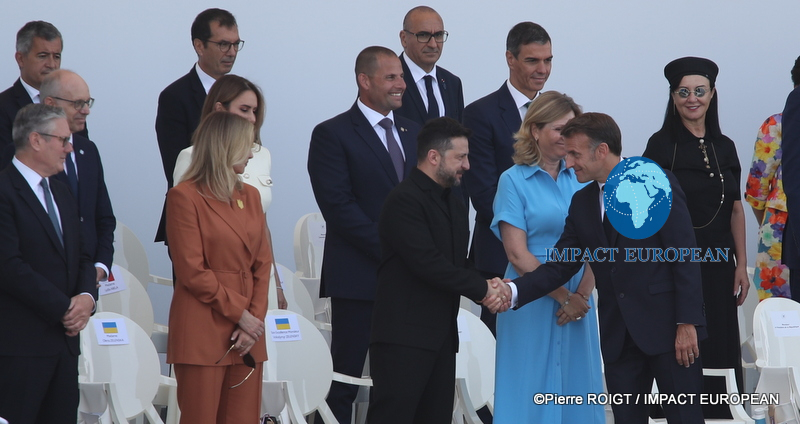
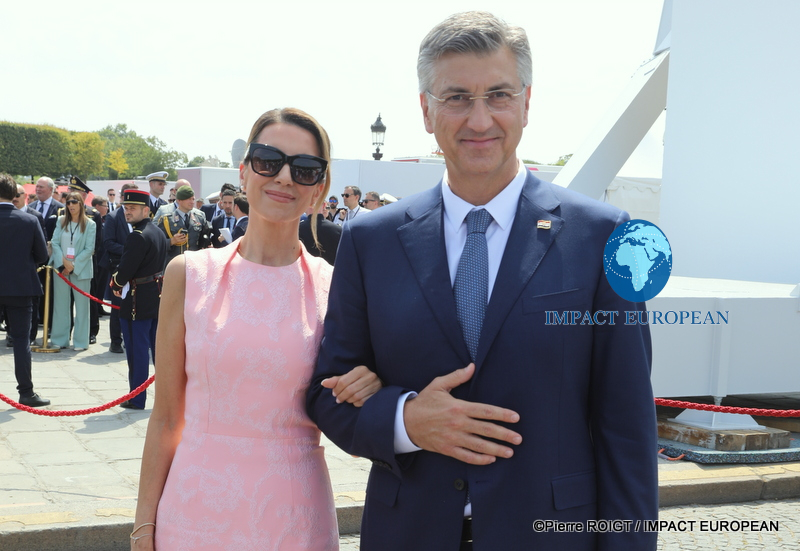
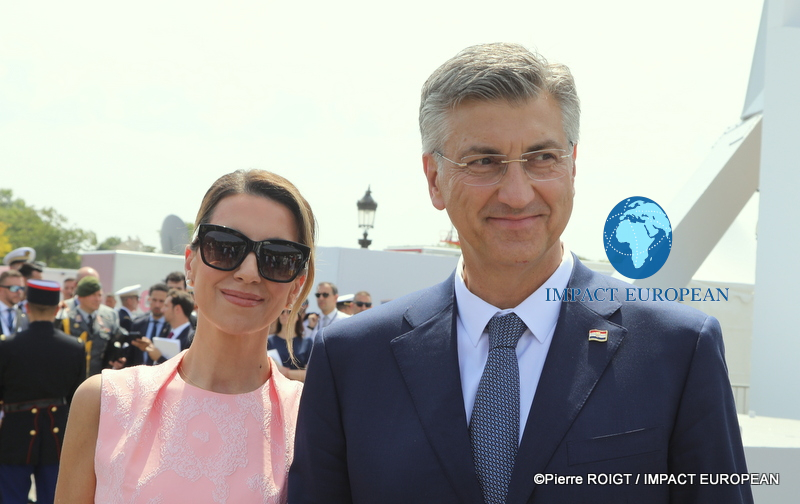
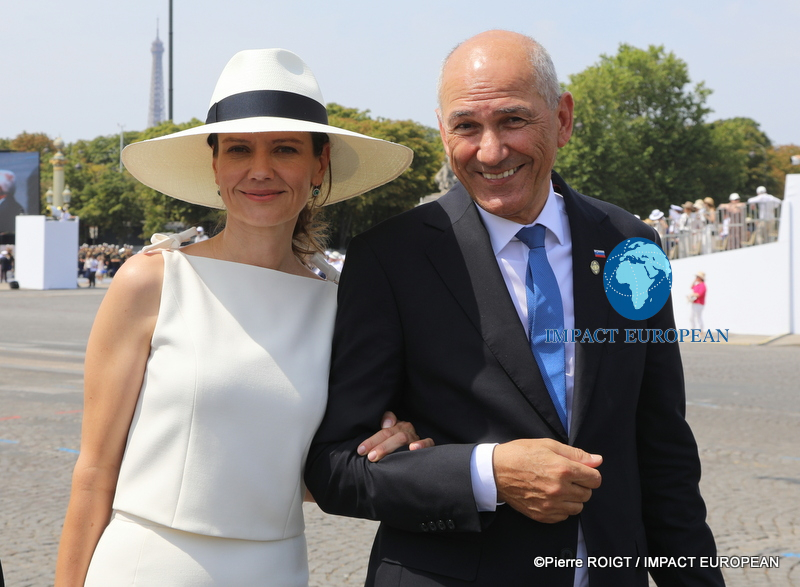
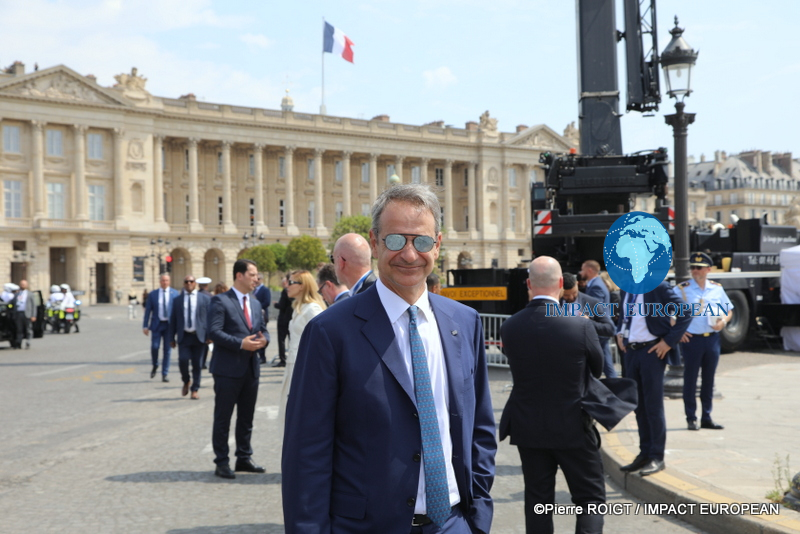
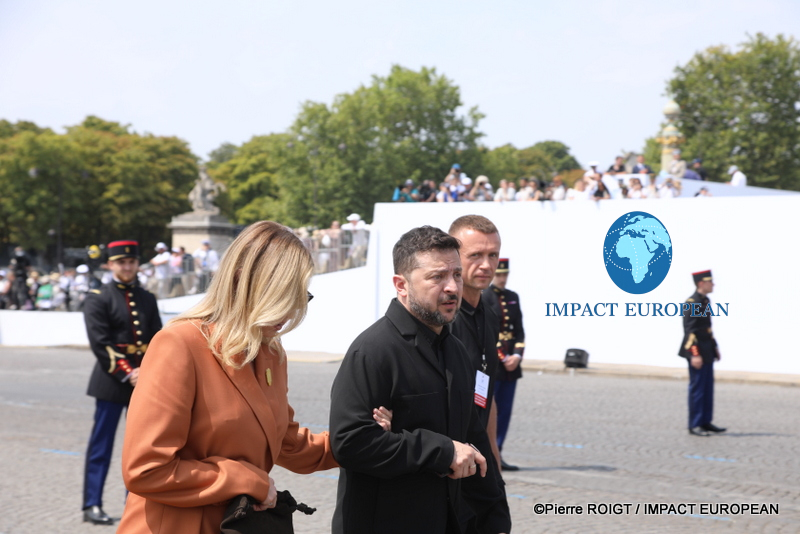
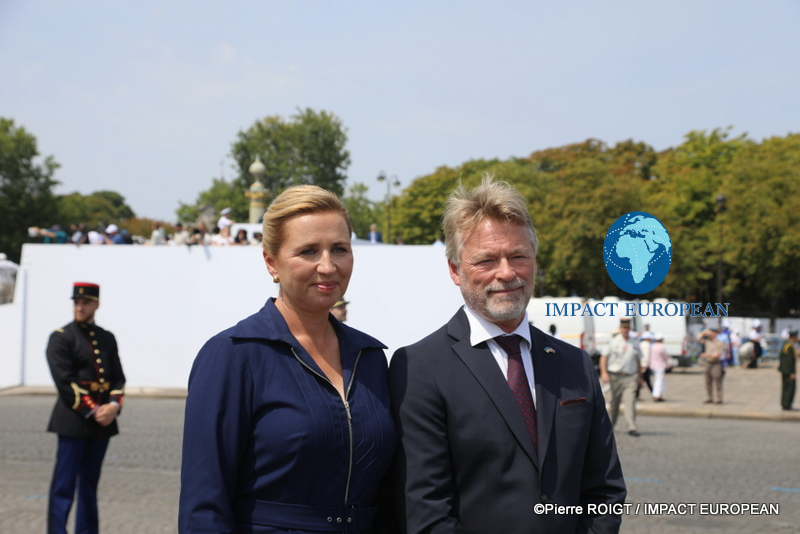
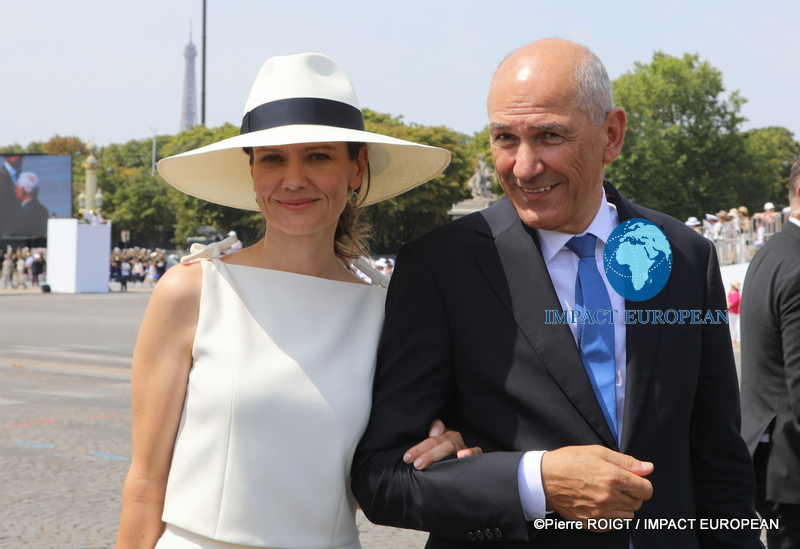
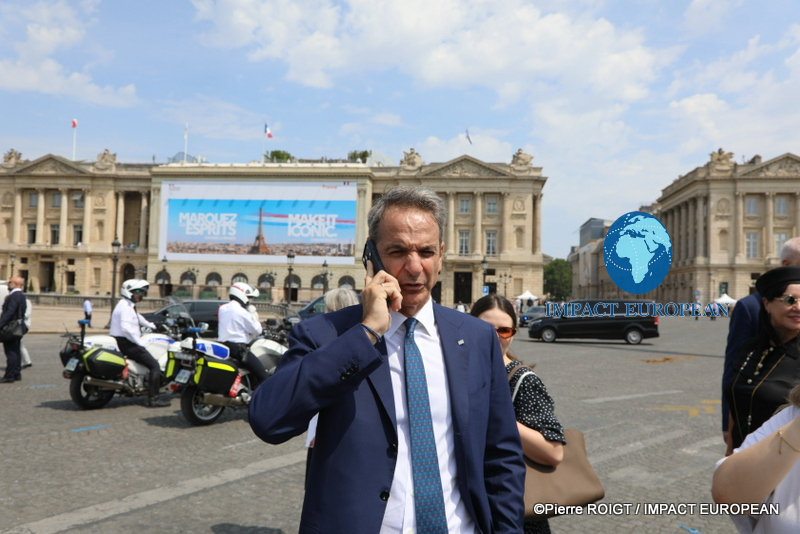
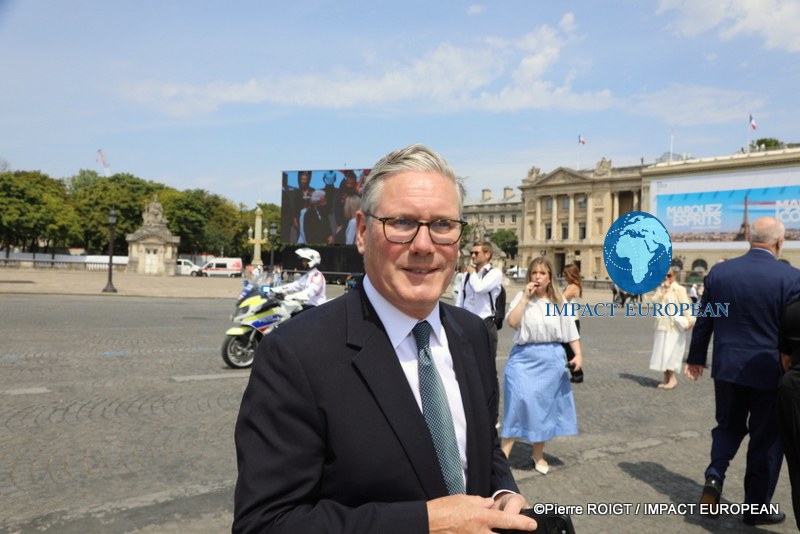
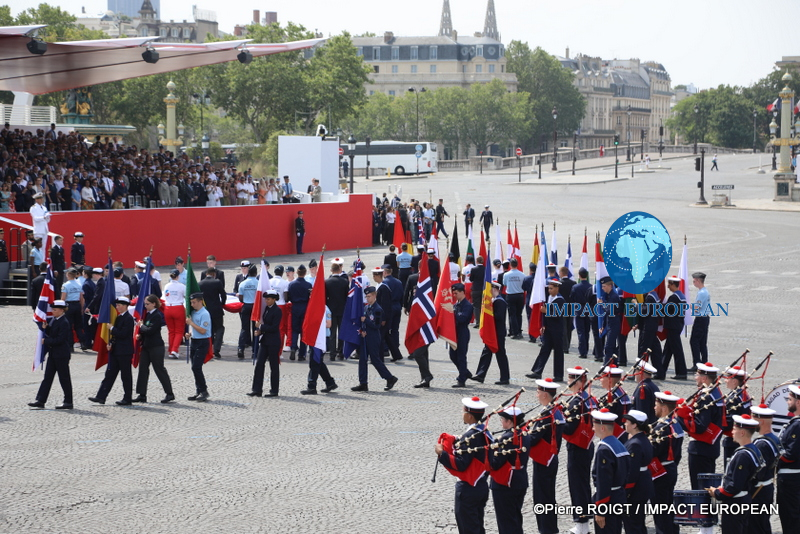
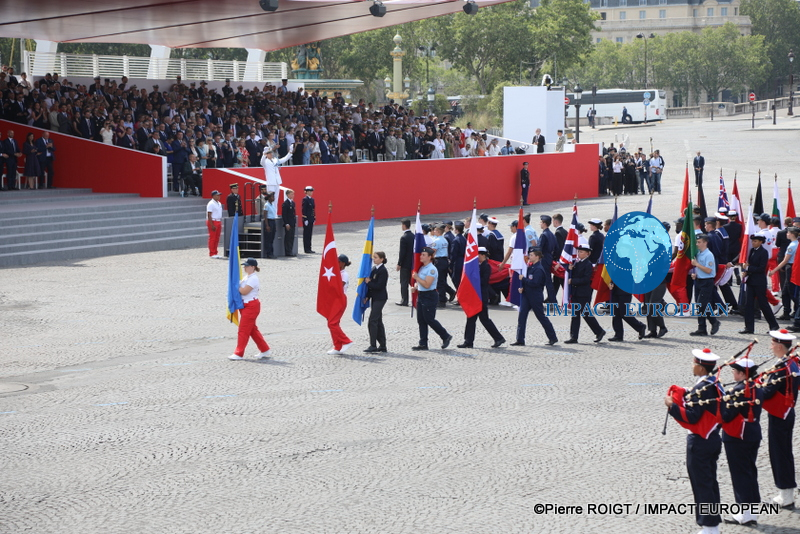
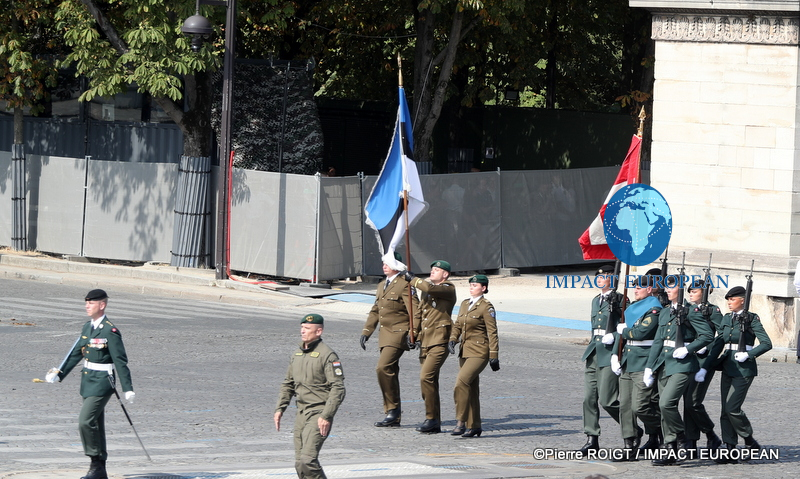
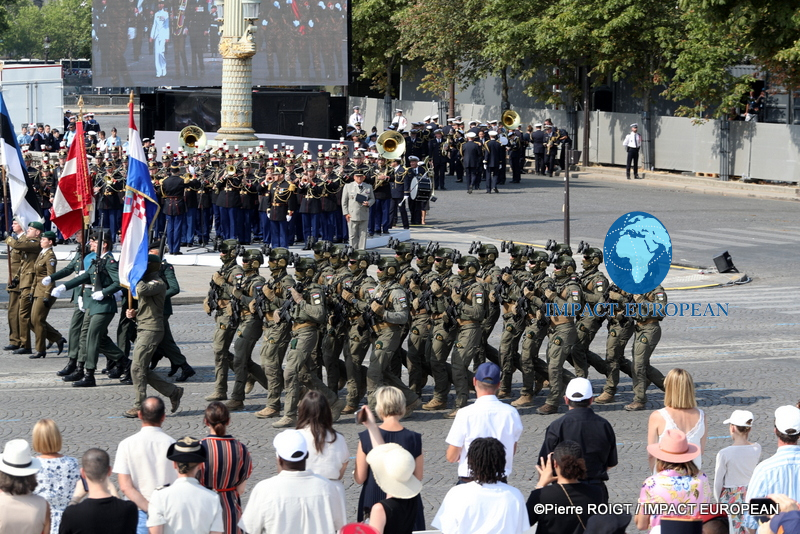
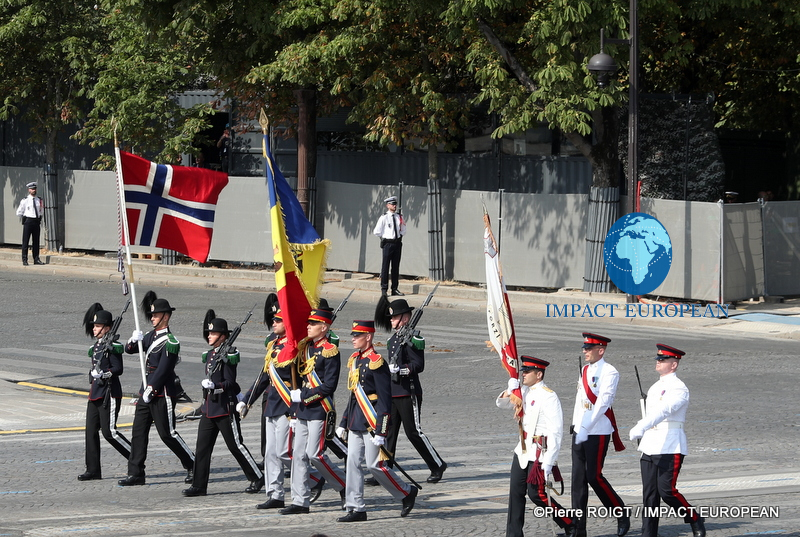
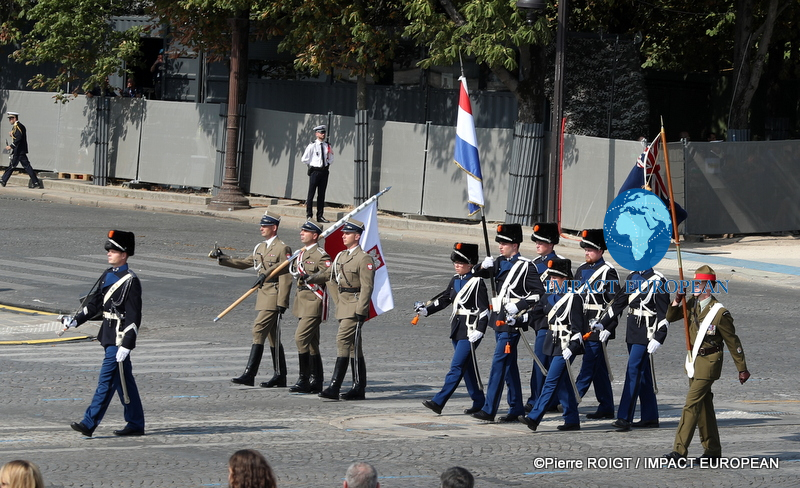
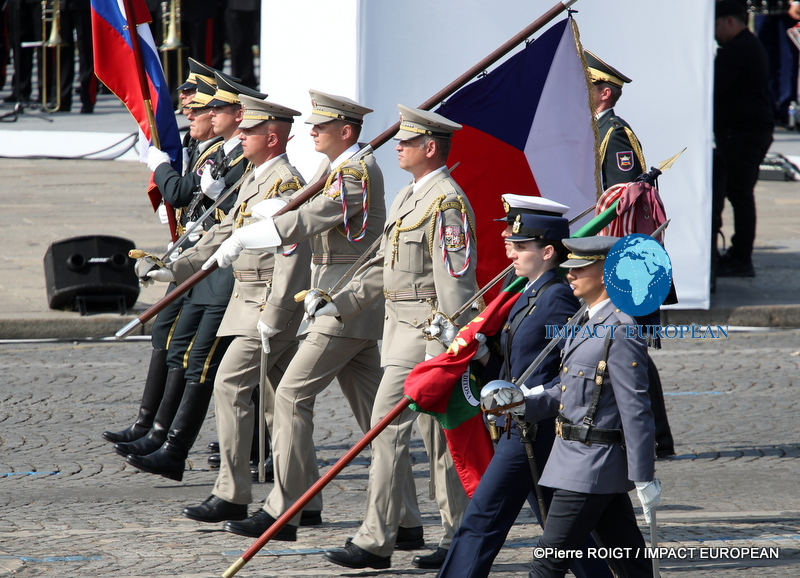
Perhaps the most remarkable feature of this year’s ceremony was the participation of 36 countries, including members of the Coalition of the Willing supporting Ukraine.
Their presence transformed the parade into an international gathering reflecting Europe’s evolving security architecture.
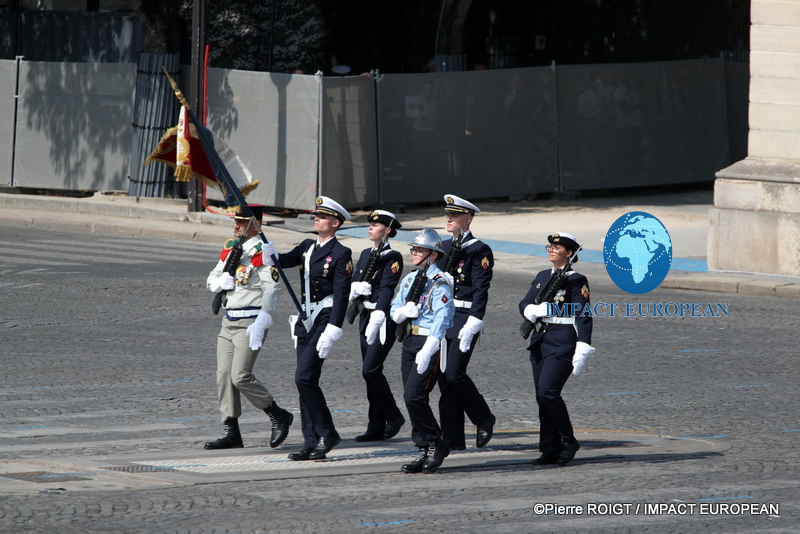
Marching alongside French troops, foreign contingents symbolised solidarity, shared responsibility and a common determination to defend democratic values.
The participation of Ukrainian service members received particularly warm applause from spectators gathered along the Champs-Élysées.
For many observers, this moment illustrated how military ceremonies can also serve as diplomatic platforms, reinforcing political partnerships while sending a message of unity to allies and potential adversaries alike.
More than a national celebration
Although deeply rooted in French history, Bastille Day has increasingly become an event watched by audiences around the world.
Millions of viewers followed the ceremony live, while hundreds of international journalists reported from Paris.
Images of the Arc de Triomphe, the Champs-Élysées and the French Armed Forces once again projected France’s military professionalism and organisational expertise onto the global stage.
At the same time, the event showcased Paris as one of the world’s leading capitals for major diplomatic and international gatherings.
France showcases military modernisation and operational readiness
Beyond the ceremonial traditions, the 2026 Bastille Day Parade offered one of the clearest demonstrations of how the French Armed Forces have evolved in response to today’s increasingly complex security environment.
For international observers, the event was not simply a military parade but a carefully orchestrated presentation of France’s operational capabilities, technological innovation and ability to act alongside European and NATO partners.
The ceremony illustrated a military designed not only to defend national territory but also to respond rapidly to international crises, humanitarian emergencies and collective defence missions.
The skies above Paris deliver the first strategic message
As always, the parade began in spectacular fashion.
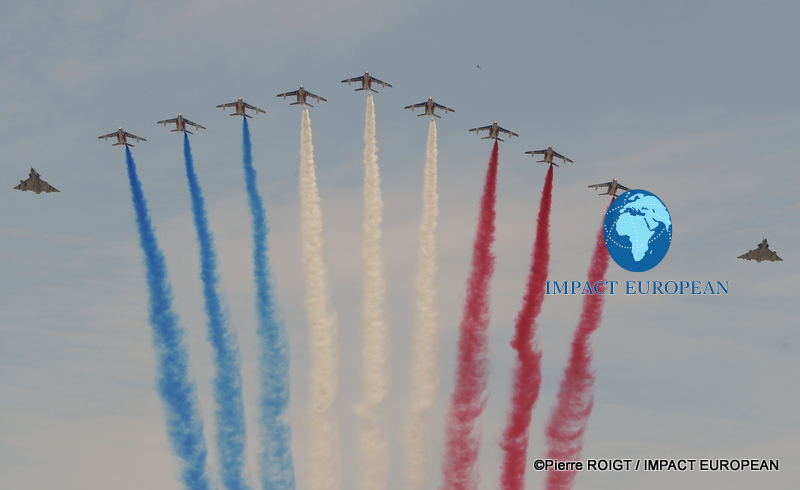
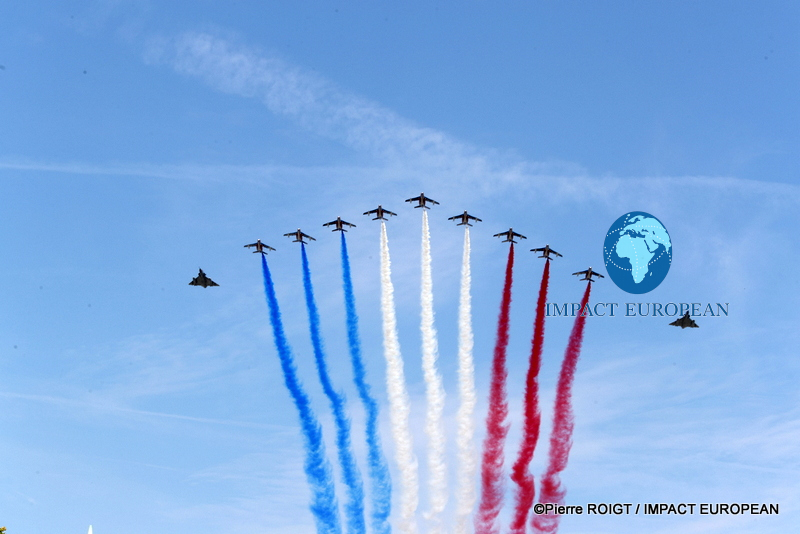
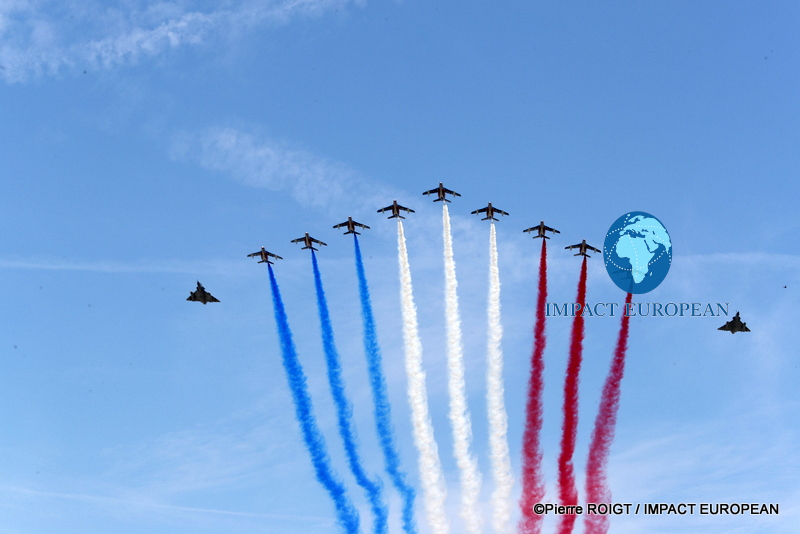
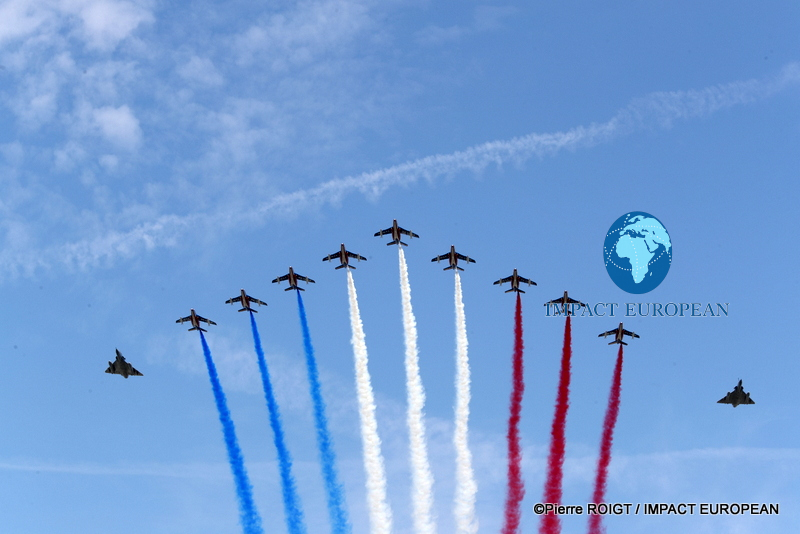
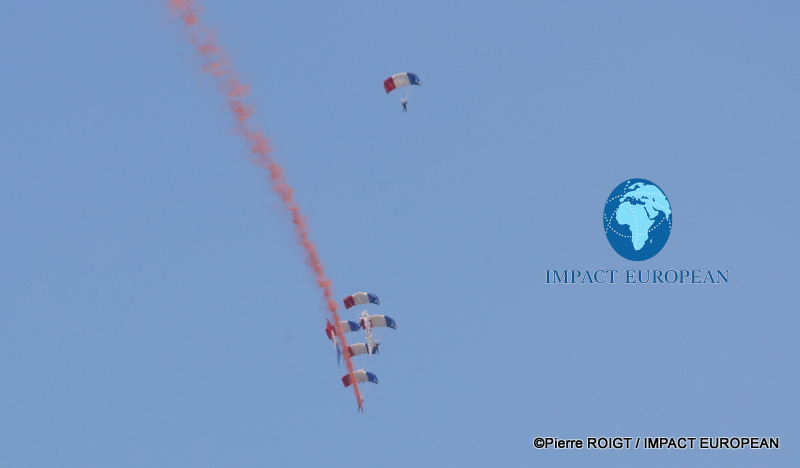
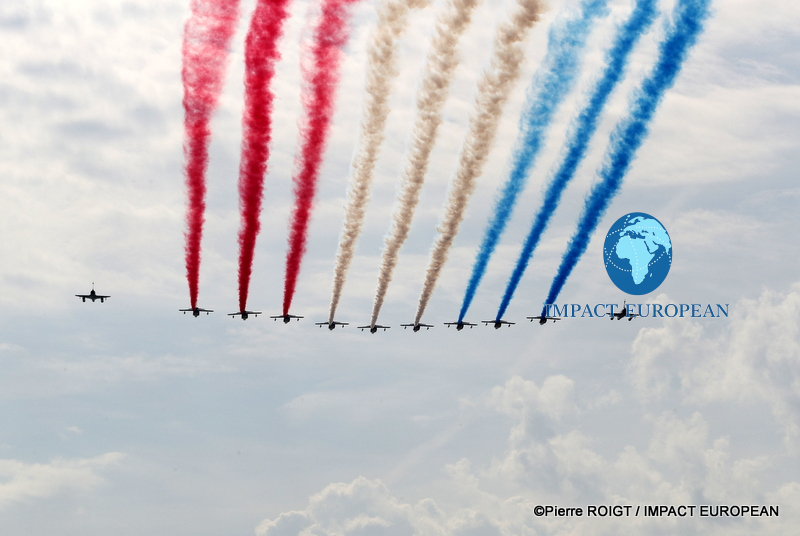
The Patrouille de France, flying its iconic Alpha Jets, crossed the skies above the Champs-Élysées, painting the French national colours over Paris.
For thousands of spectators, it was one of the most emotional moments of the day.
For defence specialists, however, the aerial display represented something more significant.
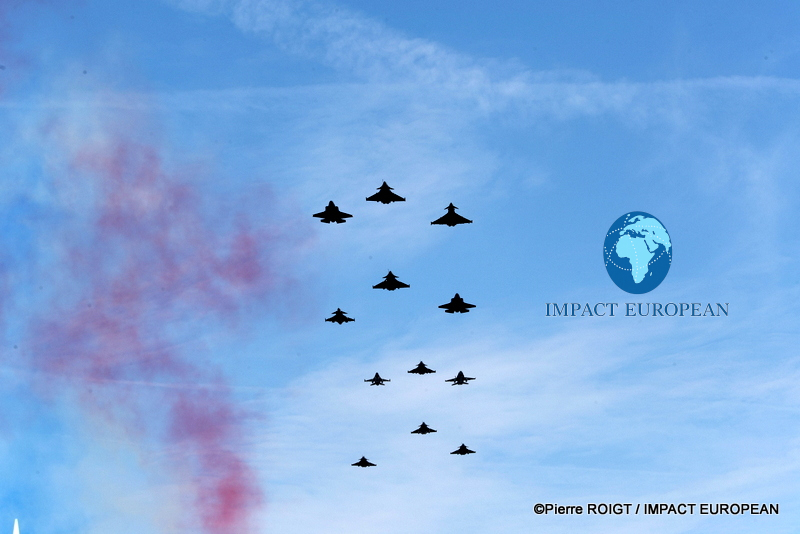
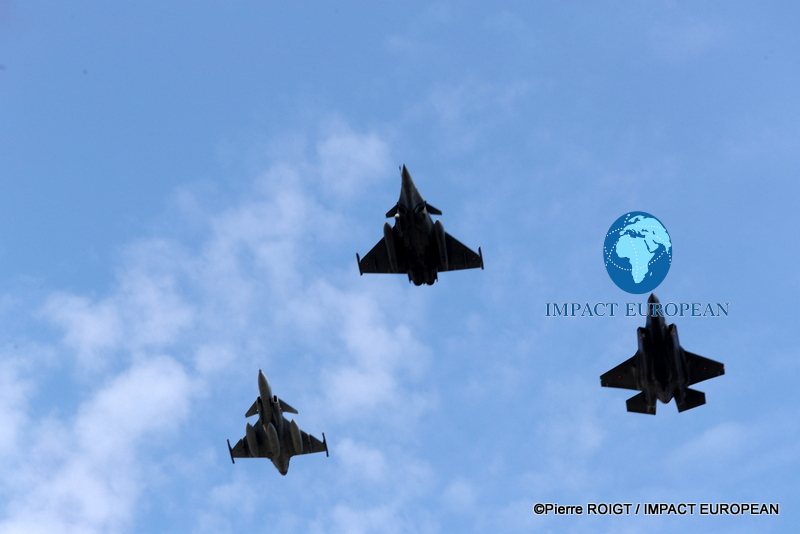
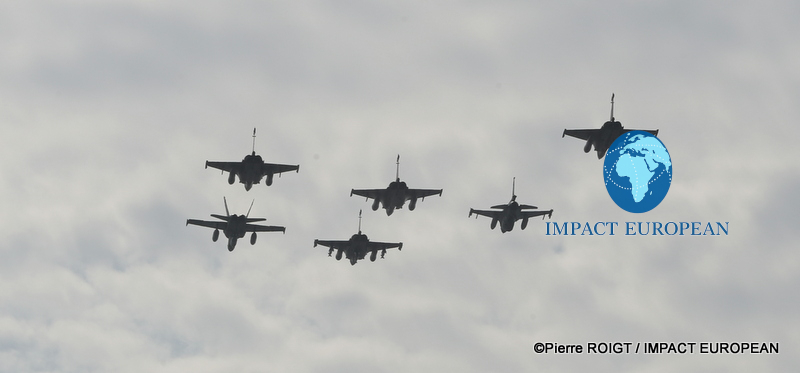
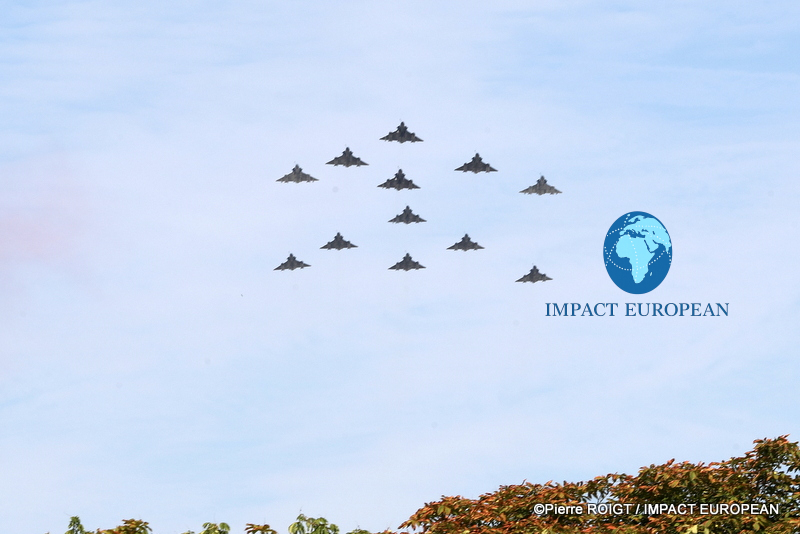
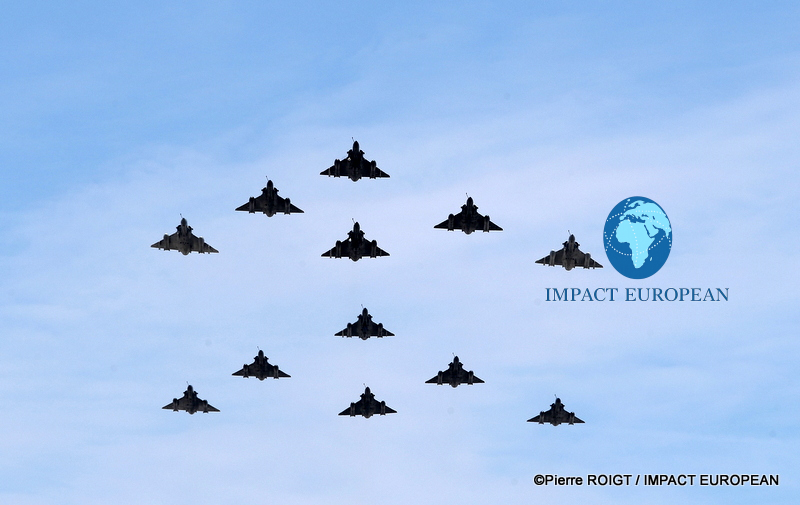
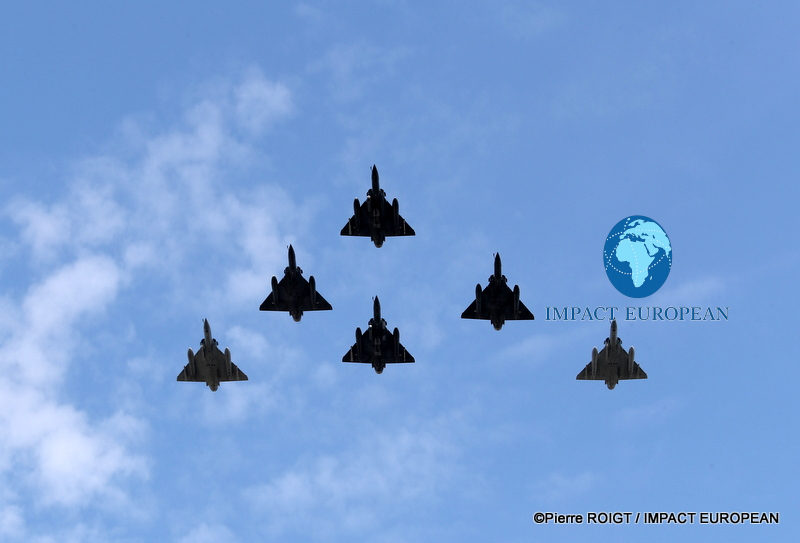
Behind the aerobatic team came formations of Rafale fighter aircraft, the backbone of France’s combat aviation and one of Europe’s most successful defence exports.
The aircraft symbolise France’s commitment to maintaining high-end combat capabilities while strengthening cooperation with European allies operating the same platform.
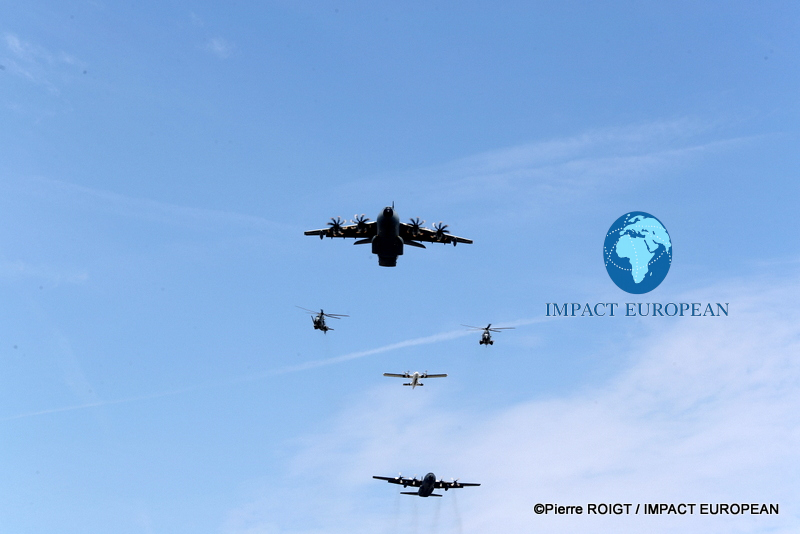
Heavy transport aircraft, including the A400M Atlas, demonstrated France’s ability to deploy troops and equipment rapidly across long distances.
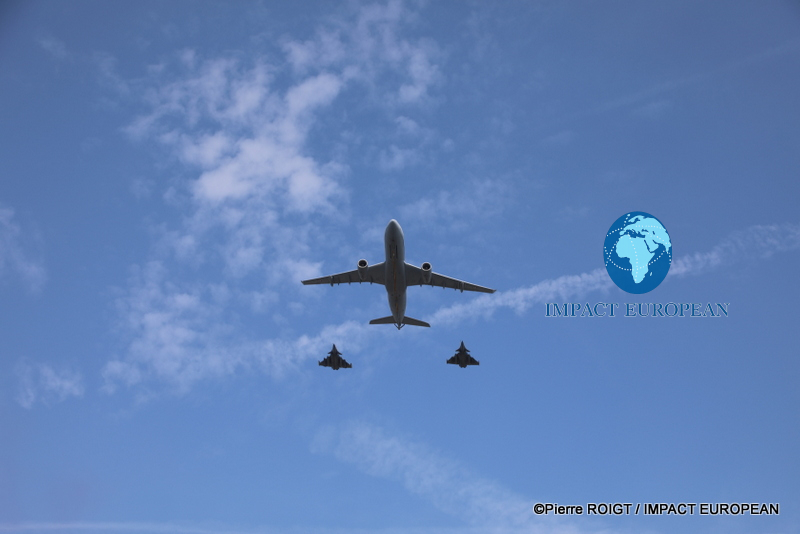
The participation of A330 MRTT Phénix aerial refuelling aircraft highlighted another essential capability: sustaining long-range operations without relying exclusively on allied logistical support.
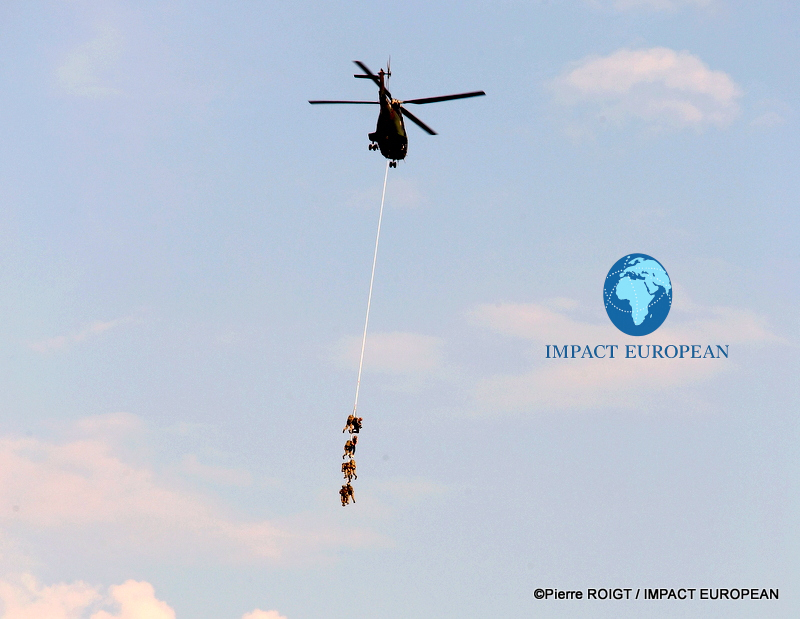
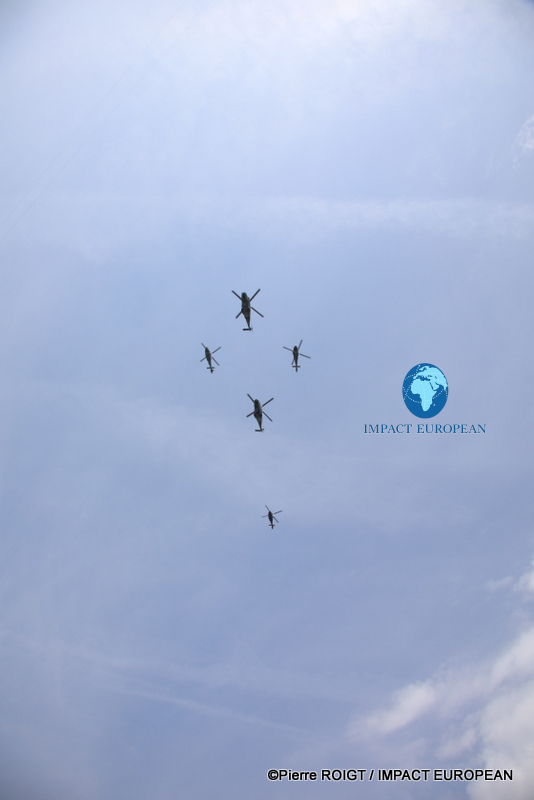
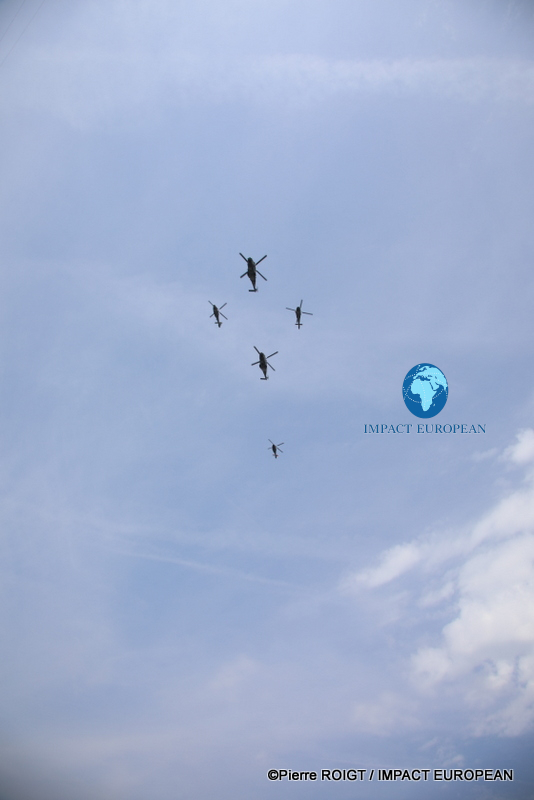
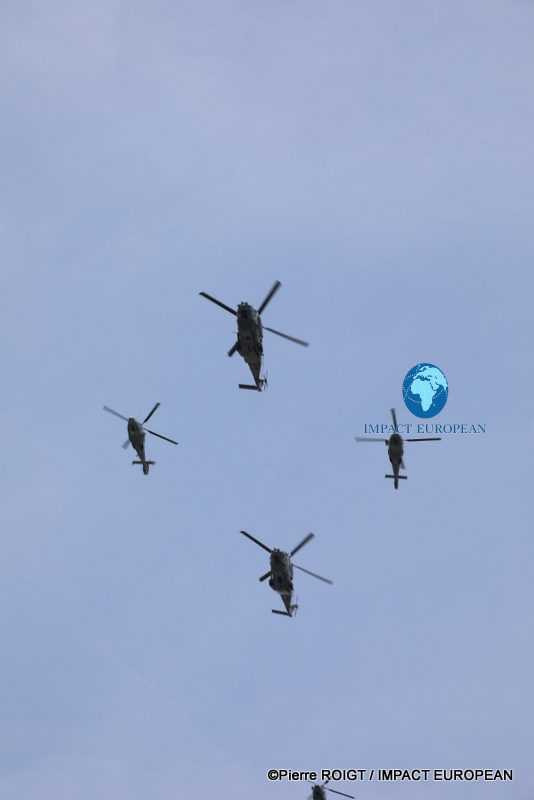
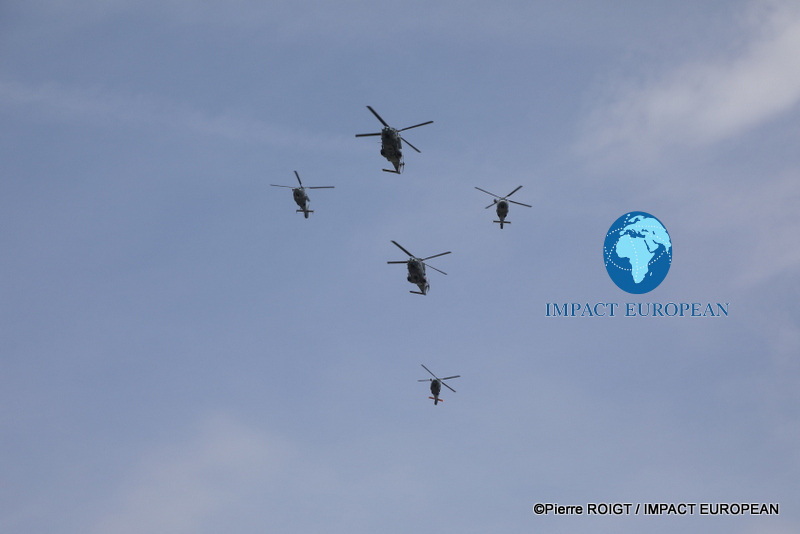
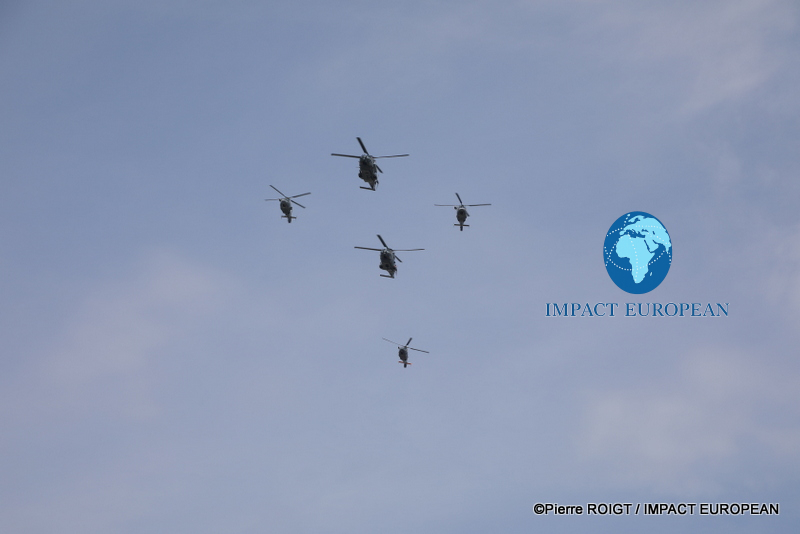
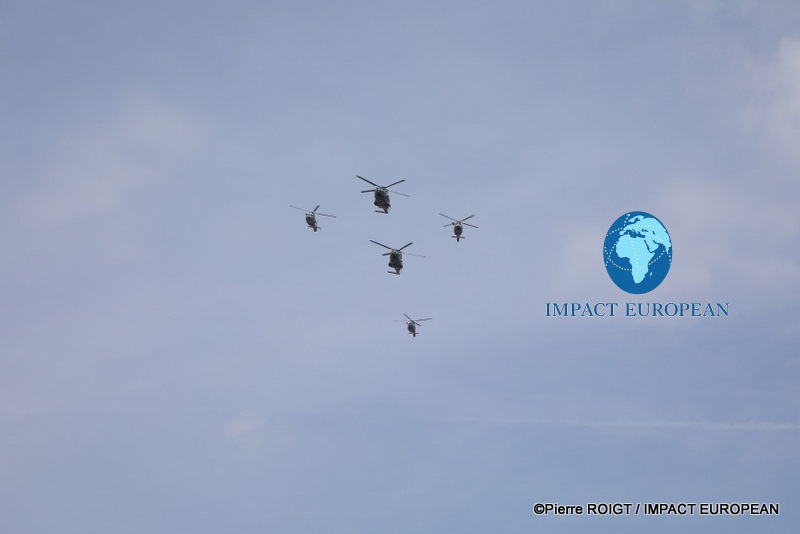
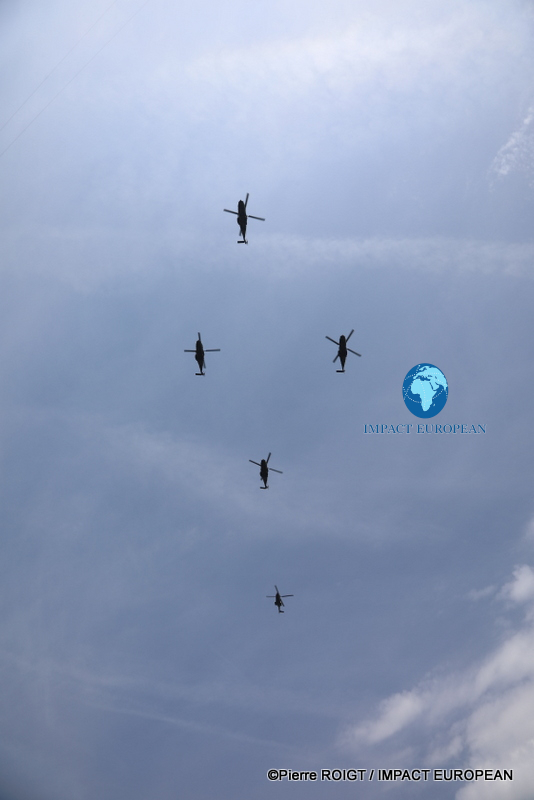
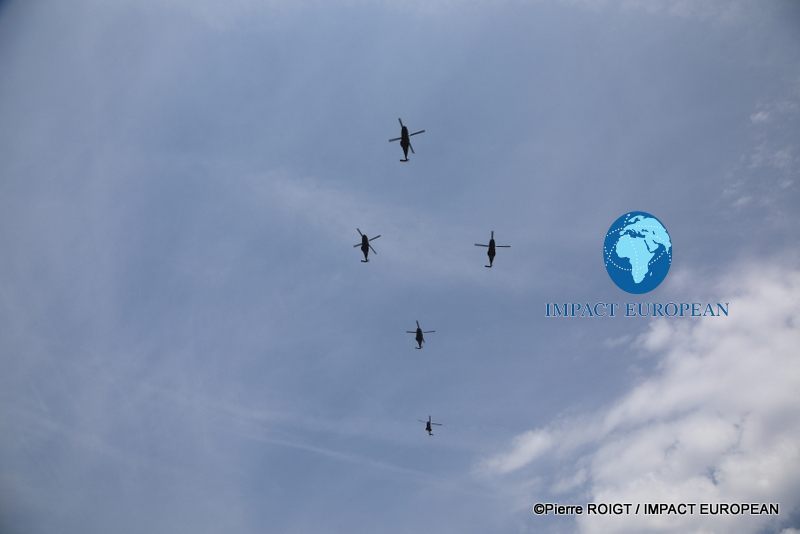
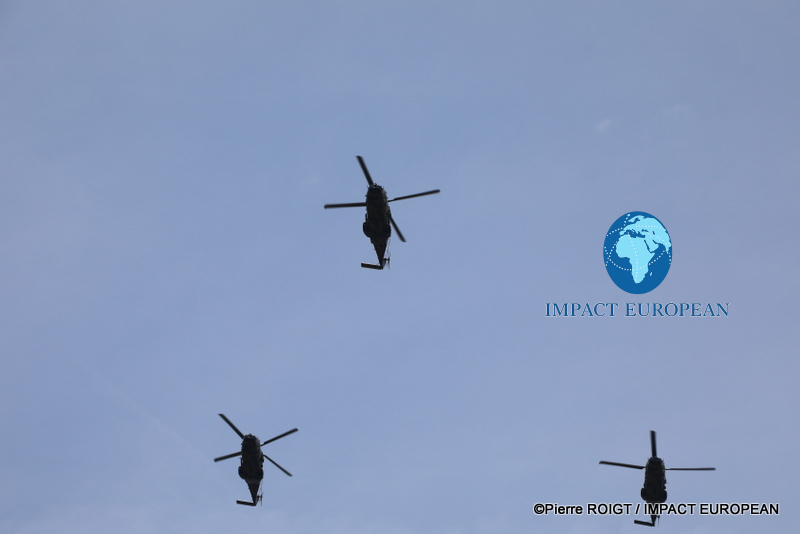
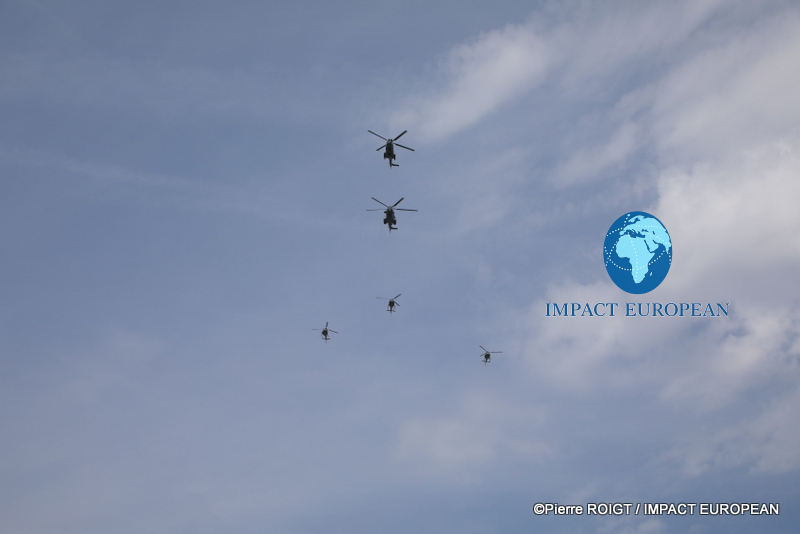
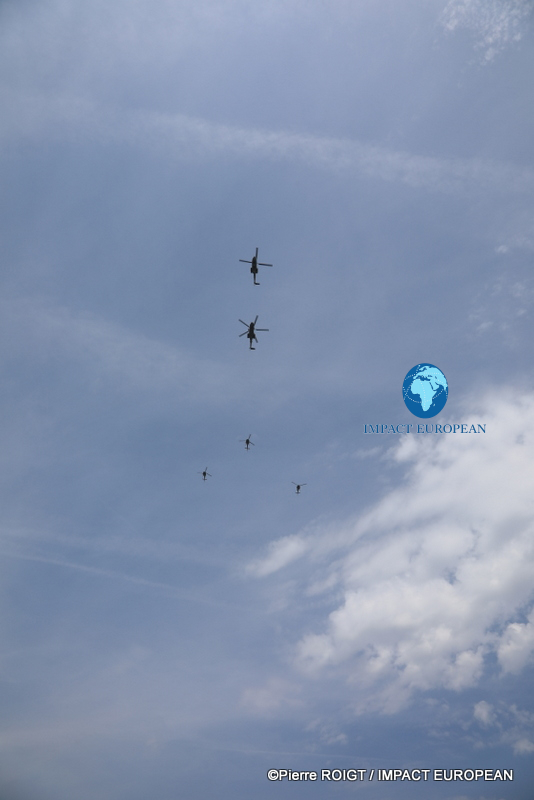
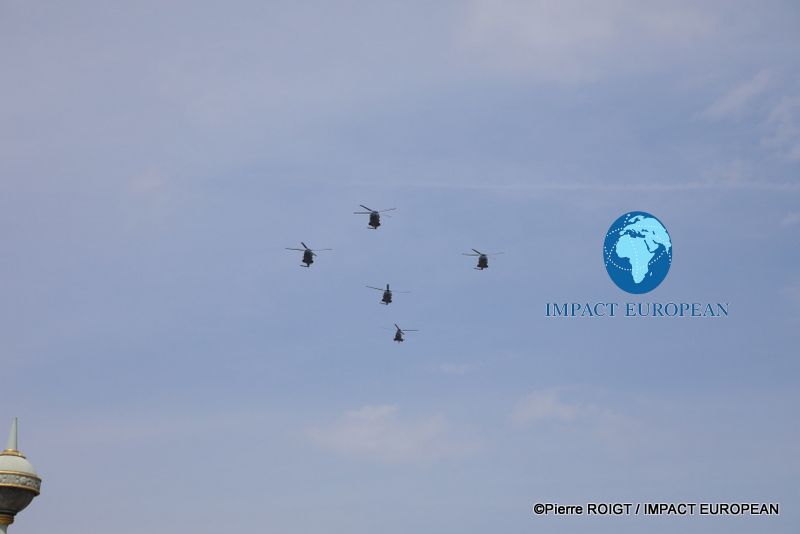
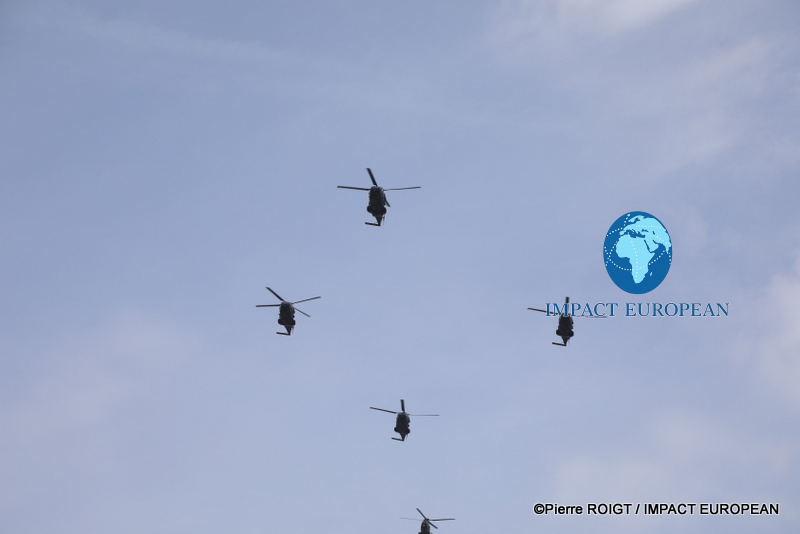
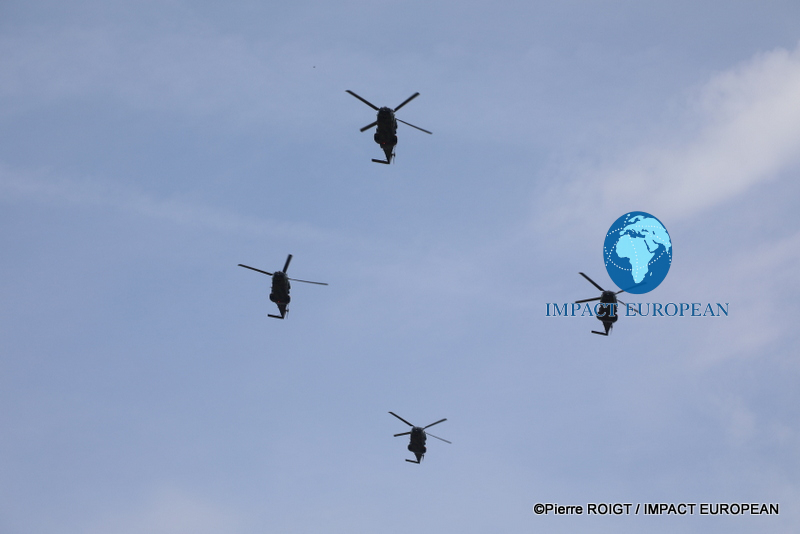
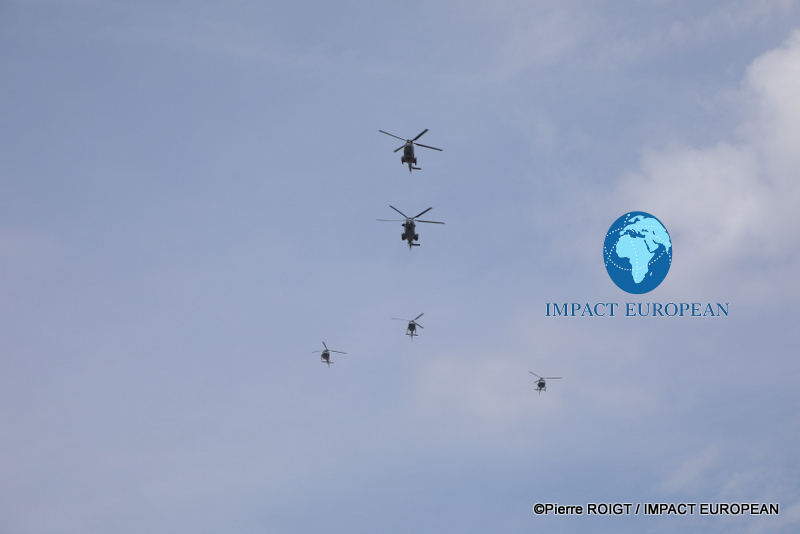
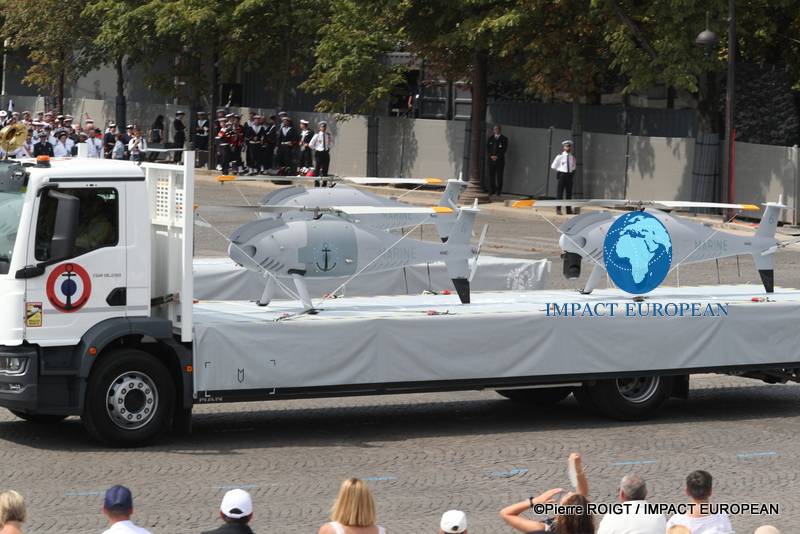
Helicopters from the Army, Navy, Gendarmerie and Civil Security completed the aerial display, reflecting the wide range of missions carried out daily by French forces, from combat operations to disaster relief.
Ground forces reflect the transformation of modern warfare
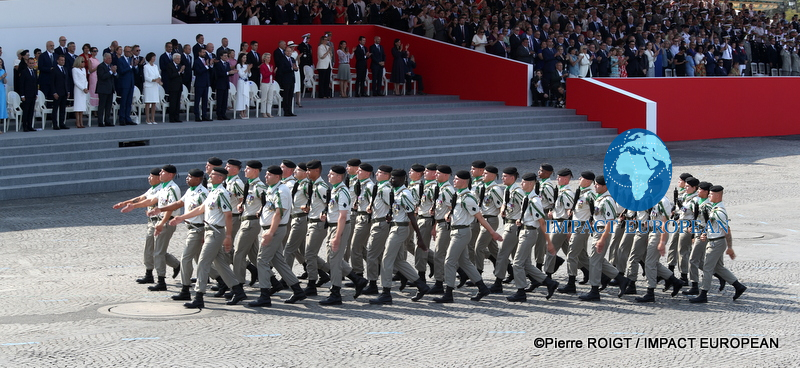
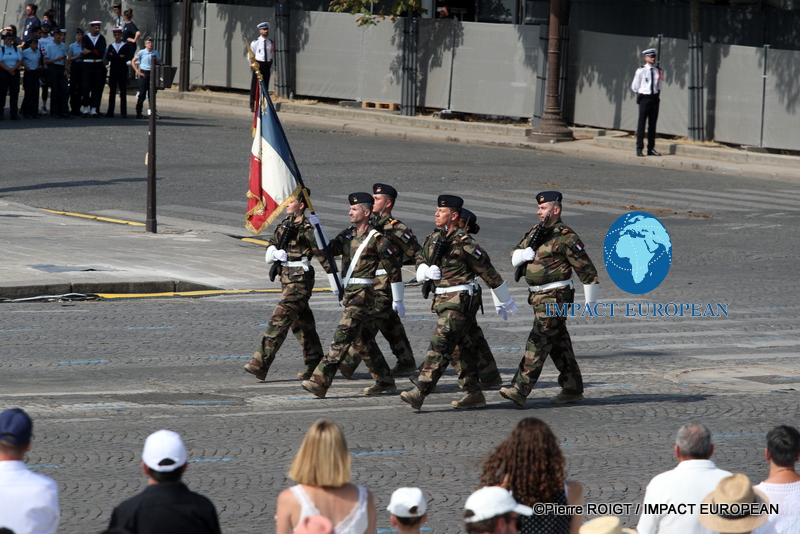
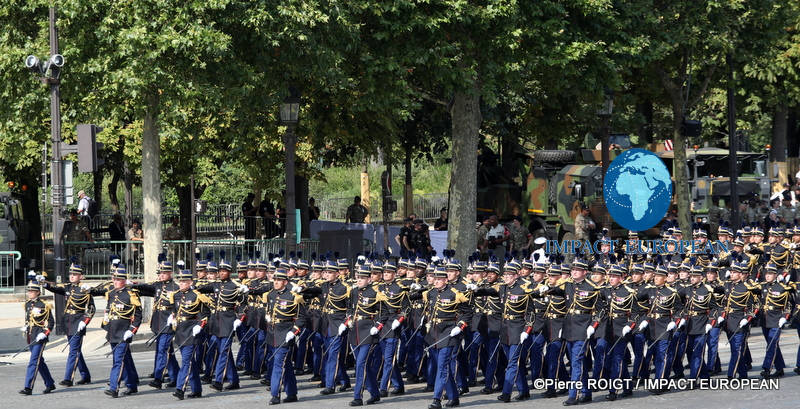
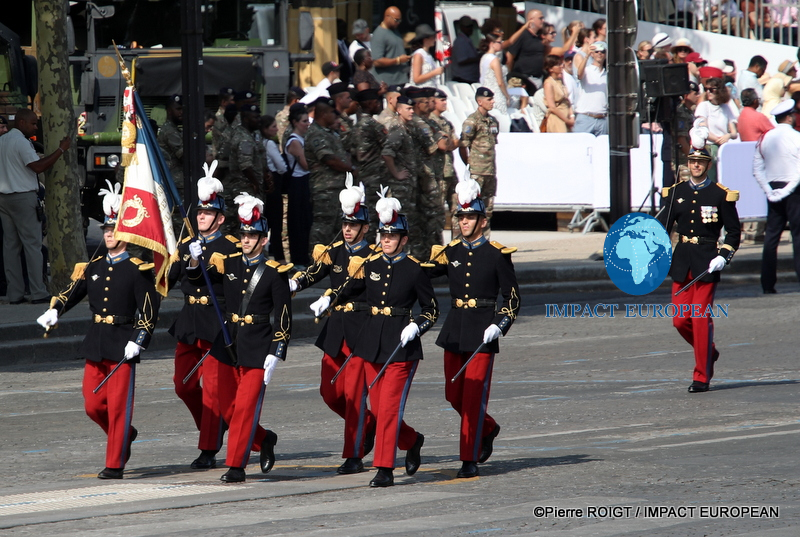
Once the aerial formations had passed, attention shifted to the troops marching along the Champs-Élysées.
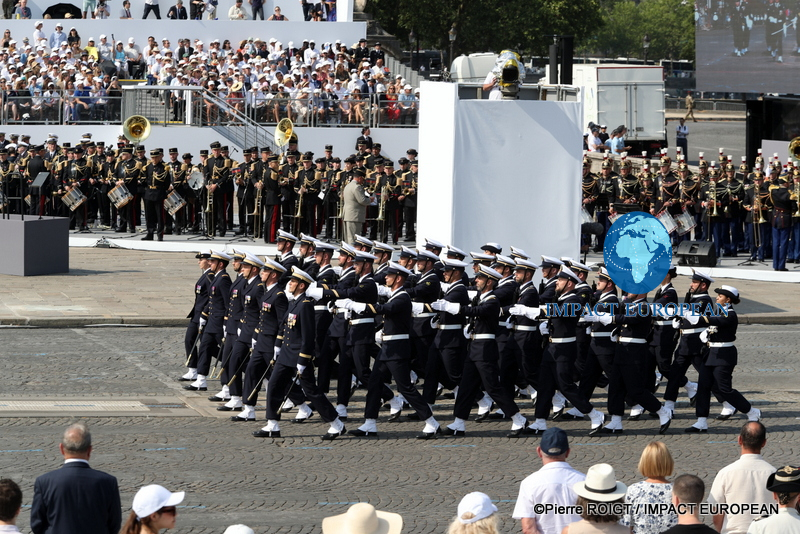
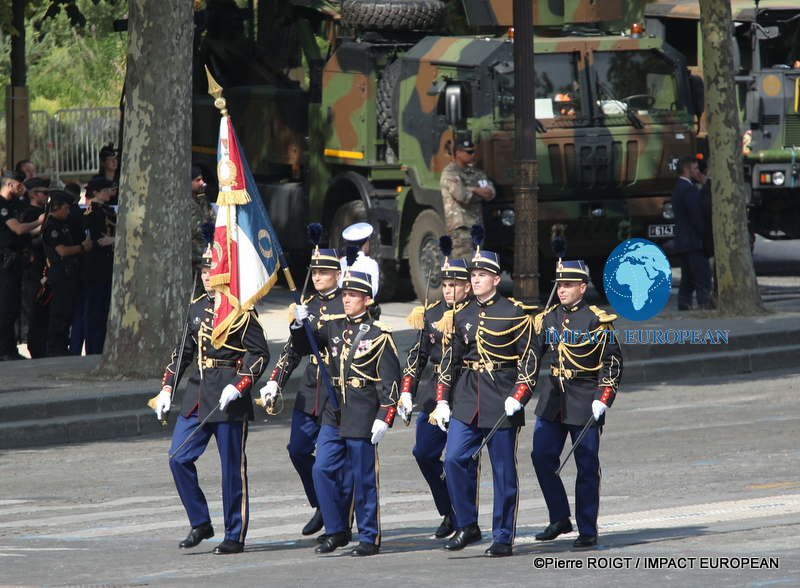
Military academies opened the ground parade, underlining the importance France places on leadership, education and professional military training.
Cadets from Saint-Cyr, the École Navale, the Air and Space Academy and other prestigious institutions represented the next generation of officers who will shape the future of the French Armed Forces.
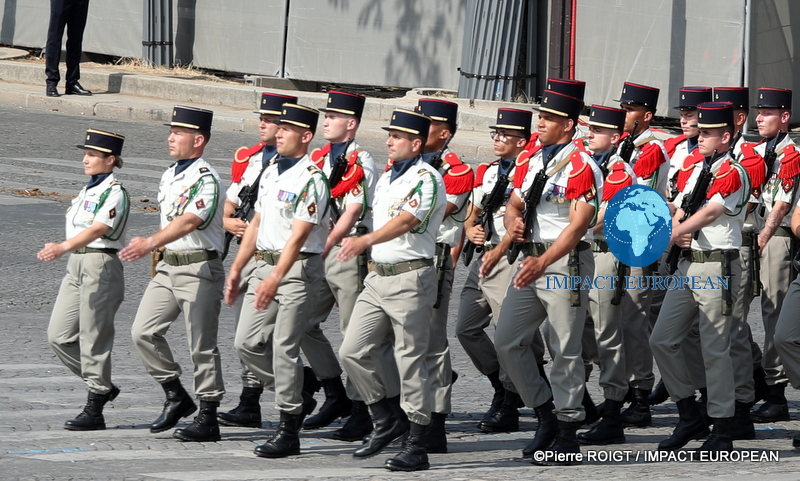
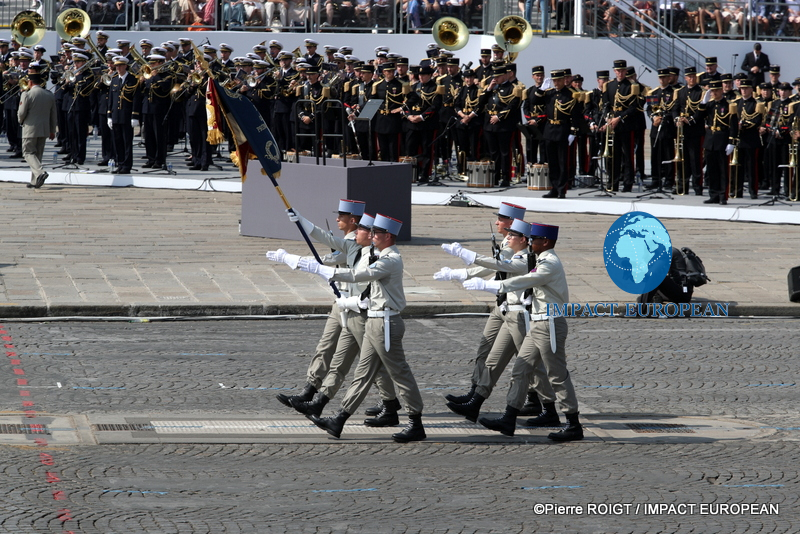
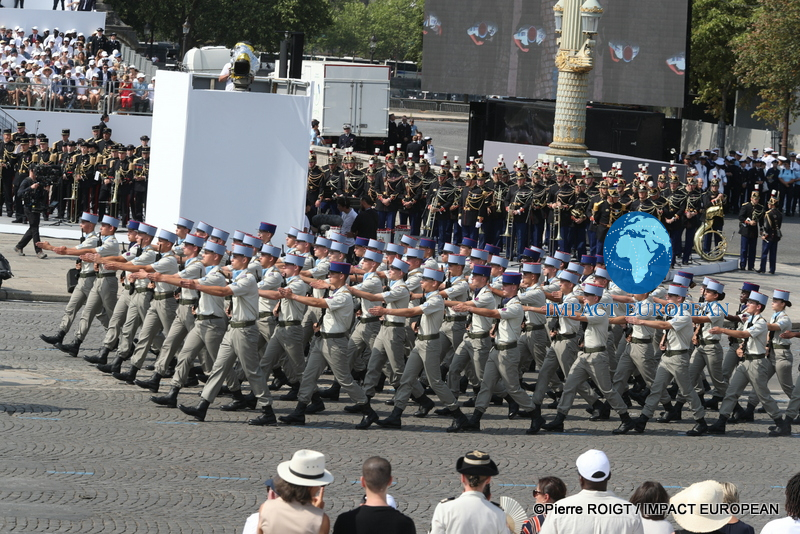
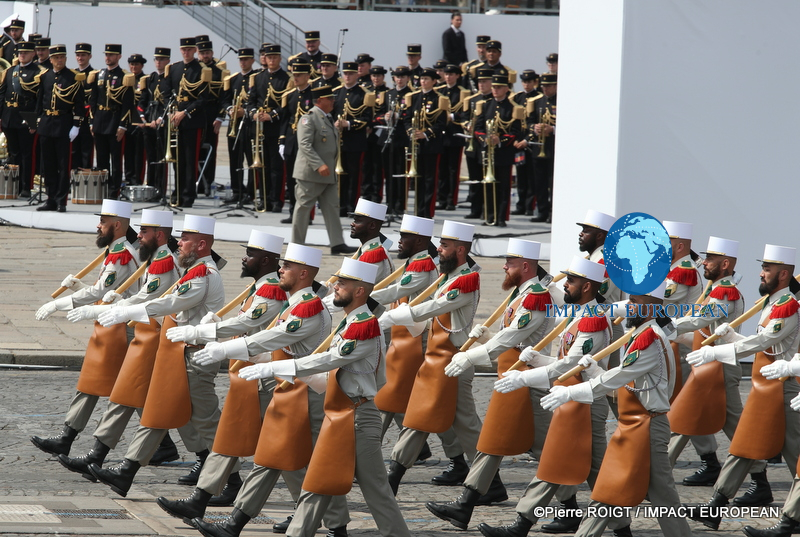
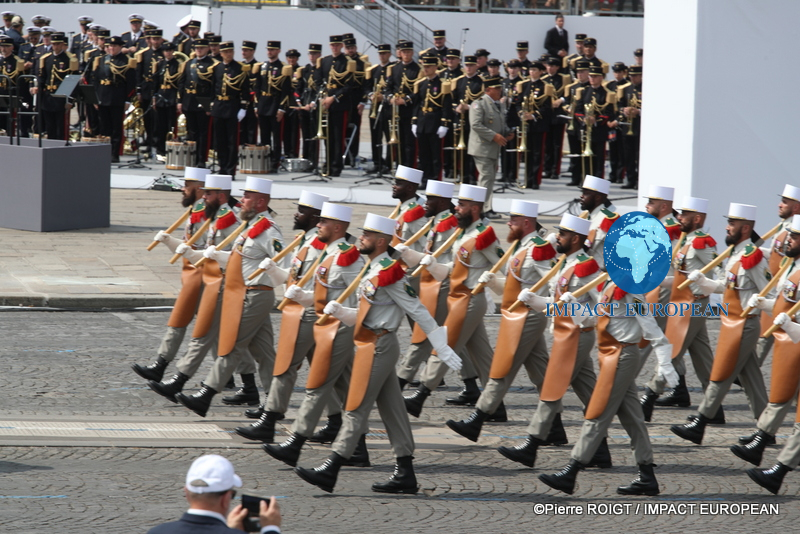
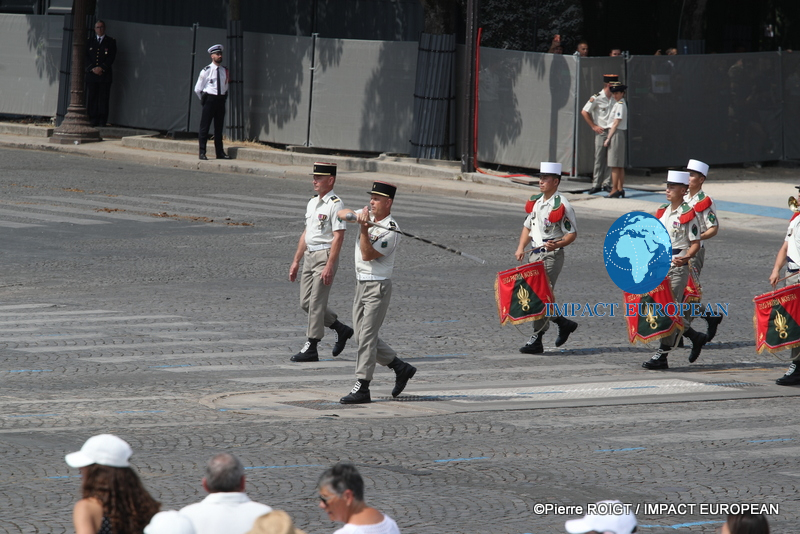
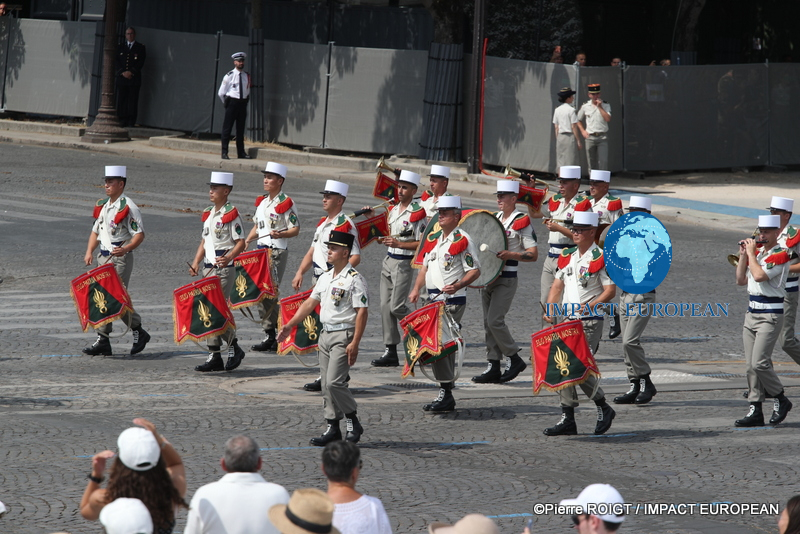
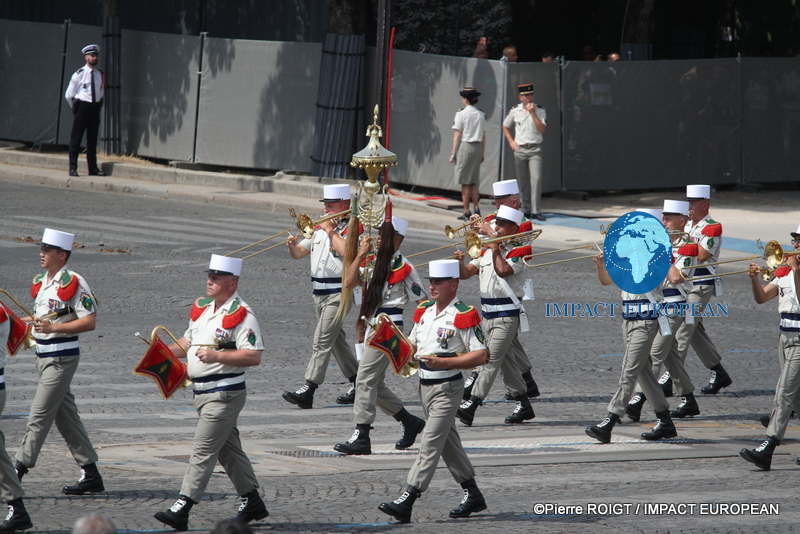
One of the most anticipated moments remained the appearance of the French Foreign Legion.
Recognisable by their white kepis and distinctive marching pace, Legionnaires once again received prolonged applause from spectators.
Their participation reflected both France’s military traditions and the international character of one of its most respected fighting forces.
Modern equipment for modern conflicts
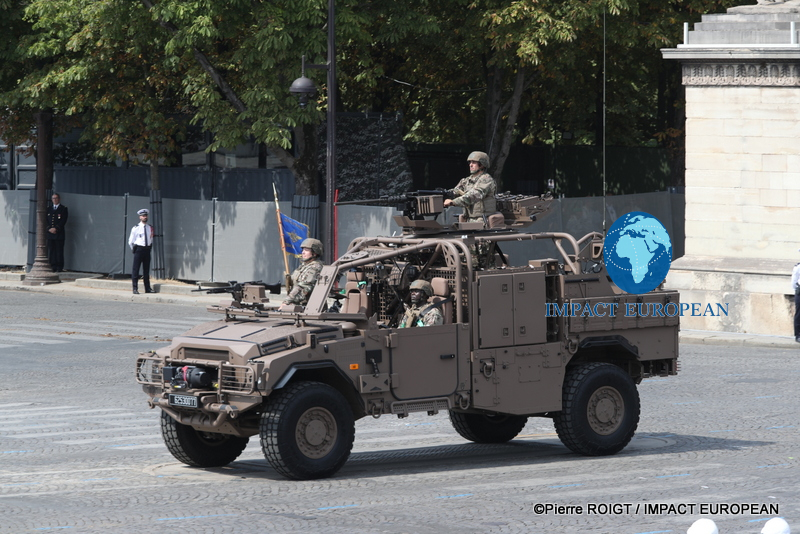
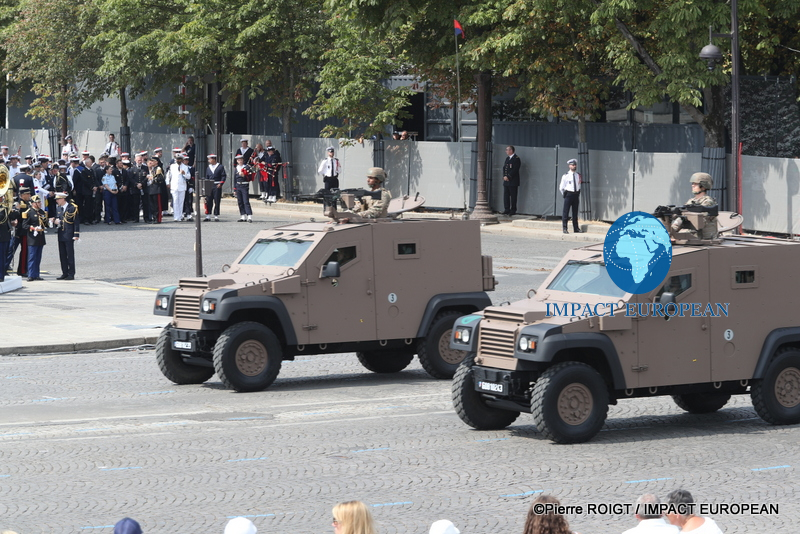
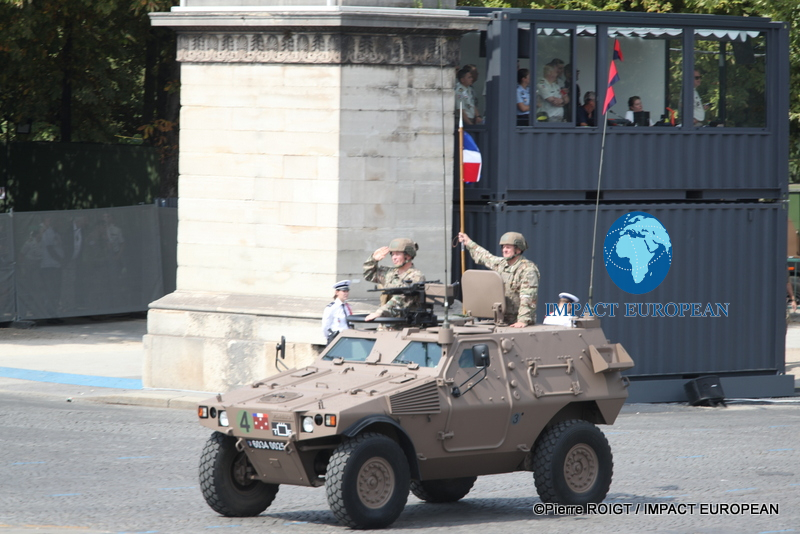
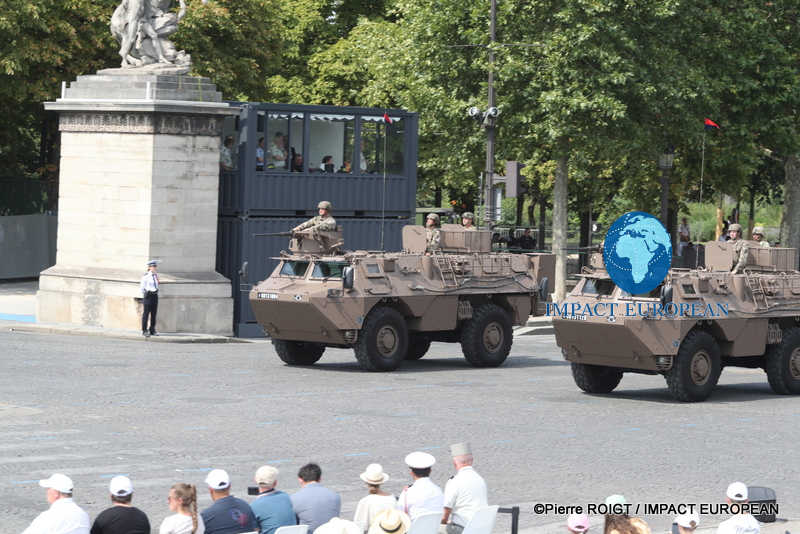
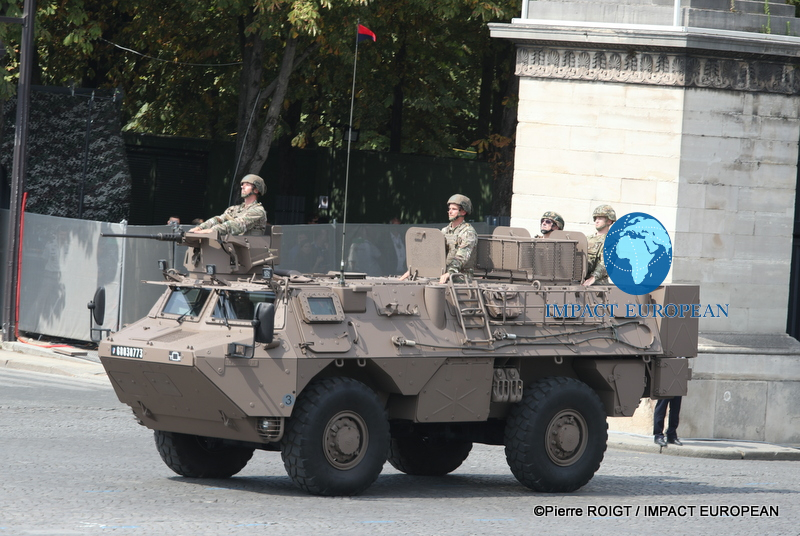
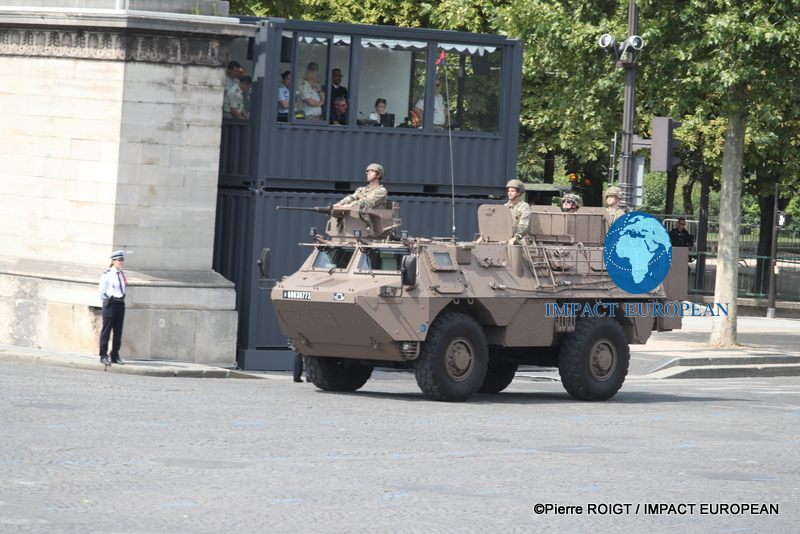
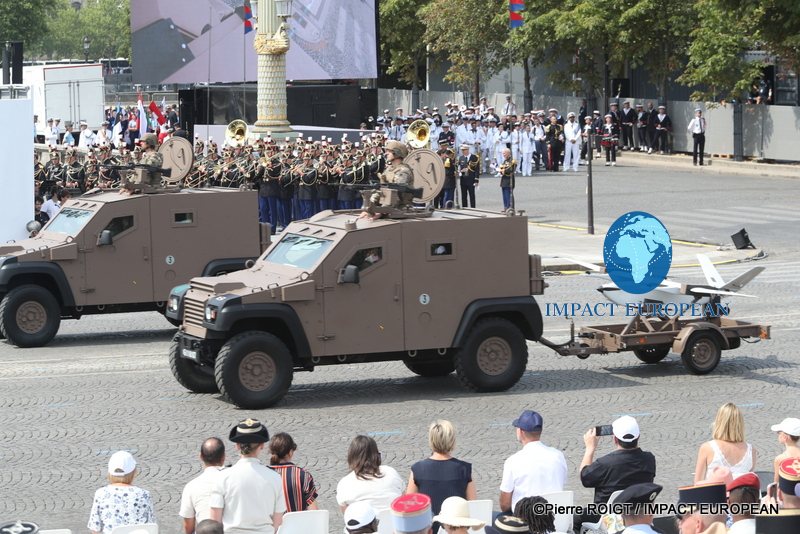
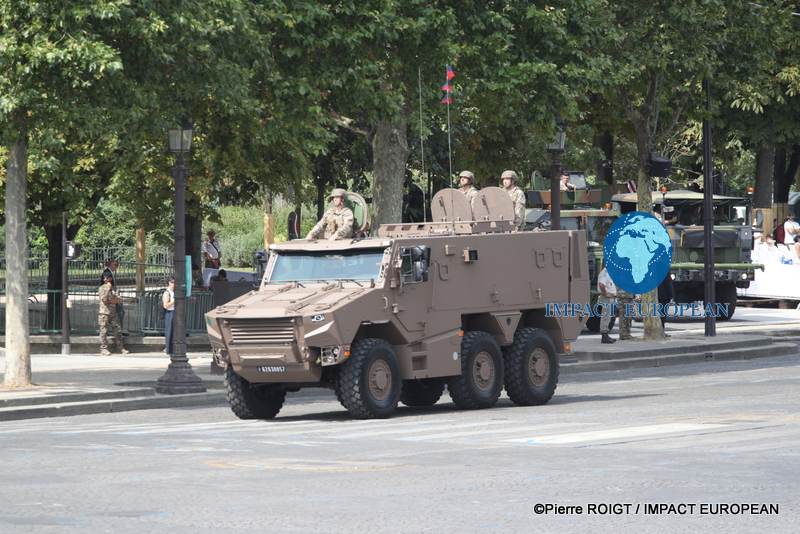
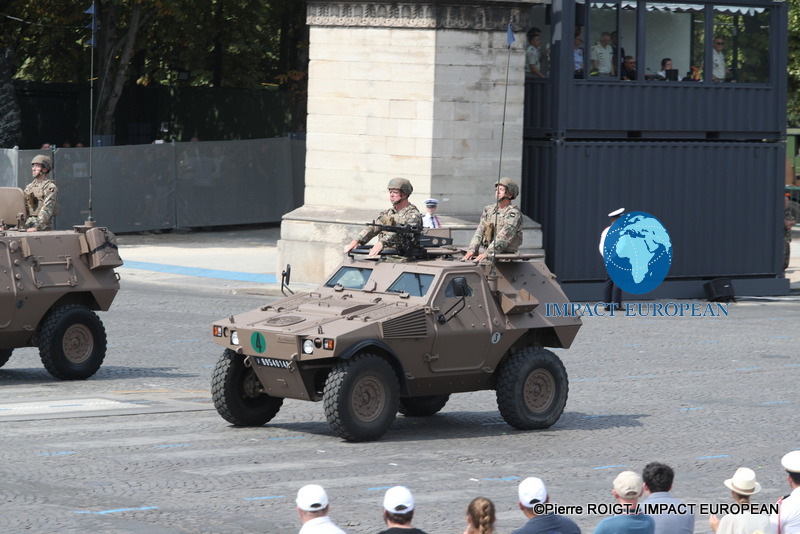
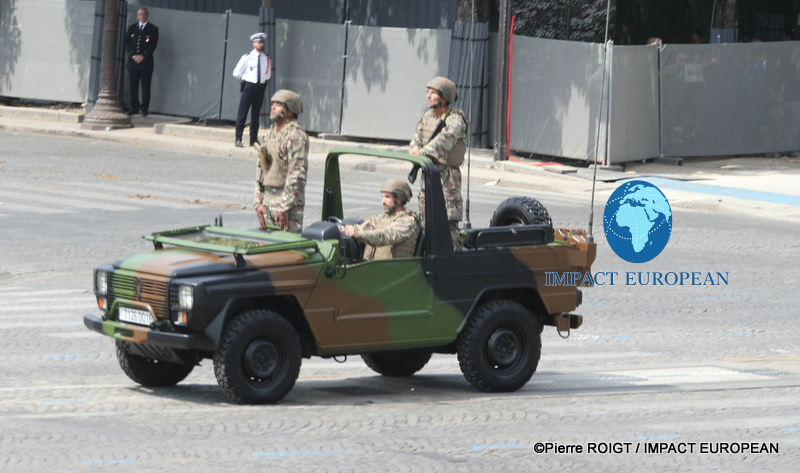
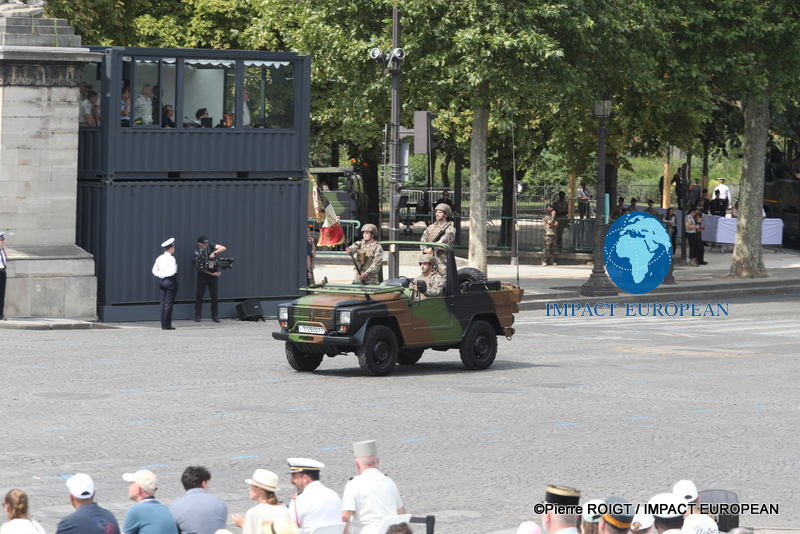
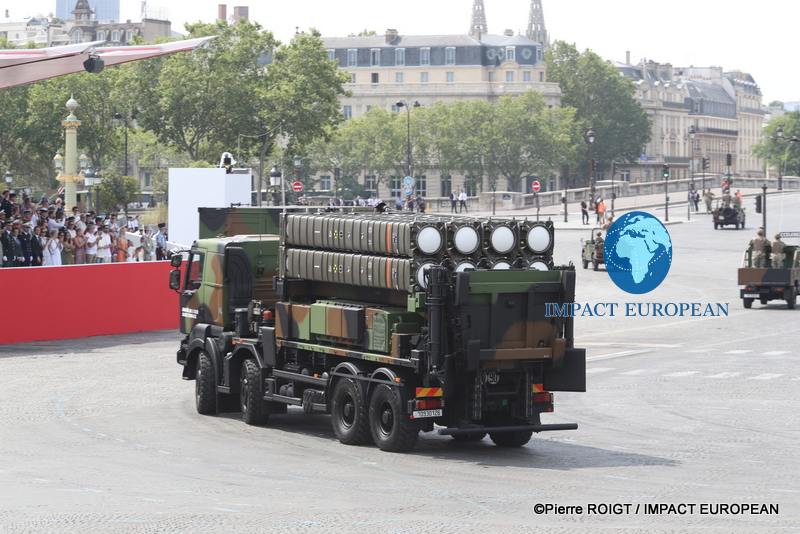
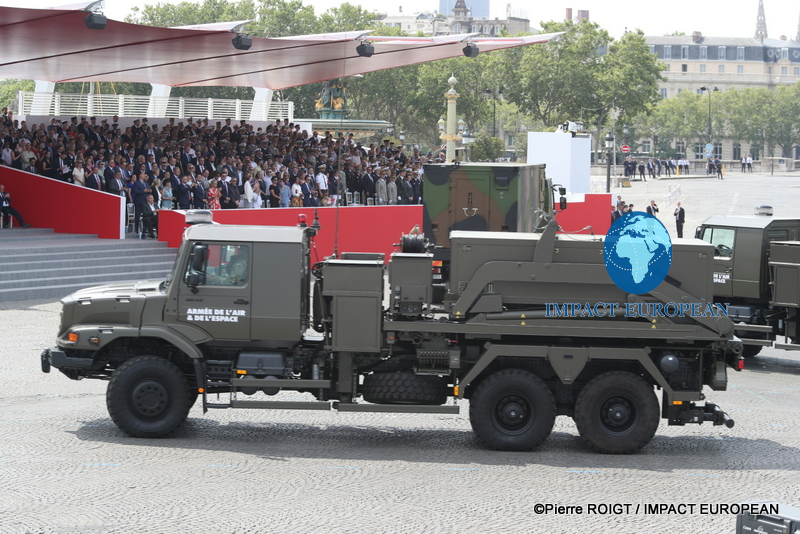
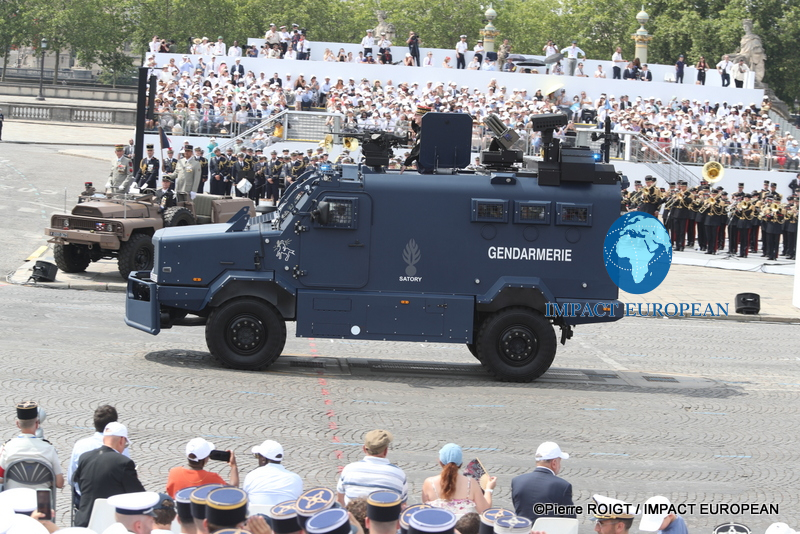
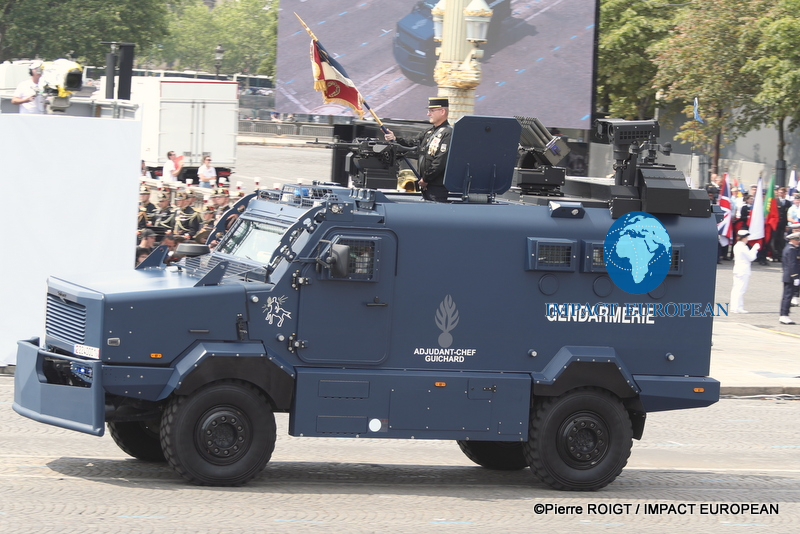
The vehicle parade illustrated the profound transformation underway within the French Army.
Among the most closely watched systems were the Griffon, Jaguar and Serval armoured vehicles, which are gradually replacing older equipment across multiple operational units.
Designed for modern high-intensity warfare, these vehicles combine enhanced protection, advanced communications and greater battlefield mobility.
The continued presence of Leclerc main battle tanks demonstrated that conventional heavy armour remains an essential component of European defence planning.
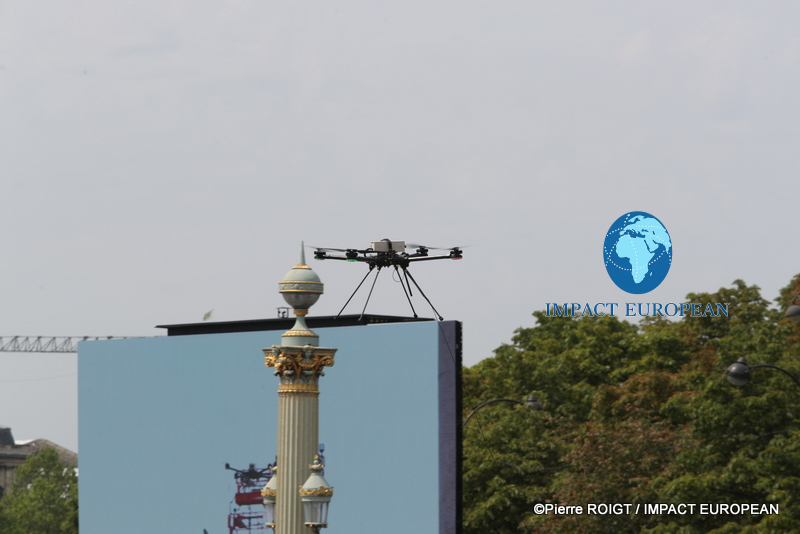
Recent conflicts have confirmed that advanced armoured capabilities continue to play a decisive role despite the growing importance of cyber operations, drones and artificial intelligence.
Defence industry as a strategic asset
The parade also served as an international showcase for the French and European defence industries.
Many of the platforms presented during the ceremony are developed through cooperation between leading European manufacturers, reflecting a broader effort to strengthen the continent’s technological sovereignty.
France remains one of Europe’s largest defence exporters, supplying advanced aircraft, naval systems, armoured vehicles and electronic warfare technologies to numerous allied nations.
This industrial capacity represents not only an economic advantage but also a strategic one, reducing dependence on external suppliers while reinforcing Europe’s ability to equip its own armed forces.
Cooperation rather than competition
A recurring theme throughout the parade was interoperability.
Modern military operations increasingly depend on the ability of allied forces to communicate, deploy and operate together under demanding conditions.
The participation of foreign contingents alongside French troops illustrated this growing level of integration.
Joint exercises, shared command structures and multinational operations have become defining characteristics of European security.
Rather than replacing NATO, these initiatives aim to reinforce Europe’s contribution to collective defence while improving its capacity to respond independently whenever necessary.
France continues to position itself at the centre of this evolving framework, advocating stronger European capabilities while maintaining close cooperation with Atlantic allies.
Demonstrating readiness in an uncertain world
Every aircraft, every vehicle and every military formation participating in the parade conveyed the same underlying message.
France is investing in armed forces capable of responding to conventional warfare, cyber threats, hybrid attacks, maritime security challenges and humanitarian crises.
The Bastille Day parade therefore becomes much more than a ceremonial display.
It is a strategic communication tool designed to reassure allies, deter potential adversaries and demonstrate France’s determination to remain one of Europe’s leading military powers.
France uses Bastille Day to project leadership beyond its borders
While the military parade remains deeply rooted in French history and national identity, the 2026 Bastille Day celebrations clearly demonstrated that the event has evolved into something much broader than a domestic ceremony.
In today’s geopolitical climate, national military parades are also diplomatic events.
By bringing together representatives from 36 nations on the Champs-Élysées, France used its National Day to project political leadership, reinforce international partnerships and underline its commitment to European security.
The ceremony reflected a country seeking not only to celebrate its armed forces but also to position itself as one of the principal architects of Europe’s evolving defence landscape.
Paris strengthens its role as a diplomatic capital
Over recent years, Paris has become one of the world’s leading venues for international diplomacy.
From climate conferences and Olympic Games to European summits and state visits, the French capital increasingly serves as a platform where political, economic and security issues converge.
The Bastille Day parade now forms part of that broader diplomatic calendar.
The presence of foreign military delegations, senior political representatives and international media transforms the ceremony into an opportunity for dialogue, visibility and strategic communication.
It is no coincidence that many bilateral meetings and diplomatic exchanges take place around the celebrations.
The military parade therefore acts as both a national ceremony and an international diplomatic stage.
European defence enters a new phase
One of the strongest messages emerging from this year’s parade concerns the future of European security.
For decades, European defence discussions focused largely on institutional frameworks.
Today, practical cooperation has become the priority.
Joint procurement programmes, common military exercises, intelligence sharing and coordinated operational planning increasingly define the relationship between European armed forces.
France has consistently advocated stronger European defence capabilities while maintaining its commitment to NATO.
The participation of partner nations during the parade illustrated how these ambitions are gradually becoming operational realities rather than political concepts.
Supporting Ukraine while preserving European stability
The participation of Ukrainian service members carried particular symbolic importance.
Their presence reminded spectators that the war in Ukraine continues to shape Europe’s strategic environment and remains one of the defining security challenges of the decade.
Rather than presenting the conflict solely as a regional issue, France emphasised the broader principle of defending sovereignty, international law and collective security.
The applause received by the Ukrainian contingent reflected not only solidarity with Ukraine but also broader public support for European cooperation in maintaining peace and stability.
Defence investment becomes an economic priority
The parade also highlighted another important dimension often overlooked by the general public.
Modern defence is no longer only about military strength; it is increasingly linked to industrial competitiveness, technological innovation and economic resilience.
France’s defence sector supports thousands of highly skilled jobs while contributing significantly to research, exports and technological development.
European cooperation in defence manufacturing is expected to play an even greater role over the coming years as governments seek to strengthen production capacities and reduce external dependencies.
The systems displayed during the parade therefore represent not only military assets but also strategic investments in Europe’s future industrial base.
A message to allies and competitors alike
Military ceremonies inevitably communicate beyond national audiences.
To France’s allies, the parade reaffirmed the country’s reliability as a strategic partner capable of contributing to collective security.
To potential competitors, it demonstrated military readiness, political cohesion and industrial capability.
The participation of multiple allied nations reinforced the perception of an increasingly interconnected European security community prepared to respond collectively to future crises.
In this respect, the Bastille Day parade functions as an instrument of strategic communication every bit as important as official speeches or diplomatic summits.
Paris confirms its global influence
The international media coverage generated by the event once again highlighted Paris’s unique ability to combine history, diplomacy and global visibility.
Few cities possess the symbolic power to stage an event that simultaneously honours national traditions while addressing contemporary international challenges.
The images broadcast around the world—from the Arc de Triomphe to the flyover of the Patrouille de France and the marching foreign contingents—reinforced France’s image as a nation that continues to play a leading role in international affairs.
A Bastille Day that reflects a changing Europe
The 2026 Bastille Day Parade will likely be remembered as one of the most internationally significant editions in recent decades.
It showcased a France that remains proud of its military traditions while adapting to a rapidly changing strategic environment.
By welcoming 36 participating nations, presenting advanced military capabilities and placing European cooperation at the heart of its National Day, France demonstrated that defence, diplomacy and international partnerships have become inseparable.
Beyond the aircraft, armoured vehicles and ceremonial precision, the parade conveyed a broader message.
In an increasingly uncertain world, stability cannot rely solely on national strength.
It also depends on trust between allies, shared strategic vision and the willingness of democratic nations to work together.
On the Champs-Élysées, France celebrated its Republic.
To the international community, however, it also presented a vision of Europe’s future—one built on cooperation, resilience and collective security.
Copyright © 2026 IMPACT EUROPEAN































Views: 1
More Stories
Alzheimer’s Care Beyond Medicine: The Daily Infrastructure That Keeps Life Possible
At Marek Halter’s Paris home, Rosh Hashanah brings faiths together around humanity and peace
Pro D2: Provence Rugby beat Colomiers 18-13 despite playing over an hour with 14 men