

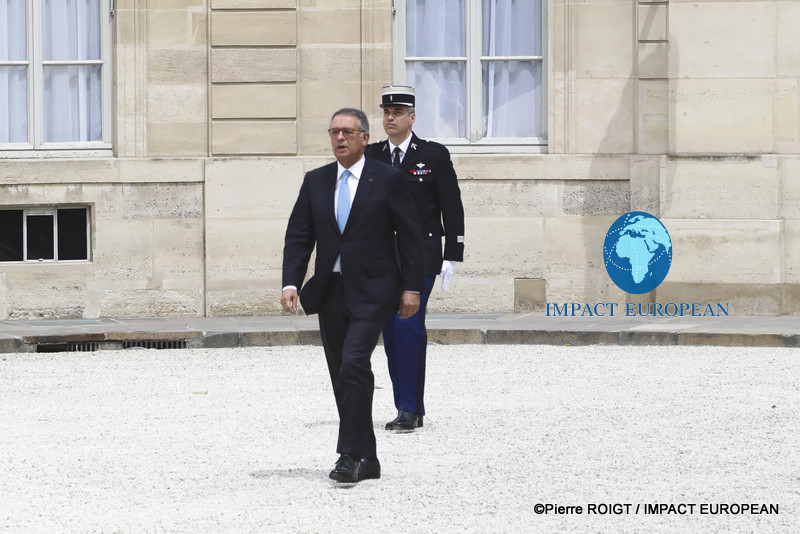
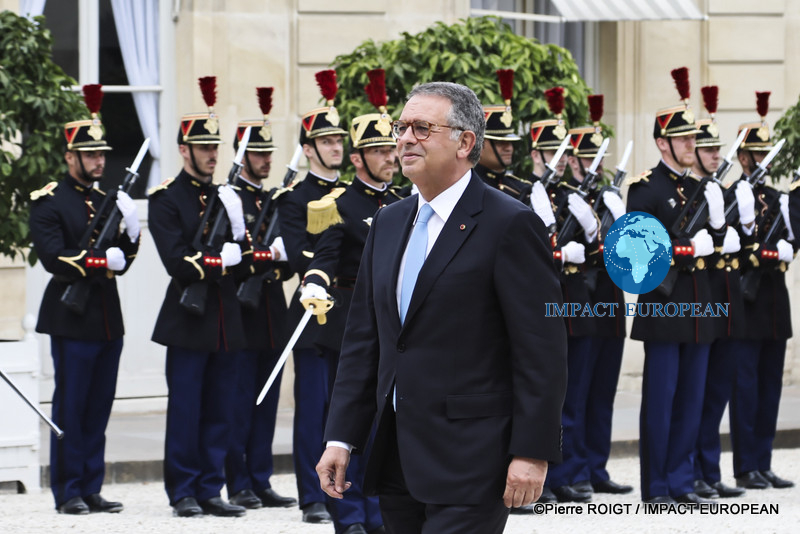
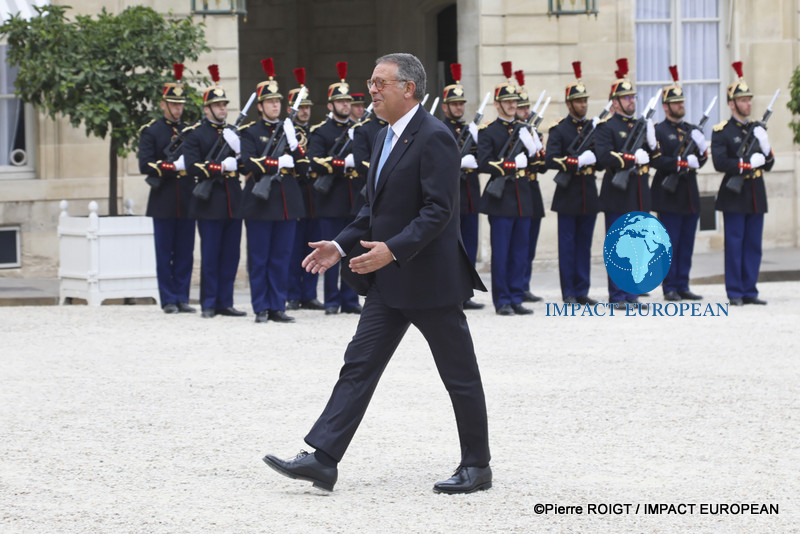
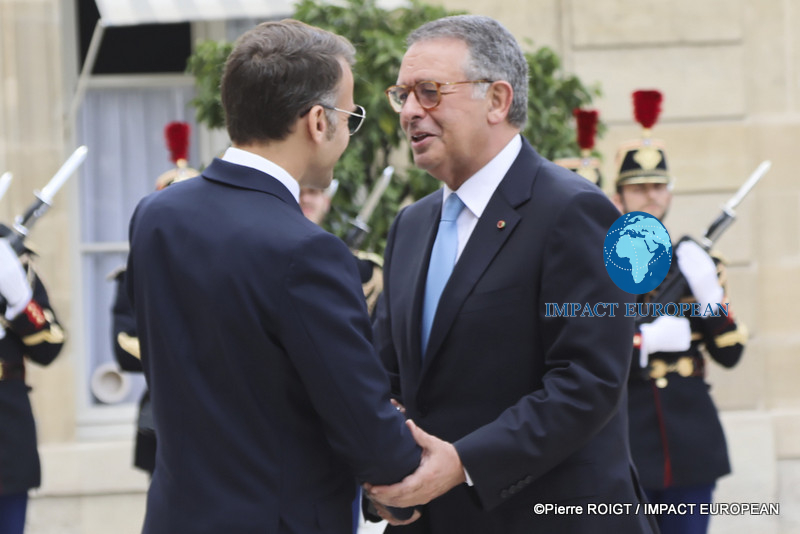
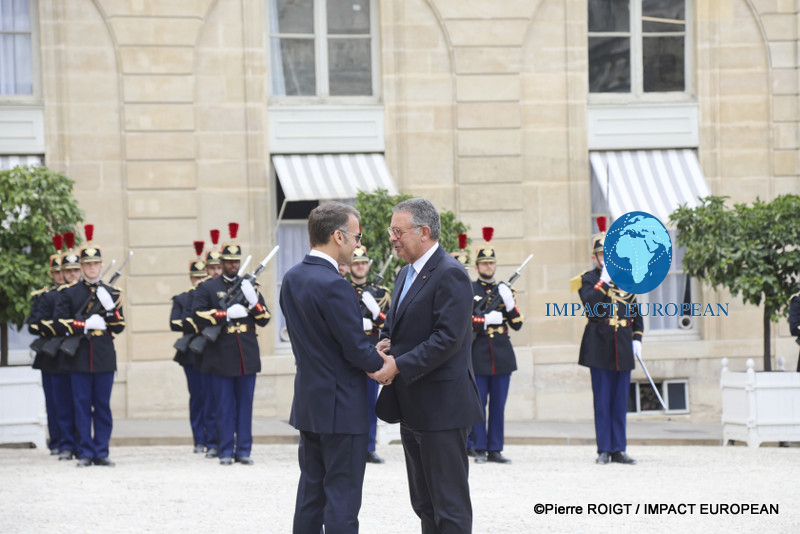
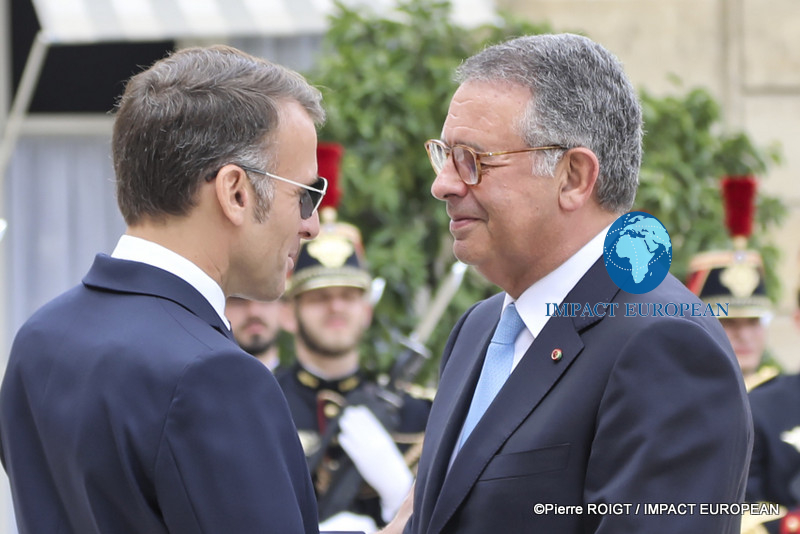
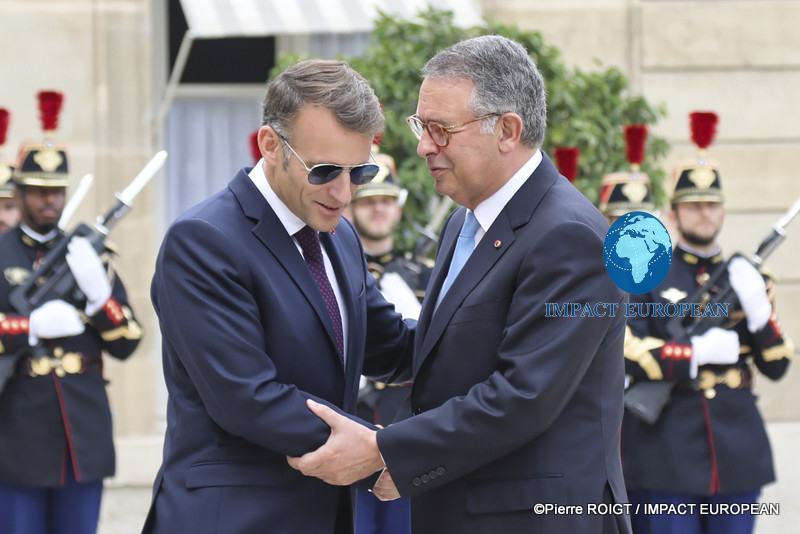
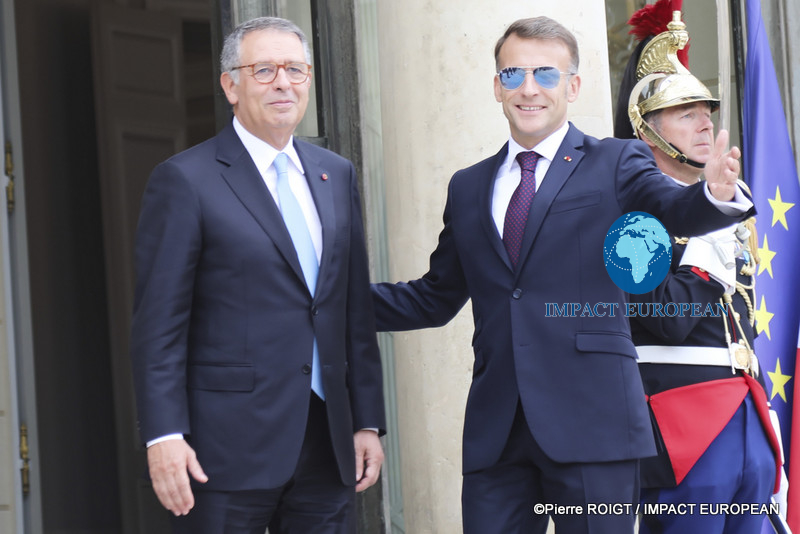
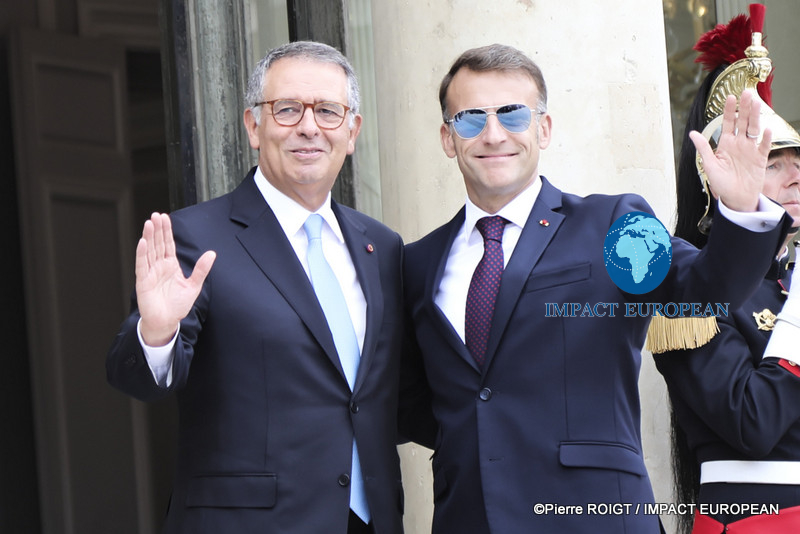
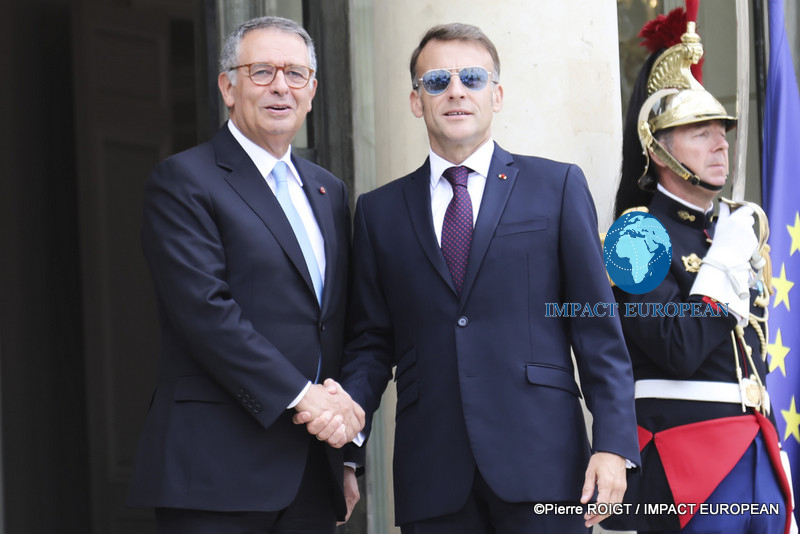
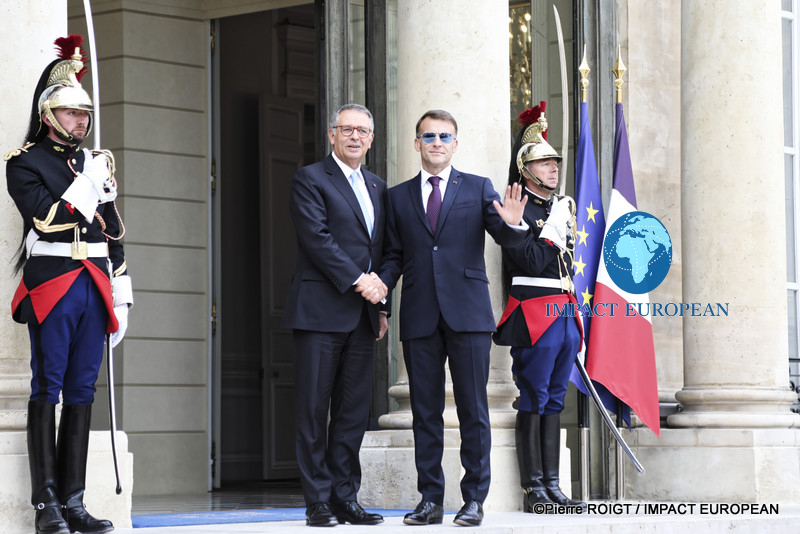
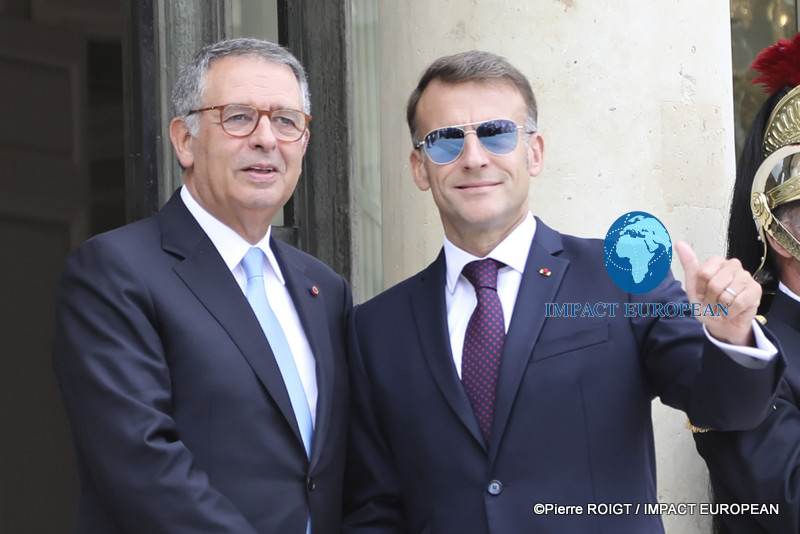
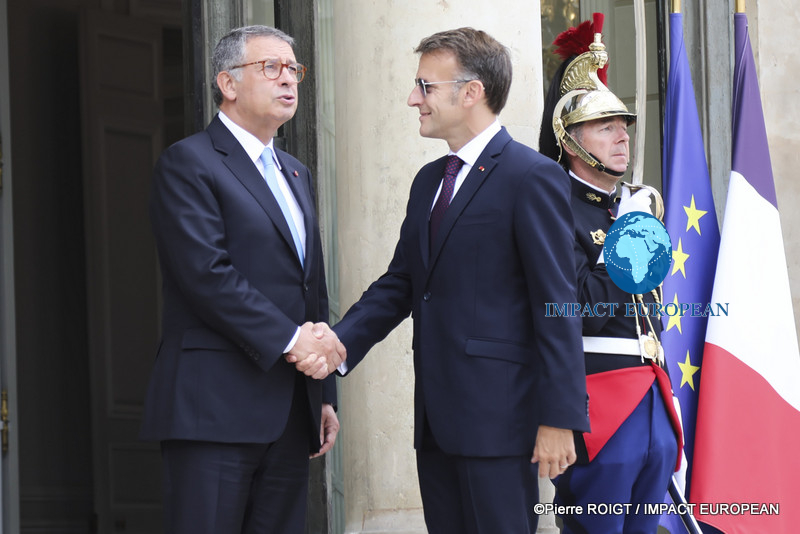
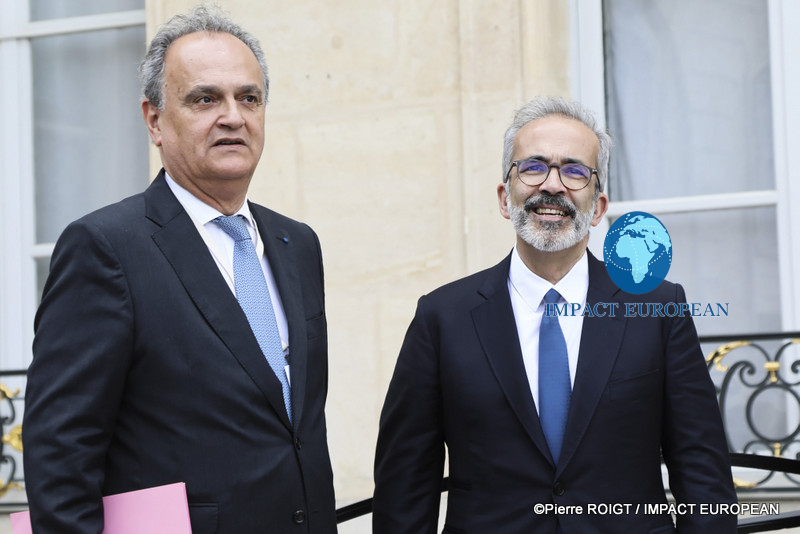
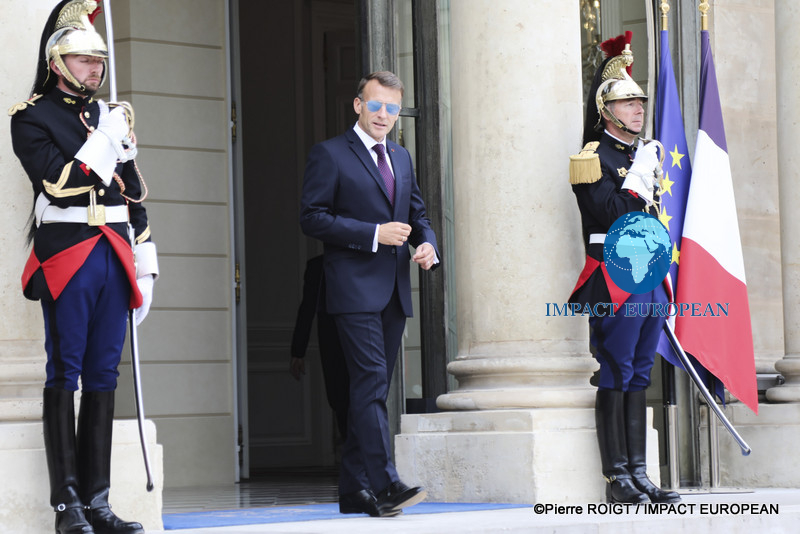
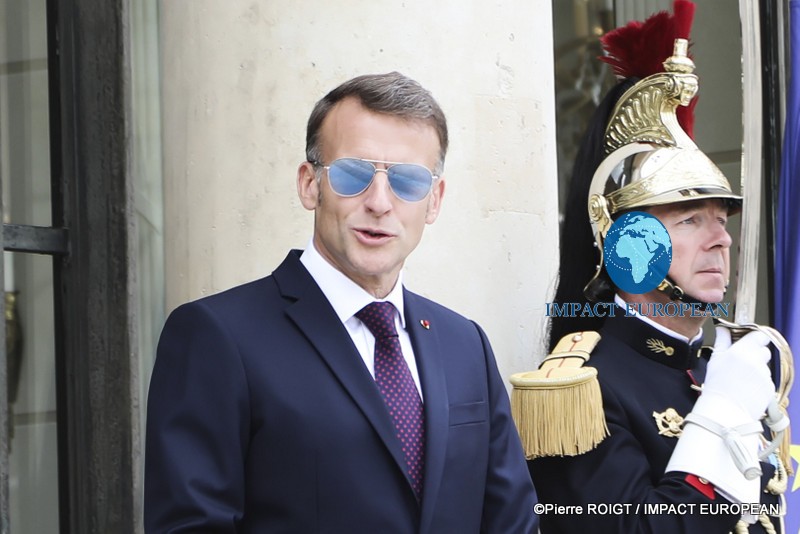
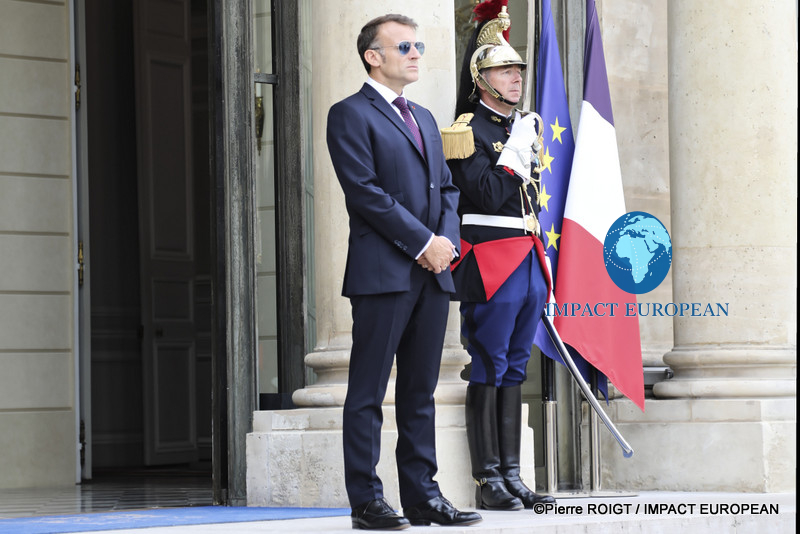
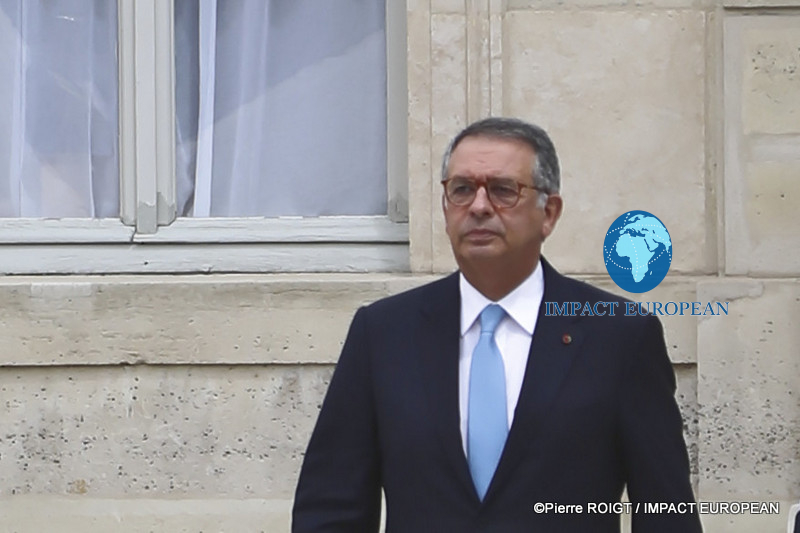
PARIS — French President Emmanuel Macron welcomed Portuguese President António José Seguro to the Élysée Palace on Wednesday for a working lunch that underscored the growing strategic partnership between France and Portugal. While the meeting reaffirmed the strength of bilateral ties, it also reflected a broader European effort to strengthen political coordination, economic resilience and diplomatic cooperation at a time of increasing geopolitical uncertainty.
Held just months after Macron’s state visit to Lisbon and Porto in February 2025, the talks highlighted both countries’ determination to transform the recently signed Treaty of Friendship into a practical framework for long-term cooperation across key sectors including trade, education, innovation, energy and foreign policy.
Beyond Symbolism: A New Generation of Bilateral Cooperation
The meeting represented far more than a routine diplomatic exchange.
For decades, France and Portugal have maintained close political, economic and cultural relations, reinforced by deep historical ties and one of Europe’s largest Portuguese communities living in France. The Treaty of Friendship signed in 2025 elevated those relations to a new institutional level, creating mechanisms for regular bilateral summits, closer ministerial coordination and joint strategic planning.
According to President Seguro, both leaders expressed their intention to hold the first official France–Portugal Summit before the end of 2026. Unlike traditional diplomatic visits, the summit is expected to focus on implementing concrete initiatives rather than simply reaffirming political goodwill.
Education will be among the first priorities. Both governments intend to strengthen Portuguese language teaching in France and expand French language education in Portugal, reflecting the belief that cultural cooperation remains a cornerstone of long-term political partnership.
Economic Cooperation as a Strategic Priority
Economic issues dominated much of the discussions.
Portugal sees France not only as one of its largest export markets but also as a key partner in supporting innovation, industrial development and investment. Speaking earlier to Portuguese business leaders at Portugal’s Embassy in Paris, Seguro described increasing Portuguese exports to France as a « very clear objective. »
The two governments are seeking to expand cooperation in sectors ranging from renewable energy and advanced manufacturing to digital technologies, research and infrastructure. At a time when European economies are attempting to reduce strategic dependencies and strengthen industrial competitiveness, bilateral partnerships such as the France–Portugal alliance are becoming increasingly significant.
For Lisbon, stronger economic integration with France also represents an opportunity to diversify export markets while attracting new investment into Portuguese industries.
Shared Positions on International Affairs
International security formed another important part of the discussions.
Macron and Seguro reaffirmed their commitment to multilateralism, international law and the principles of the United Nations Charter. Both leaders reviewed the ongoing war in Ukraine, emphasizing continued support for international efforts aimed at achieving a just and lasting peace based on respect for sovereignty and territorial integrity.
The Middle East was also high on the agenda.
Seguro argued that long-term regional stability would require sustained diplomatic dialogue between the United States and Iran, stronger support for Lebanon’s stability and renewed international efforts to achieve peaceful solutions while protecting human rights in Gaza.
The leaders also discussed freedom of navigation through the Strait of Hormuz, a strategic maritime corridor whose security remains essential for global trade and international energy supplies.
Although France and Portugal differ in size and geopolitical influence, both governments demonstrated remarkable alignment on major international issues.
Europe’s Strategic Autonomy Gains Momentum
Perhaps the most significant outcome of the meeting was the shared commitment to strengthening Europe’s strategic autonomy.
Over recent years, European leaders have increasingly argued that the European Union must become more capable of protecting its own economic, technological and security interests amid growing geopolitical competition.
For both Paris and Lisbon, strategic autonomy extends beyond defence. It includes energy security, critical technologies, industrial resilience, research, supply chains and Europe’s capacity to respond collectively to international crises.
Rather than replacing existing alliances, both countries see stronger European coordination as a way of reinforcing the continent’s global influence while maintaining close cooperation with transatlantic partners.
Africa Remains an Area of Common Interest
The discussions also reflected the growing importance of Africa within European foreign policy.
Seguro confirmed that African affairs featured prominently during his talks with Macron, including developments in Guinea-Bissau. The Portuguese President also announced plans to welcome the President of Mozambique to Lisbon later this month before undertaking his own first official presidential visit to Africa, beginning with Cape Verde.
France and Portugal bring complementary historical experiences and diplomatic networks to the continent. Their closer coordination could contribute to broader European initiatives in sustainable development, education, economic partnerships and regional stability.
A Partnership That Reflects Europe’s Changing Diplomacy
The meeting between Emmanuel Macron and António José Seguro illustrates how bilateral diplomacy inside the European Union is evolving.
As Europe confronts economic uncertainty, geopolitical tensions, climate challenges and technological competition, partnerships between member states are becoming increasingly strategic rather than merely symbolic.
The France–Portugal relationship reflects this transformation. Instead of focusing solely on ceremonial visits, both governments are building structured cooperation capable of delivering practical outcomes in education, trade, innovation, energy, foreign policy and security.
The forthcoming France–Portugal Summit, expected before the end of 2026, will represent the first major test of that ambition.
If successfully implemented, the Treaty of Friendship could become a model for deeper bilateral cooperation within the European Union, demonstrating how medium-sized and major European powers can work together to strengthen both national interests and the broader European project.
Copyright © 2026 IMPACT EUROPEAN
Views: 3
More Stories
Laurent Douziech and His Horses: Trust Before Performance
Visa pour l’Image 2026: Brigitte Bardot and Frank Gehry, When Art Outlives Its Creator
Visa pour l’Image 2026: When Seeing Is No Longer Enough, Photojournalism Must Prove What Is Real