
Presented at the Festival de Cannes, Quelques mots d’amour by Rudi Rosenberg is a deeply emotional French drama about loneliness, family and the desperate need to feel loved.
Set in Sarcelles during the 1990s, the film follows Abigaëlle, a young girl growing up without her father. Convinced that he secretly loves her somewhere far away, she becomes obsessed with finding him. This obsession slowly affects everyone around her: her mother, her brother, her best friend and the fragile balance of their daily lives.
What makes the film remarkable is its emotional honesty. Rosenberg avoids melodrama and instead builds his story through small moments, awkward conversations and everyday gestures.
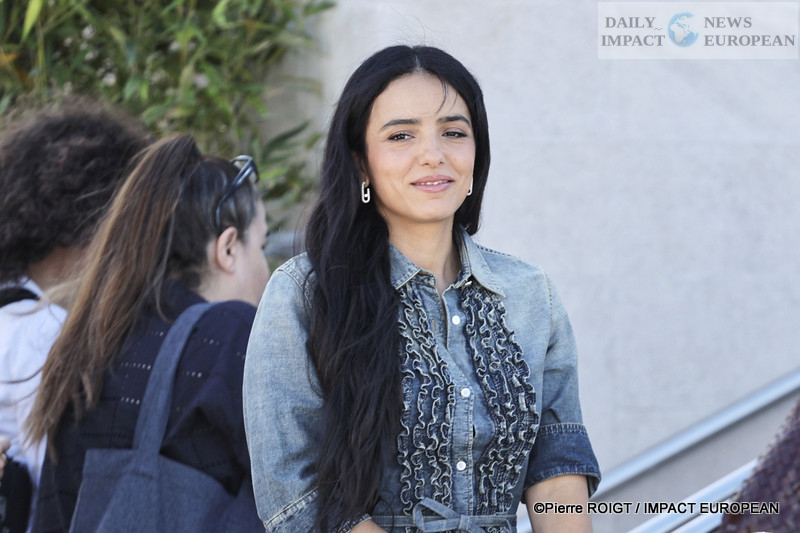
At the center of the film stands Erika, played with extraordinary subtlety by Hafsia Herzi. She is neither idealized nor condemned. She is simply human: strong, exhausted, loving and sometimes unable to express what she truly feels.
The film constantly explores the idea that emotions rarely arrive directly. In this family, affection moves through detours. A voicemail message, a dog, loud music or even insults become ways of saying “I love you” without actually speaking the words.
This emotional restraint gives the film much of its power.
The performances are remarkably natural. Nour Salam brings intensity and vulnerability to Abigaëlle, making her obsession painful but understandable. Her search for her absent father gradually becomes a search for identity itself.
Meanwhile, the younger brother Yoni adds both humor and sadness to the story. His exaggerated perfume, loud music and childish behavior hide a quieter emotional suffering.
One of the film’s greatest achievements is its portrayal of Sarcelles. Rosenberg refuses stereotypical depictions of the French suburbs. Instead, he shows a multicultural environment filled with warmth, humor and human complexity.
The soundtrack reinforces this atmosphere beautifully, mixing klezmer influences, Middle Eastern sounds and nostalgic references from the late 1990s and early 2000s.
Visually, the film embraces warm tones and intimate spaces. Apartments, hallways, wallpaper and cloudy skies create a strong sense of memory and emotional texture. The cinematography often feels almost documentary-like, as if the camera were quietly witnessing real lives unfolding.
Rosenberg also captures something universal about childhood trauma. Abigaëlle invents a fiction around her absent father because the truth is too painful to confront directly. In many ways, the film suggests that people create emotional myths simply to survive.
Some viewers may wish for stronger dramatic confrontations. Yet the film deliberately avoids emotional excess. Its strength lies in its restraint and tenderness.
With Quelques mots d’amour, Rudi Rosenberg delivers a moving and compassionate portrait of family life, emotional inheritance and silent love. At Cannes 2026, the film stands out as an intimate French drama filled with sincerity, humor and quiet heartbreak.
Copyright © 2026 IMPACT EUROPEAN
Views: 6
More Stories
Cannes Yachting Festival 2026: The Sea Becomes a New Frontier for Technology and Lifestyle
Global Black Pride Paris 2026: When a Global Movement Takes Its Voice to the Streets
At Marek Halter’s Paris home, Rosh Hashanah brings faiths together around humanity and peace