

France commemorated the 81st anniversary of Victory in Europe Day on May 8, marking the official end of World War II in Europe and honoring the millions who fought and died during the conflict.
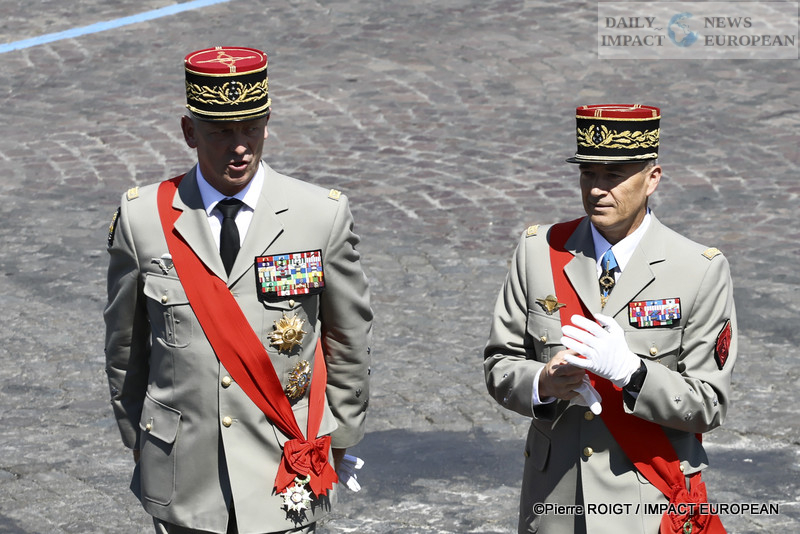
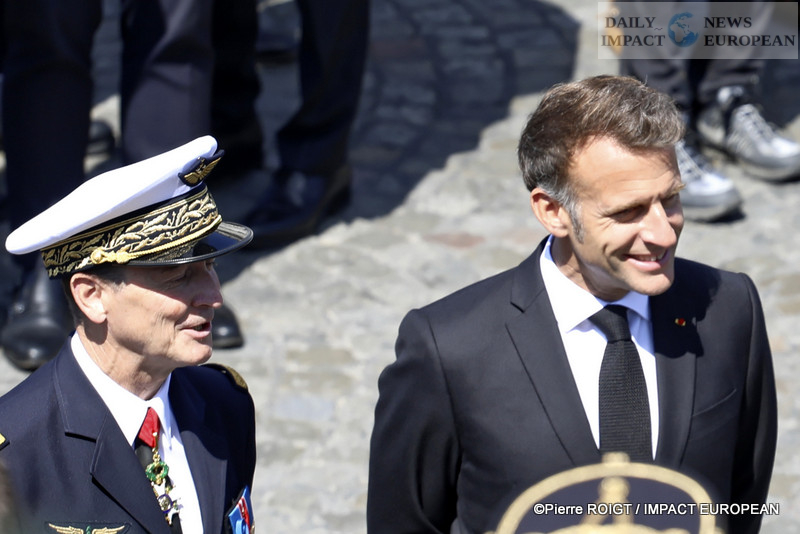
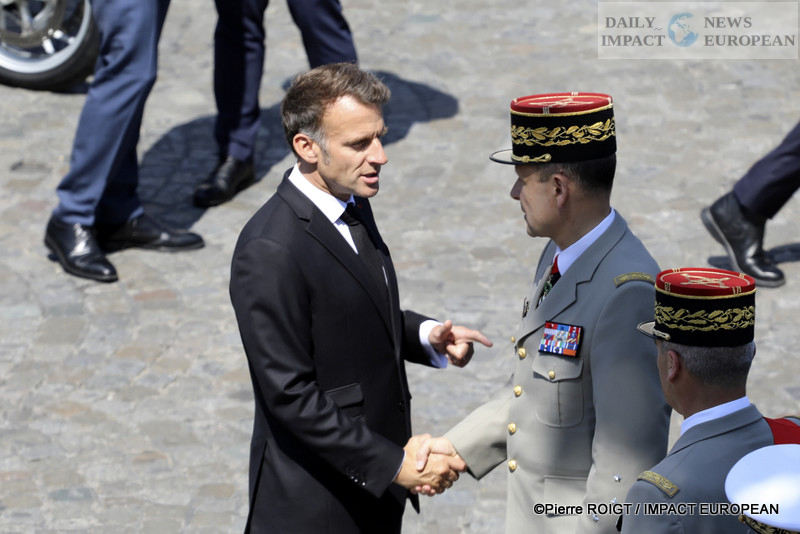
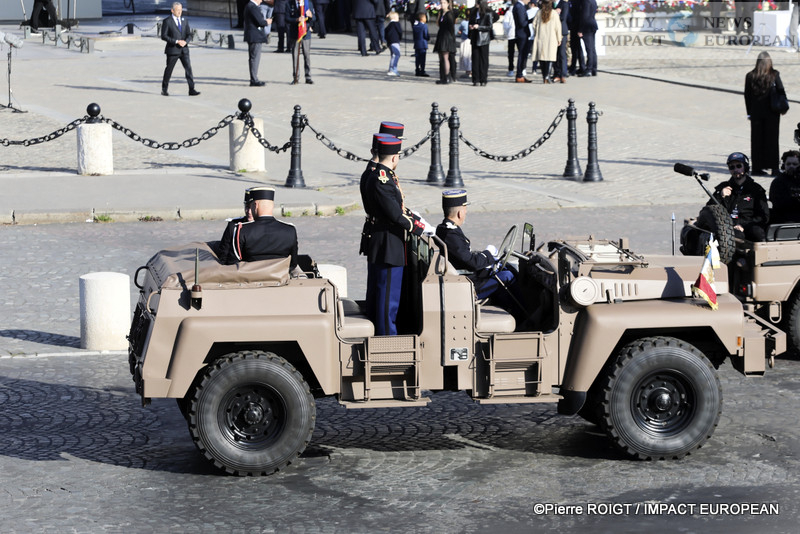
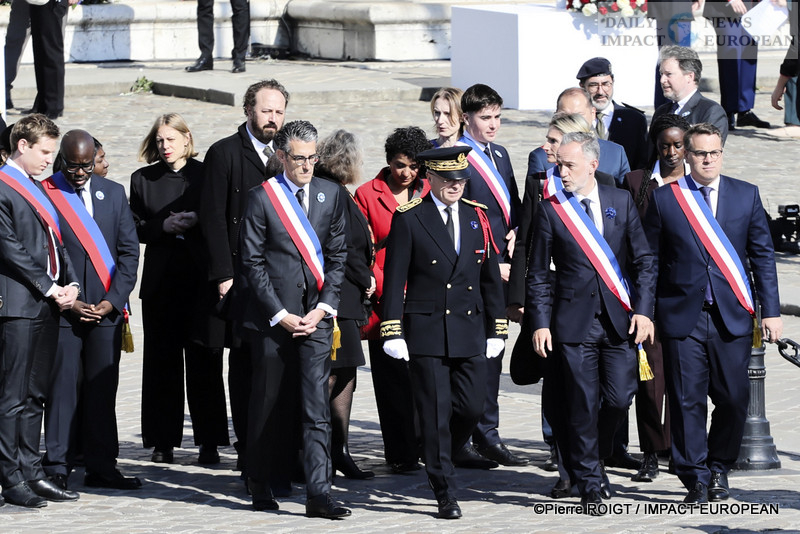
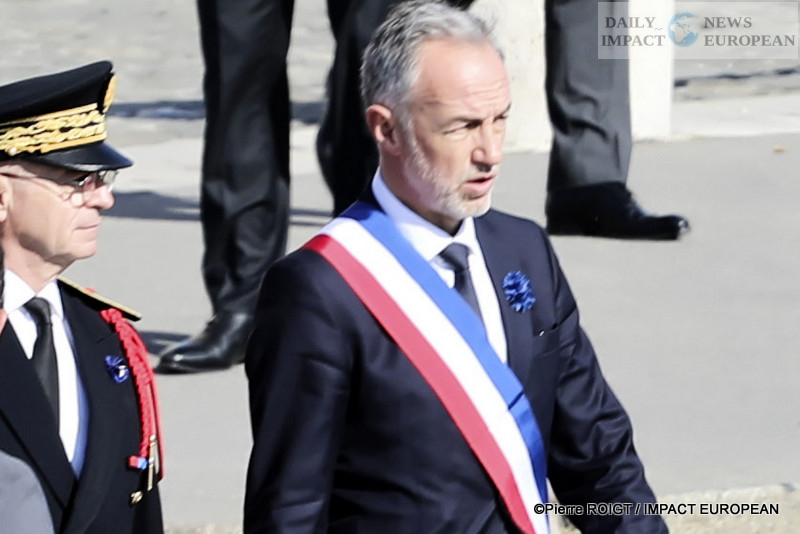
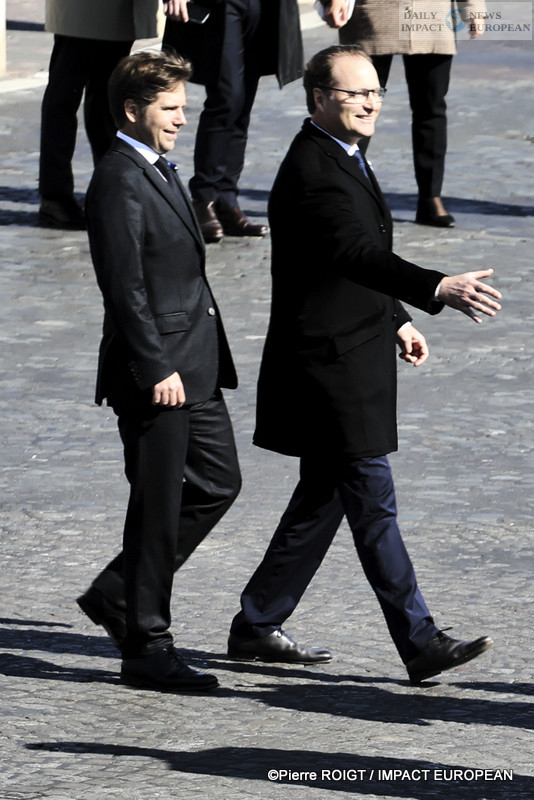
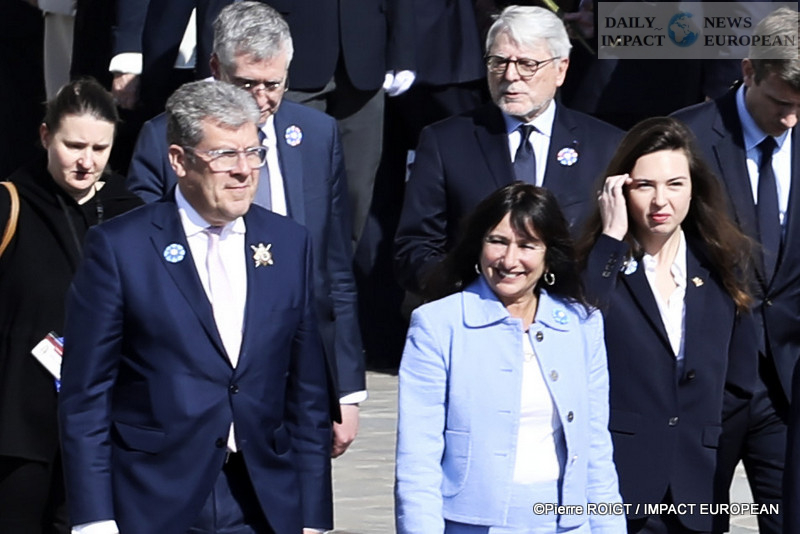
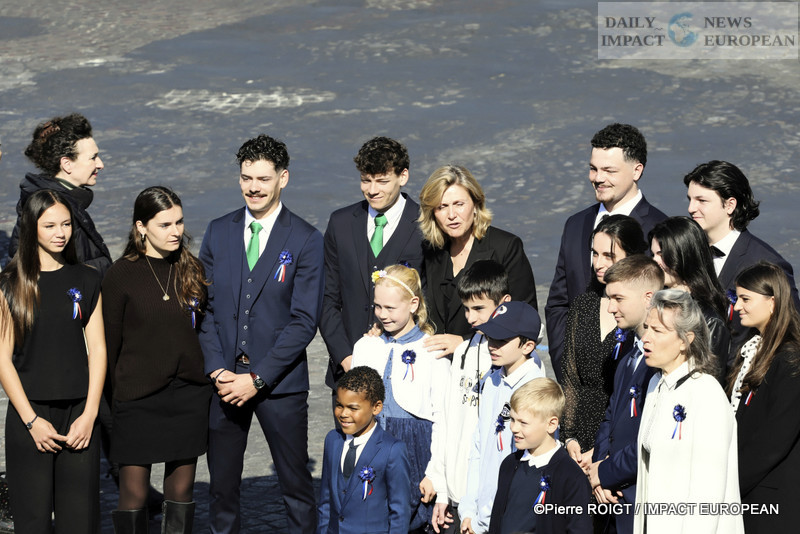
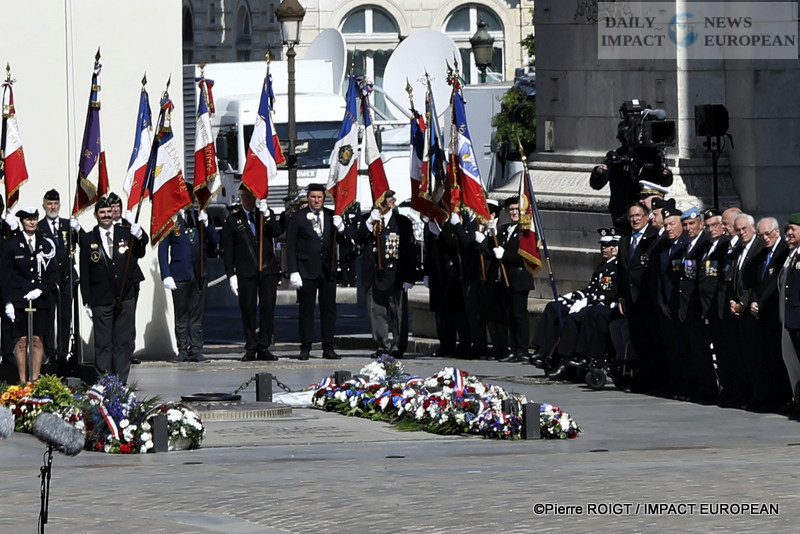
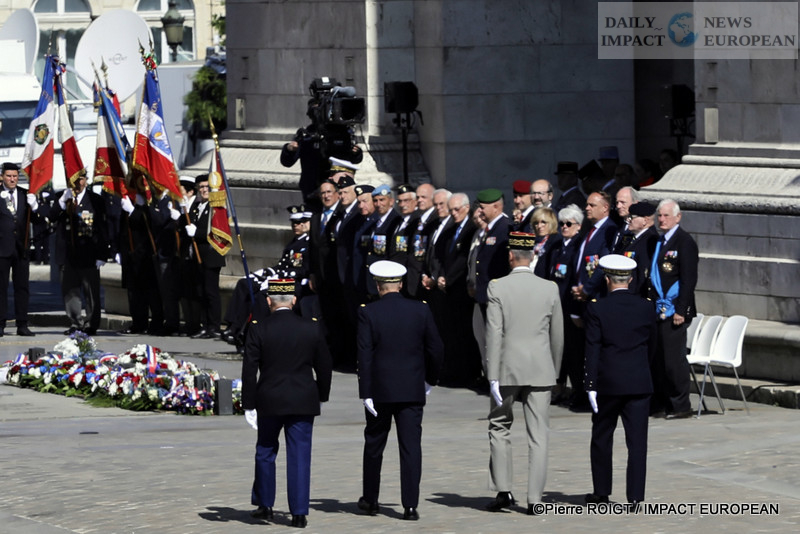
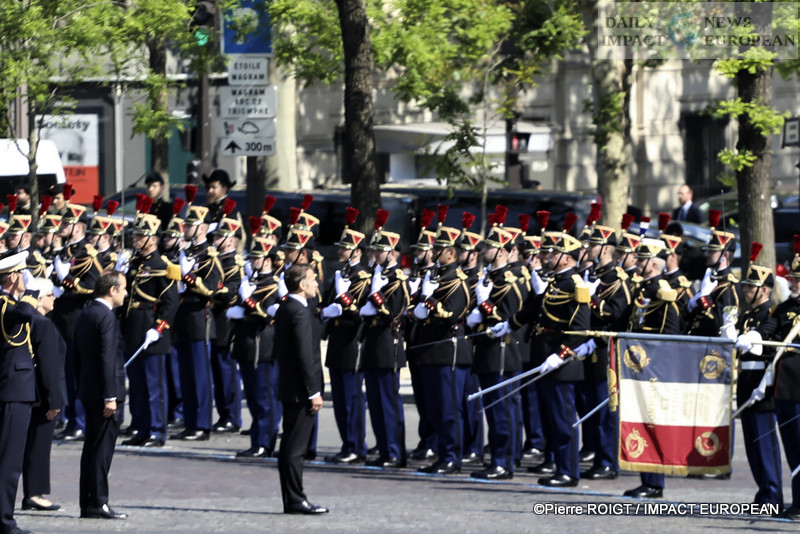
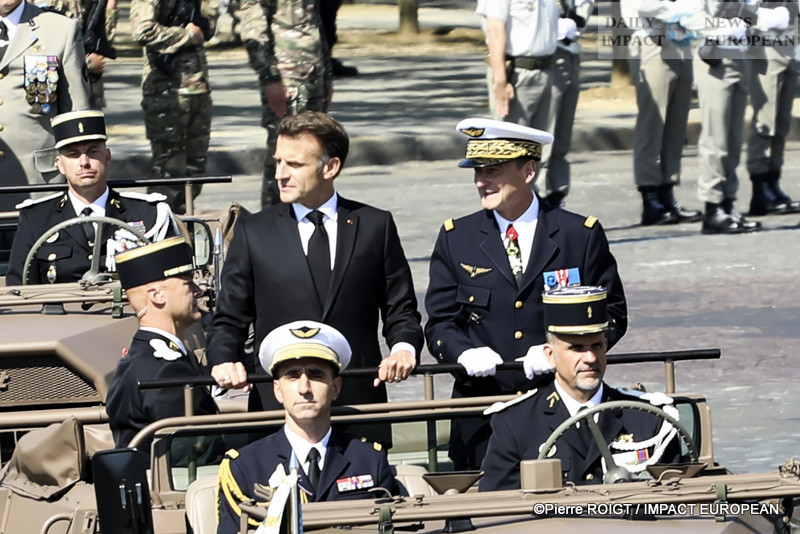
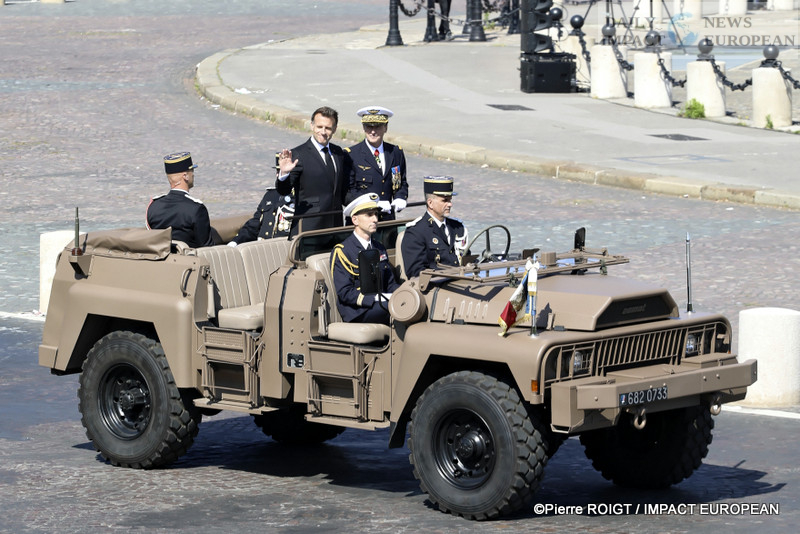
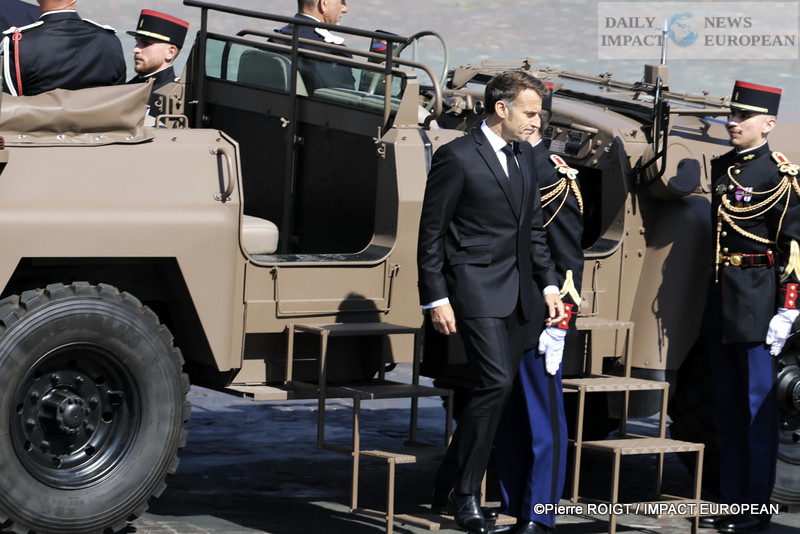
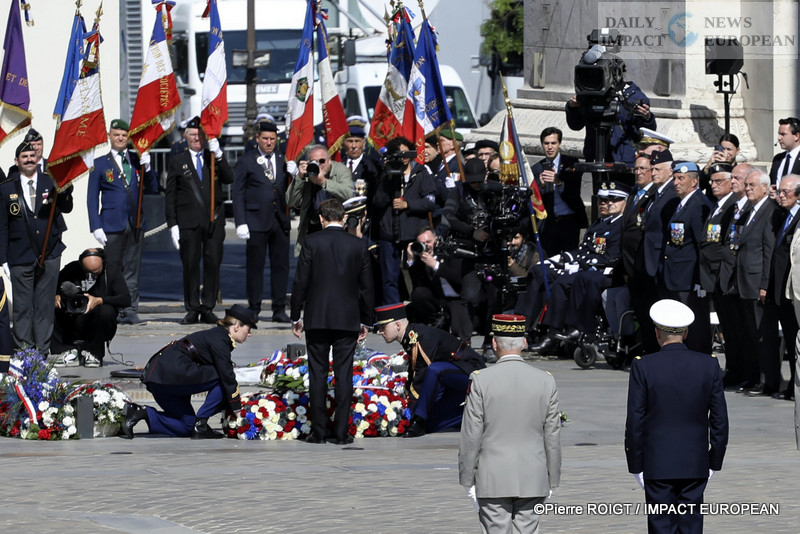
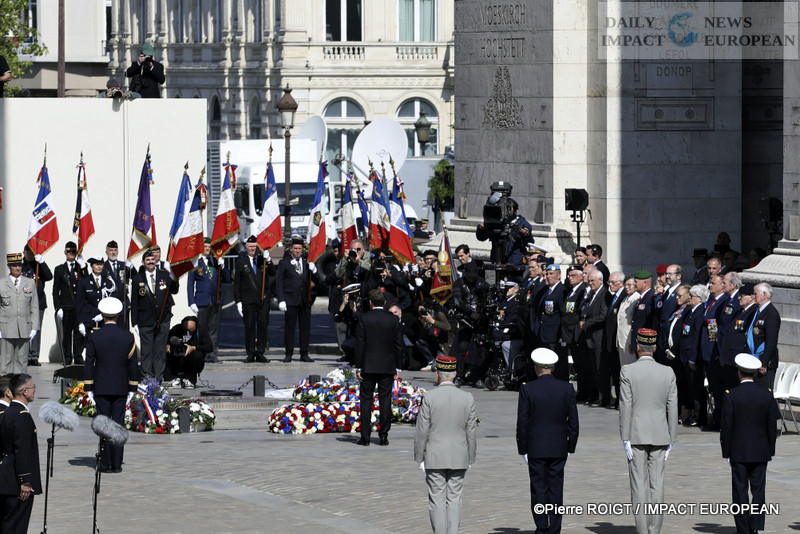
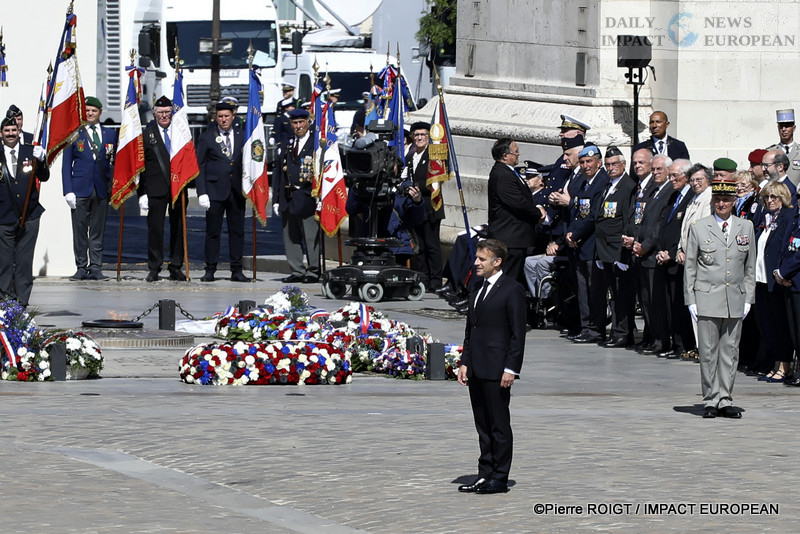
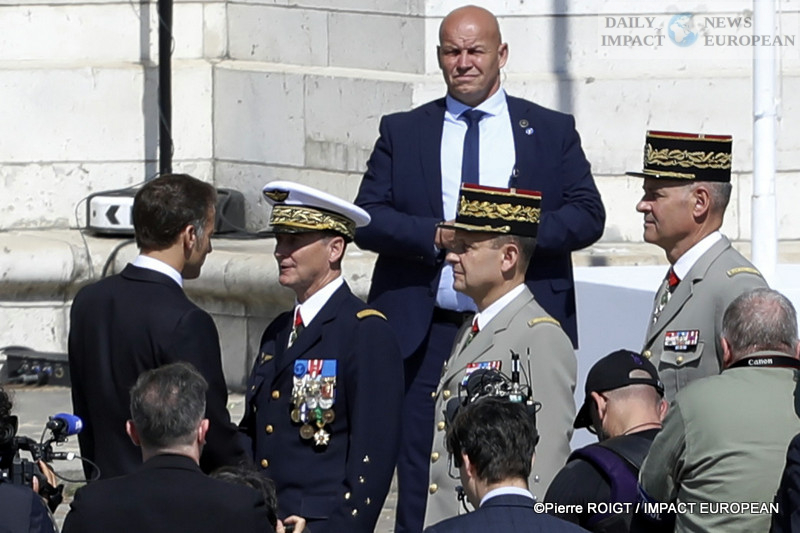
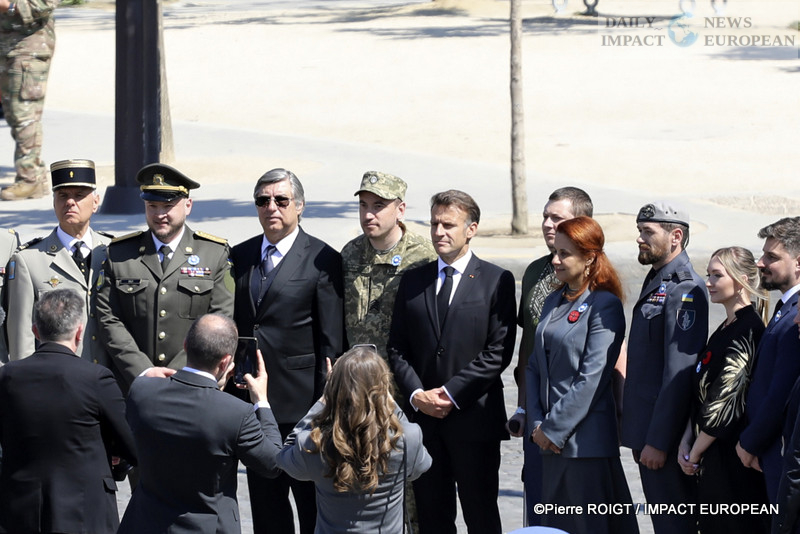
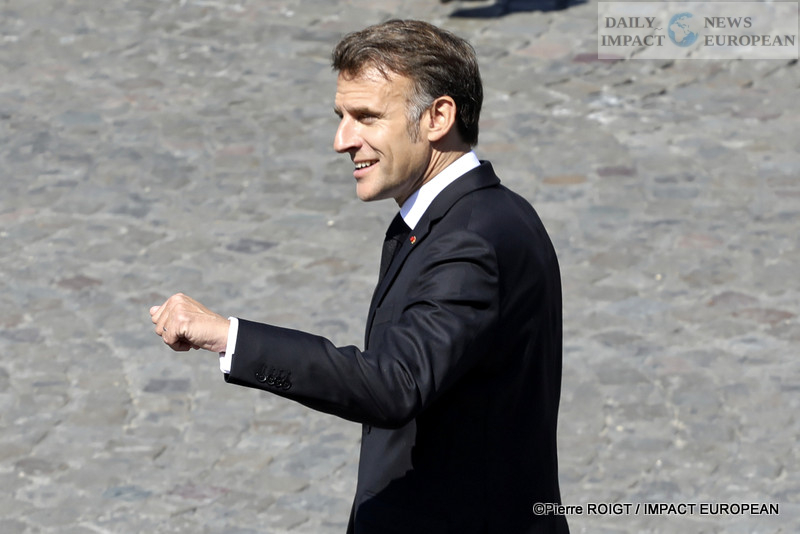
In Paris, French President Emmanuel Macron presided over what is expected to be the final May 8 commemoration ceremony of his presidential term. The event took place at the iconic Arc de Triomphe in the presence of military officials, veterans, political leaders and members of the public.
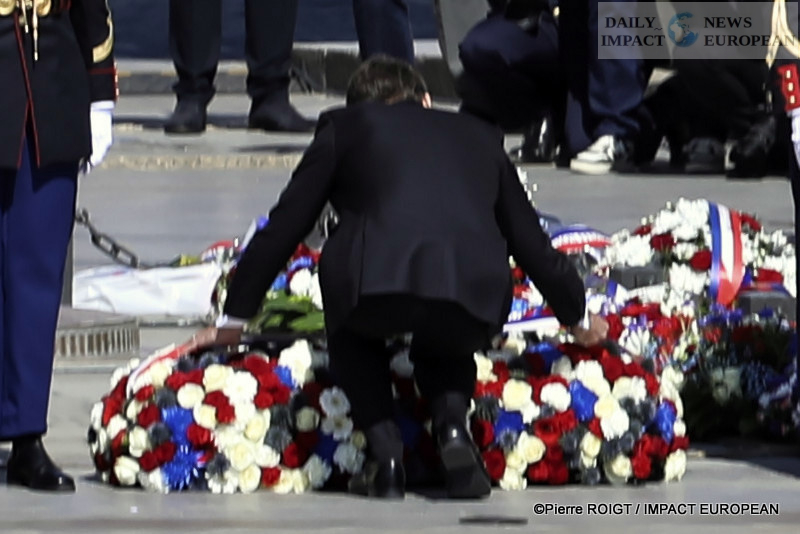
Following long-standing French tradition, the president laid a wreath at the statue of General Charles de Gaulle on the Champs-Élysées before rekindling the eternal flame at the Tomb of the Unknown Soldier beneath the Arc de Triomphe.
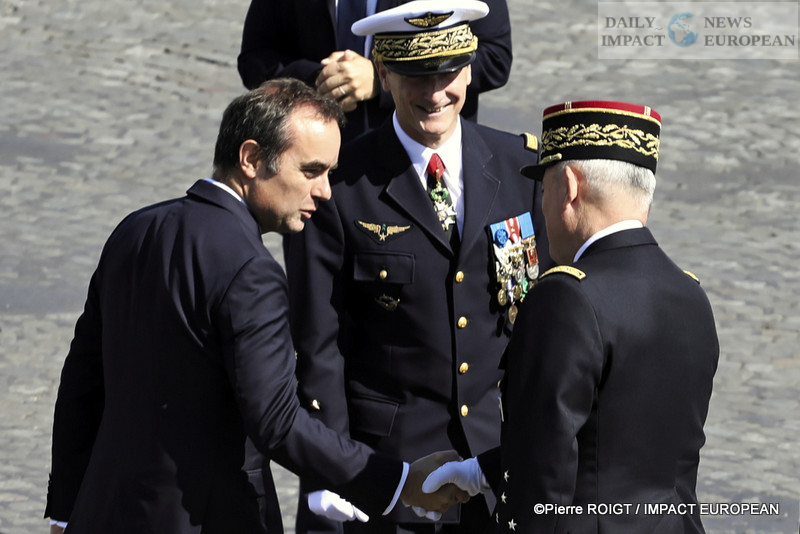
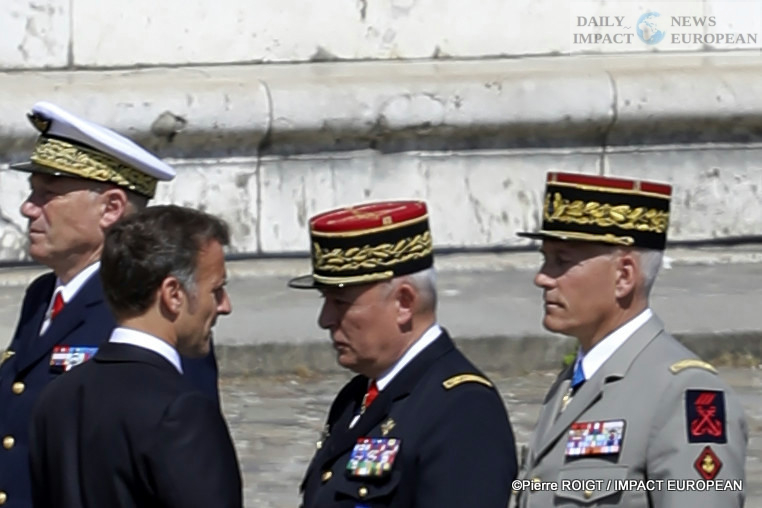
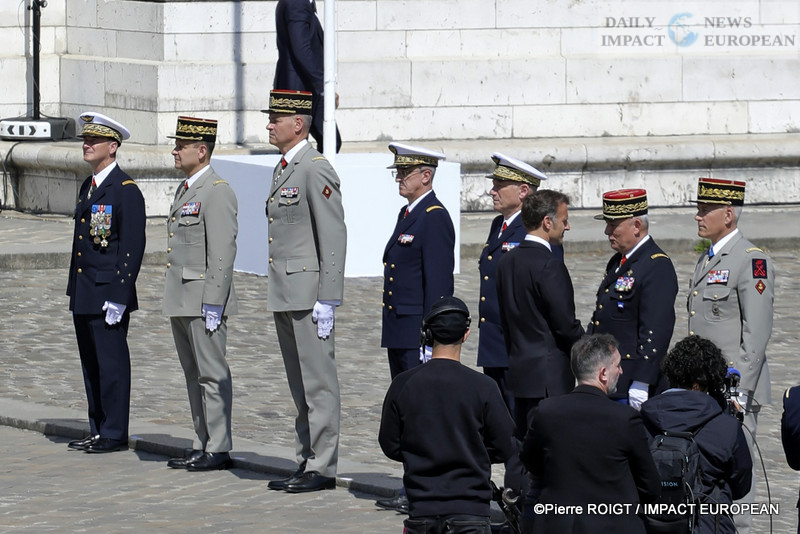
The ceremony concluded with greetings to veterans’ organizations, flag bearers and military representatives, emphasizing France’s continued commitment to preserving the memory of World War II and the French Resistance.
The May 8 anniversary remains one of the most important remembrance events in Europe. On May 8, 1945, Nazi Germany officially signed its unconditional surrender in Berlin before Allied representatives from France, the United States, the United Kingdom and the Soviet Union, bringing six years of war in Europe to an end.
Eighty-one years later, the ceremony carried strong symbolic significance as Europe continues to face geopolitical instability and rising international tensions.
This year’s commemoration also included an important diplomatic dimension regarding relations between France and Algeria. After nearly two years of diplomatic tensions, the French presidency announced its intention to “restore effective dialogue” with Algeria.
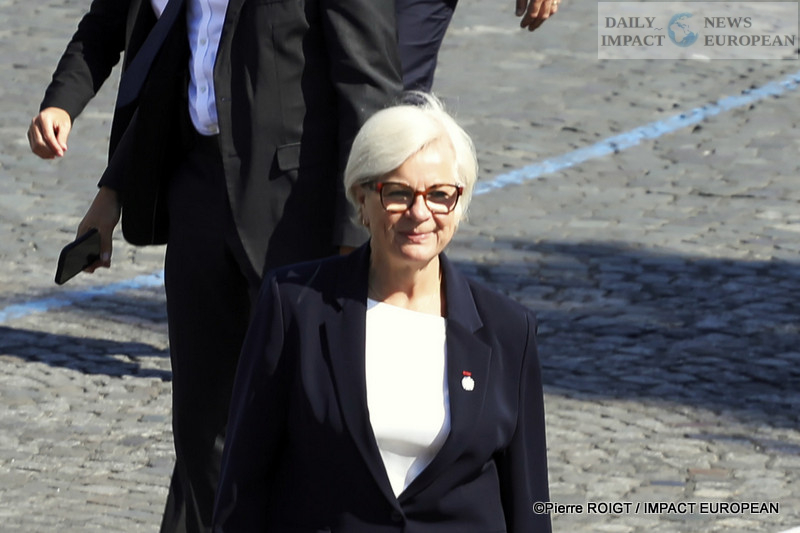
French Minister Delegate for the Armed Forces Alice Rufo traveled to Algeria to commemorate the tragic events of Sétif on May 8, 1945. While Europe celebrated victory over Nazi Germany, pro-independence demonstrations in Algeria were violently repressed by French authorities, leading to thousands of deaths according to historians.
The visit was widely seen as a symbolic gesture aimed at easing tensions and strengthening historical dialogue between the two countries.
At the same time, France is intensifying efforts to preserve the memory of the Resistance fighters who opposed Nazi occupation during World War II.
The Order of Liberation recently launched a major initiative called “Non immemor” — Latin for “Do not forget” — to identify and locate the last surviving recipients of the French Resistance Medal.
The distinction was created in London in 1943 by General Charles de Gaulle to honor acts of courage and resistance carried out against Nazi occupation and collaborators.
More than 65,000 individuals received the medal, including famous figures such as Joséphine Baker, Michel Debré and historian Marc Bloch. Around 40 percent of the awards were granted posthumously.
The initiative is supported by General Thierry Burkhard, Chief of the French Armed Forces Staff, who has consistently emphasized the importance of preserving historical memory.
The status of May 8 itself has evolved significantly in France over the decades. It became an official public holiday in 1953, lost that status in 1959, returned as a commemorative day in 1968, and was downgraded again in 1975 before being permanently reinstated as a national holiday in 1981 under President François Mitterrand.
Today, Victory in Europe Day remains not only a national remembrance event in France but also a broader symbol of peace, democracy and reconciliation across Europe.
As the last witnesses of World War II gradually disappear, ceremonies such as the one held in Paris continue to play a vital role in passing historical memory on to future generations.
©2026 – IMPACT EUROPEAN


























Views: 21
More Stories
Paris protest puts cost of living and public freedoms in focus
Art Basel Paris 2026: Global Art Meets an Unexpected Closure
France Protests on October 17: Mass Mobilization Overshadowed by Violence Across the Country