

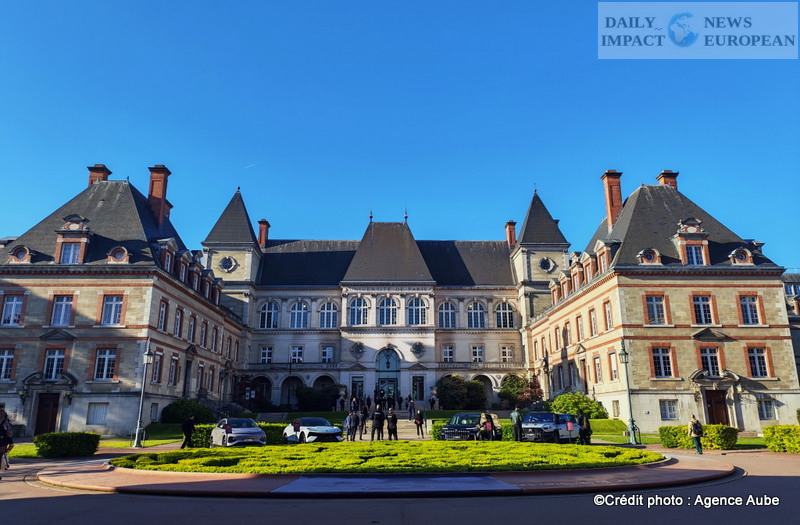
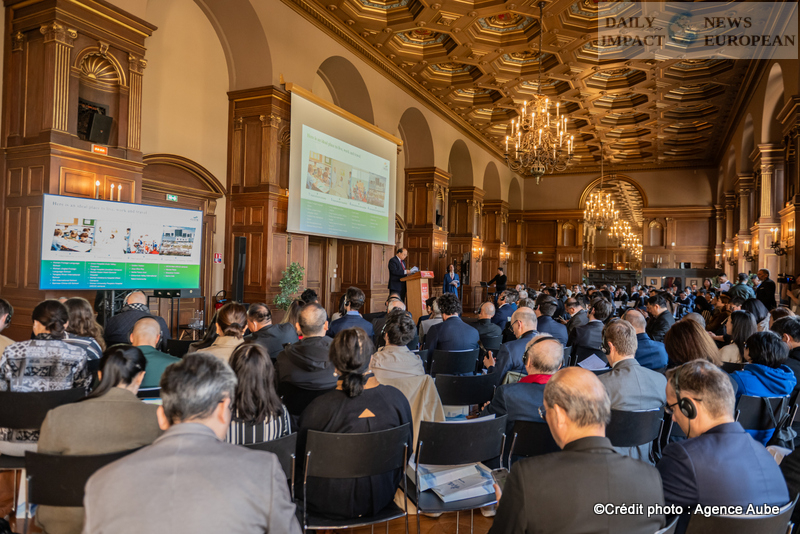
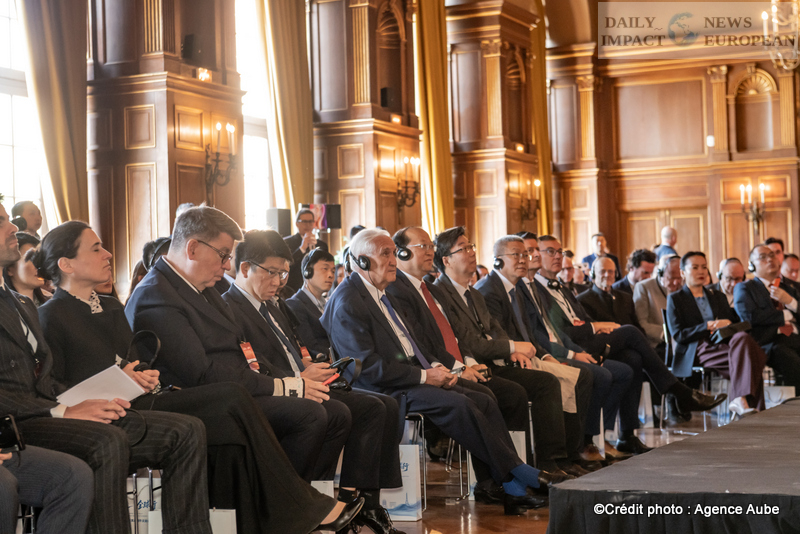
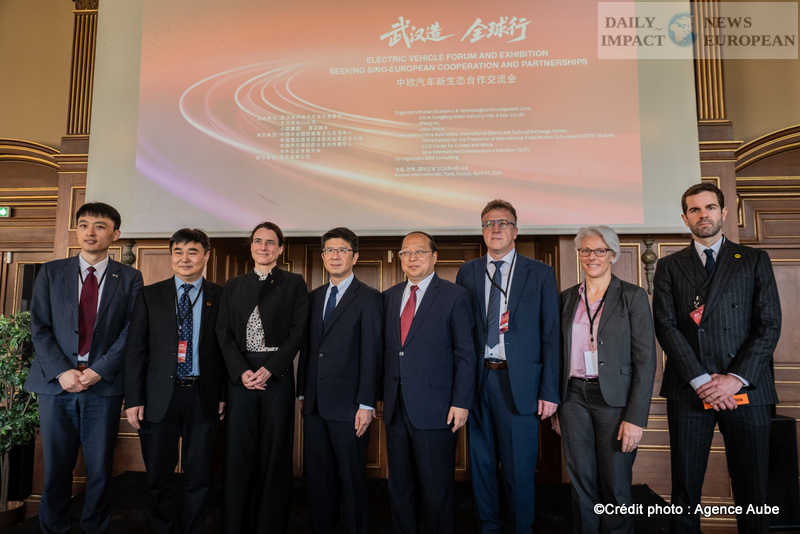
On April 14, 2026, the Maison internationale de Paris hosted a major international gathering that reflected the profound transformation of the global automotive industry. Under the theme “Wuhan Made, Global Reach,” more than 150 representatives from Chinese and European automotive sectors came together to discuss cooperation, innovation, and sustainability.
Beyond the exhibition of electric vehicles, the event symbolized a broader shift: the convergence of economic ambition, environmental responsibility, and geopolitical strategy.
A showcase of technological leadership
At the heart of the event was a display of next-generation electric and connected vehicles developed in Wuhan.
Major companies such as Dongfeng Motor Corporation and Voyah demonstrated their latest innovations, highlighting advancements in battery technology, smart connectivity, and autonomous driving systems.
Wuhan’s rapid evolution is striking. In 2025, more than half of its automotive production consisted of new energy vehicles, placing it among the most advanced industrial hubs in the world.
From local hub to global player
Wuhan is no longer just a regional industrial center. With 11 car manufacturers, 15 assembly plants, and over 1,000 suppliers, it has developed a fully integrated automotive ecosystem.
This scale enables the city to control the entire value chain, from design to production, making it highly competitive on the global stage.
A long-standing European partnership
The relationship between Wuhan and Europe is deeply rooted. Since 1991, cooperation between Stellantis and Dongfeng has shaped industrial ties.
Today, European suppliers like Valeo play a key role in this ecosystem, contributing to innovation in lighting systems and automotive software.
This long-term collaboration highlights the interdependence between European and Chinese industries.
The green transition as a global challenge
The shift to electric vehicles is not only a technological transformation but also an environmental imperative.
Reducing carbon emissions, improving air quality, and meeting climate targets are key drivers behind this transition.
However, challenges remain: battery recycling, raw material supply, and infrastructure development are critical issues that require international cooperation.
Supply chains and global resilience
One of the central themes of the forum was the resilience of global supply chains.
Recent disruptions have exposed vulnerabilities in the automotive industry. Strengthening cooperation between Europe and China is seen as a way to ensure stability and efficiency.
Yet, this interdependence also raises concerns about over-reliance and strategic autonomy.
Strategic agreements and future outlook
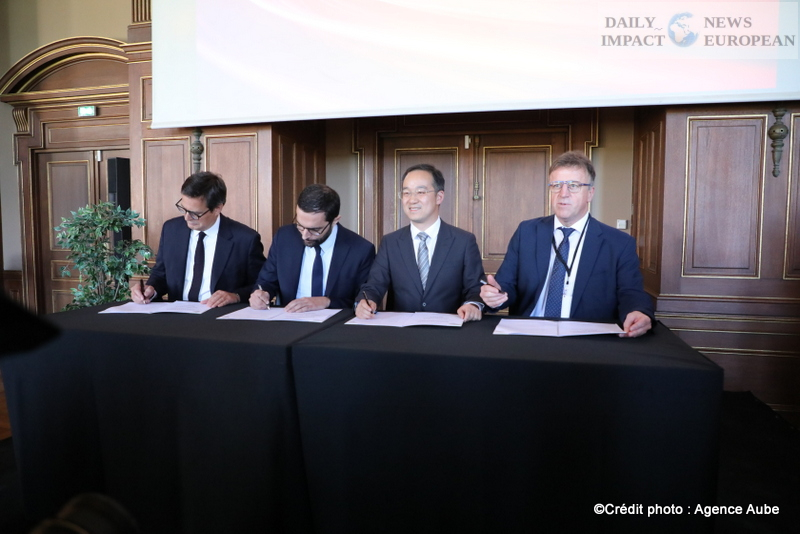
The event led to the signing of several cooperation agreements involving European and Chinese companies, including ZF Friedrichshafen.
These agreements focus on research, development, and market expansion, reflecting a shared commitment to building a sustainable automotive future.
Political dimension
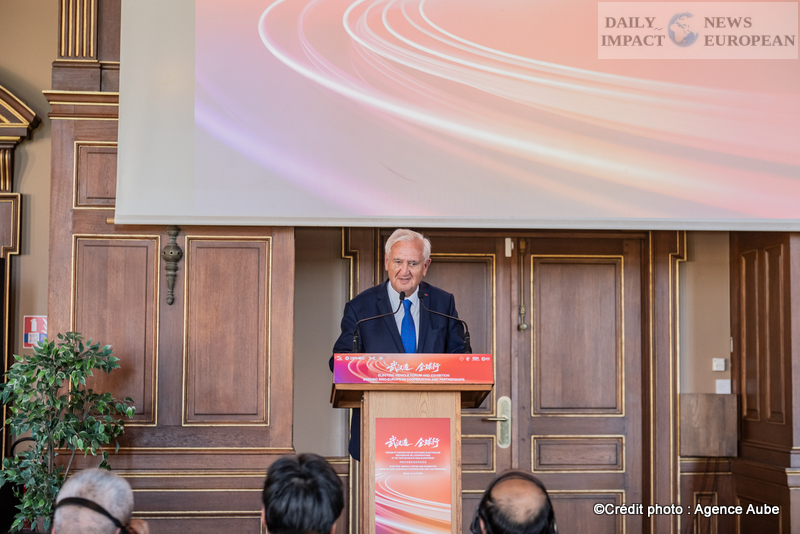
The presence of Jean-Pierre Raffarin emphasized the political importance of such initiatives.
He highlighted the long-term success of Franco-Chinese cooperation and encouraged further collaboration in emerging sectors like smart mobility and new energy vehicles.
A shifting global balance
The global automotive industry is undergoing a profound transformation.
China’s rapid progress, exemplified by Wuhan, is reshaping the competitive landscape. Europe, meanwhile, must adapt to maintain its position while pursuing its environmental goals.
The “Wuhan Made, Global Reach” forum is more than an industrial event. It reflects the evolving dynamics of a globalized world where economic competition and environmental responsibility are increasingly intertwined.
As electric mobility becomes the new standard, cooperation between regions will be essential to build a sustainable and resilient future.
©2026 – IMPACT EUROPEAN
Views: 13
More Stories
France Protests on October 17: Mass Mobilization Overshadowed by Violence Across the Country
Work Palace Opens in Paris: INSITU Brings Luxury Hospitality Into the Workplace
Rugby Pro D2: Colomiers Defeat Narbonne 49-28 to Claim Bonus-Point Victory