

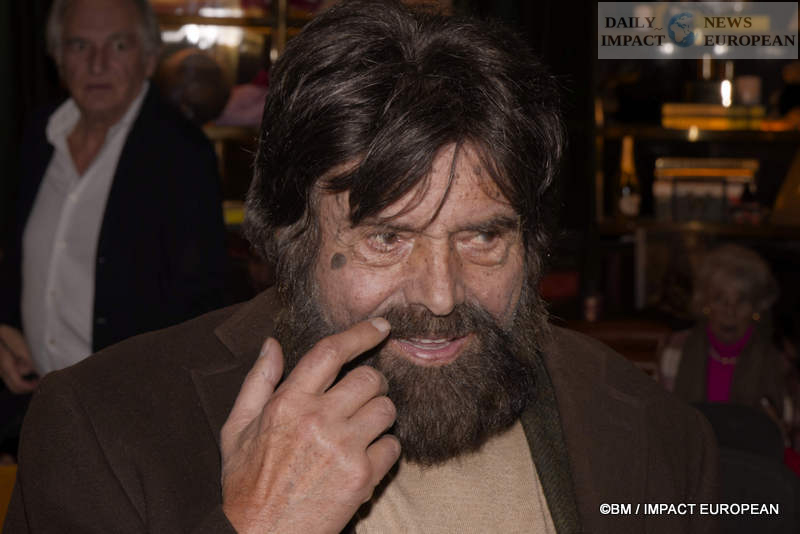
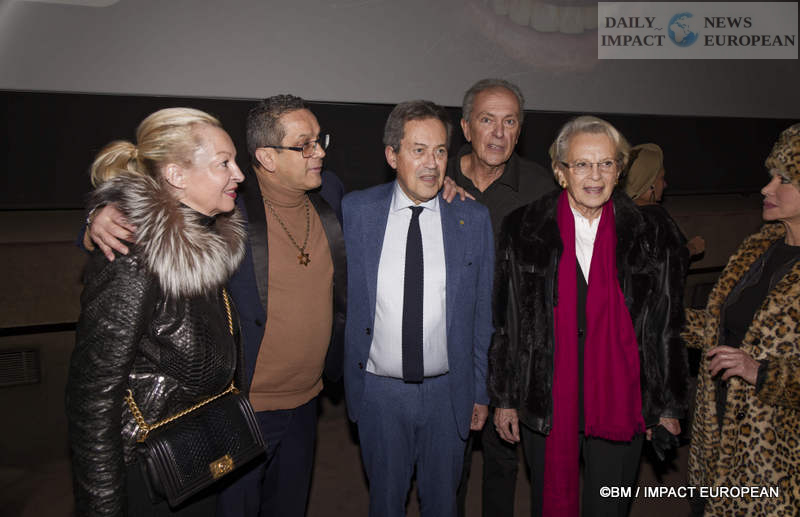
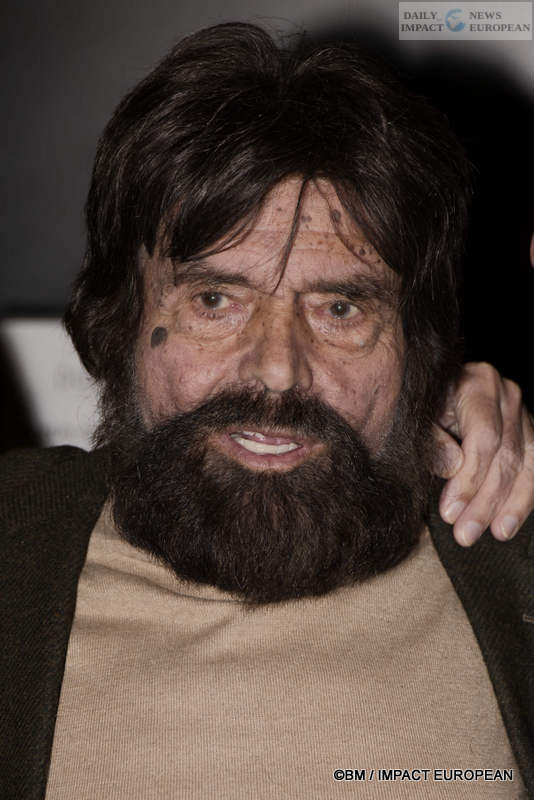
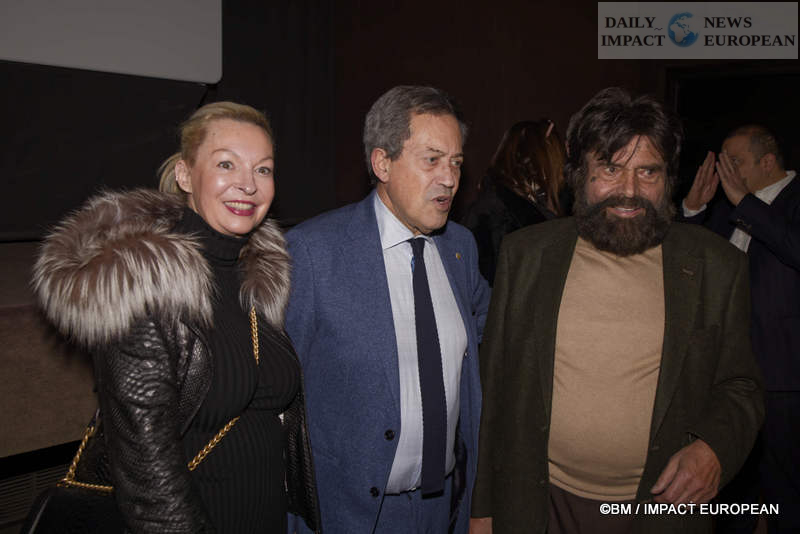
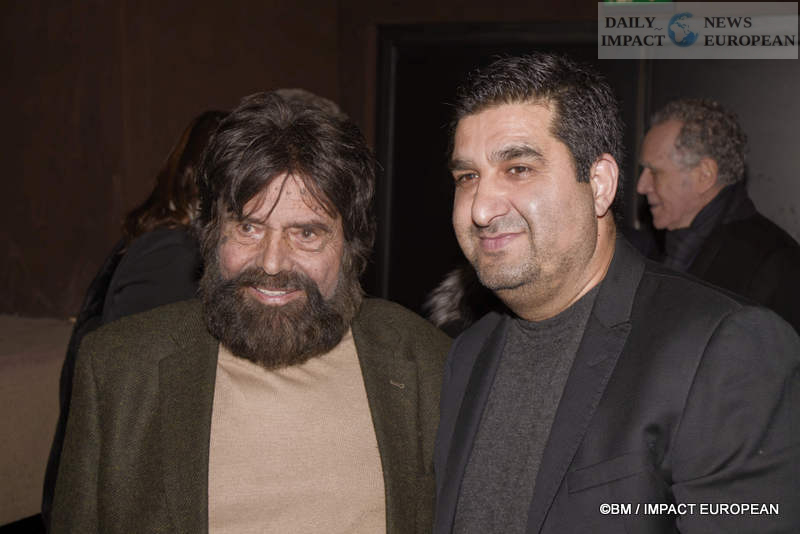
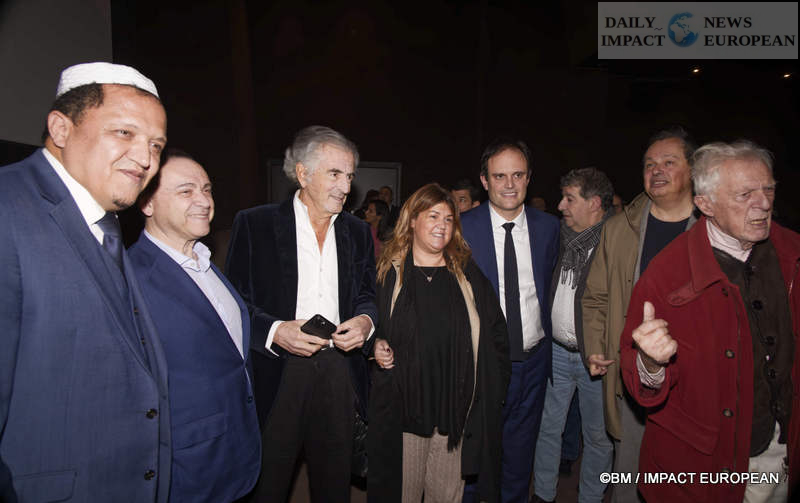
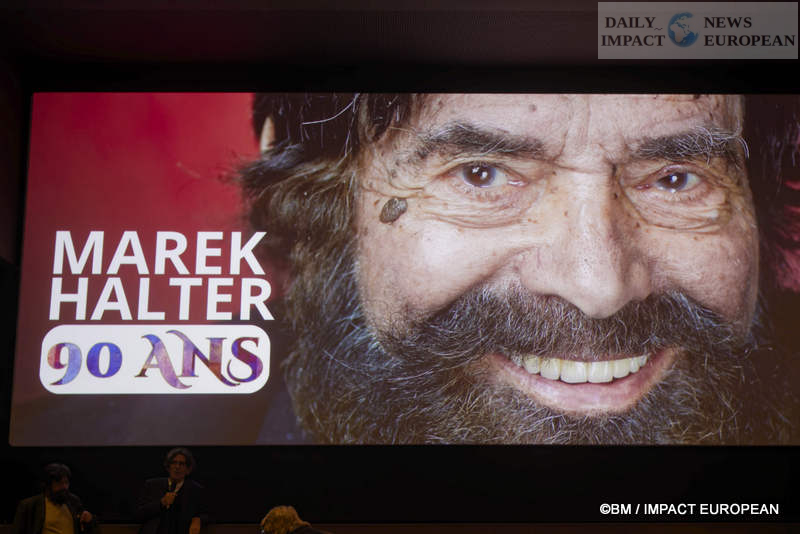
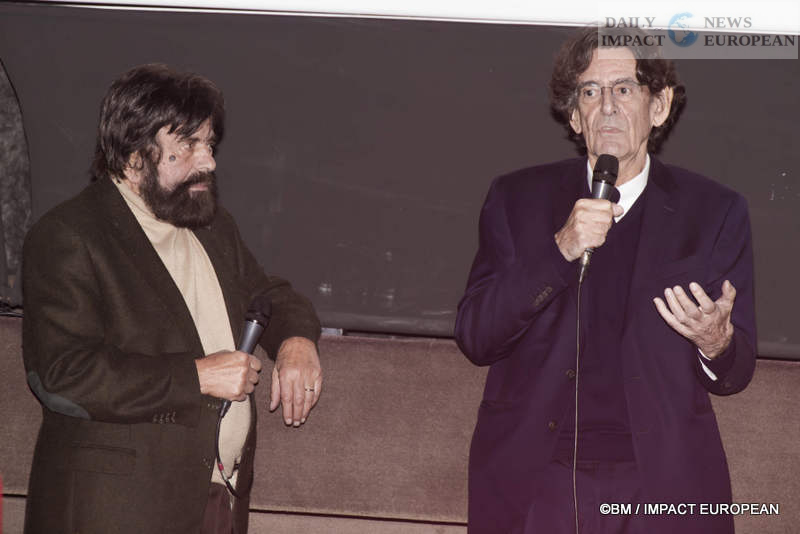
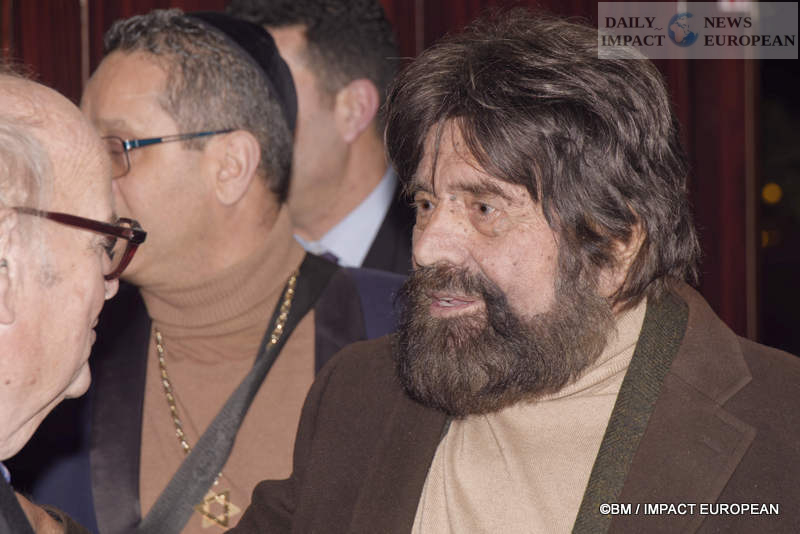
At 90, Marek Halter stands as one of the most influential literary and humanist voices of our time. His life is a testament to survival, resilience, and the power of storytelling to illuminate the darkest chapters of history. Recently, the acclaimed writer and activist celebrated his milestone birthday at the Publicis Cinema on Paris’s iconic Champs-Élysées, in an evening that brought together political leaders, intellectuals, artists, and religious figures. The event was a rare opportunity to honor a man whose life spans some of the most tumultuous events of the 20th century while remaining firmly committed to dialogue, justice, and peace.
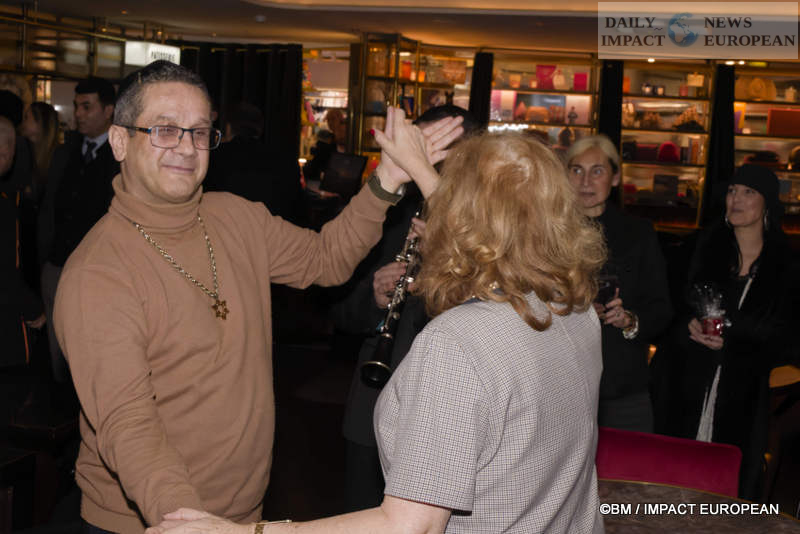
The evening featured the premiere of a teaser for PAIX (Peace), a film chronicling Halter’s life, produced by Arecina and soon to be released on Netflix. Following the screening, guests enjoyed a reception in the cinema’s elegant halls. The celebration was organized in collaboration with the association CitéStars, led by its president David Donadei, who explained that Halter’s life and work embody the values of cultural dialogue, memory preservation, and civic engagement.
Childhood in the Shadow of War
Born in 1936 in Warsaw, Marek Halter’s early years were shaped by the unfolding tragedy of the Second World War. In 1940, his parents fled the Warsaw Ghetto, a place of unimaginable suffering and death, to escape Nazi persecution. The family’s journey led them first to Moscow, where they sought refuge, and then to Kokand, Uzbekistan, deep in the Soviet Union. There, they endured harsh conditions, scarcity, and uncertainty, living in exile far from their home and culture.
Halter has often reflected on these formative years: “Those early experiences of fear and survival made me aware, even as a child, of how fragile life is, and how vital it is to preserve memory. The stories of my family, of those who did not survive, became a moral compass for me.”
In 1946, the family briefly returned to Poland, a country scarred and restructured after the war. But by 1950, they decided to settle permanently in Paris. France, for Halter, represented more than safety: it was a land of values, freedom, and moral principles. He recalls a vivid memory from his childhood in Paris:
“When I entered a police station with my uncle, I looked around and said, ‘Everyone here must be Jewish.’ He asked why, and I replied, ‘Because, for me, the Declaration of Human Rights is like the Ten Commandments.’”
This early encounter with universal principles, interpreted through the lens of his own heritage, would profoundly shape Halter’s worldview.
From Painting to Writing
In Paris, Halter first turned to painting as a means of expression. He exhibited his work in the 1950s, exploring colors and shapes to communicate what words could not yet capture. But it was writing that became his true calling. For Halter, literature was not simply art—it was a moral act, a way to preserve memory, question injustice, and illuminate the human condition.
His literary breakthrough came in 1976 with The Fool and the Kings, a bold novel addressing the Israeli-Palestinian conflict at a time when public discourse on the subject was scarce. The book earned the Prix Aujourd’hui, establishing Halter as a fearless, independent voice committed to dialogue and understanding.
In 1983, he achieved international acclaim with The Memory of Abraham, a sweeping historical saga tracing the Jewish people across centuries. Translated into multiple languages, the novel solidified Halter’s reputation as a “guardian of memory,” a writer bridging generations and cultures through storytelling.
A Lifelong Commitment to Peace
Beyond literature, Halter has devoted his life to activism. In 1967, he founded the International Committee for a Negotiated Peace in the Middle East, convinced that dialogue is the only path toward lasting resolution. Over the decades, he has worked tirelessly to foster conversation and understanding between Israelis and Palestinians, emphasizing the power of empathy over conflict.
“Marek Halter was also deeply involved in the fight against racism in France and strongly supported the initiatives that led to the creation of SOS Racisme.” He describes his activism as inseparable from his literary work:
“Writing is not just about telling stories. It is about awakening conscience, reminding people of their moral responsibilities, and defending the values of justice and peace.”
The Jew: A Contemporary Parable
Even at 90, Halter continues to produce work of striking relevance. His latest novel, The Jew, published by Fayard, is both a parable and a deeply personal exploration of identity and prejudice. The story follows a man who is not Jewish but is labeled as such due to a childhood circumcision performed for medical reasons. At school, the protagonist faces mockery:
“You’re circumcised? You’re Jewish.”
Although he identifies as Catholic, this label sticks, shaping his life in ways he cannot control. The main character, Jean-David Dupuis, becomes “a Jew despite himself,” forced to navigate a world that judges him by appearances.
Halter interweaves this personal journey with a subplot of espionage set against the backdrop of Middle East conflicts. Part of the novel is set in France’s Somme region, in the town of Autheux, where Halter himself spent time in the 1970s. This mix of historical reality, geography, and contemporary politics gives the novel a striking resonance for modern readers worldwide.
Remembering the Past, Speaking to the Future
Halter’s novels are deeply anchored in history, but they always speak to the present. They explore the weight of memory, the struggle of identity, and the moral choices that define humanity. In interviews, he has often emphasized that literature is a form of resistance:
“We must never forget. Memory is our shield, our compass, and our hope. Even when history is cruel, we must bear witness.”
A Celebration of Life and Influence
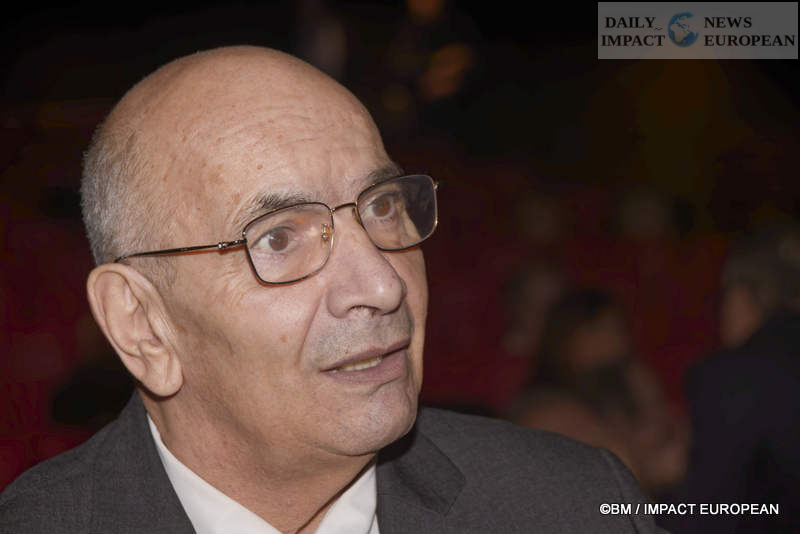
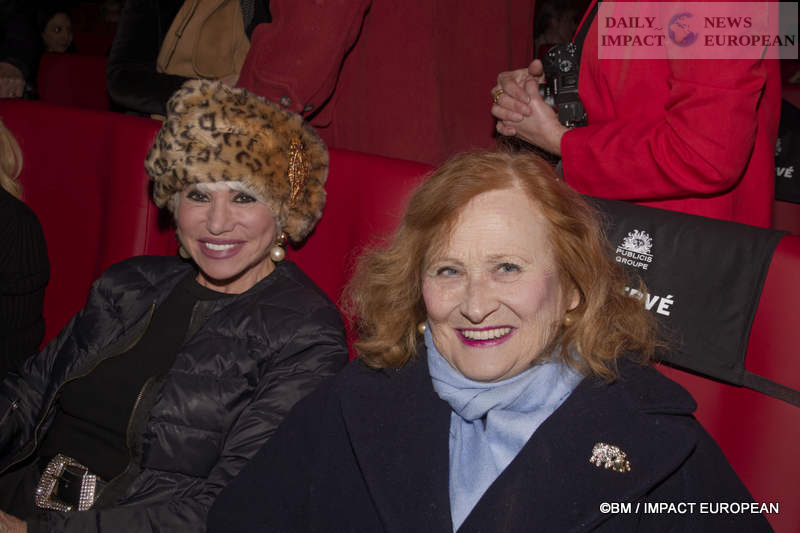
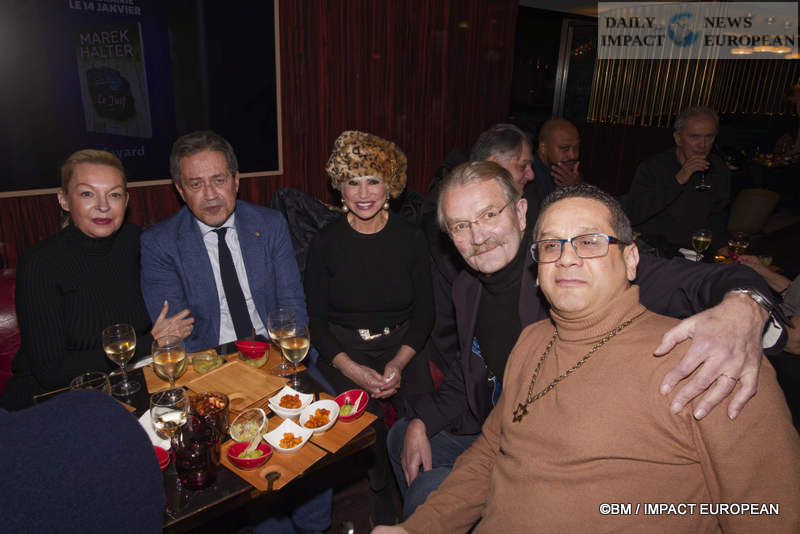
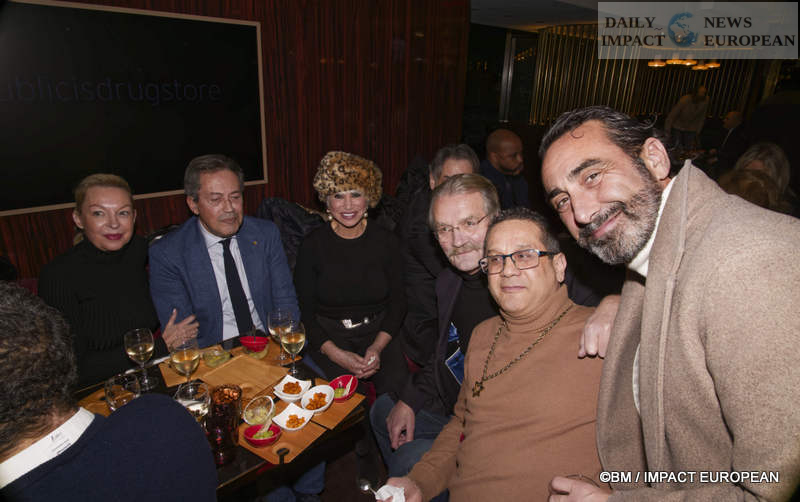
Halter’s 90th birthday was attended by a wide spectrum of personalities, reflecting his diverse influence. Guests included former ministers Michèle Alliot-Marie and Bernard Kouchner, philosopher Luc Ferry, Frédéric Thiriez, Imam Hassen Chalghoumi, Georges and Amélie Fenech, actors Olivier Benkemoun and Katia Tchenko, and cultural figures including Magalie Berdah and Richard and Sylvie Sanderson. The presence of political, artistic, and religious leaders underscored Halter’s role as a unifying figure across society.
The celebration, organized with CitéStars and its president David Donadei, was more than a birthday—it was a testament to the power of memory, dialogue, and humanistic values.
Continuing the Mission
Now in his tenth decade, Halter remains active. He writes, speaks, and engages with global issues, insisting on optimism as a moral stance:
“We must remain optimistic, despite everything.”
This simple message encapsulates a life lived with courage, conscience, and hope. Halter’s journey, from the Warsaw Ghetto to international literary acclaim, illustrates how storytelling, memory, and moral conviction can illuminate even the darkest times and inspire generations worldwide.
Marek Halter’s life is a reminder that literature is more than words on a page. It is a bridge between past and future, a call to conscience, and a beacon for all who believe in justice, peace, and human dignity.
©2026 – IMPACT EUROPEAN
























Views: 15
More Stories
Paris Pride 2026: From Political Mobilisation to a European Message of Solidarity
France’s September 29 Strike: When Pay Becomes a Question of Public-Service Capacity
Pope Leo XIV in France: From Human Dignity to Europe’s Search for Peace