

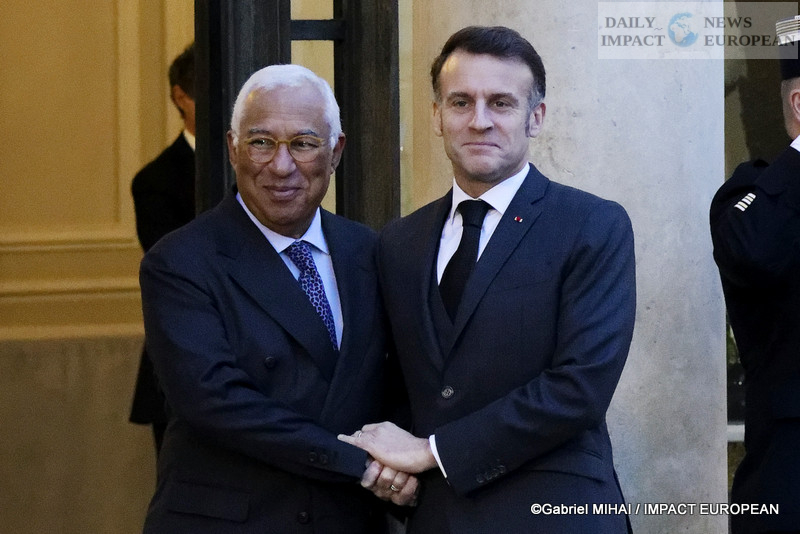
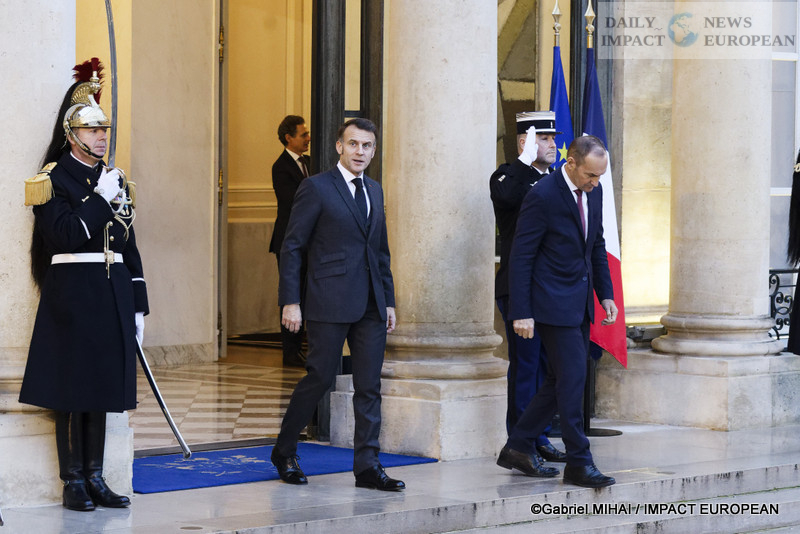
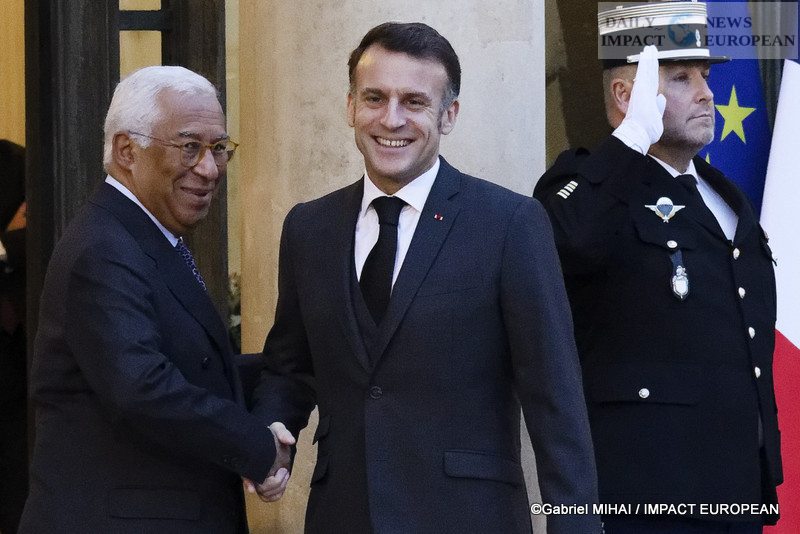
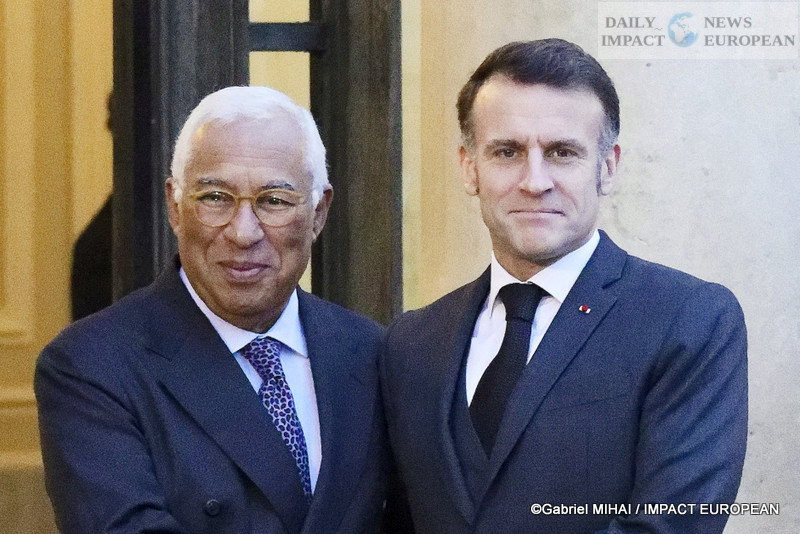
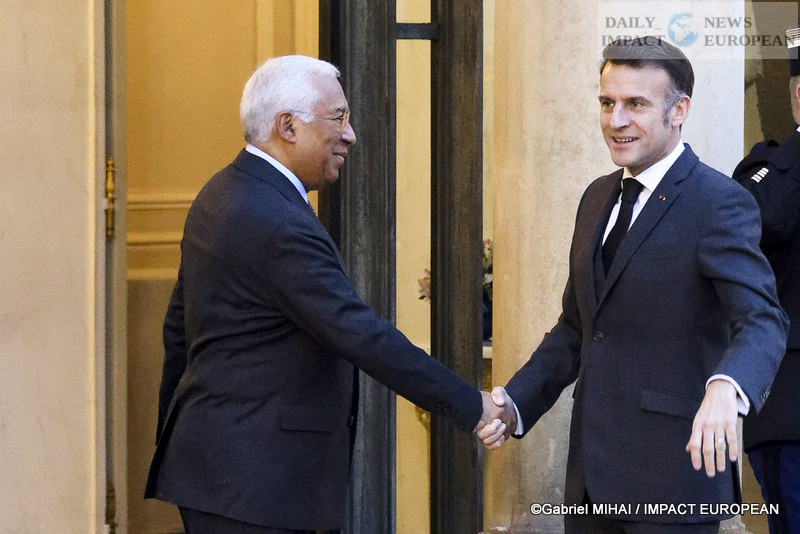
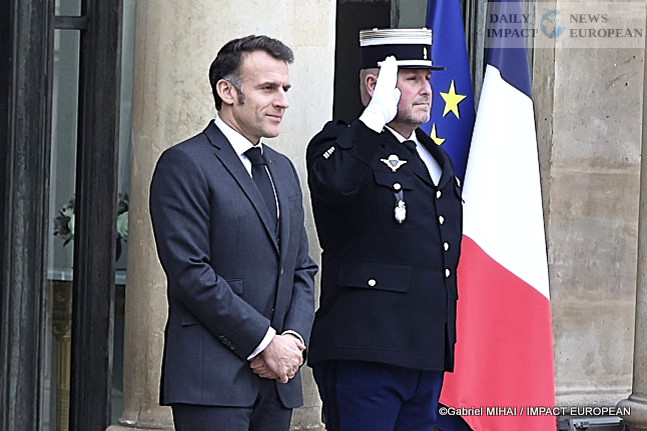
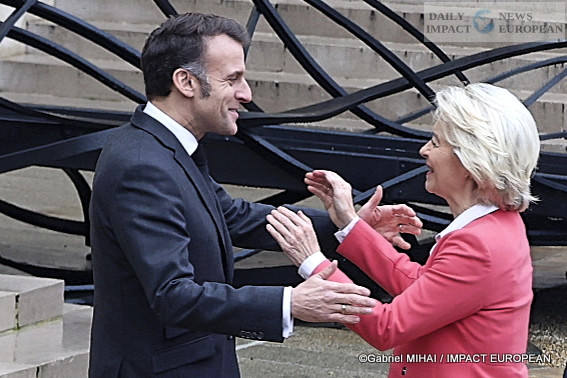
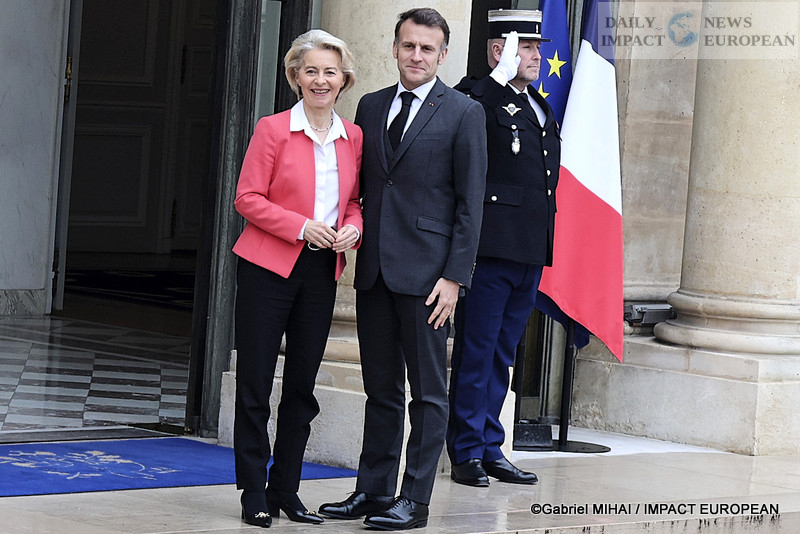
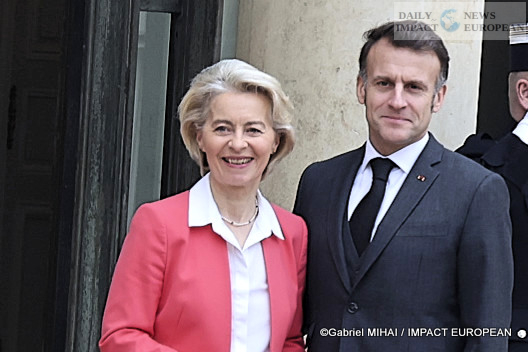
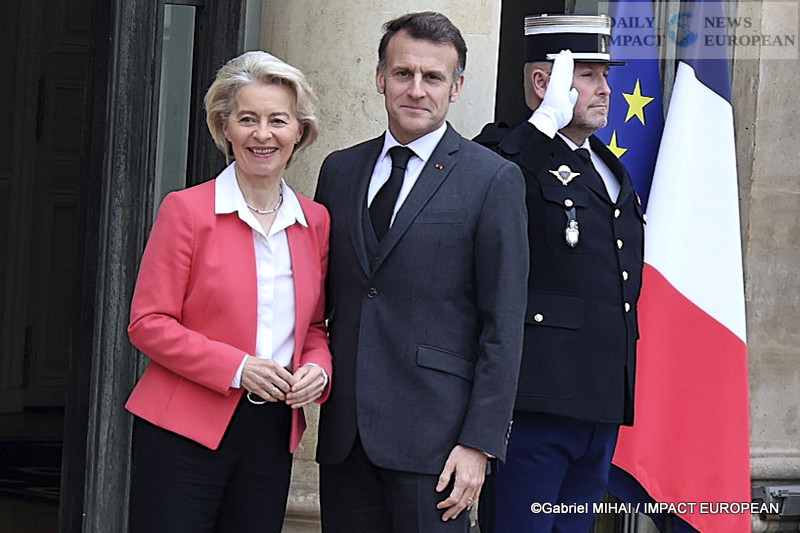
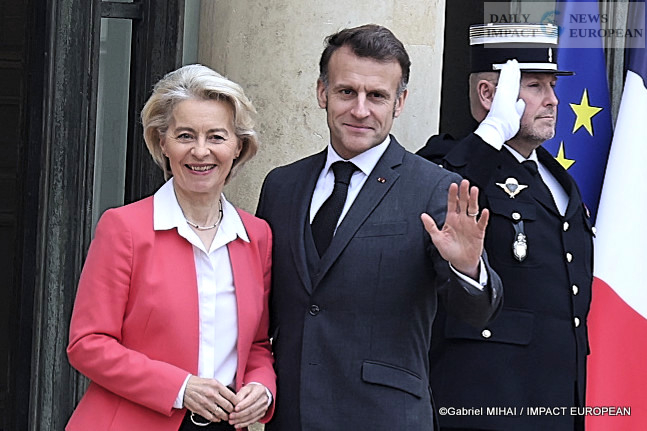
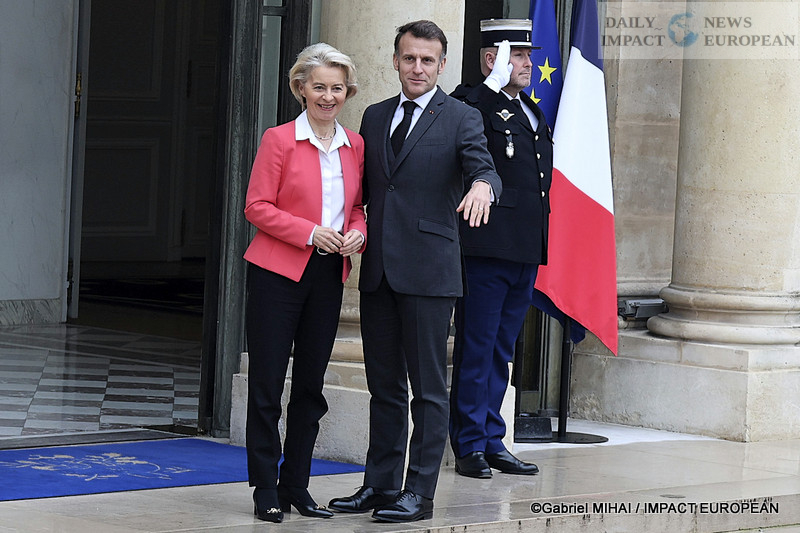
In a context of growing geopolitical tensions and intensifying global economic competition, the European Union is seeking to strengthen its strategic autonomy. Against this backdrop, French President Emmanuel Macron hosted European Council President António Costa and European Commission President Ursula von der Leyen at the Élysée Palace, ahead of the informal retreat of EU leaders scheduled for 12 February, dedicated to European competitiveness.
During the meeting, Emmanuel Macron called on the European Union to accelerate its economic strategy, emphasizing the urgency of reinforcing Europe’s competitiveness and sovereignty. The French president advocates a profound shift in European economic policy, framed as a geoeconomic transformation, aimed at enabling the EU to better defend its interests in an increasingly fragmented international system.
In a message published on X, Macron stated:
“For a Europe that decides for itself, more competitive and more sovereign. My message: accelerate our European independence agenda. Invest, protect, diversify and simplify — faster.”
Discussions focused on shared European priorities, including innovation, investment, growth, employment, and the strengthening of Europe’s industrial base. Particular attention was paid to reducing strategic dependencies, notably vis-à-vis the United States and China, especially in critical sectors such as defense, energy, and advanced technologies.
Security and defense were also central to the talks. Russia’s war of aggression against Ukraine has acted as a catalyst for Europe’s strategic rethinking. The European Union has repeatedly reaffirmed its unwavering support for Ukraine’s independence, sovereignty, and territorial integrity within its internationally recognized borders, while calling for a full, immediate, and unconditional ceasefire.
Although defense remains a national competence, the EU plays an increasingly important complementary role by supporting higher national defense spending and reinforcing the European defense industrial base. Instruments such as the European Defence Industry Reinforcement through common Procurement Act (EDIRPA) and the Act in Support of Ammunition Production (ASAP) aim to boost joint procurement and increase industrial output. These initiatives include strict requirements to limit reliance on non-European components, reflecting the EU’s determination to secure its strategic supply chains.
Economic sovereignty is also addressed through financial reforms. The development of the Capital Markets Union is seen as a key lever to mobilize private investment and retain European savings within the EU, at a time when significant capital flows continue to finance the US economy.
With the participation of former European Central Bank President Mario Draghi in the upcoming leaders’ retreat, the European Union signals its intention to anchor this strategic shift in economic credibility and long-term sustainability.
Through this agenda, the EU seeks to redefine itself as a geopolitical and geoeconomic actor, capable of combining economic strength, industrial resilience, and security in order to navigate an increasingly competitive and unstable global environment.
©2026 – IMPACT EUROPEAN
Views: 0
More Stories
Roshmode Paris: redefining contemporary luxury through identity and craftsmanship
Inside EFFRONTÉS: a new immersive cabaret experience in Paris
In Paris, protests against pesticides reflect a growing global crisis