

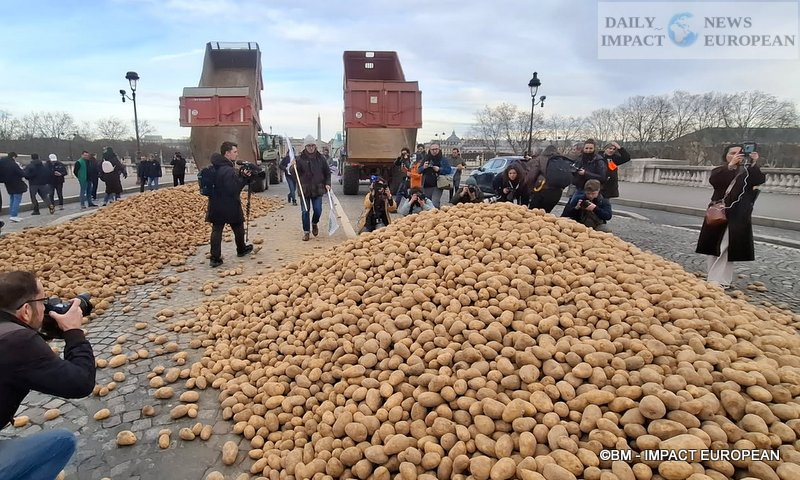
On Tuesday 13 January, French farmers staged major protests in Paris and across France to express their anger over the planned free trade agreement between the European Union and the Mercosur countries (Argentina, Brazil, Paraguay and Uruguay). The demonstrations highlight a wider agricultural crisis affecting farmers throughout Europe.
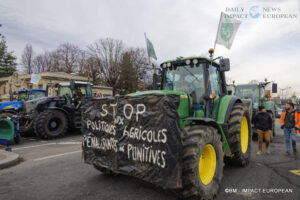
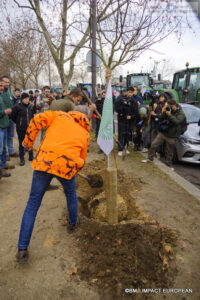
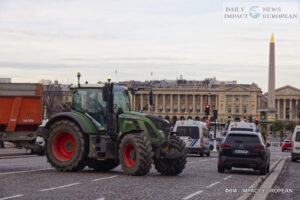
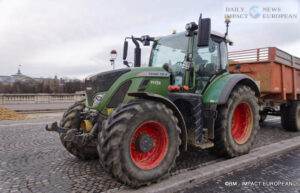
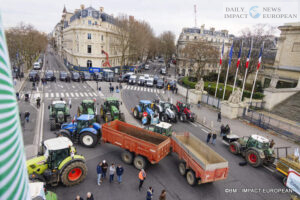
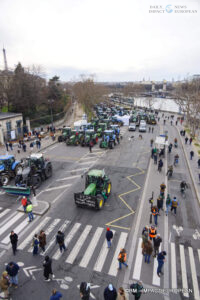
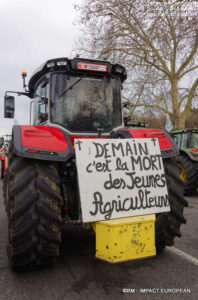
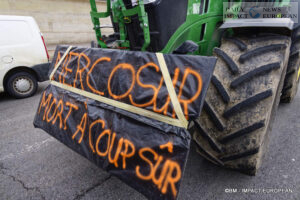
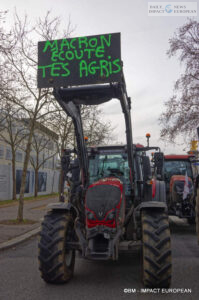
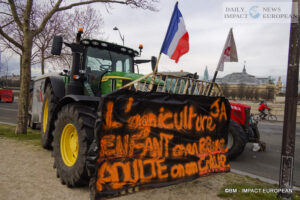
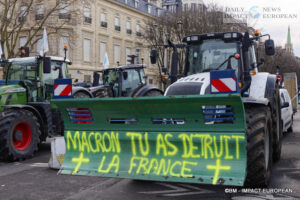
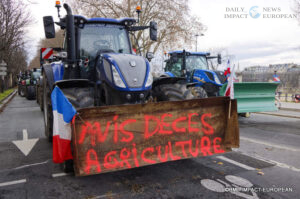
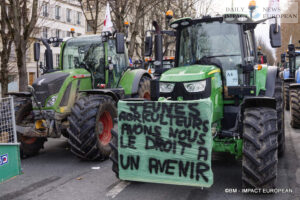
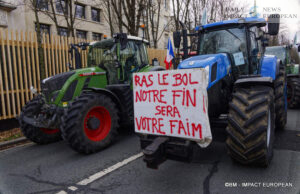
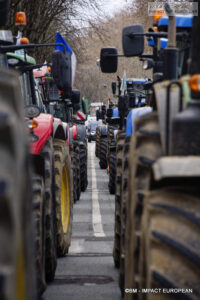
From early morning, dozens of tractors from the FNSEA union and the Young Farmers organization entered Paris. According to the police, around 150 tractors reached the capital, while nearly 350 were mobilized nationwide. The farmers demanded “concrete and immediate actions” from the government to respond to their growing difficulties.
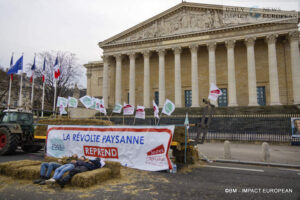
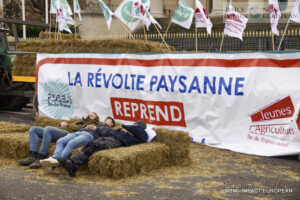
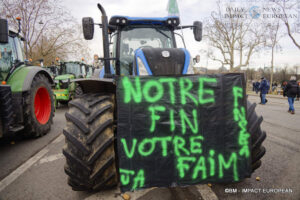
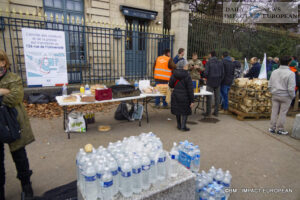
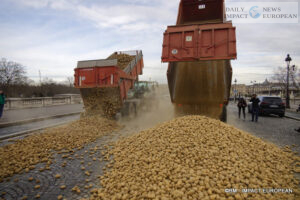
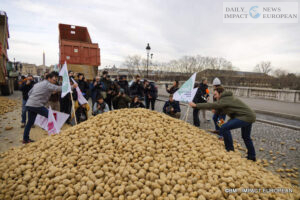
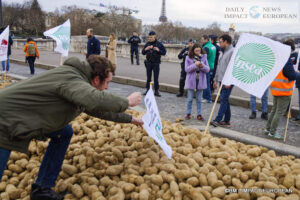
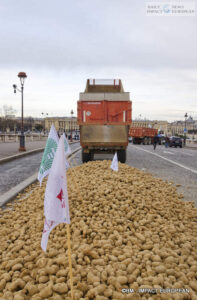
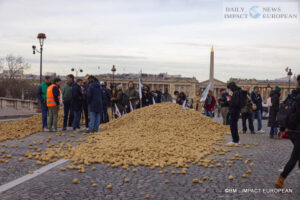
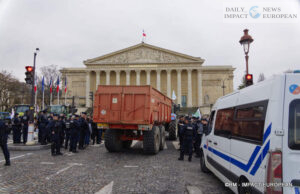
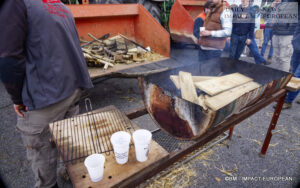
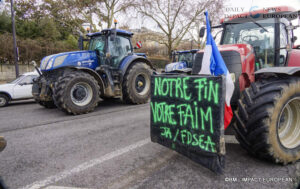
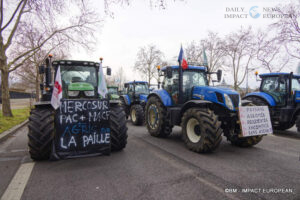
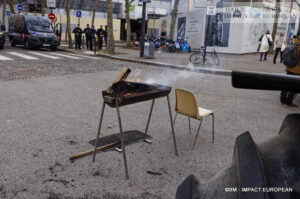
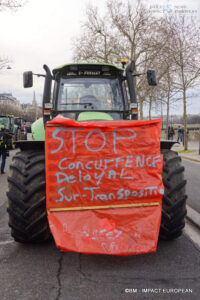
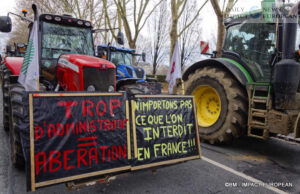
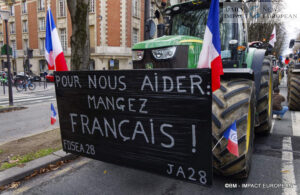
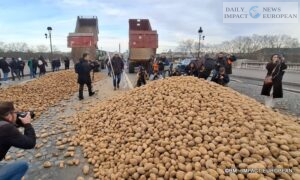
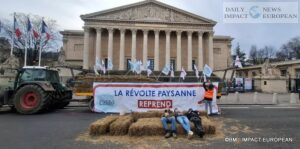
The protestors drove through major avenues such as the Champs-Élysées and gathered near the National Assembly. Slogans like “No country without farmers” and “No farmers, no food” were displayed on tractors. In a symbolic act, between 20 and 30 tons of potatoes were dumped on the Pont de la Concorde and made freely available to the public. This action was meant to show farmers’ frustration and to warn about the future of food sovereignty in Europe.
Farmers strongly oppose the EU–Mercosur agreement, which they believe would expose them to unfair competition from South American agricultural products produced under lower environmental and social standards. They also demand simpler administrative rules, better income, and stronger protection against imports.
The protests were not limited to Paris. Across France, actions took place in more than 30 departments, including road blockades, demonstrations near ports, and inspections of refrigerated trucks to check the origin of imported goods. Ports such as Le Havre, a symbol of free trade, were particularly targeted.
Similar protests have also occurred in other European countries, including Italy, Poland and Ireland. Farmers fear that the agreement would create one of the world’s largest free trade zones, with over 700 million consumers, while threatening local agriculture.
The French government has acknowledged the seriousness of the crisis. Agriculture Minister Annie Genevard stated that farmers’ concerns are legitimate, and announced financial support measures worth 300 million euros, although many farmers consider these measures insufficient.
As the European Parliament is expected to vote on the agreement in the coming months, farmers plan to continue their mobilization. A large demonstration is scheduled in Strasbourg on 20 January, showing that the anger of European farmers is far from over.
©2026 – IMPACT EUROPEAN























Views: 0
More Stories
Roshmode Paris: redefining contemporary luxury through identity and craftsmanship
Inside EFFRONTÉS: a new immersive cabaret experience in Paris
In Paris, protests against pesticides reflect a growing global crisis