

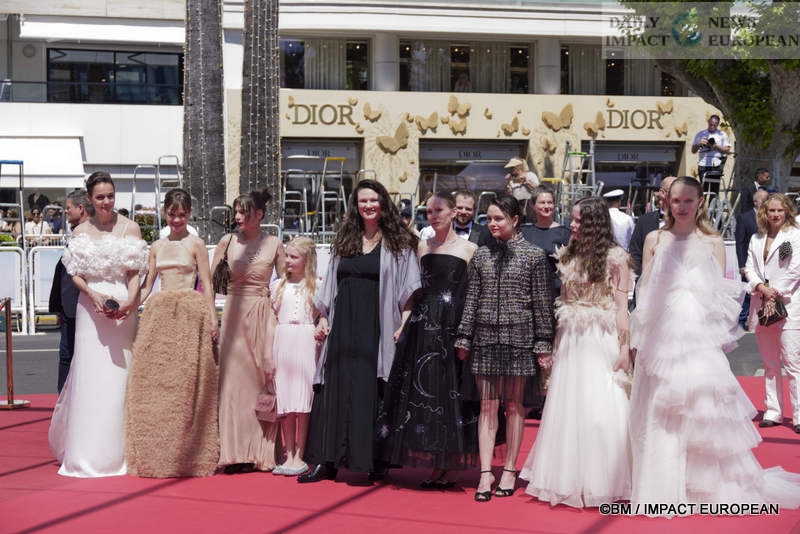
Four young girls in four different eras. Alma, Erika, Angelika, and Lenka spend their teenage years on the same farm in northern Germany. As the house transforms over the centuries, echoes of the past resonate within its walls. Despite the years separating them, their lives seem to echo one another.
Sound of Falling, the second feature film by German director Mascha Schilinski, opens the Cannes competition this Wednesday, May 14th.
A female epic, since the focus here is almost exclusively on the young, and more or less young, women who live on the farm. Alma, Lia, and Erika during World War II, Angelika in the 1980s and 1990s, and Christa and Lilly in the 2010s and 2020s.
The film’s primary objective is to show the full extent of the difficult condition of women, regardless of the era in which they live and their age: patriarchy, perceptions of their own bodies, the difficulty of understanding their desire, motherhood, a woman’s life, her place in society, etc.
Its unfolding narrative spanning four generations of women, without a linear chronology, creates complexity, leaving sections of the narrative open, the film floating like a mobile, after the screening.
Sound of Falling, directed by German director Mascha Schilinski, who hadn’t directed a feature film since 2017’s Die Tochter, was preceded by a reputation as an ambitious peasant epic.
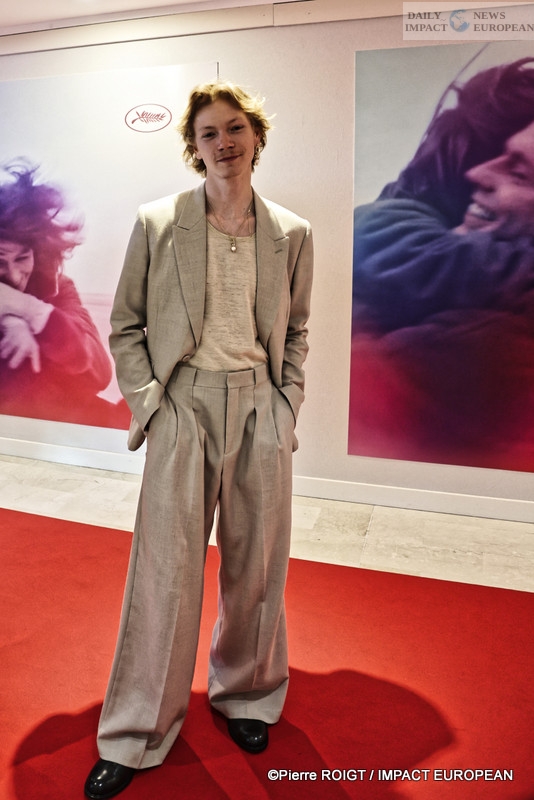
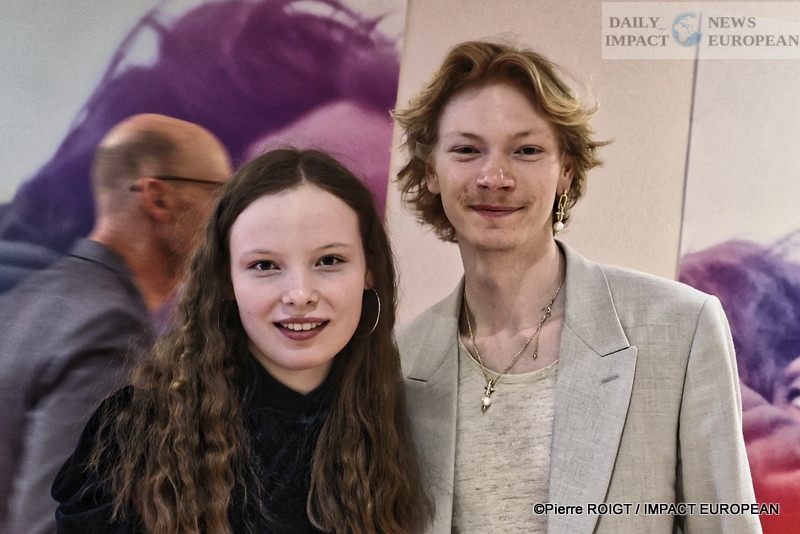
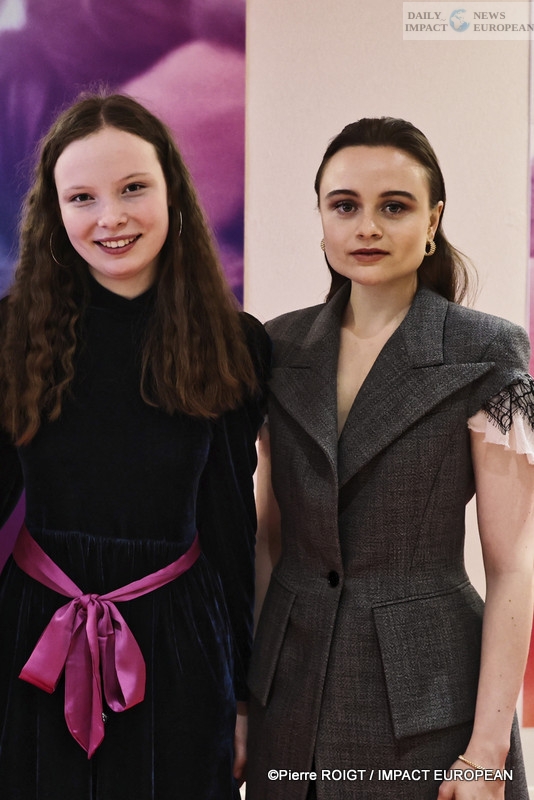
Mascha Schilinski was revealed at the Berlinale in 2017 with her first feature film, Dark Blue Girl, the story of a young girl trying to disrupt her parents’ relationship. The young actress Hanna Heckt, who delivers a formidable amount of tension, also plays one of the leading roles in Sound of Falling.
Sound of Falling is presented by the festival as an experiment and a « daring » film. It is clearly a « festival film, » deliberately confusing, with a poetic aim, which believes it can do without a clear narrative or even a real screenplay.
The action takes place in the same place and in four different time periods:
During and just after the First World War, a young man named Fritz (Filip Schnack) has his leg amputated following what his family considers an « accident at work. » He must be washed and cared for intimately by the maid Trudi (Luzia Oppermann), who herself bears the burden of unspeakable cruelty.
Alma (Hanna Heckt), a little girl who observes with bland, incomprehensible acceptance the strange family traditions, its macabre « mortal photos » of deceased relatives, and who is perplexed by a photo like this of someone who looks like her.
A few years later, in the same house, Erika (Lea Drinda) harbors a morbid, almost erotic fascination with her older uncle Fritz (Martin Rother) and with her own amputee fantasy.
Angelika (Lena Urzendowsky), a teenager, works on the farm, abused by her bullying uncle Uwe (Konstantin Lindhorst), whose son, her cousin Rainer (Florian Geisselmann), is deeply in love with her. When Angelika joins the family group for a Polaroid photo, she meets a strange fate, just like Alma.
In modern, unified Germany, Lenka (Laeni Geiseler) befriends Kaya (Ninel Geiger), a strange and intense young girl whose mother has died.
Gradually, the bonds between the characters are revealed, and the film reveals other characters and even stranger, more foretold events on the farm.
What unites them is not just the farm, but the river they swim in, which forms part of the border with the West and is home to eels as creepy and repulsive as the English fens.
Mascha Schilinski’s film resembles a ghost story or even a folk horror film. Every frame is imbued with a cold, damp unease as the camera moves away from the scenes like a ghost. The soundtrack vibrates and rumbles, full of ambient unease. It is steeped in fear and sadness.
The story is told over four generations, with each character recognizably recognizable in the characters who precede them. A tale that recounts the social lives of women over a century, where nothing has changed, only the predilection to relive history without distinction of generation over the course of 100 years (century).
The director’s basic idea is that women must always remain objects in the face of men, who must be submissive and obedient, a role already seen by men as patriarchal.
©2025 – IMPACT EUROPEAN
RED CARPET


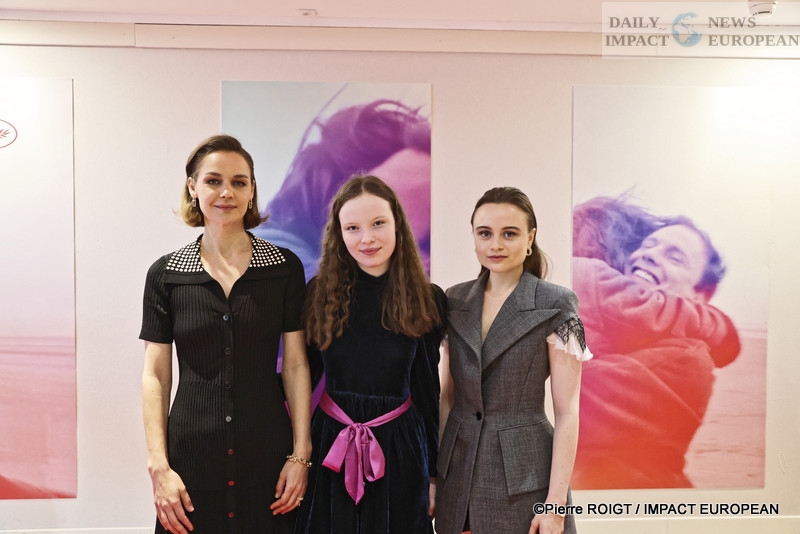
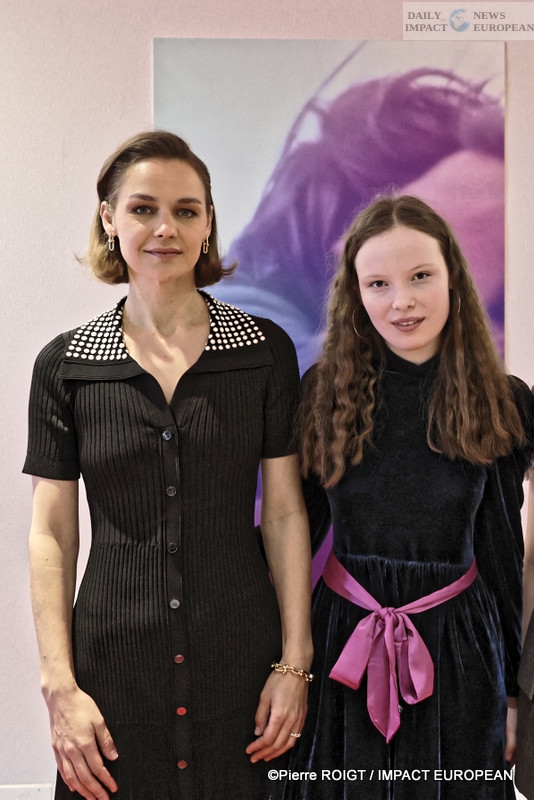
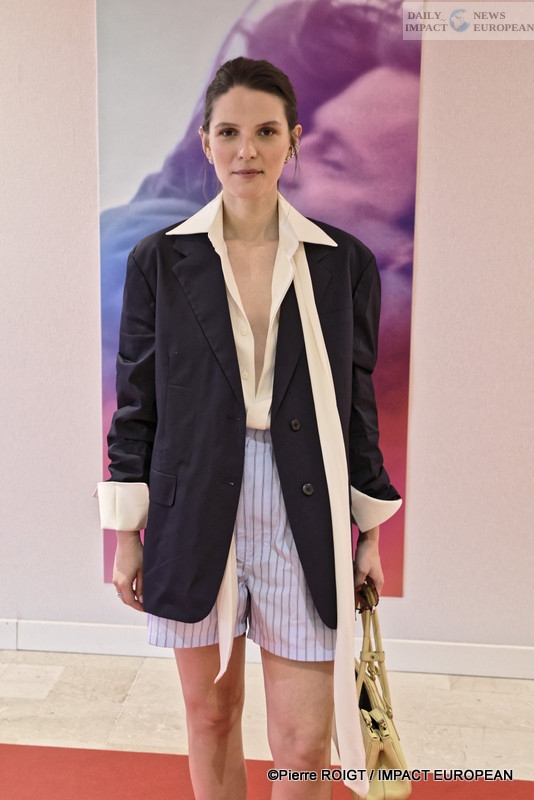
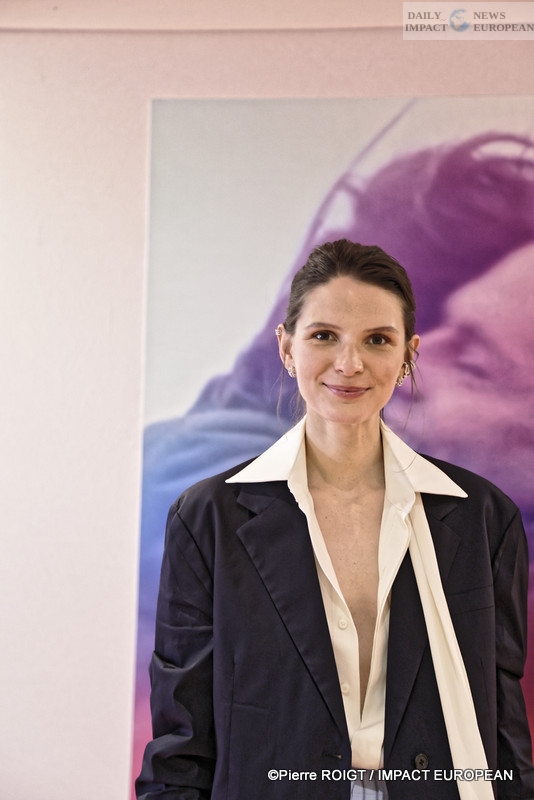
After the Photocall


Views: 0
More Stories
Paris “Iftar of Peace”: Imam Hassen Chalghoumi awards Olive Branch Peace Prize to President Donald Trump
Super League: Wigan Warriors defeat Toulouse Olympique 36-16
Lunar New Year 2026: Paris Celebrates the Year of the Fire Horse