
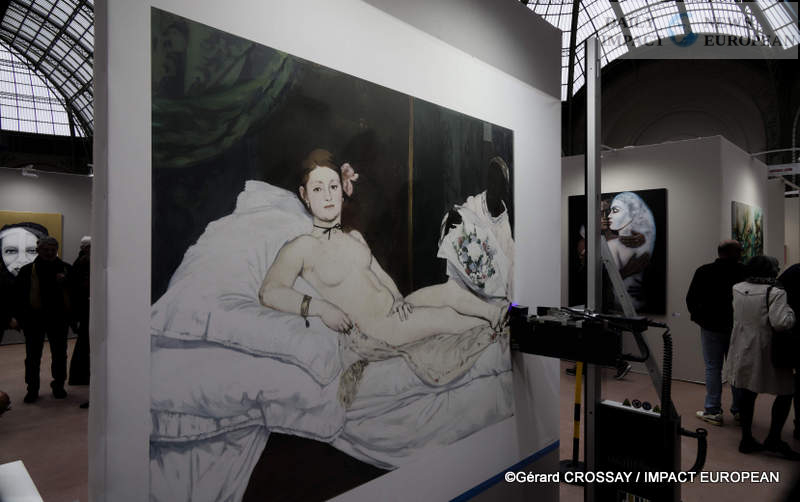
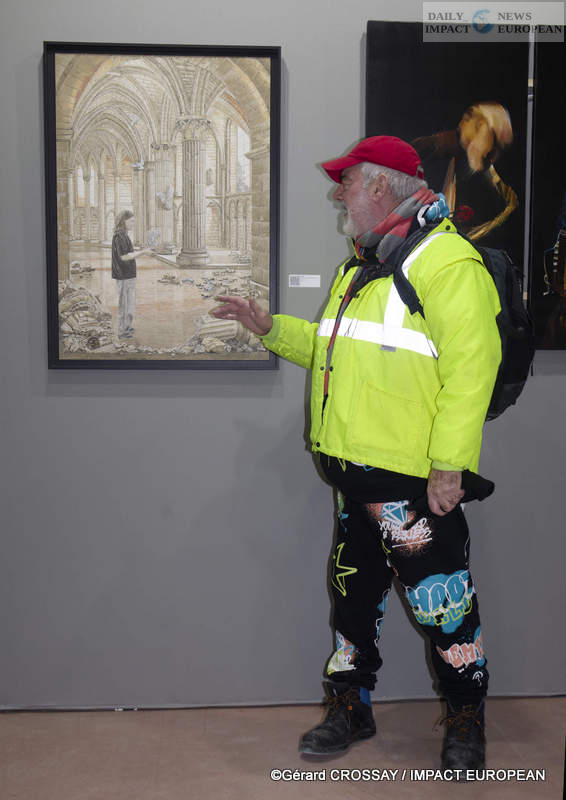
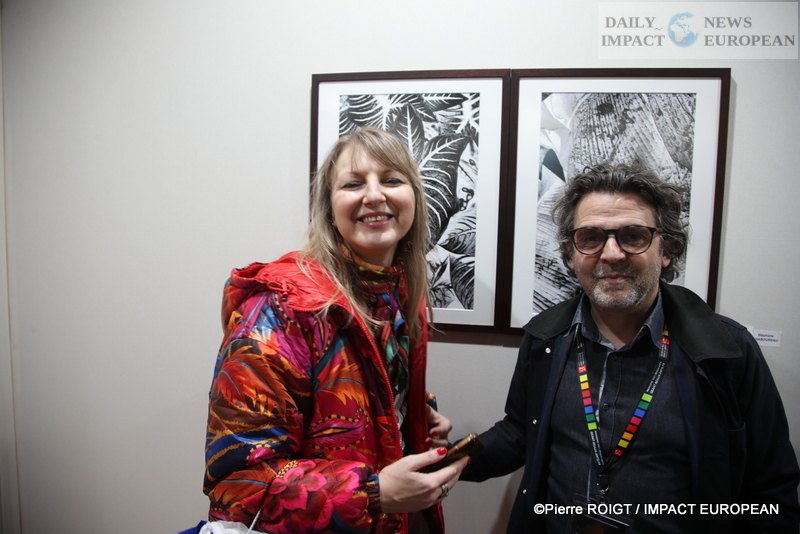
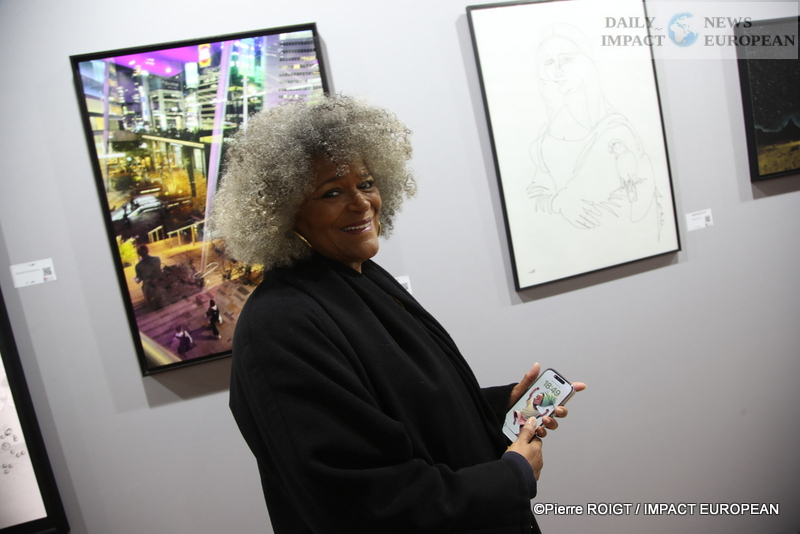
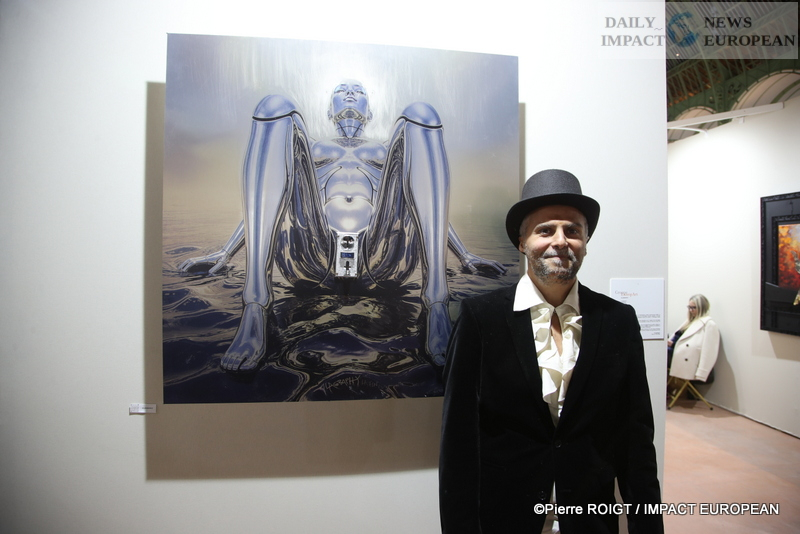
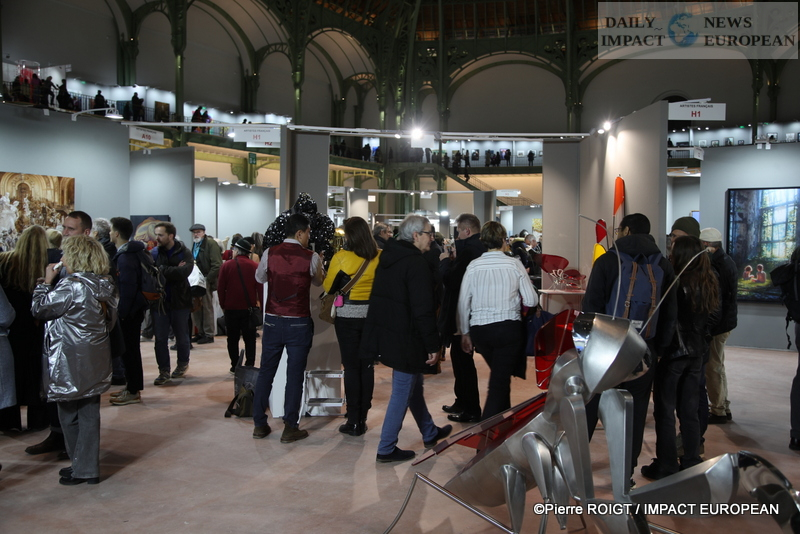
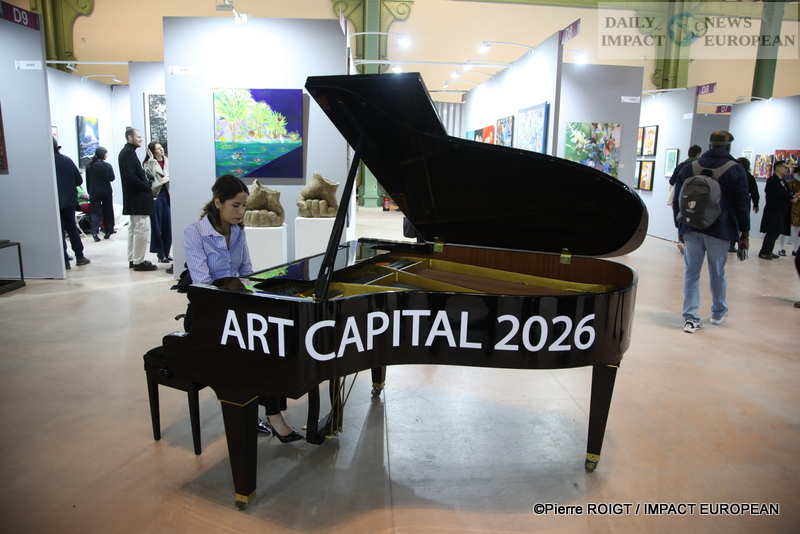
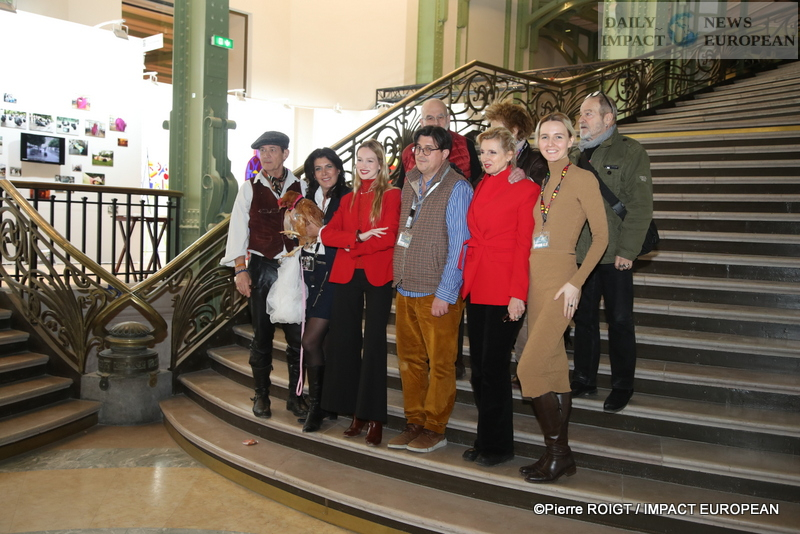
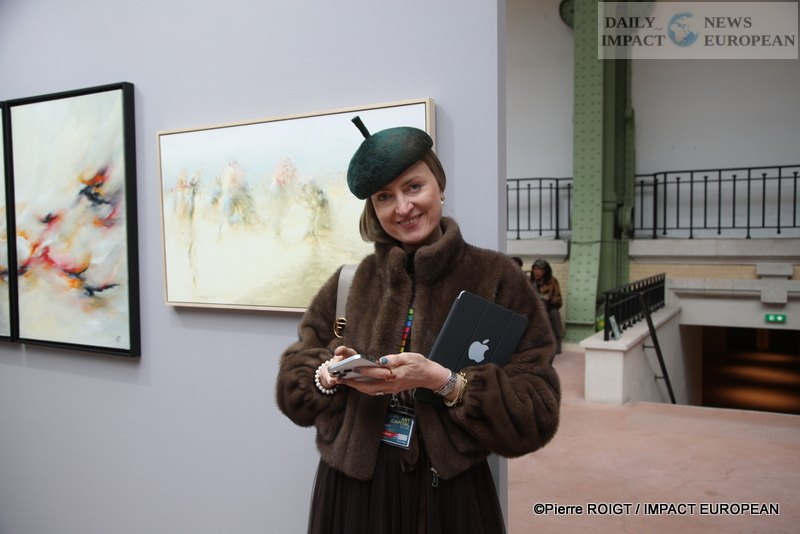
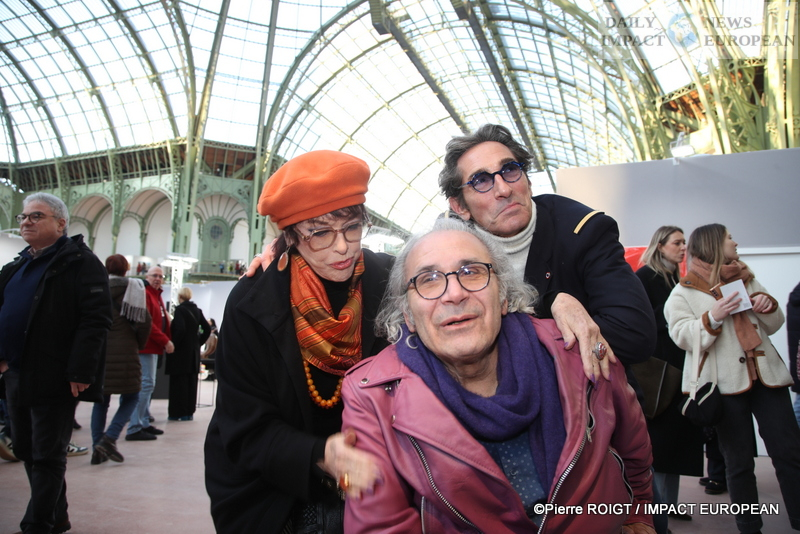
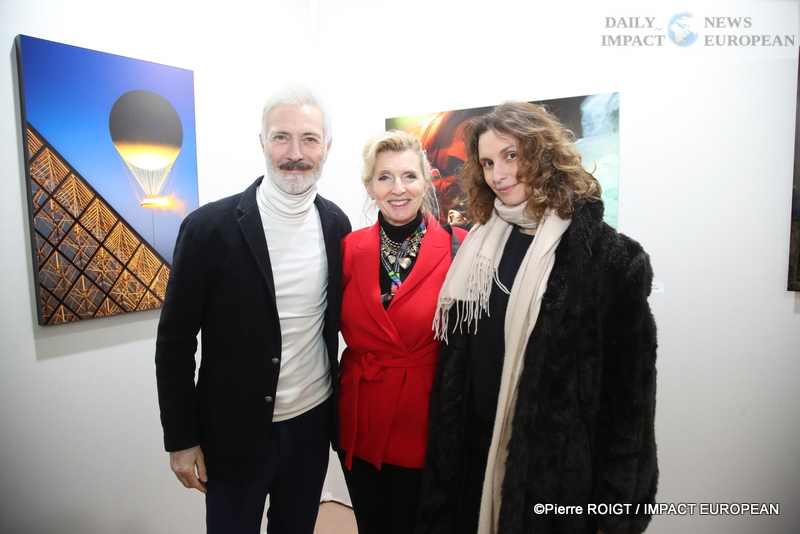
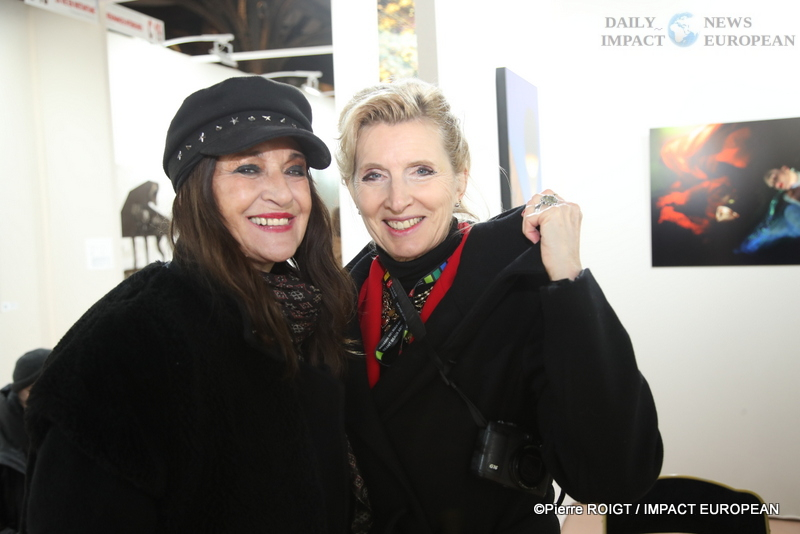
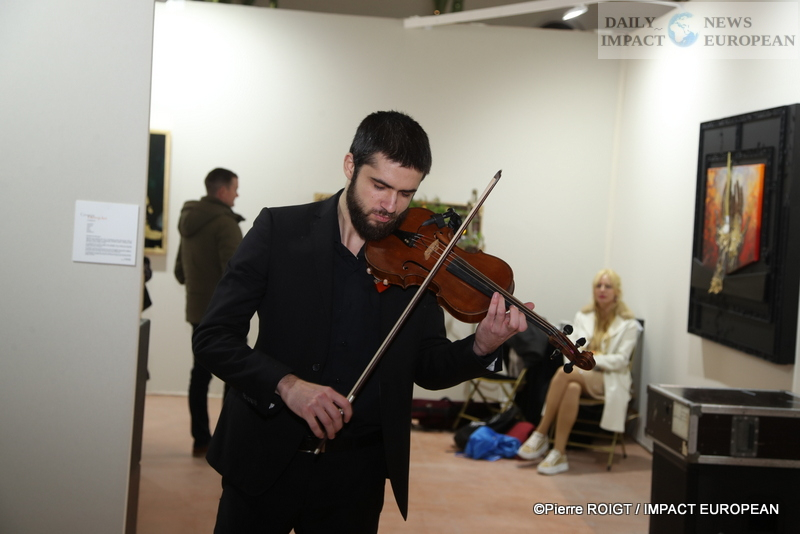
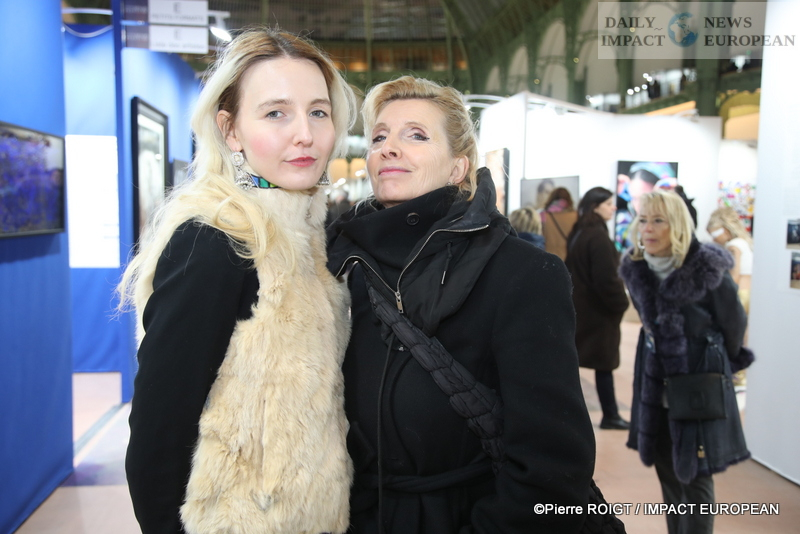
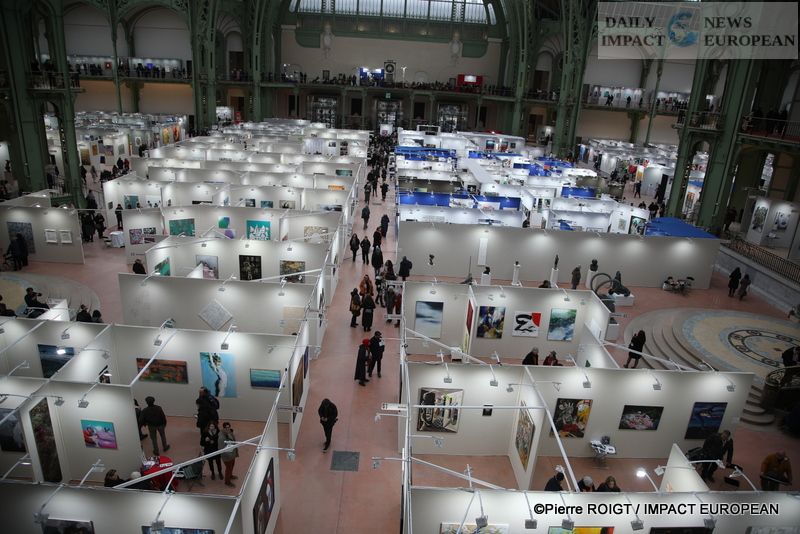
For its 20th year, Art Capital once again took place from February 13 to 15 beneath the glass and steel cathedral of the Grand Palais.
This annual event, which showcases 3,000 artists, is regarded by many of them as “the voice of the people” among creators. The reason lies in its selection process, which is said to give artists themselves a greater role.
Each year, foreign artists are honored. In 2026, Azerbaijani artists are featured in this edition.
Four Different Salons
From the moment you arrive, four different salons are open to visitors: Artistes Français, Indépendants, Comparaisons, and Dessin et Peinture à l’Eau. They offer the opportunity to explore a wide variety of artistic expressions.
Established Artists
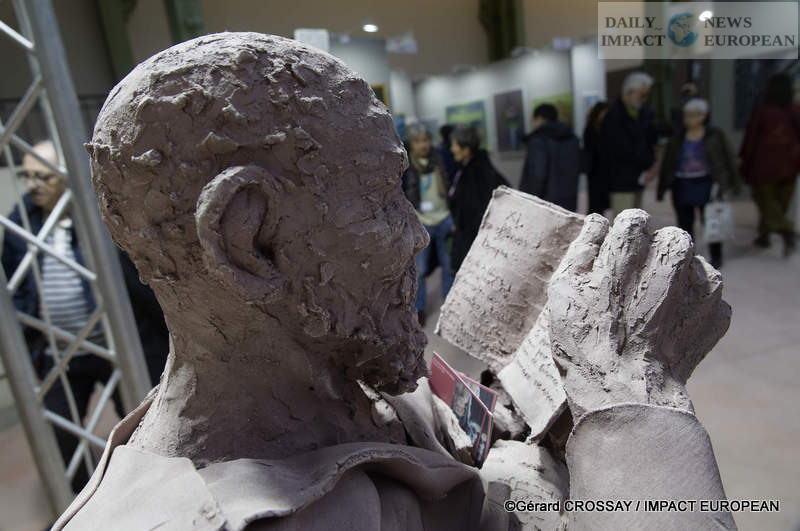
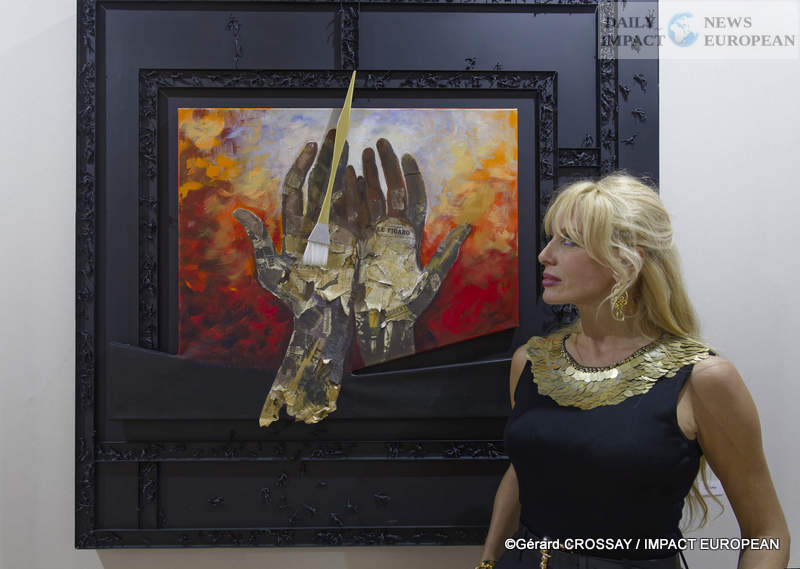
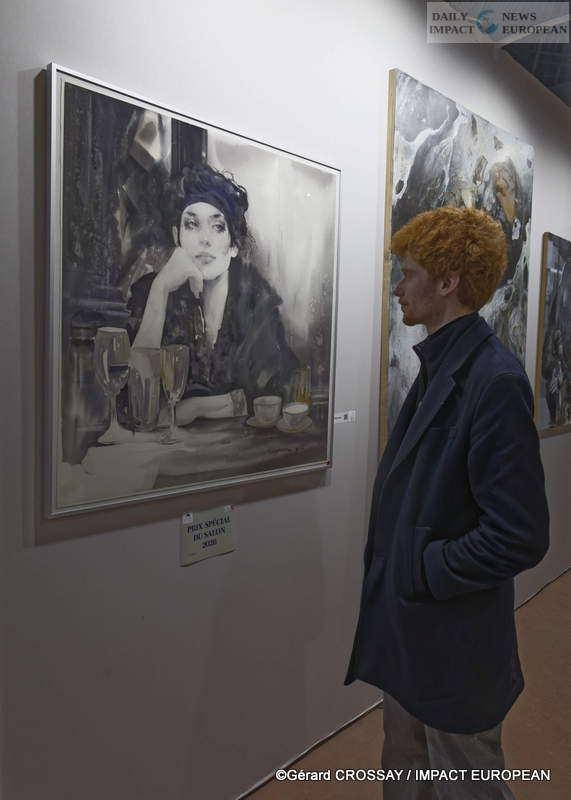
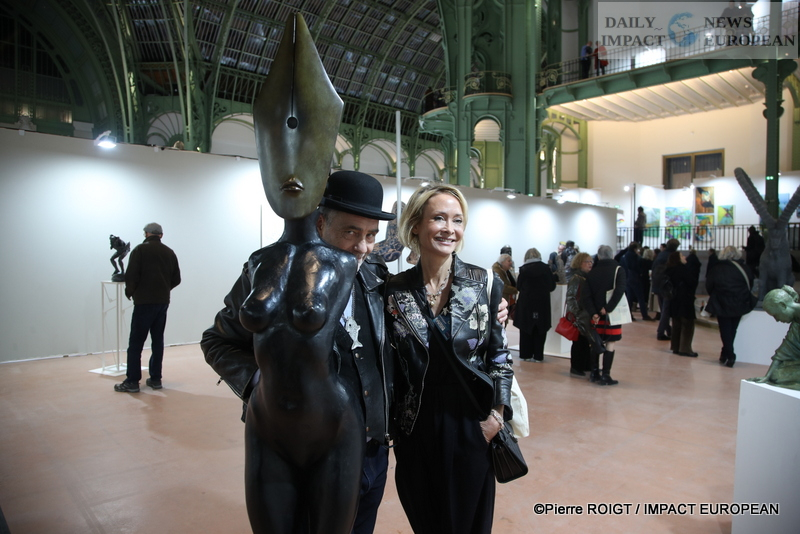
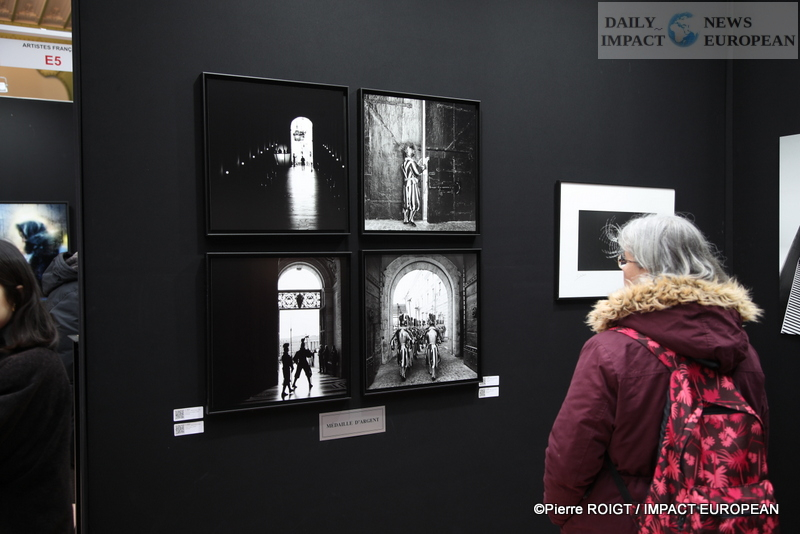
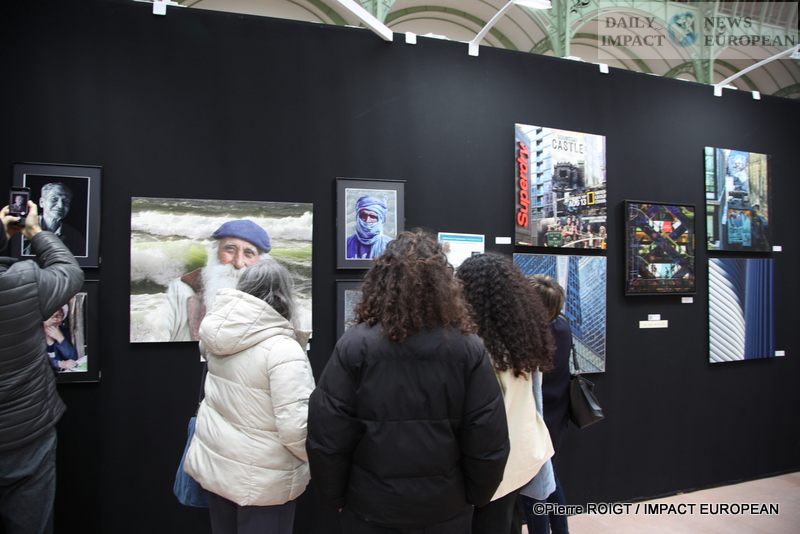
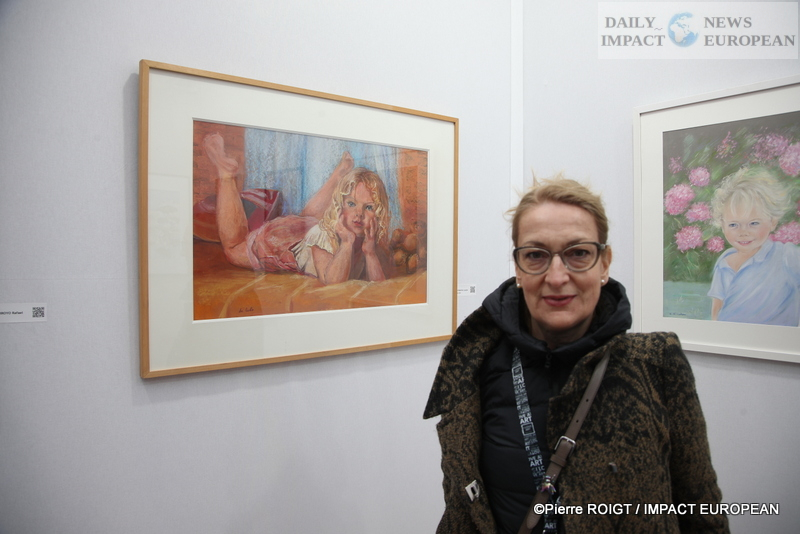
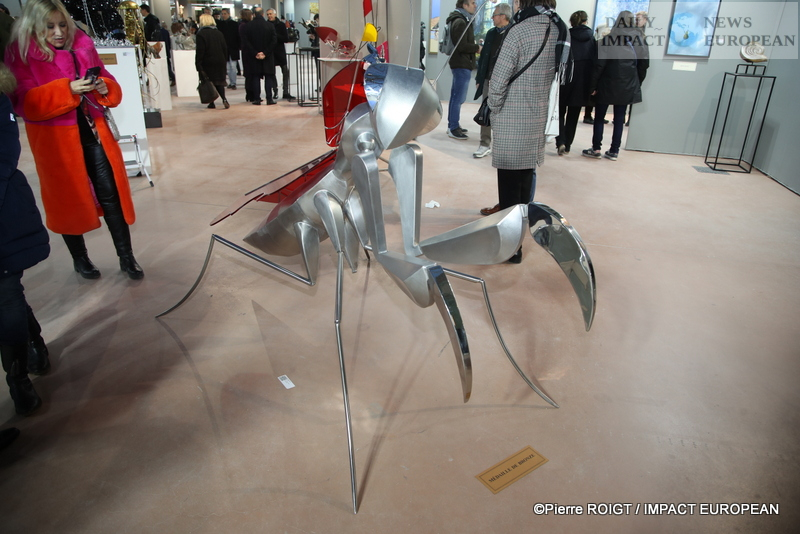
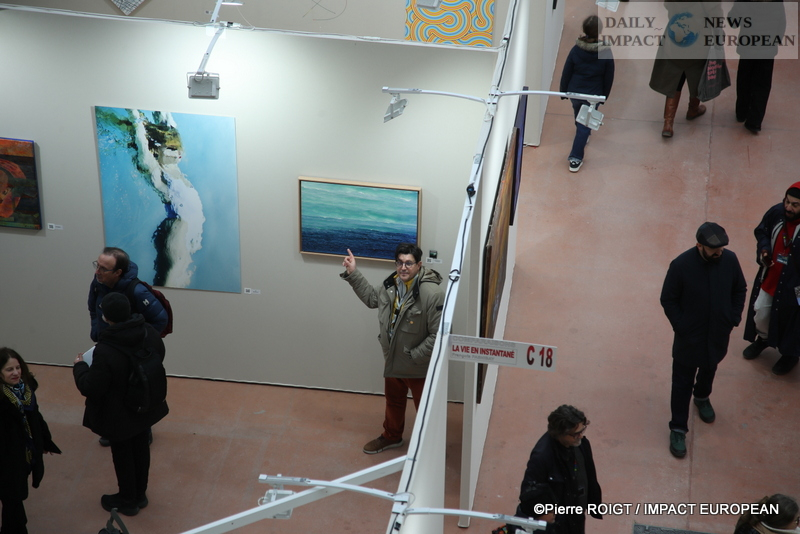
As you wander through the aisles, your attention is drawn to a bronze or stone sculpture, a delicately toned painting, a photograph…
During his many travels in Africa, Benoît Lebeurre observed and photographed animals in their natural habitat before recreating them in bronze. We are moved by his Lionesses on the Prowl, his Crowned Crane Taking Flight, and his graceful Female Greater Kudu.
Sylvie Guevel, a painter from Brittany, presents a painting of a loggerhead sea turtle rescued by local fishermen off the coast of Brest—an animal normally found in warm tropical waters, not in Brittany. The work, which refers to global warming, reflects the artist’s commitment to ocean preservation.
Marité Braster presents a Venus of Willendorf created from old inner tubes. She has established herself through her unique approach to this unexpected material, suggesting the body’s ability to rebuild itself after injury and healing.
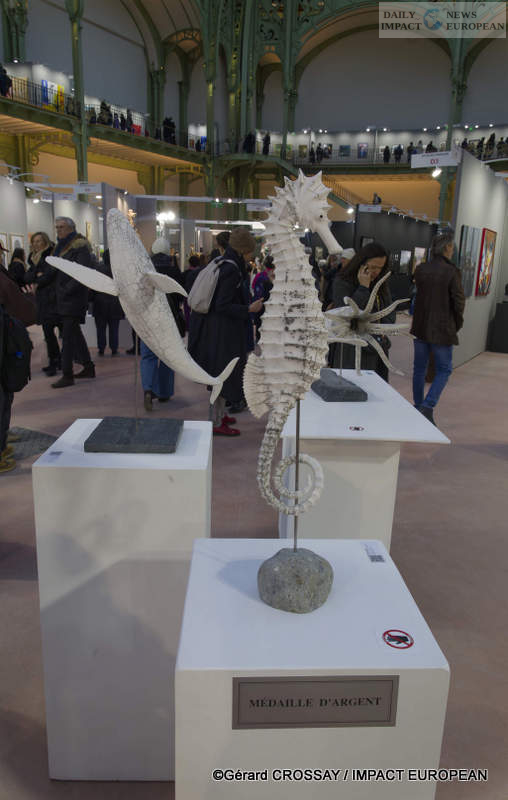
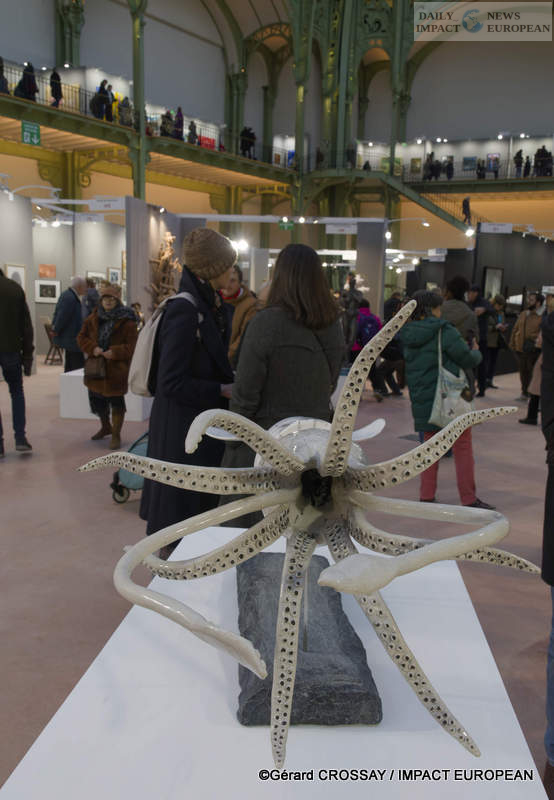
Laurent Yvelin, formerly an aeronautical engineer and landscape designer, discovered clay and ceramic techniques—particularly raku—thanks to his son’s pottery class. He began sculpting marine animals: a diving humpback whale, a small tiger shark, a blacktip reef shark on the prowl, using a distinctive process he has mastered perfectly.
Through thermal shock, he creates crackling effects, and through smoking, the fissures darken, revealing patterns across the smooth surface of the animal’s body.
Valérie Durand is a painter known for her portraits of stars. Using acrylic and palette knives, she has depicted Formula 1 drivers, football stars, and figures from show business and cinema, including Mick Jagger, Romy Schneider, and Brigitte Bardot, for whom she felt particular affection.
An equestrian herself, she painted horses for the 2024 Olympic Games.
Major Trends
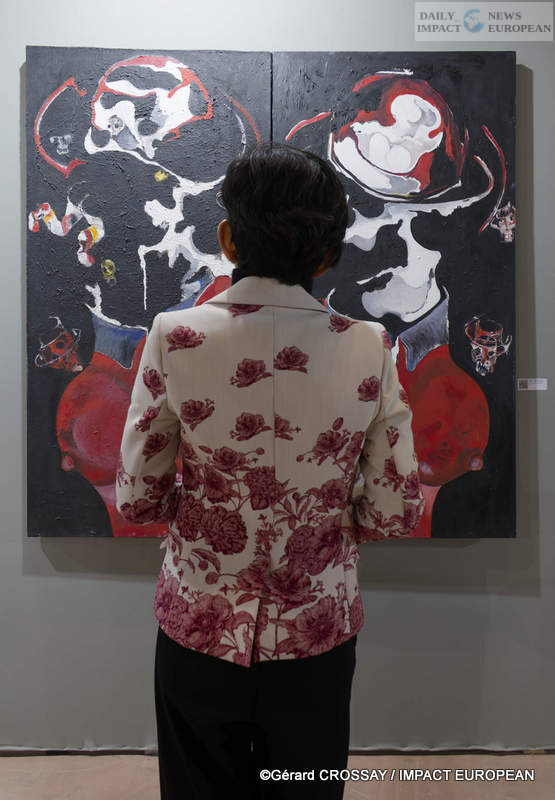
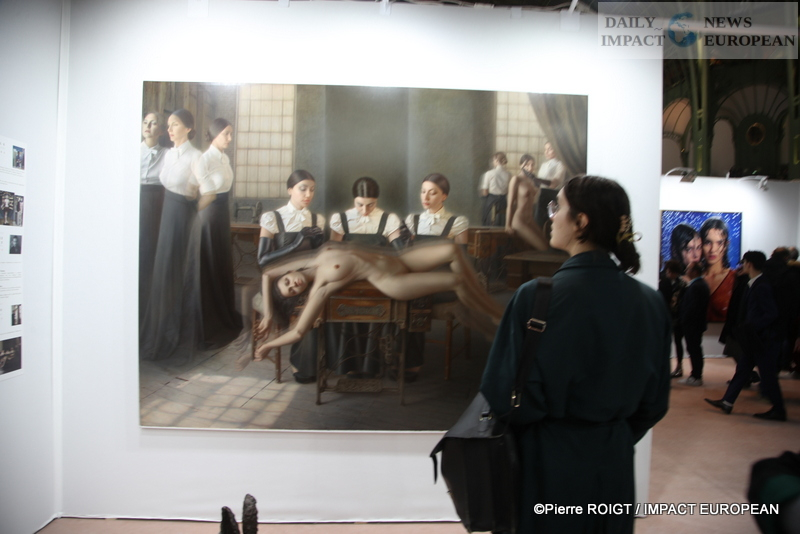
As you stroll between the stands, you are struck by the strong presence of figurative art, even though it is almost always extended by dreamlike or fantastical elements, references to well-known artists (Yagi Michiyo), or quests for eternity (Mamic Stekjo).
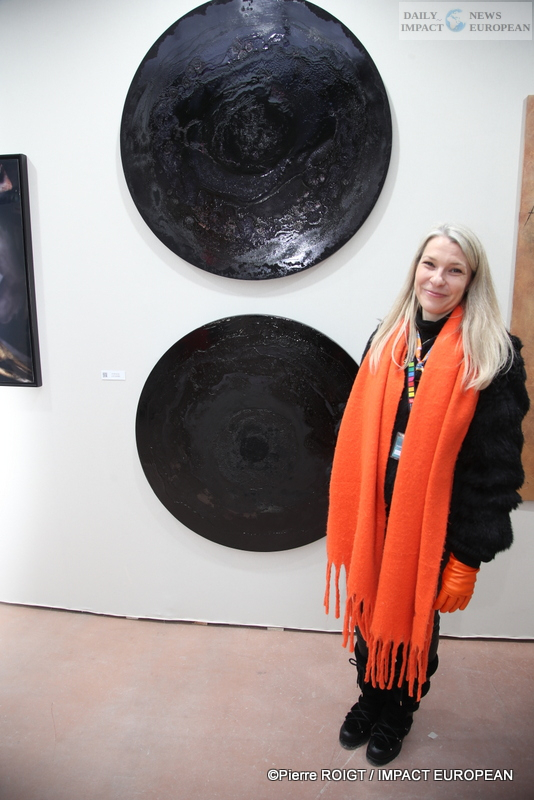
While the previous century saw the collapse of all constraints, some artists continue to explore once unconventional approaches—cropped close-ups (Tagushi Keito), hyperrealism, or black monochromes in the style of Pierre Soulages (Kang Wolter)—which have now become almost commonplace.
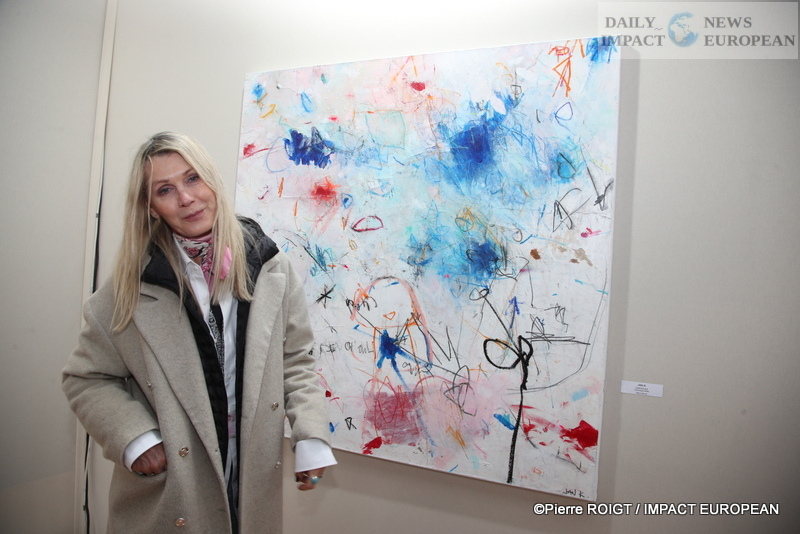
Yet a new aesthetic seems to be emerging: an art full of gentleness, connected to figuration yet oriented toward something beyond.
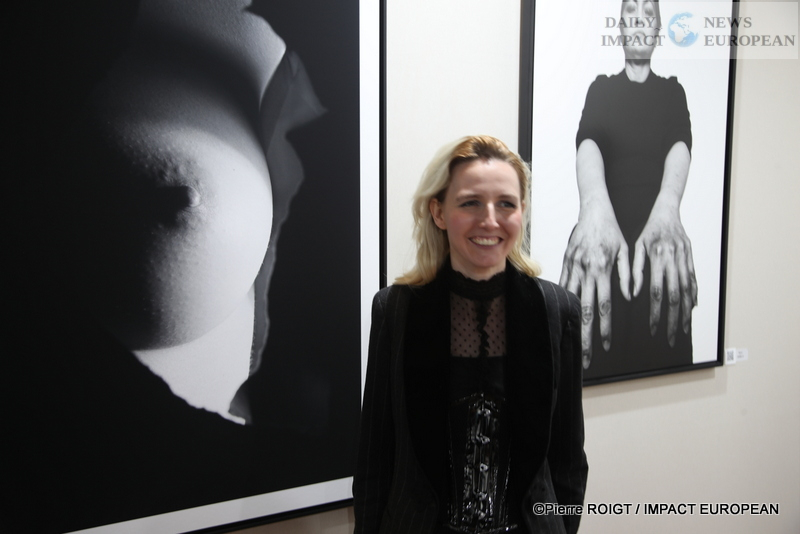
We encounter this through photography (ah, the admirable Swirls of Greenland!) or animal sculptures magnificently shaped from tree roots (The Stag by Ange). Abstract expressionists are not to be outdone, continuing their explorations of color and form.
Perhaps what is at work here is the search for a new kind of aesthetic feeling.
©2026 – IMPACT EUROPEAN


















Views: 0
More Stories
Alzheimer Research Foundation Gala in Paris: when music and solidarity unite for global research
Foire du Trône: inside Europe’s largest fairground in Paris
Pro-Palestinian demonstrations held across France to mark Land Day