
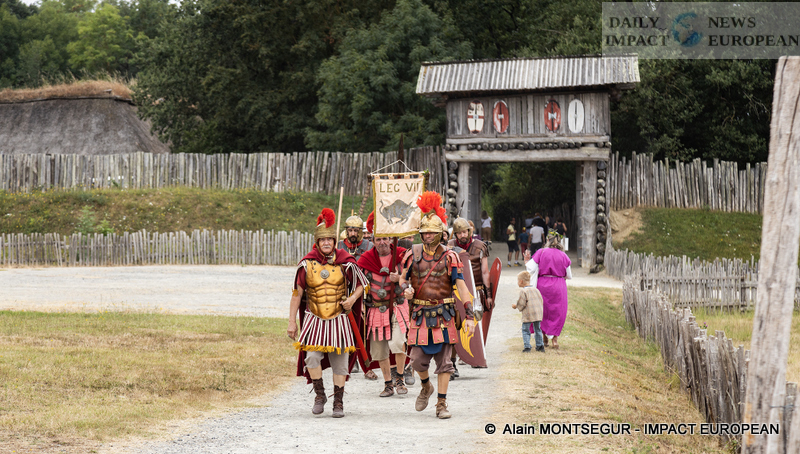
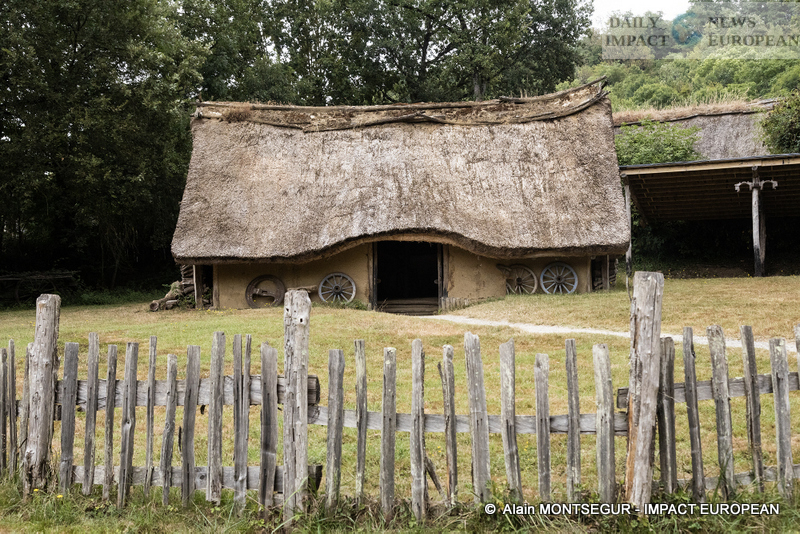
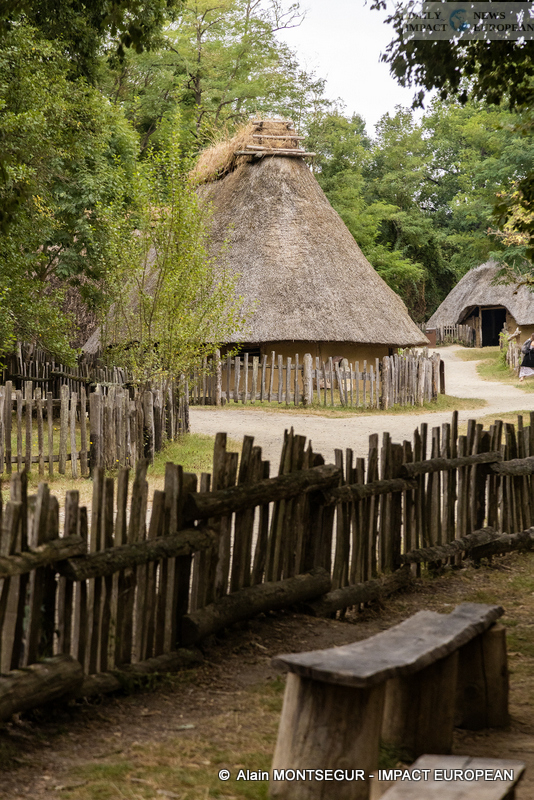
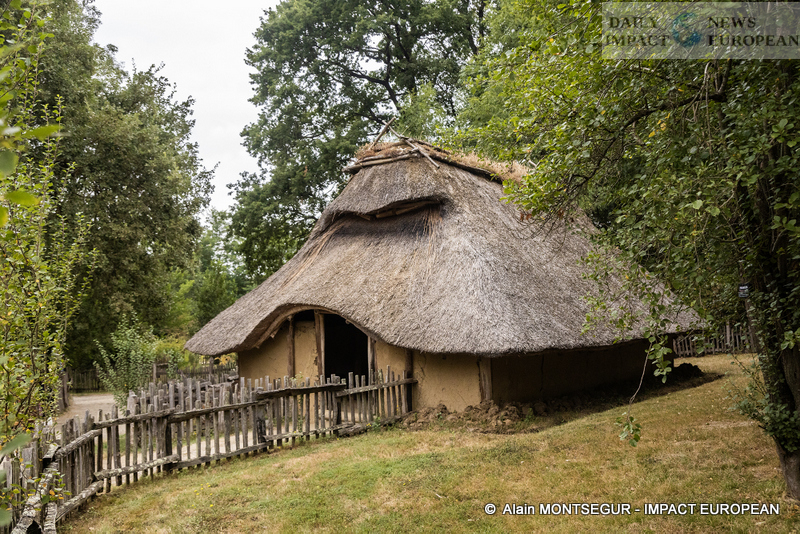
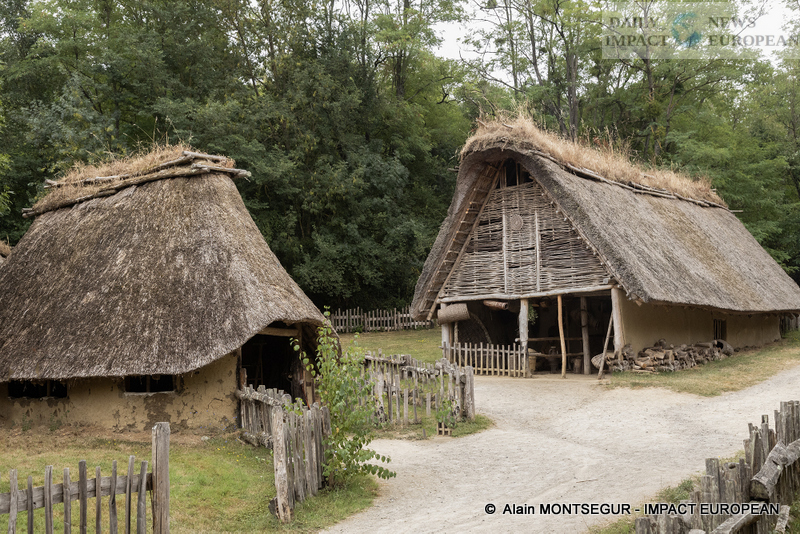
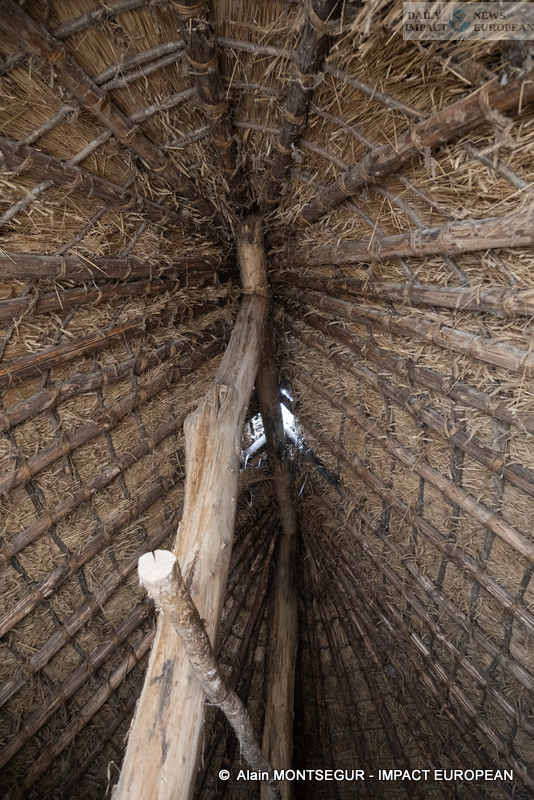
In 2025, the Gallic Village of Rieux-Volvestre, located south of Toulouse in the Volvestre region, will offer a unique archaeological and educational experience in France: a full-scale reconstruction of a Roman military camp from the Republican era. This ambitious creation offers full immersion into the life of Roman legionaries and their military organization, right across from the already reconstructed Gallic village known for its living history approach. The project is the result of long-standing experimental archaeology, led by Jean-Luc Blanchard, founder of the site.
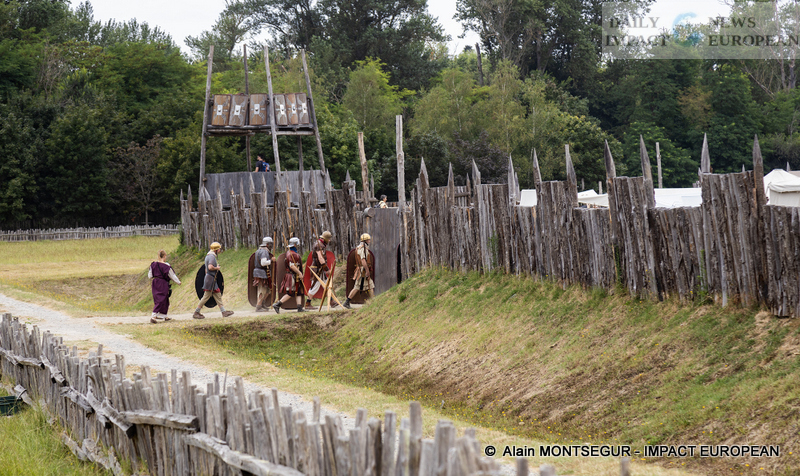
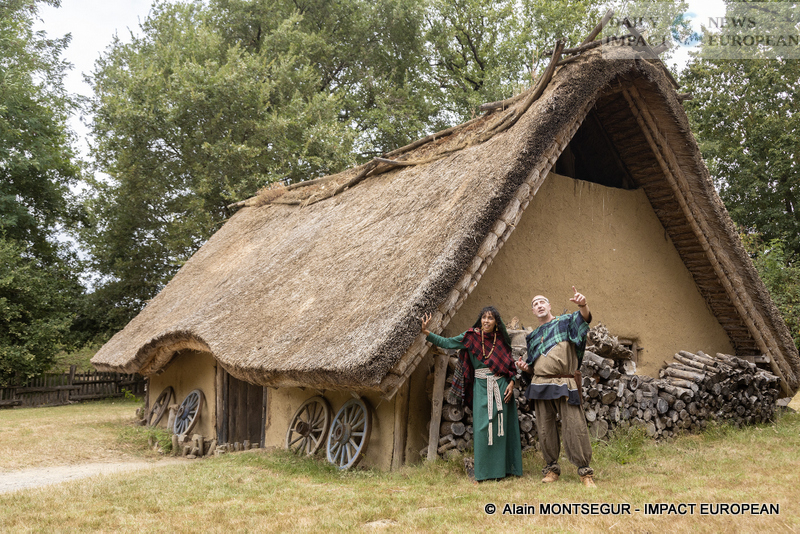
The Gallic Village is already known for its immersive historical experiences. With this Roman camp, it takes a new step forward: for the first time in France, two civilizations that historically coexisted are presented together in a dynamic and interactive display. The Roman camp is set directly in front of the Gallic village, establishing a striking visual and intellectual confrontation. This proximity invites visitors to reflect on the cultural and military stakes of the Roman conquest of Gaul.
The Volvestre region, located in the southwest of ancient Gaul, played an important role during Roman expansion. Here, the Roman general Pompey is said to have established several strategic camps and founded (or re-founded) Lugdunum Convenarum, now known as Saint-Bertrand-de-Comminges. By building this camp, the organizers pay tribute to a crucial historical moment when the Roman legions crossed the Pyrenees, secured the region, monitored local tribes such as the Volques Tectosages, and laid the foundations of Romanization.
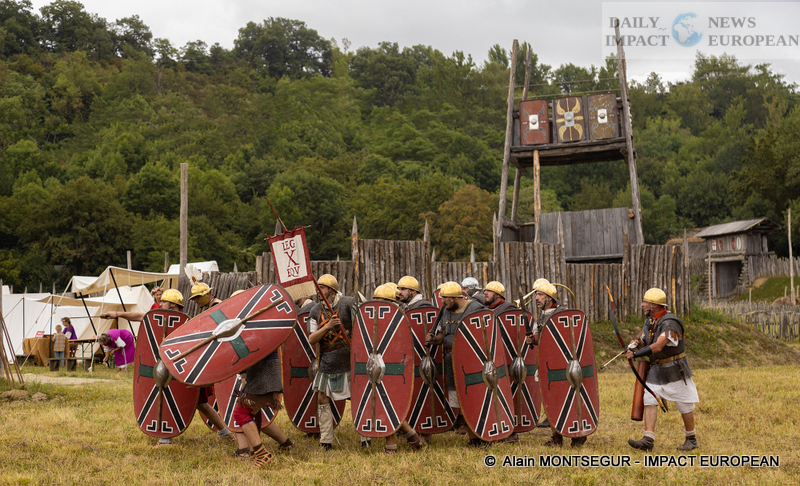
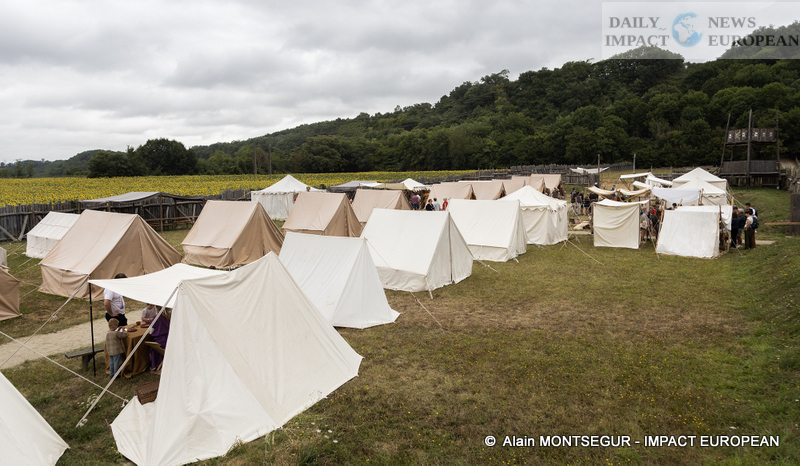
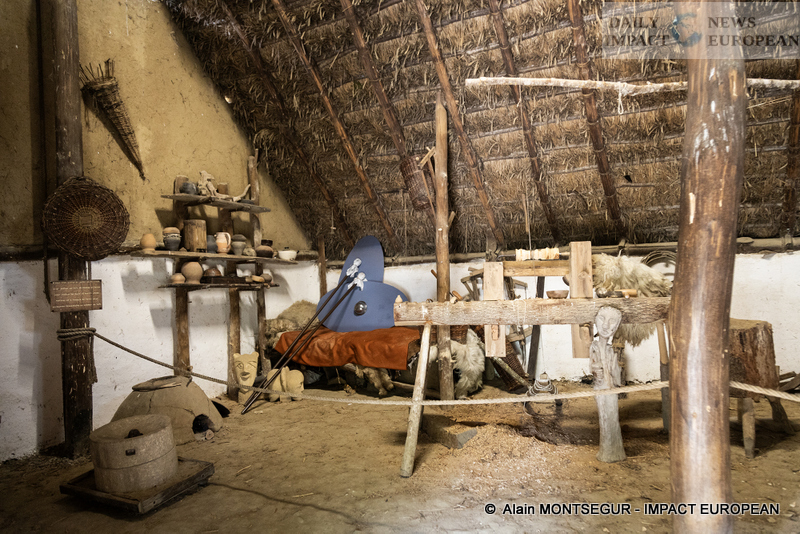
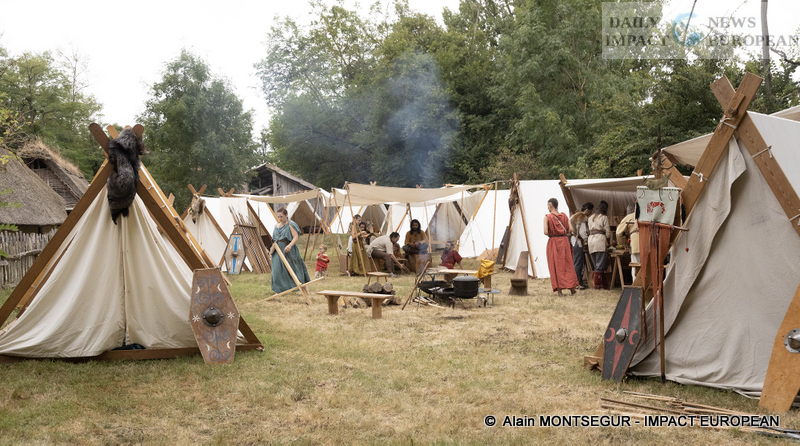
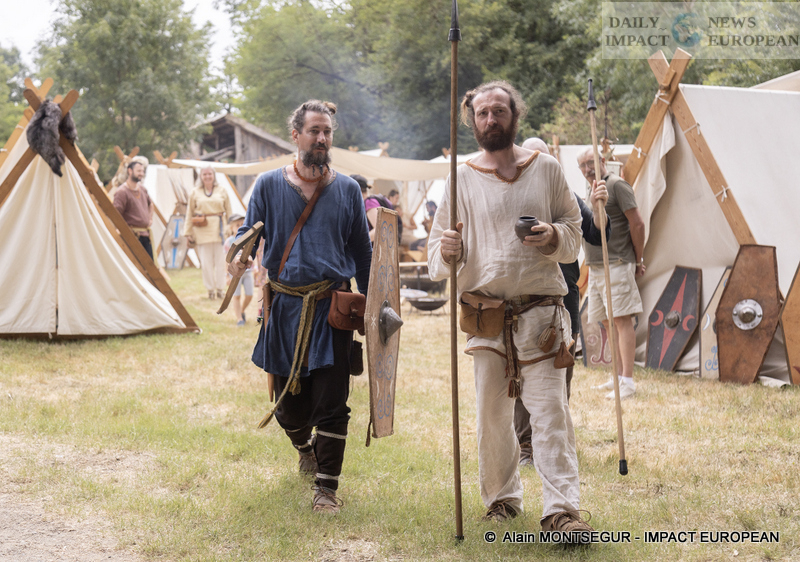
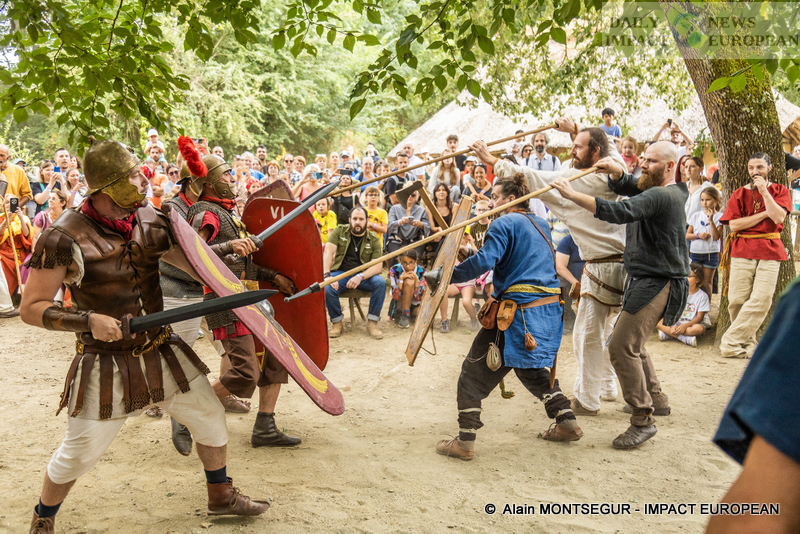
The camp is modeled after a Roman castrum, the temporary military camps built during campaigns. Every detail follows historical sources: defensive ditches surround the site, followed by an earthen mound topped with a wooden palisade. Two wooden guard towers ensure surveillance. Inside, the layout is meticulous: a main road (via principalis) runs through the camp, leading to the general’s tent (praetorium). The soldiers’ tents (contubernia) are faithfully reconstructed using canvas and wood, equipped with basic bedding and gear. A space is reserved for demonstrating military formations, such as the famous testudo.
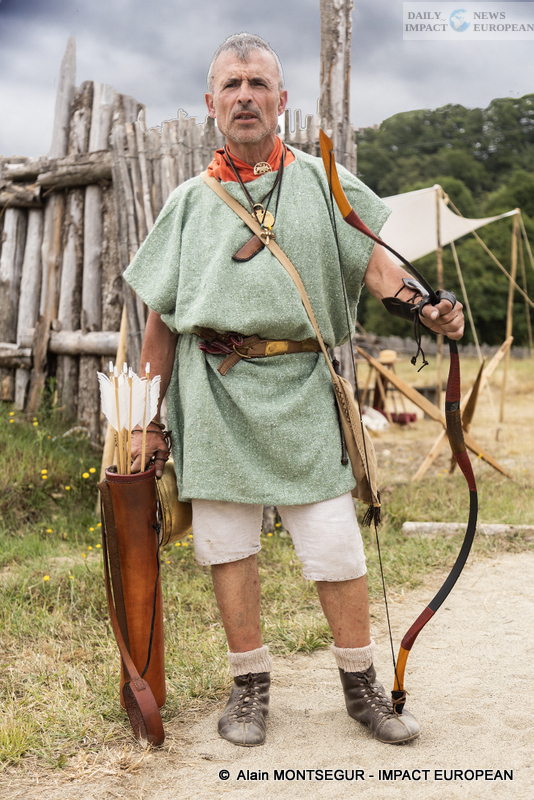
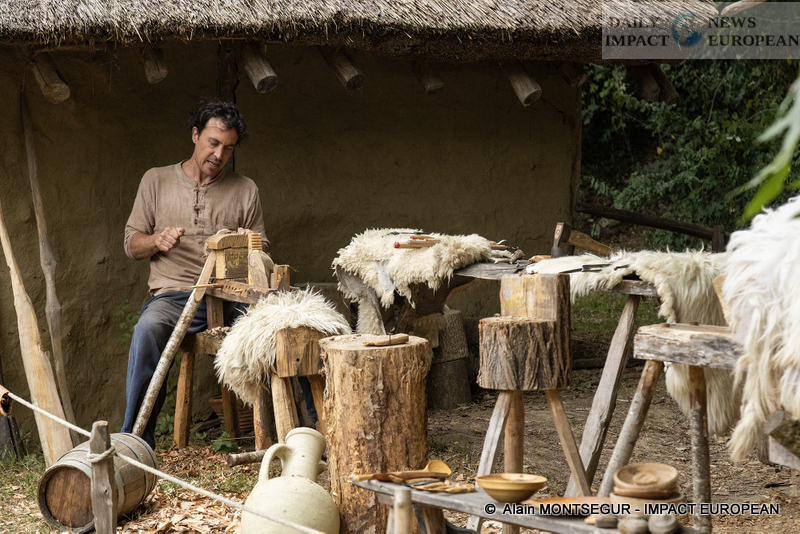
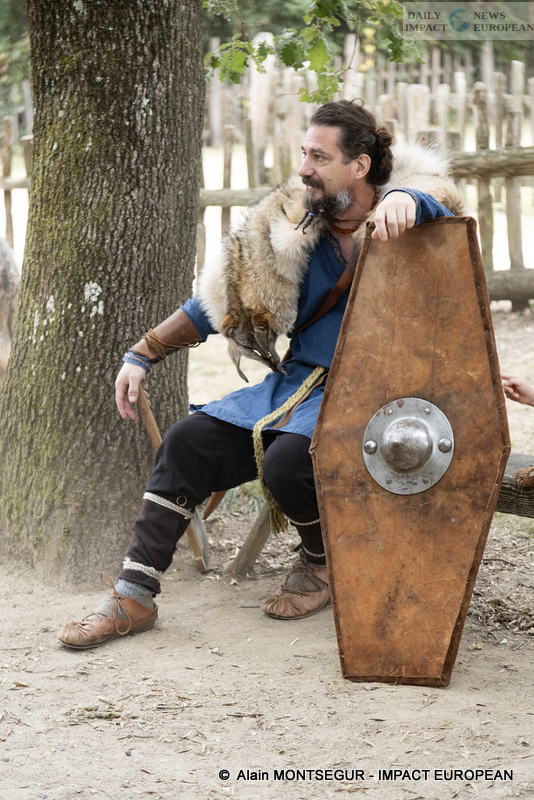
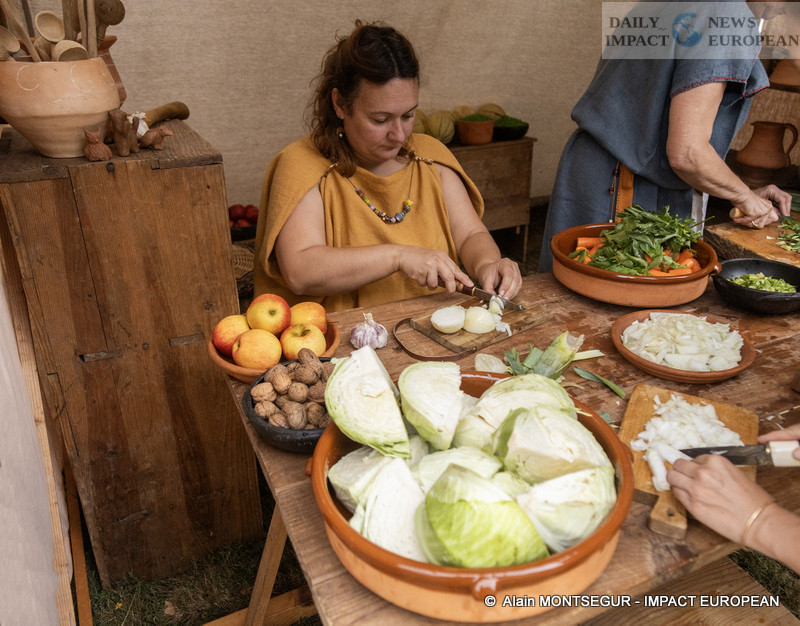
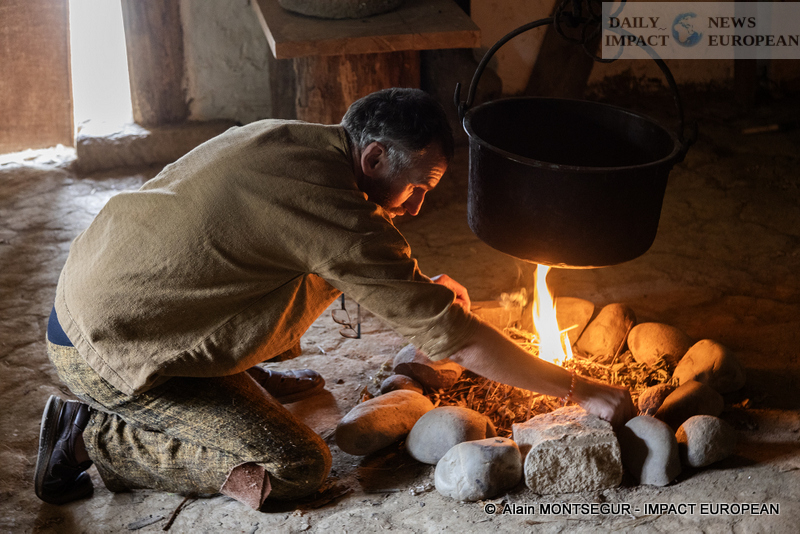
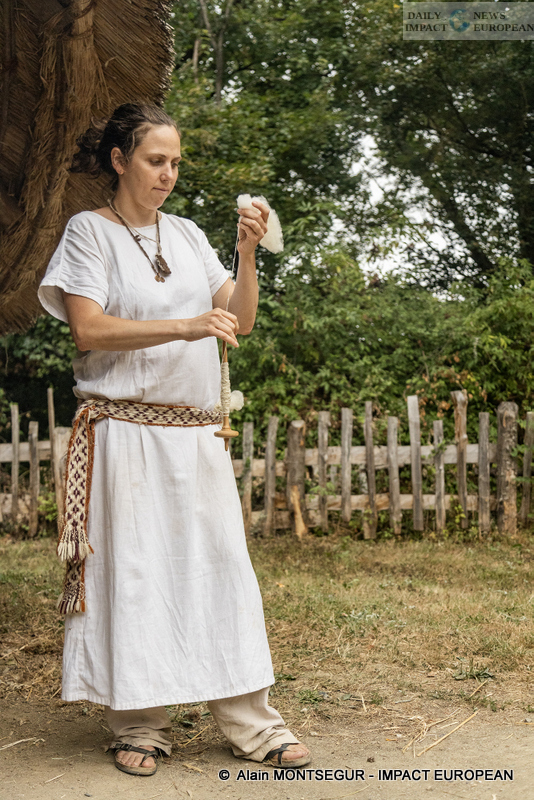
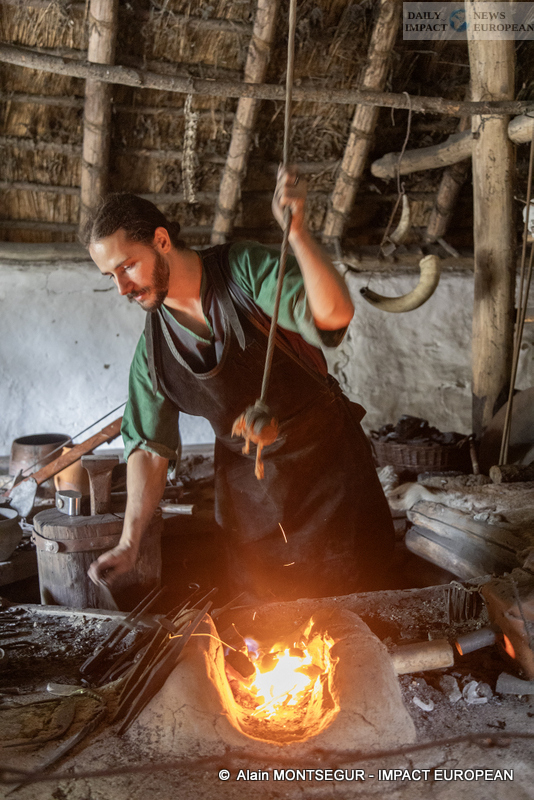
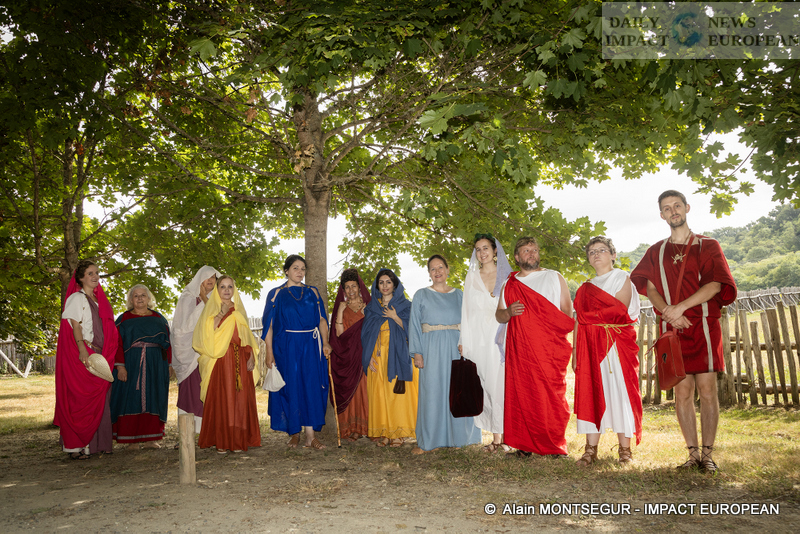
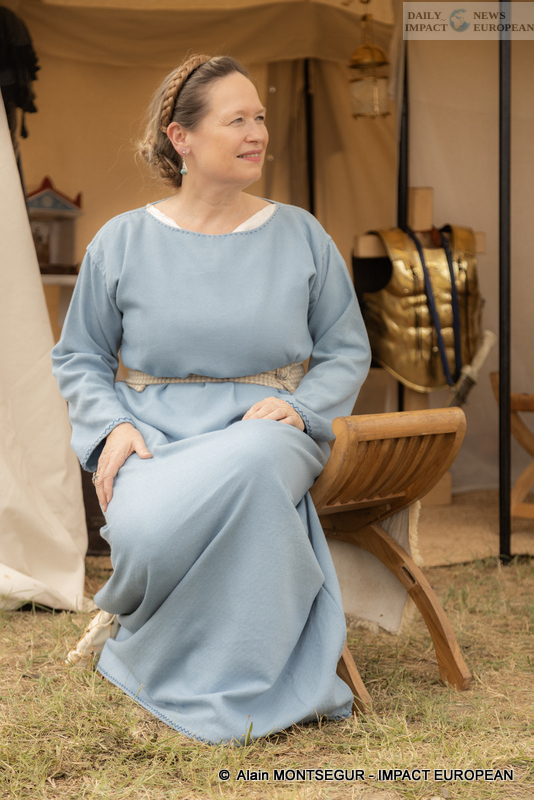
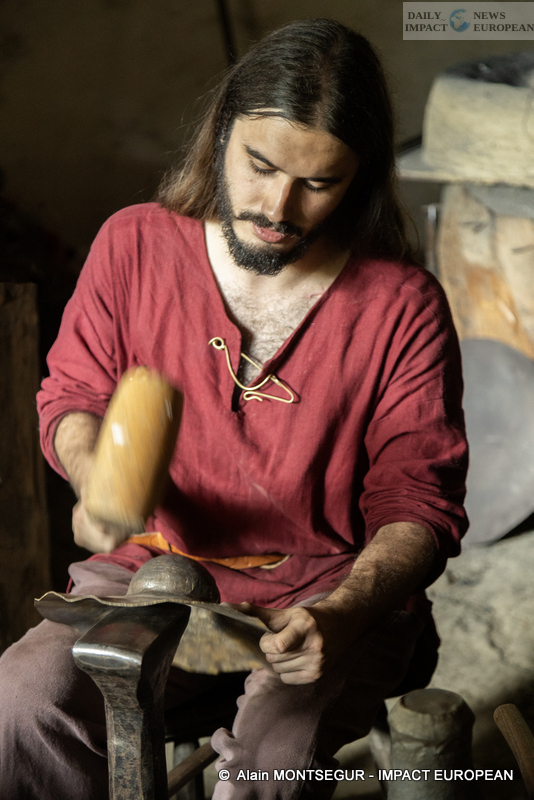
Visitors don’t just see a static display, they enter a living space. Every zone of the camp is animated by costumed interpreters: weaponry demos, historical explanations, presentations of military hierarchy, stories of Roman campaigns. Guides present Roman cooking, guard rotations, maintenance tasks, sword sharpening, daily rations. A Roman coin minting workshop helps explain the economic and propagandistic role of Caesar’s denarius. Children can take part in observation games, tactical trails, and symbolic infiltration missions in the Gallic village.
One of the biggest strengths of the Gallic Village is its educational mission. The Roman camp is designed to welcome both families and school groups. Specific programs for elementary students (cycles 2 and 3) include guided tours, interactive activities, and discovery workshops. These tools support national education programs in history, citizenship, teamwork, and motor skills. The site is a dynamic learning environment where students engage with the past through hands-on, sensory experiences.
– July–August: daily tours and ongoing activities
– July 26–27: major event ‘They Settle in the Gallic Village’ with reenactment troops, live shows, and interactive scenes
The Roman camp is built entirely by hand using raw, local materials. It represents an artisanal and cultural commitment: to make heritage alive, interactive, and accessible. This cultural project aims not only to inform, but to move, connect generations, and invite reflection. In a digital world, this physical and grounded historical experience is more relevant than ever.
Location: Gallic Village – Rieux-Volvestre (Haute-Garonne, Occitanie)
Dates: August 2025
Tickets: see www.village-gaulois.org
Website: www.village-gaulois.org
With this Roman camp, the Gallic Village offers much more than a visit. It’s a historical, sensory, and human immersion. A way to reconnect young and old to our common past, to highlight a territory through its memory, and to turn history into a shared adventure that is both meaningful and magical.
©2025 – IMPACT EUROPEAN















Views: 0
More Stories
Alzheimer Research Foundation Gala in Paris: when music and solidarity unite for global research
Foire du Trône: inside Europe’s largest fairground in Paris
Pro-Palestinian demonstrations held across France to mark Land Day