

For one summer afternoon, the Champs-Élysées no longer belong only to Paris.
They belong to Guadeloupe.
To Martinique.
To French Guiana.
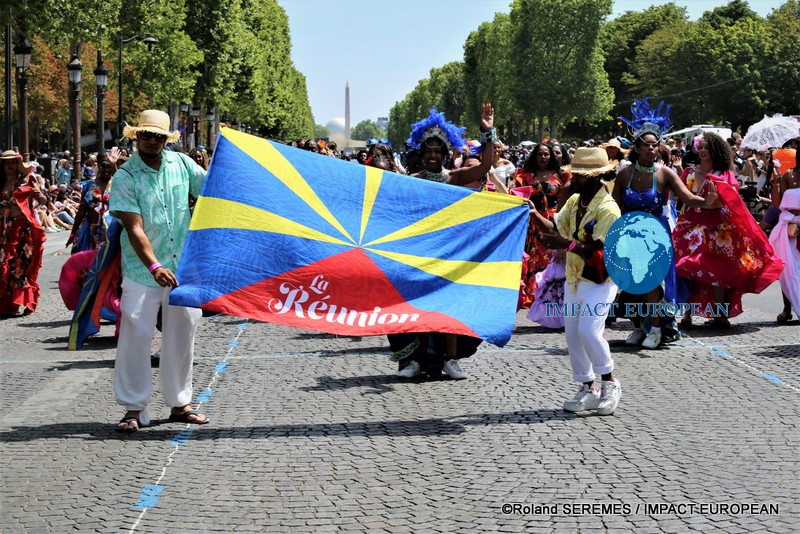
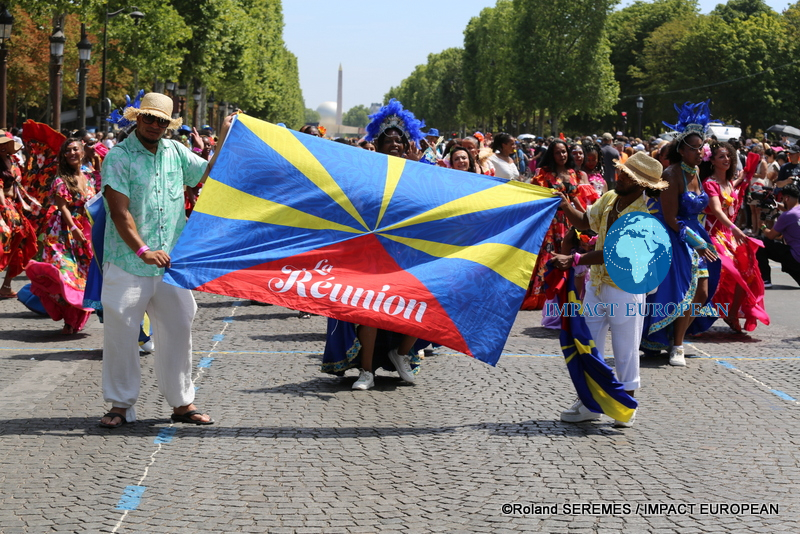
To Réunion Island.
To Brazil.
To Haiti.
To Colombia.
To Peru.
To Bolivia.
To every community that has carried its traditions across oceans without ever leaving its identity behind.
Visitors usually come to the French capital expecting monuments, museums and cafés.
Instead, they discover something unexpected.
One of Europe’s largest celebrations of Caribbean, Latin American and overseas cultures unfolding along one of the world’s most famous avenues.
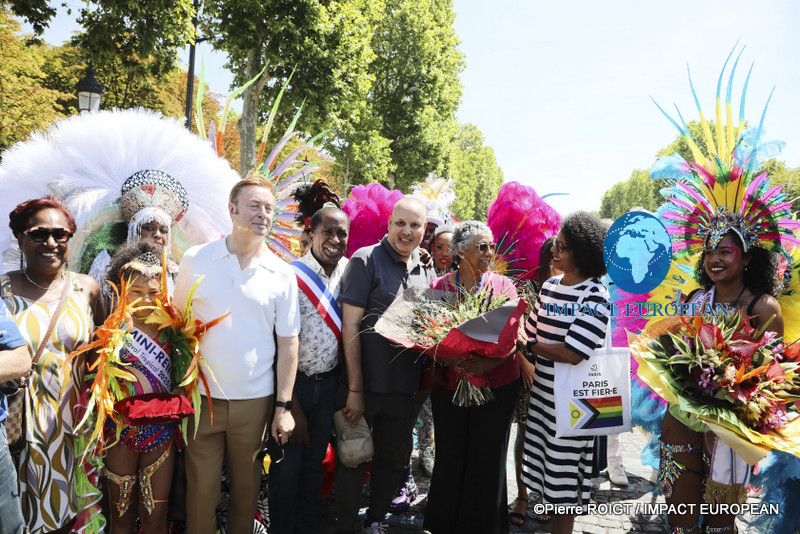
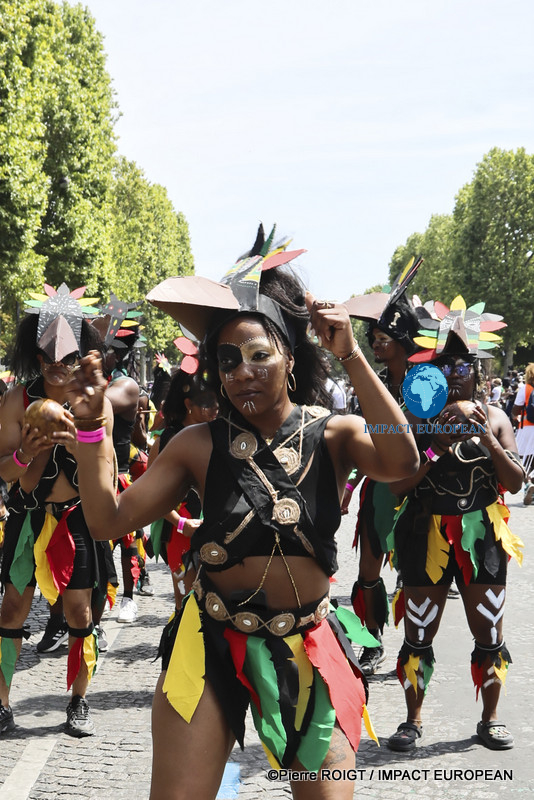
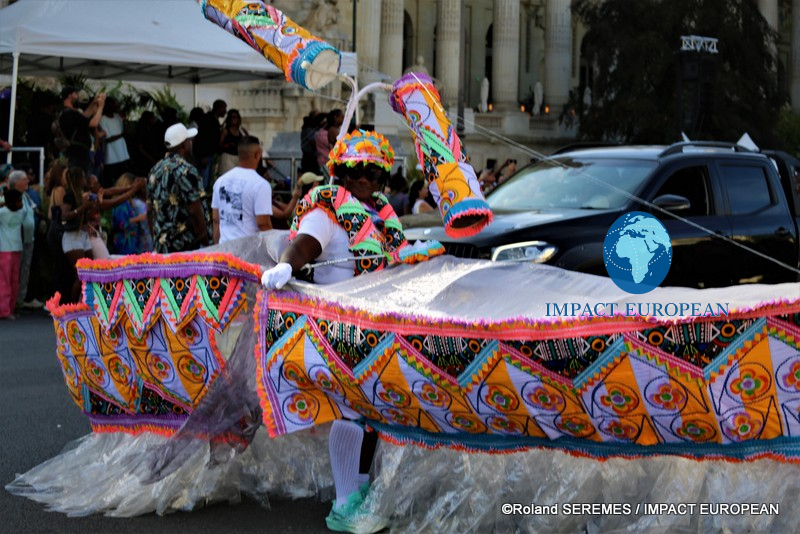
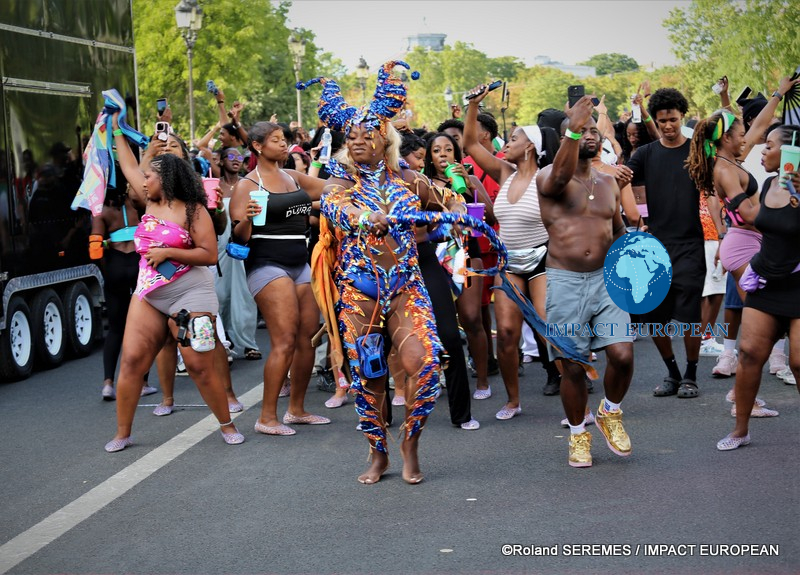
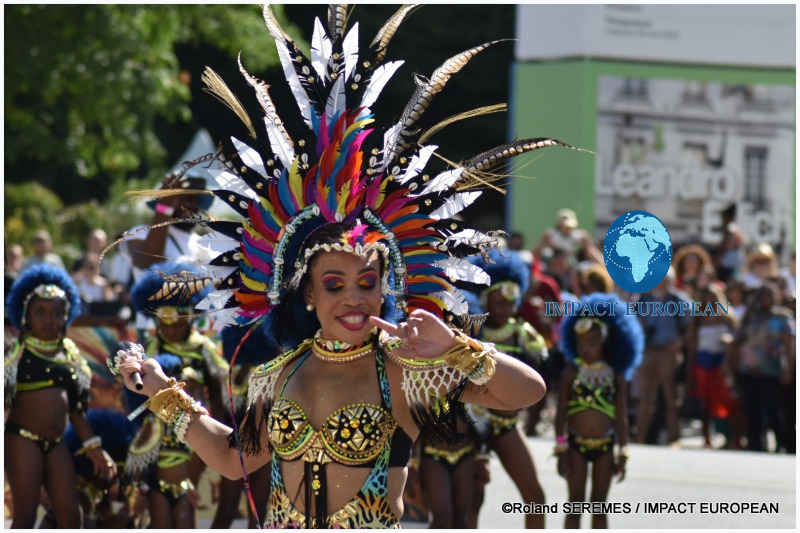
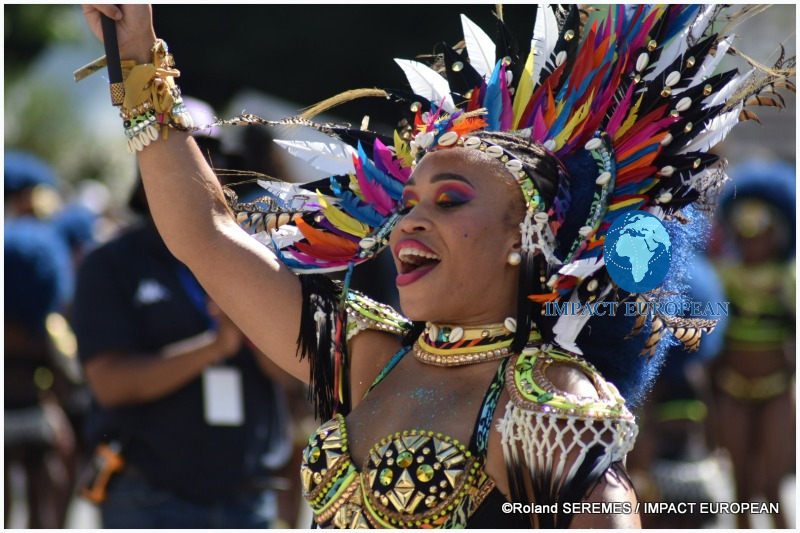
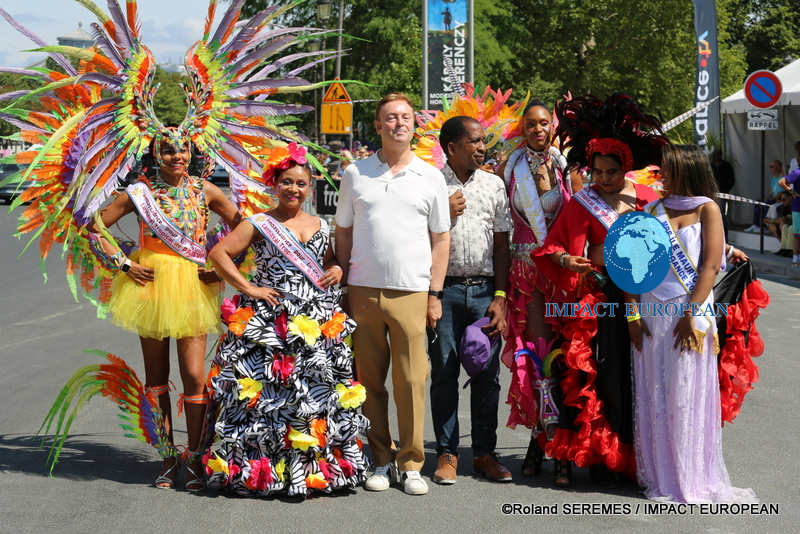
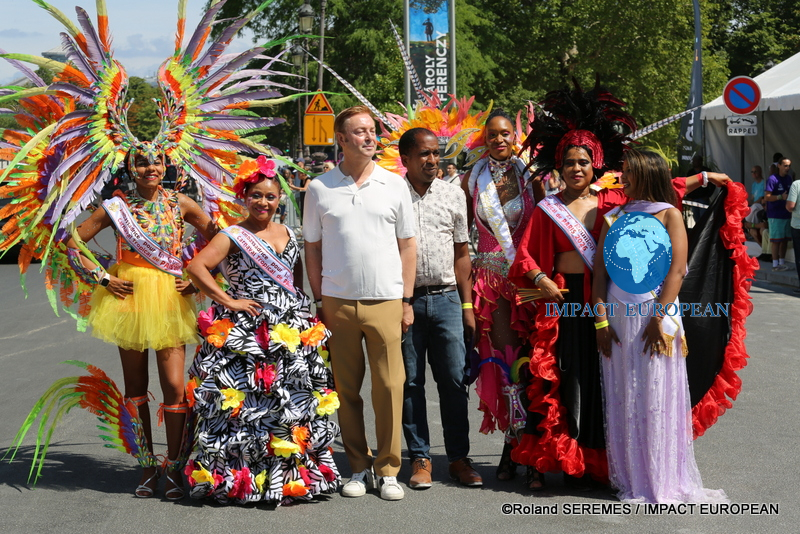
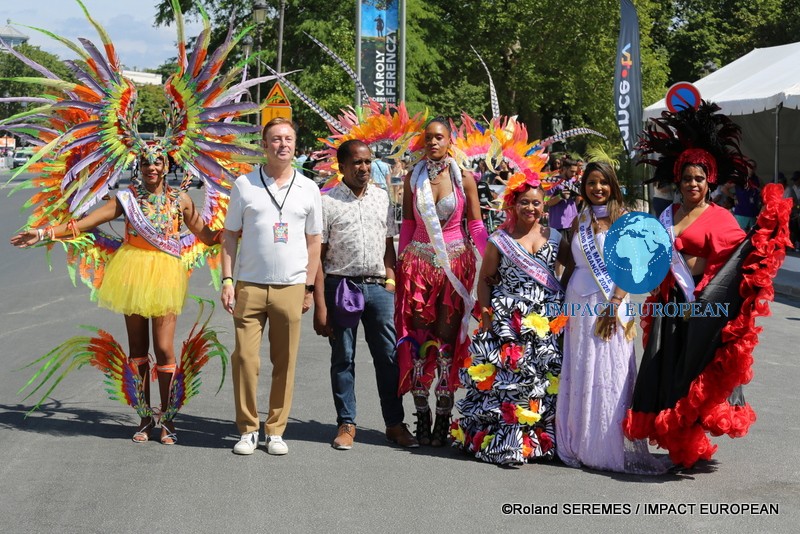
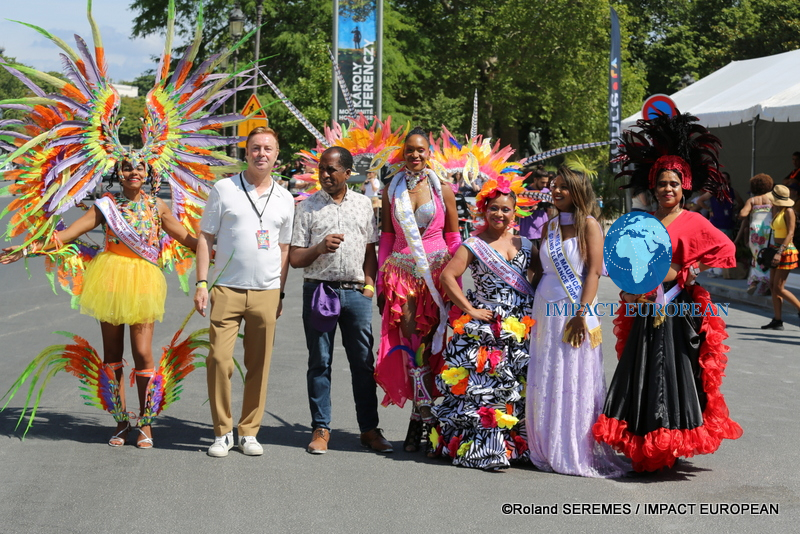
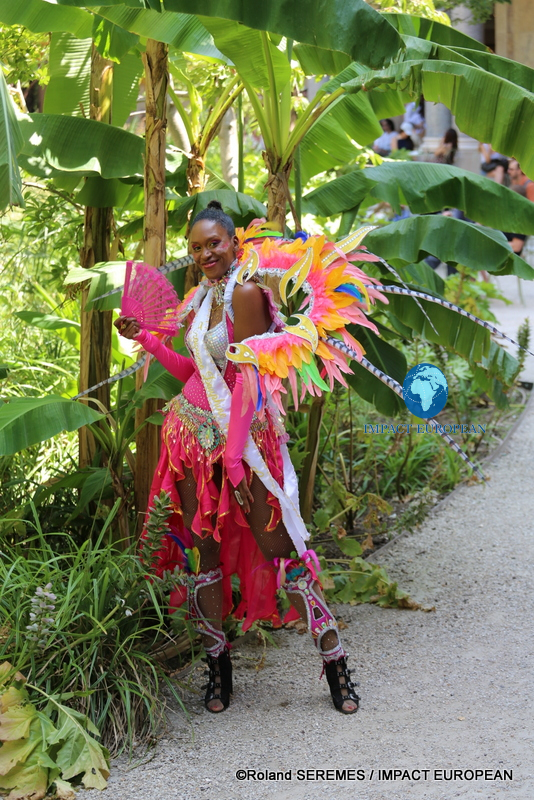
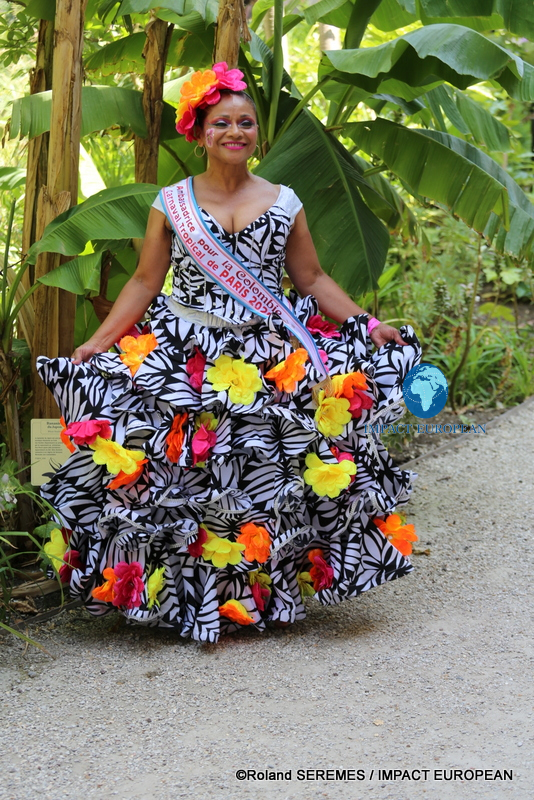
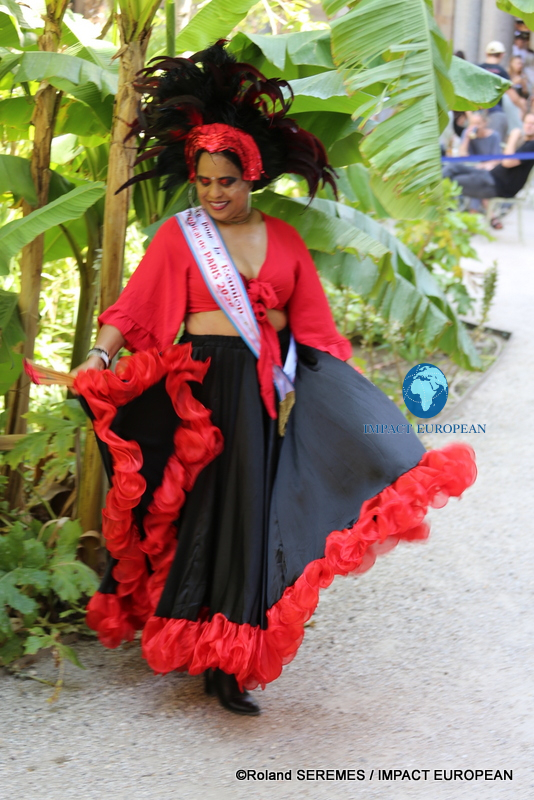
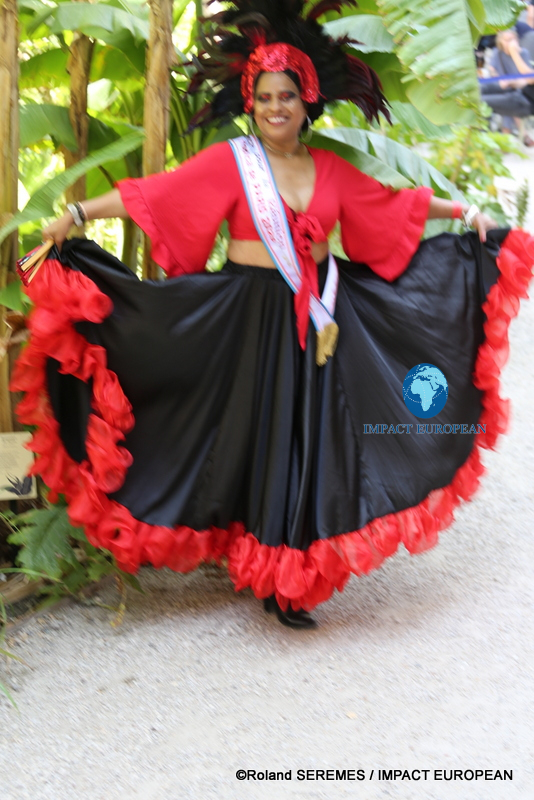
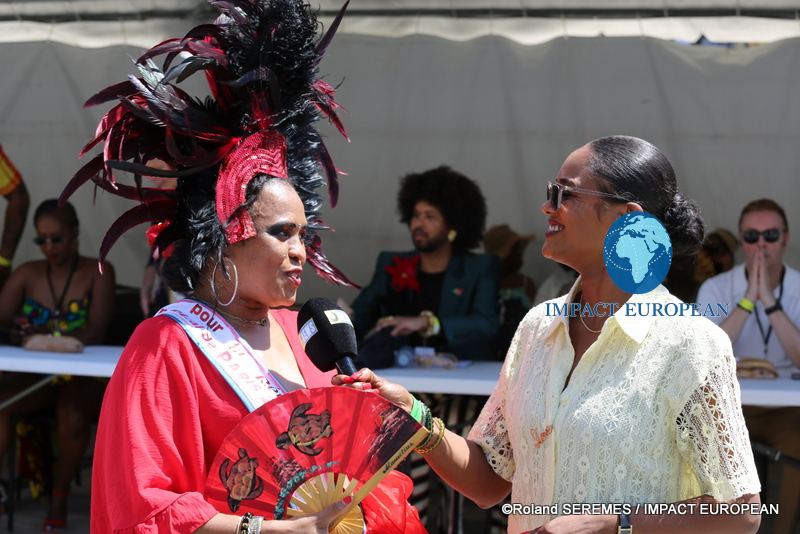
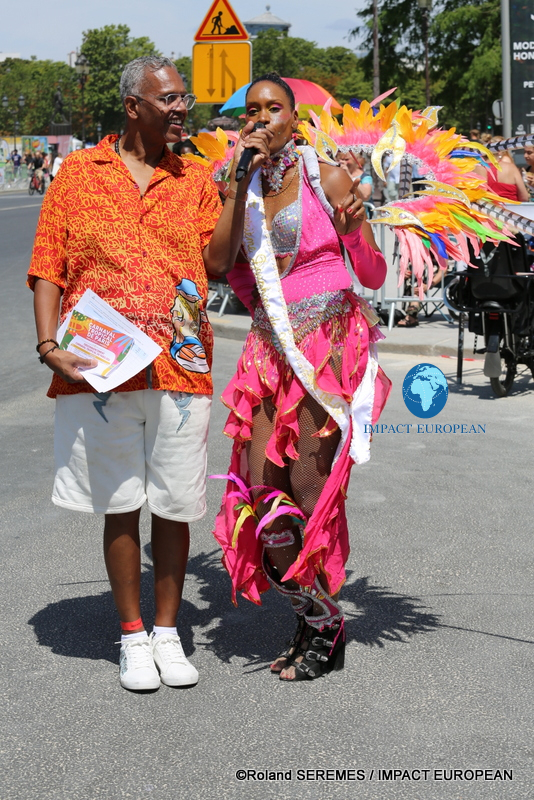
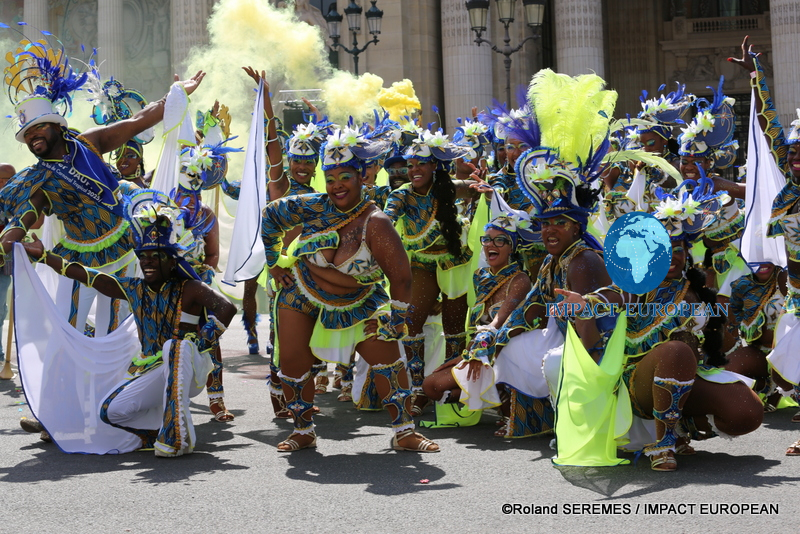
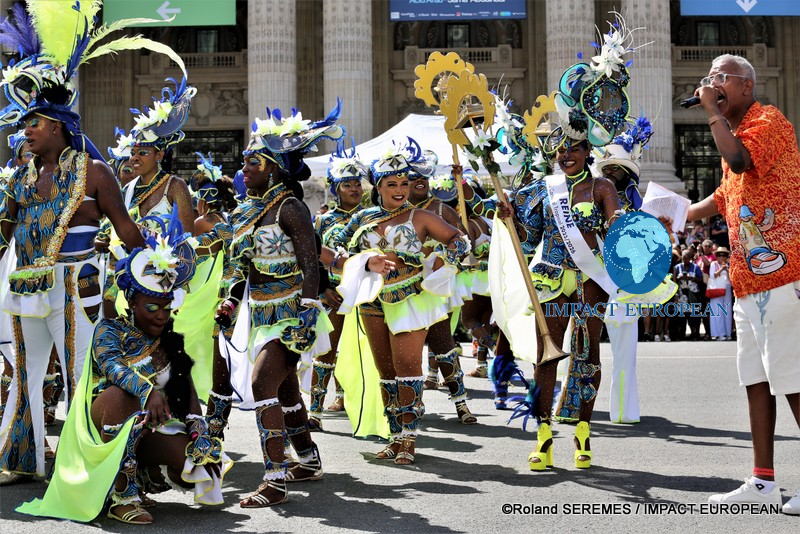
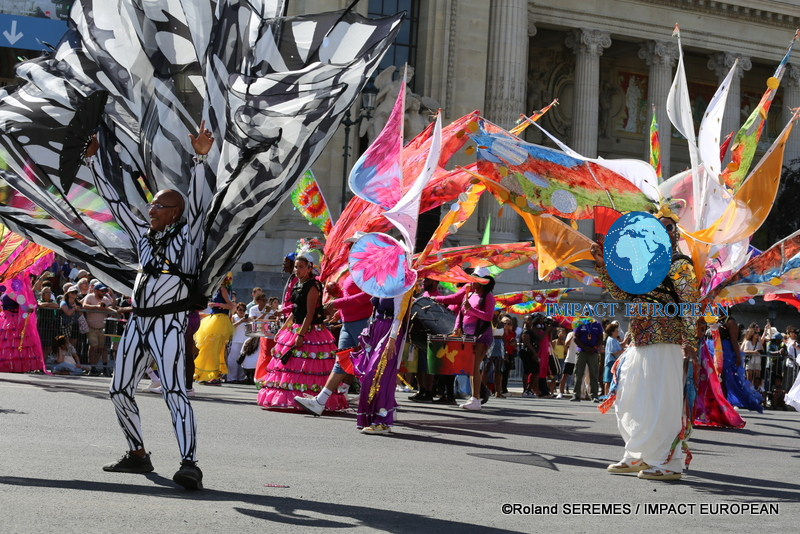
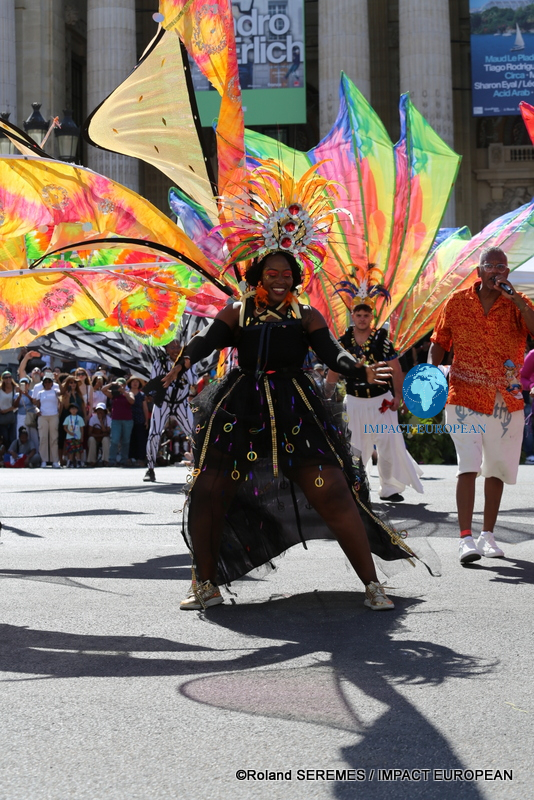
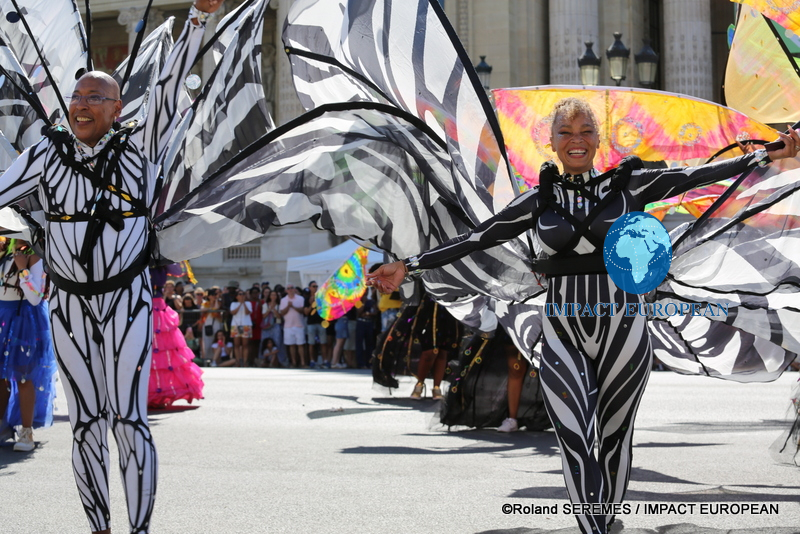
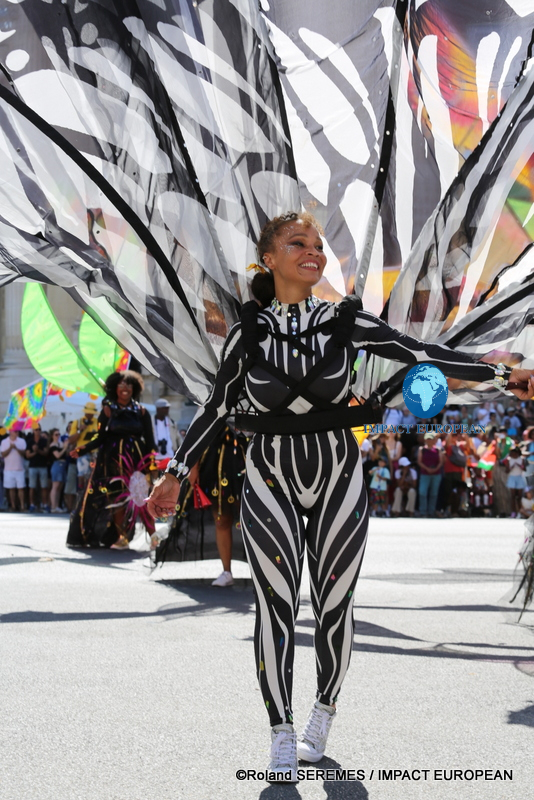
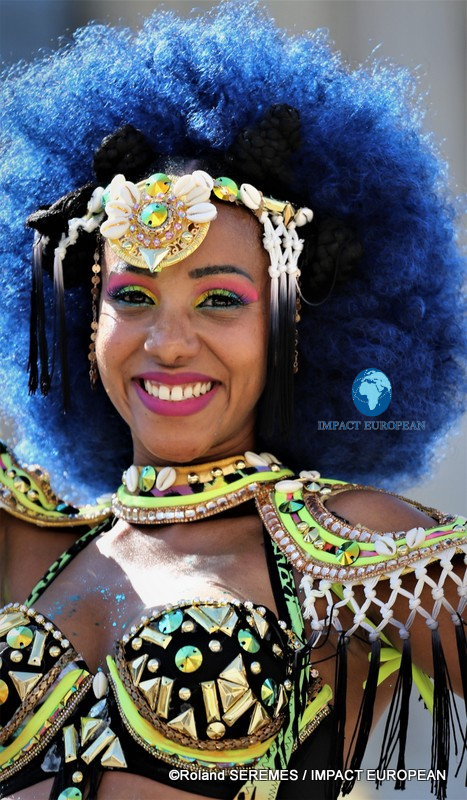
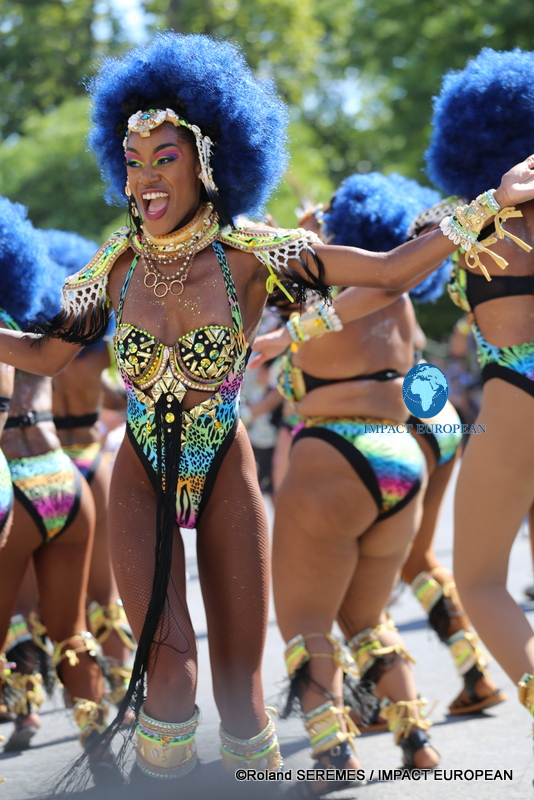
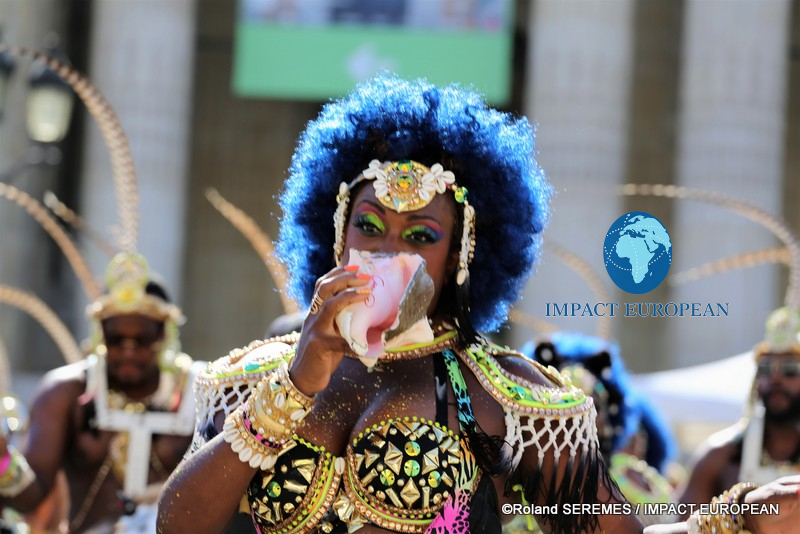
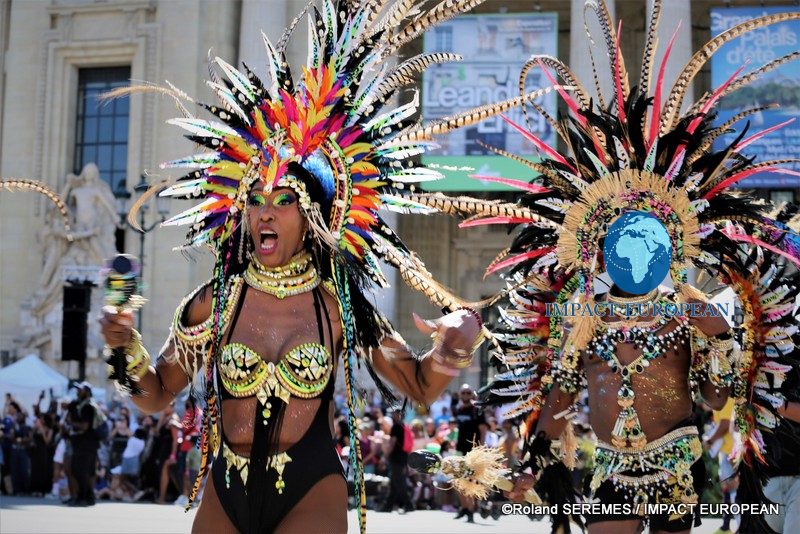
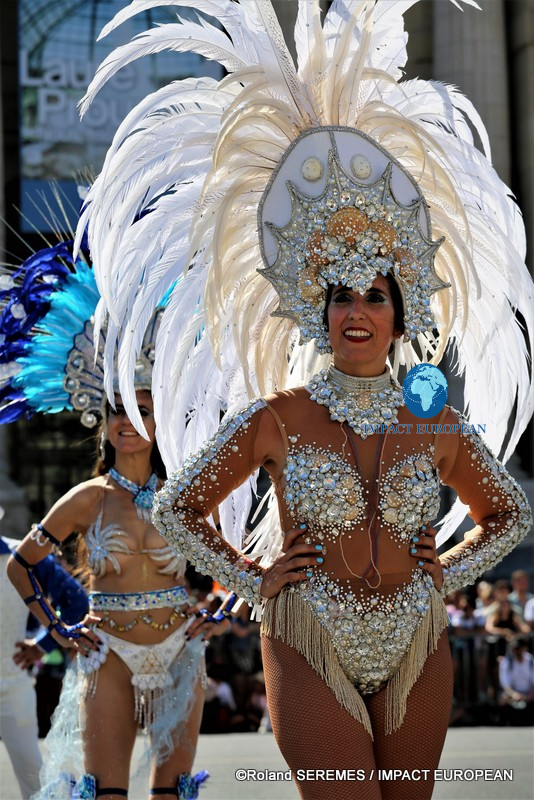
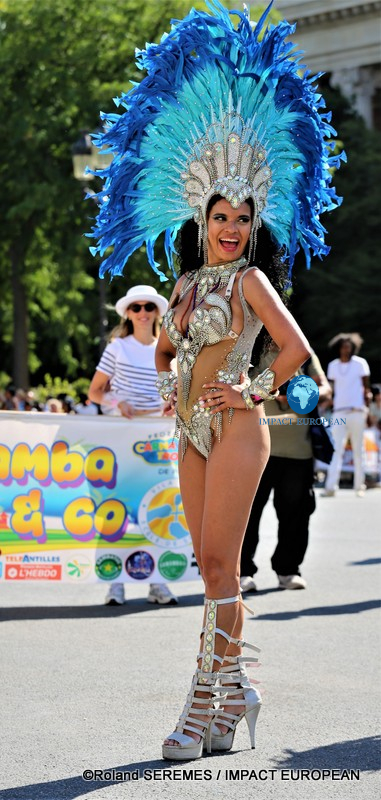
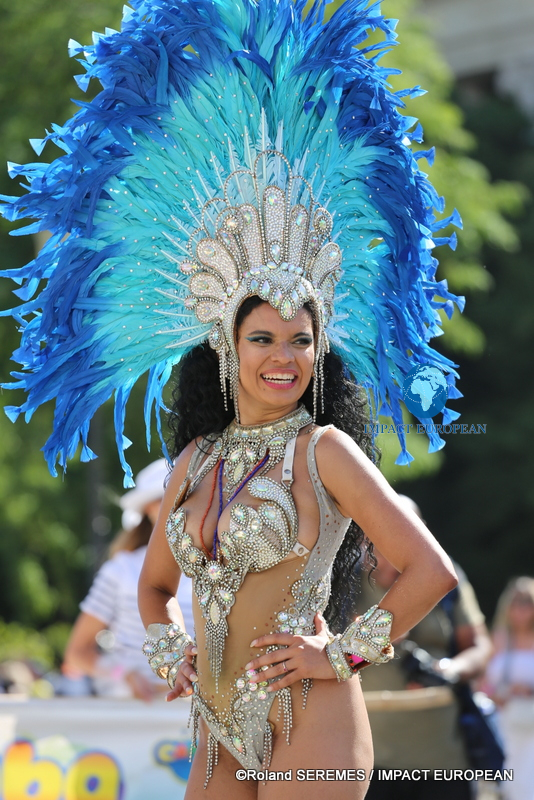
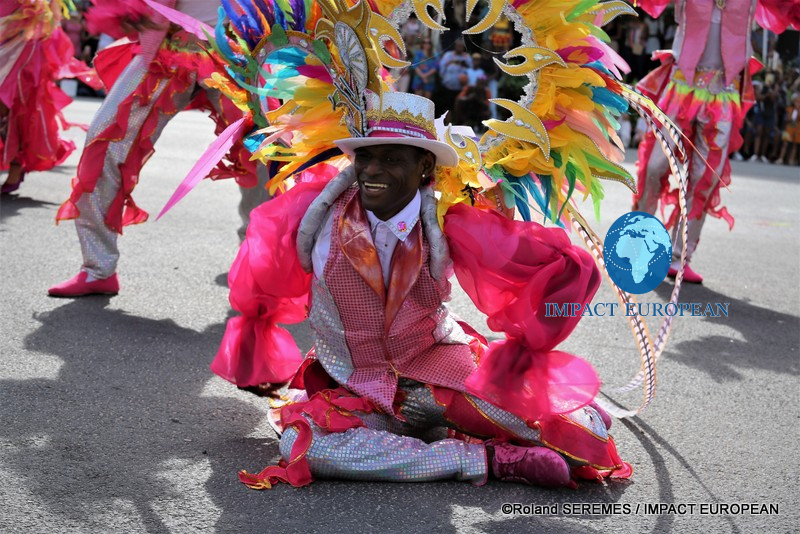
The 24th Paris Tropical Carnival is far more than a colourful parade.
It is a living demonstration that traditions can travel thousands of kilometres, cross generations and still remain faithful to the people who created them.
Long before the first drum echoes between the trees of the Champs-Élysées, the journey has already begun.
Not in Paris.
But across the Atlantic.
A journey that begins long before France
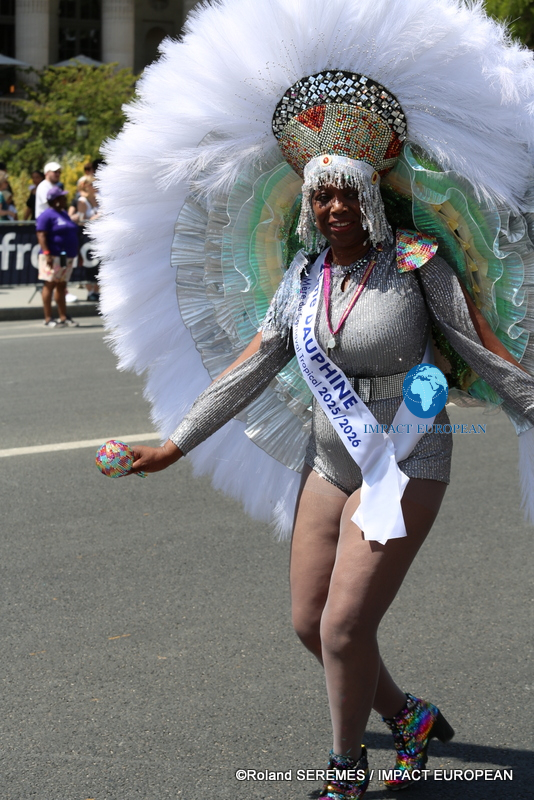
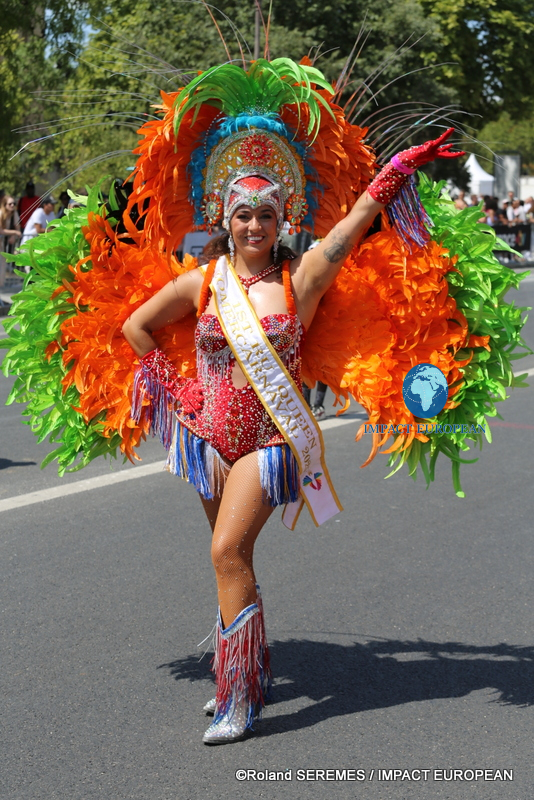
Every delegation arrives carrying far more than costumes.
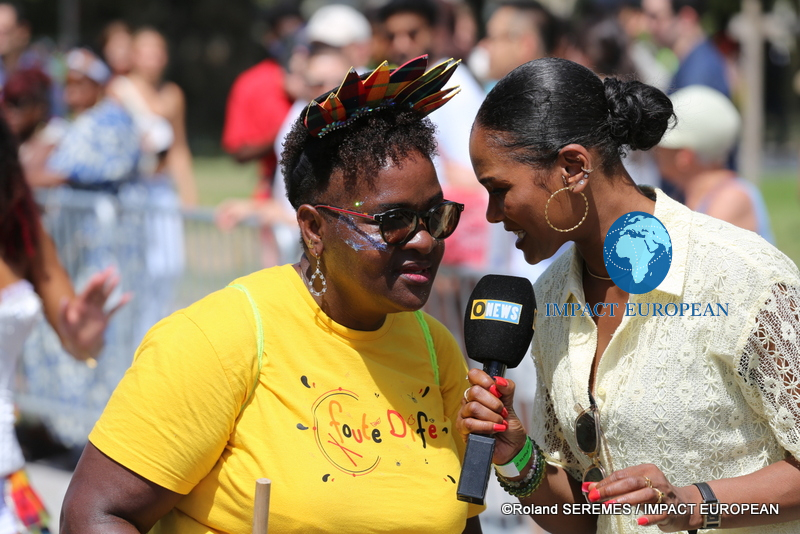
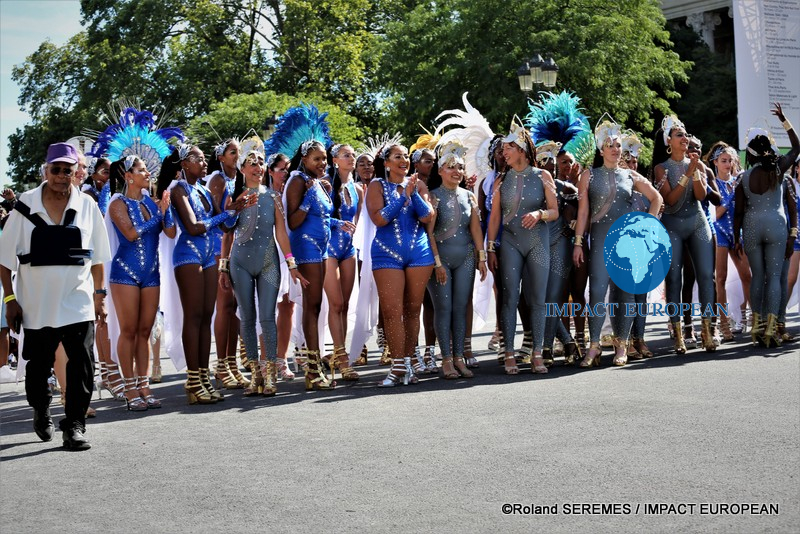
Behind every dancer stand families, neighbourhood associations, musicians, costume designers and volunteers who have spent months preparing for this single afternoon.
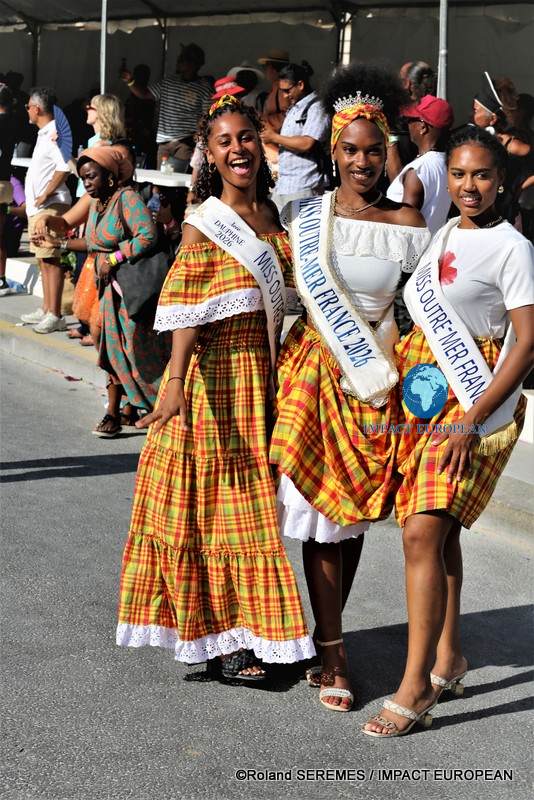
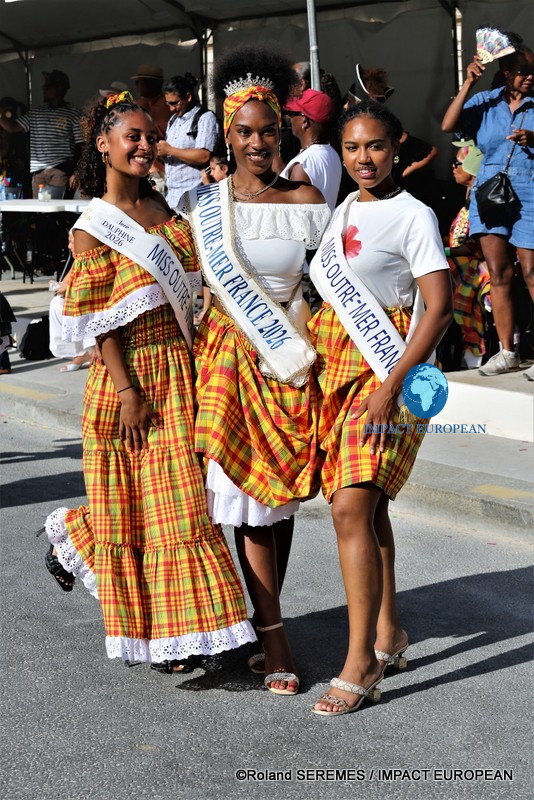
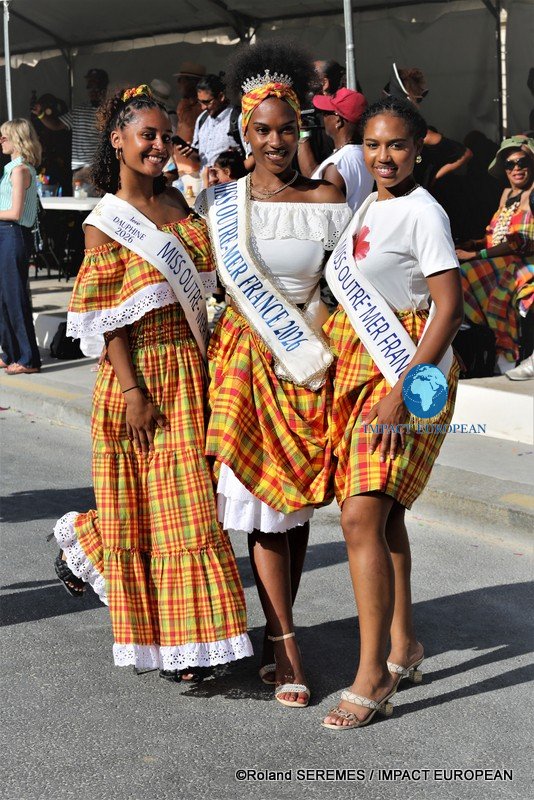
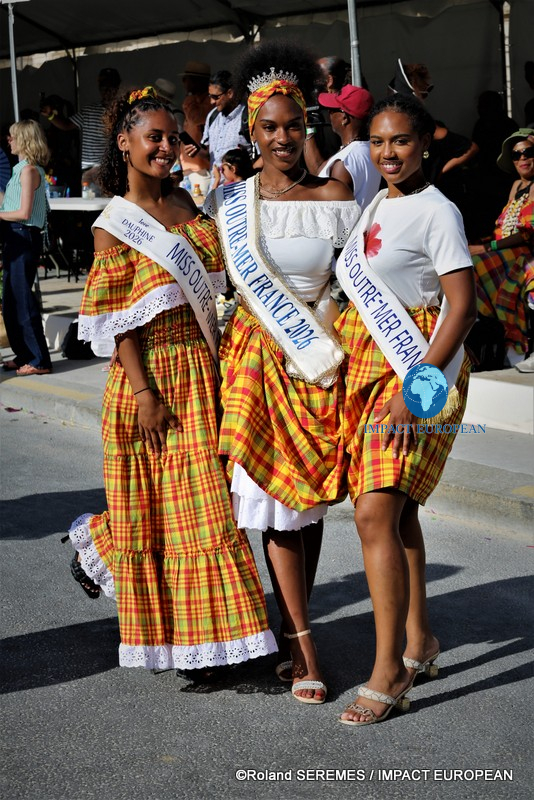
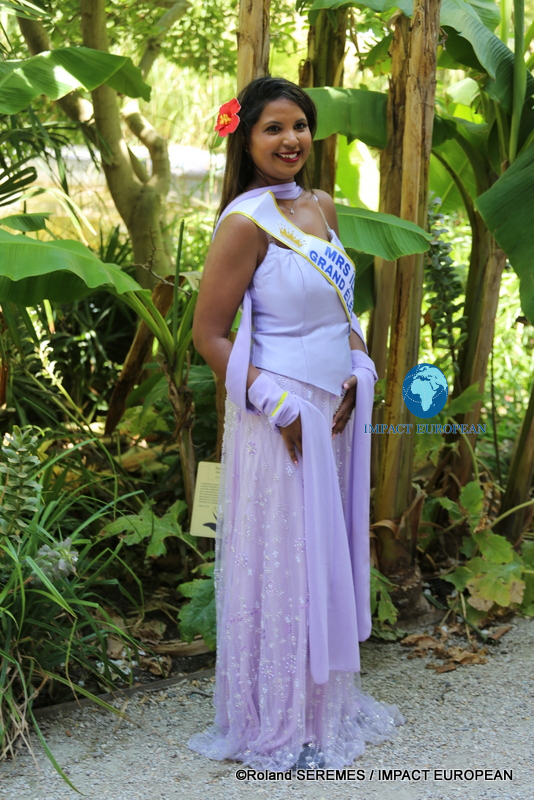
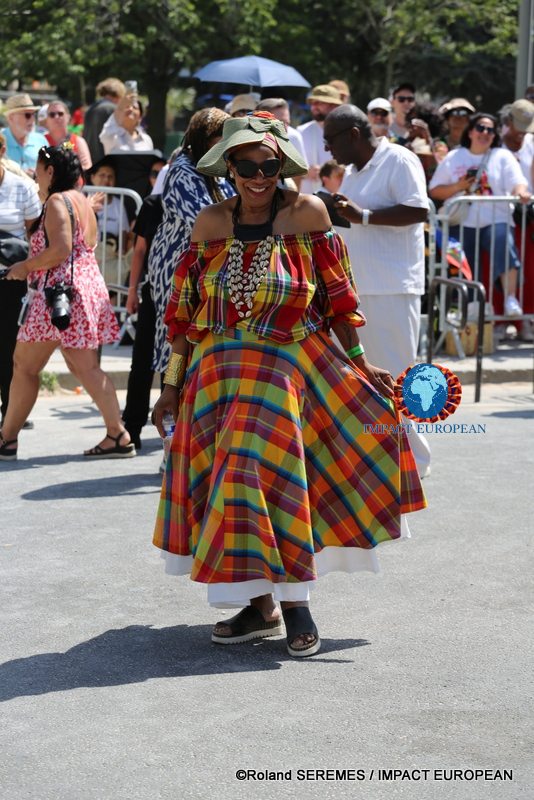
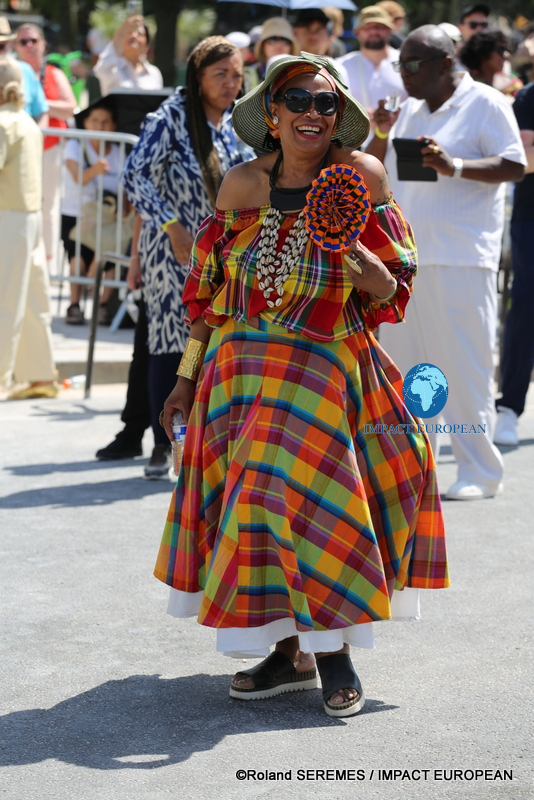
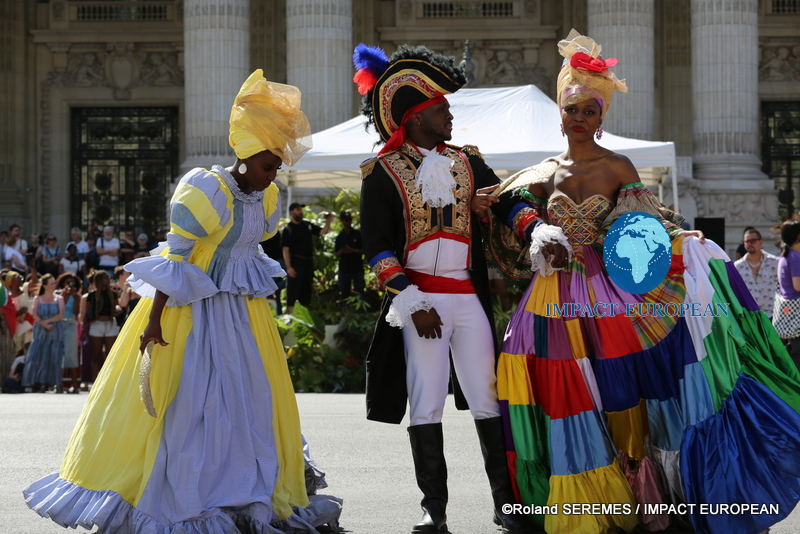
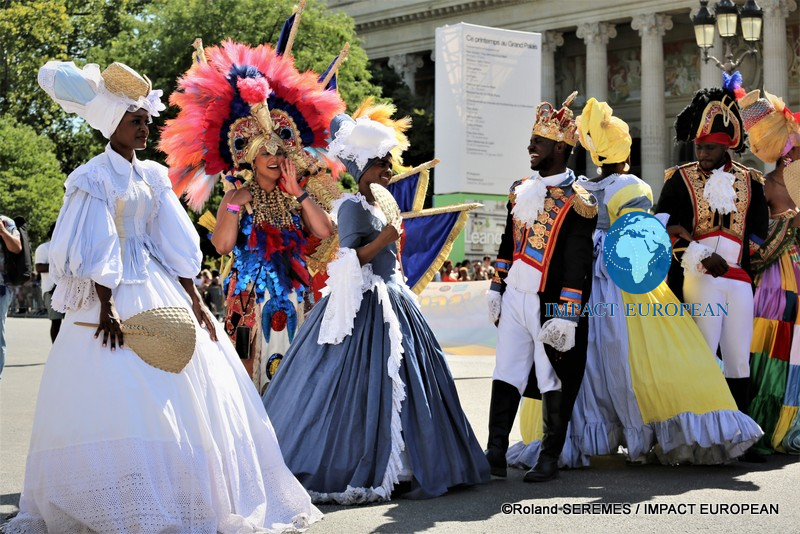
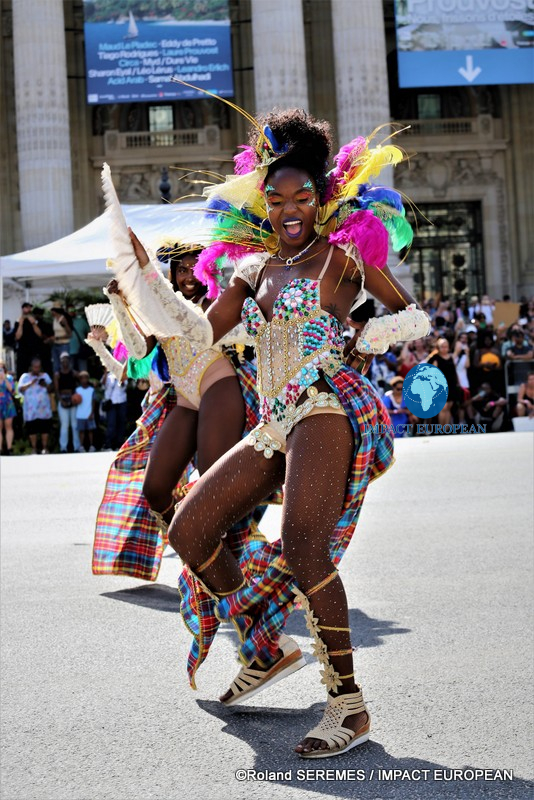
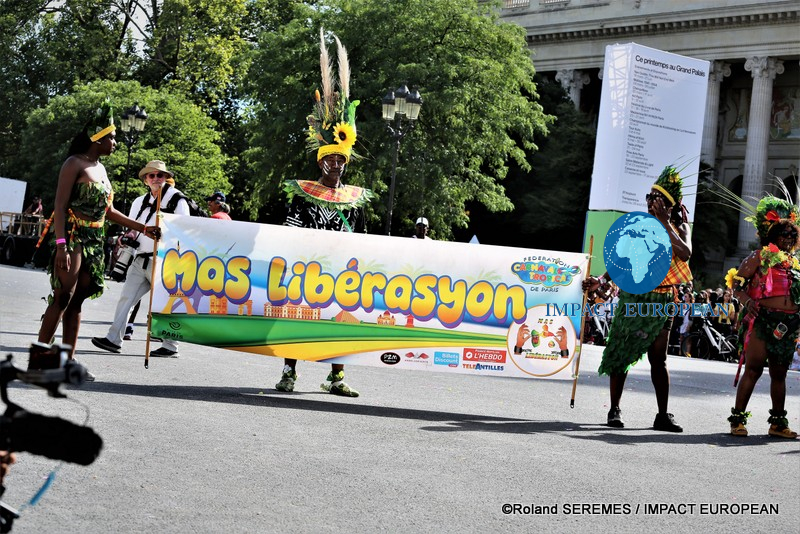
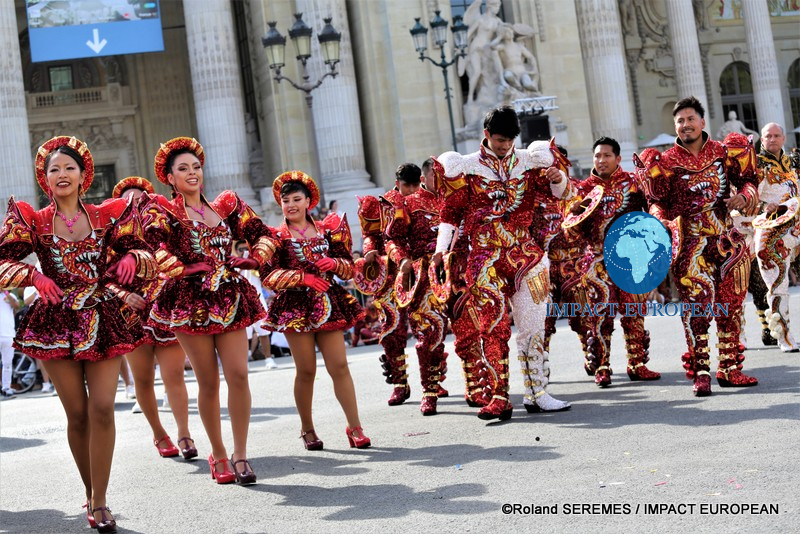
For performers from the French Caribbean, the parade is an opportunity to share traditions deeply rooted in their islands.
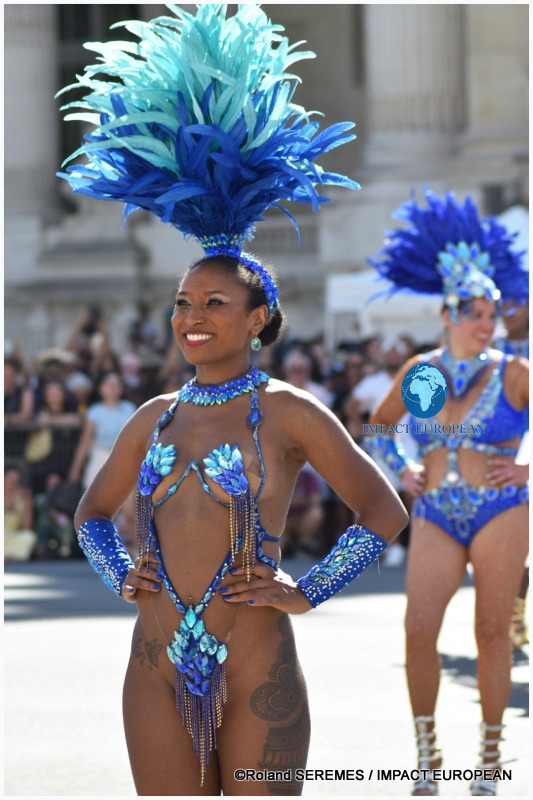
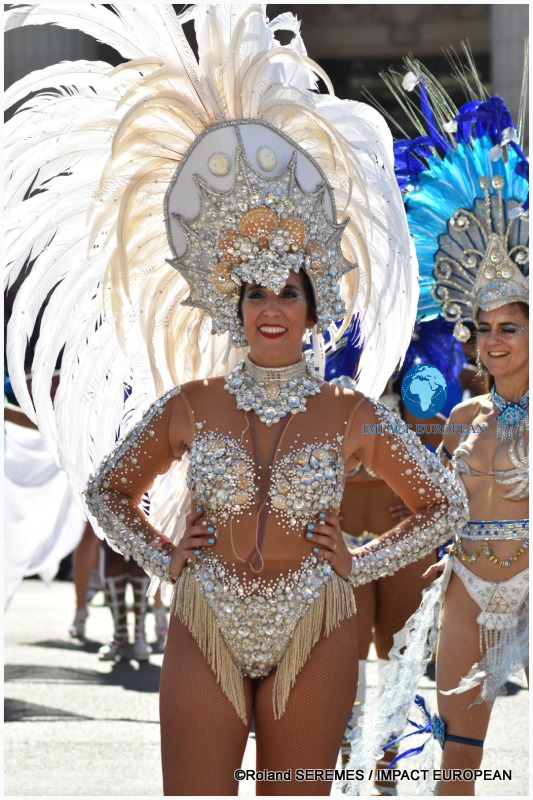
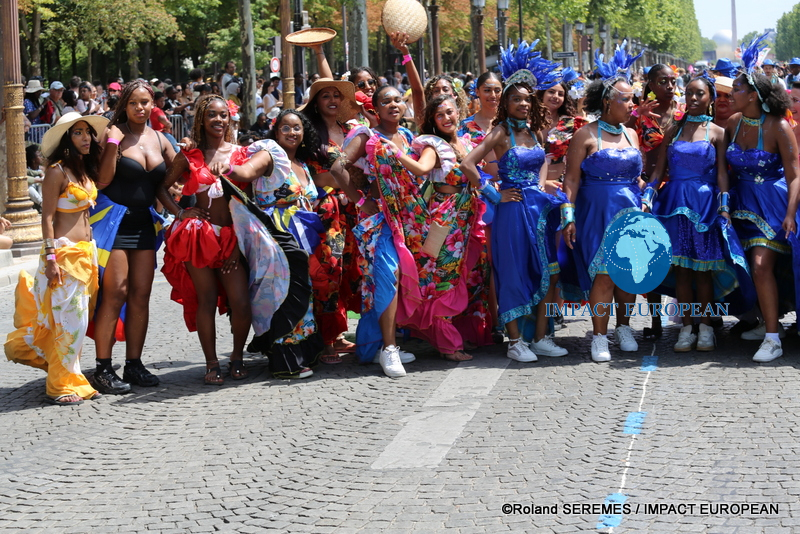
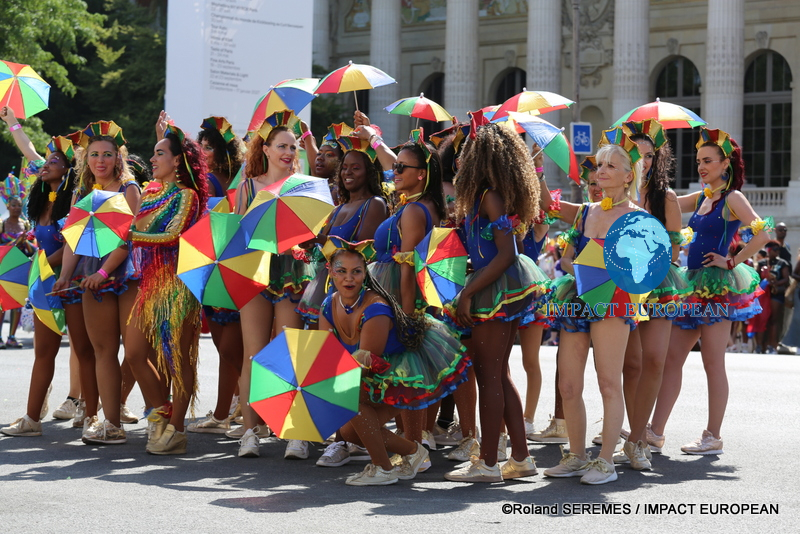
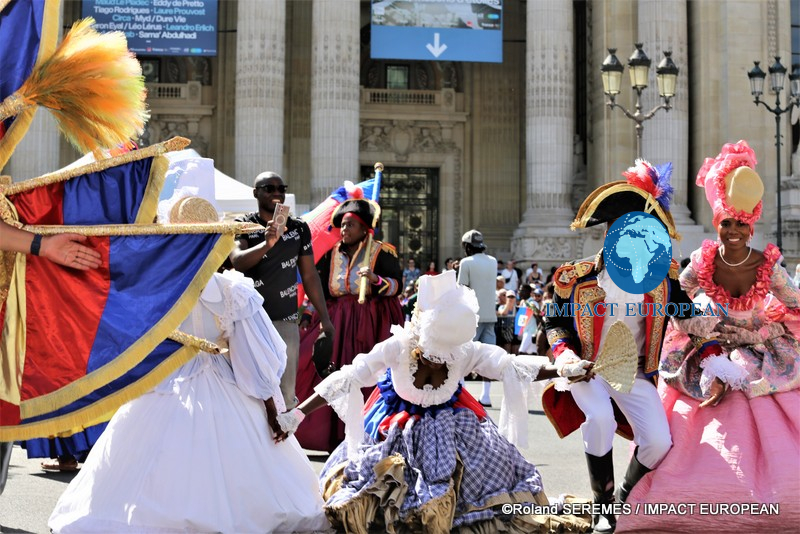
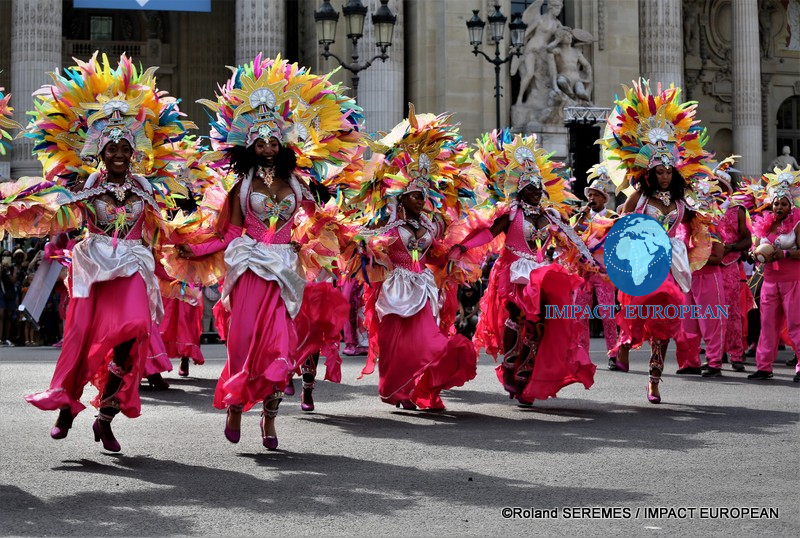
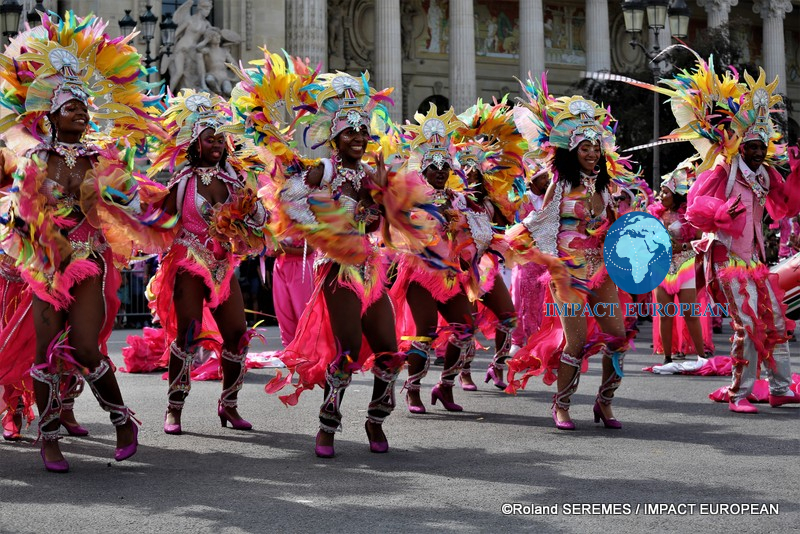
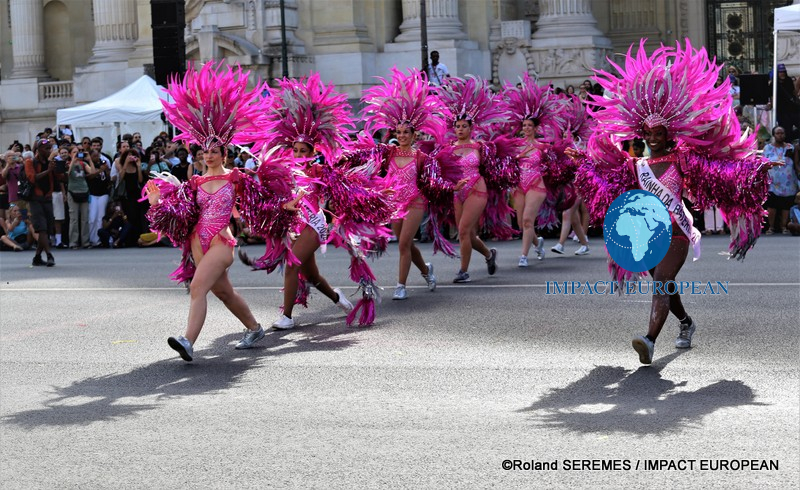
For Brazilian groups, samba is more than choreography; it is a celebration of identity.
For Haitian performers, rhythm carries generations of history.
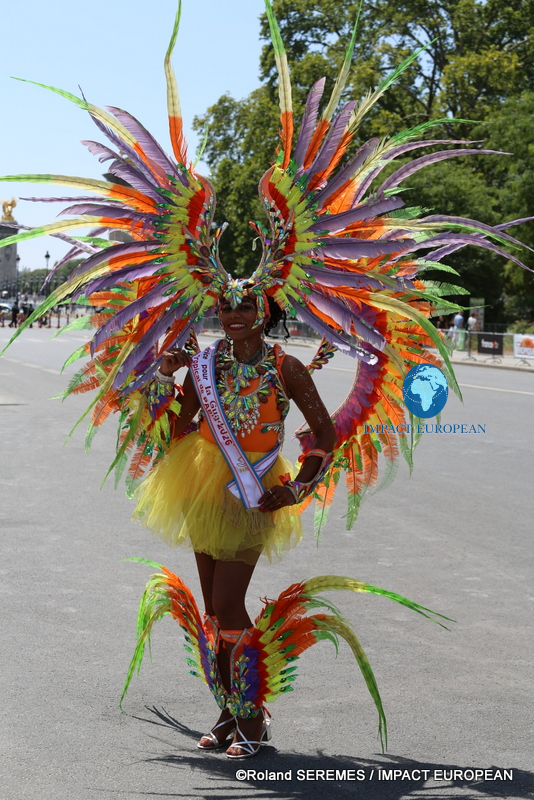
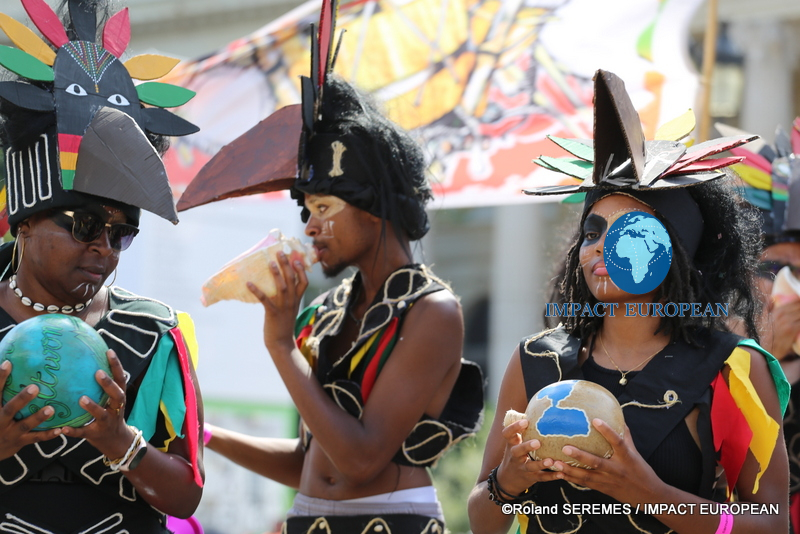
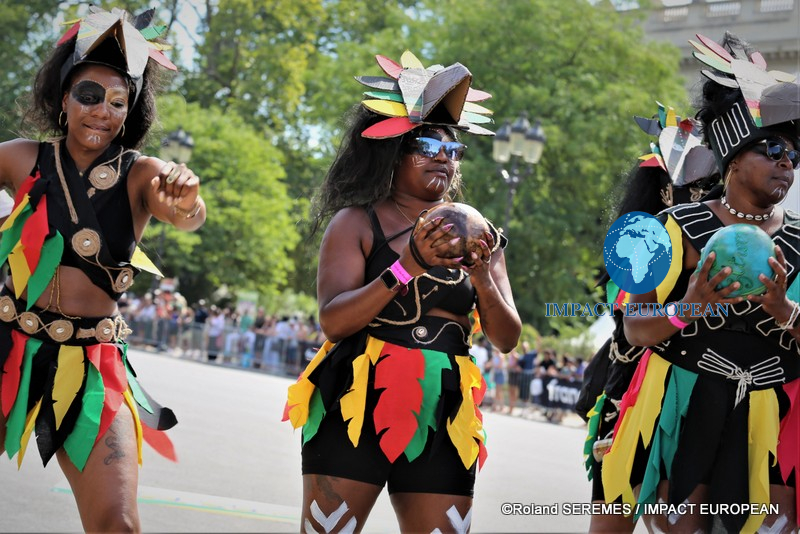
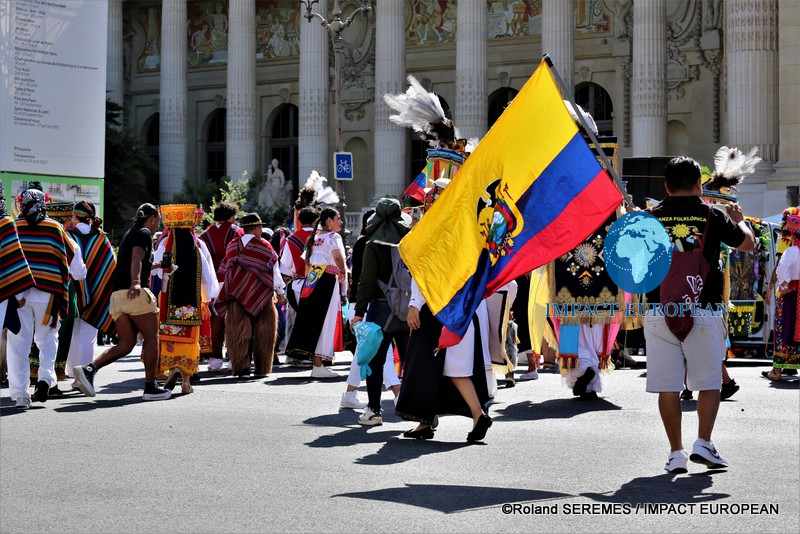
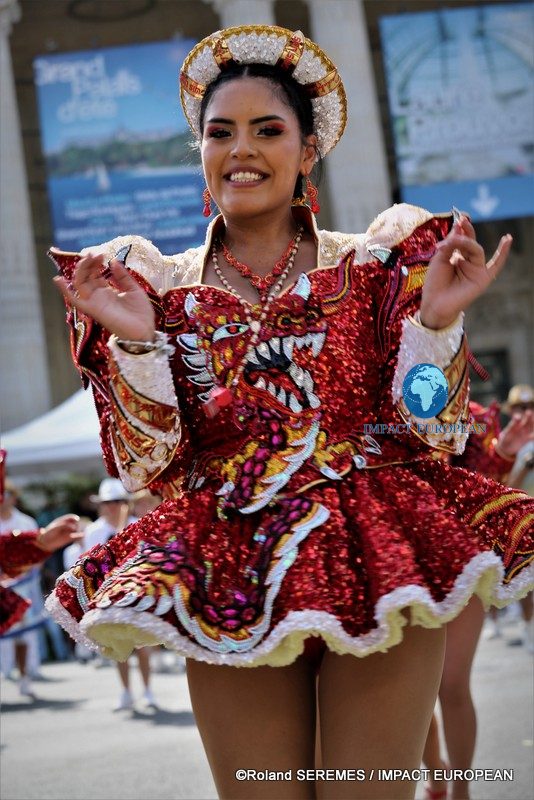
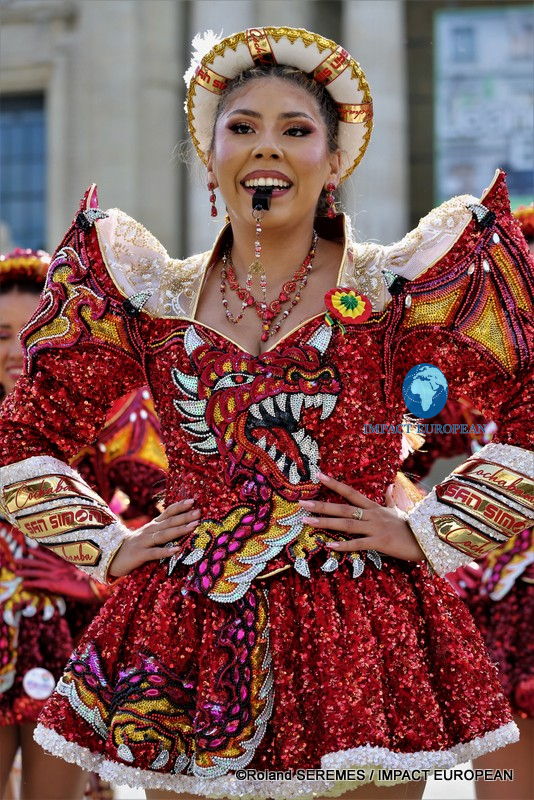
For delegations from South America, every costume reflects colours, symbols and memories born far from Europe.
Each group brings a different story.
None tries to replace another.
That diversity has become the true identity of the Paris Tropical Carnival.
Unlike many international festivals where cultures are presented one after another, here they meet, interact and continue the same journey together.
For a few hours, the Champs-Élysées become a bridge connecting continents rather than separating them.
Why Paris?
The answer lies in the city’s history.
Paris has always welcomed ideas, artists and communities from around the world.
The Paris Tropical Carnival extends that tradition in a unique way.
Instead of asking visitors to discover the world through museums, it brings the world directly into the streets.
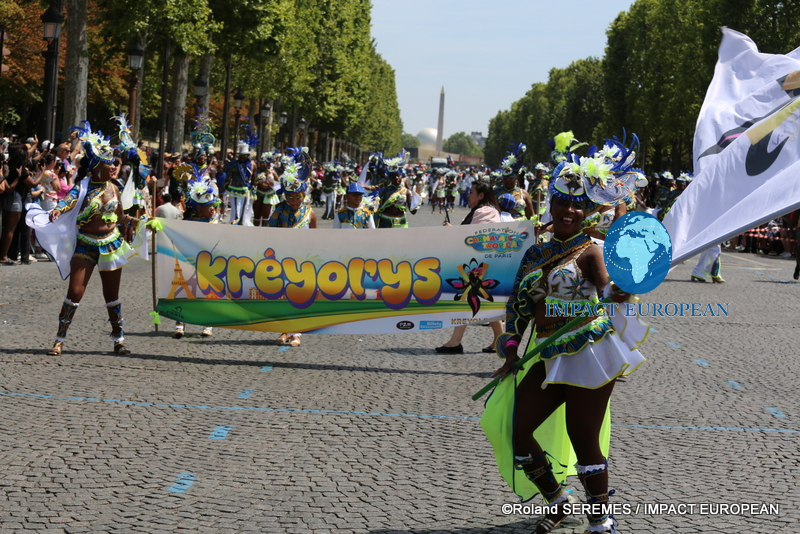
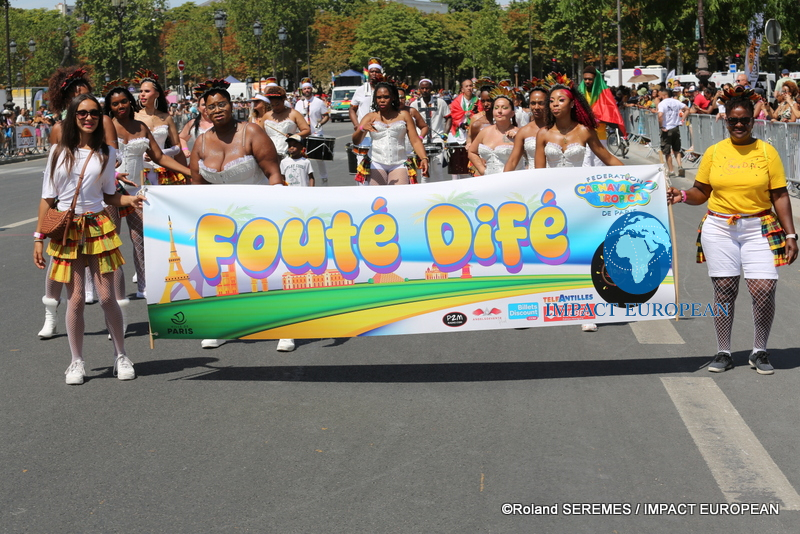
Created in 2001 by the Fédération du Carnaval Tropical de Paris, the event was designed to celebrate the traditions of the French Overseas Territories.
Year after year, it has grown into something much larger.
Today, performers from the Caribbean, Latin America and many other regions walk side by side, transforming the French capital into one of Europe’s most vibrant cultural crossroads.
Following the interruption caused by the global pandemic in 2020, the Carnival returned with renewed energy, and its 24th edition confirms its place among France’s most important cultural celebrations.
Paris, V’Îles Lumières
This year’s theme,
« Paris, V’Îles Lumières, »
invites visitors to imagine Paris differently.
Not simply as a city.
But as an archipelago.
Each island represents a culture.
A language.
A rhythm.
A memory.
Some are separated by thousands of kilometres.
Yet on this single afternoon they meet without losing what makes them unique.
Perhaps this is the Carnival’s greatest achievement.
It does not ask cultures to become alike.
It allows them to remain themselves while sharing the same stage.
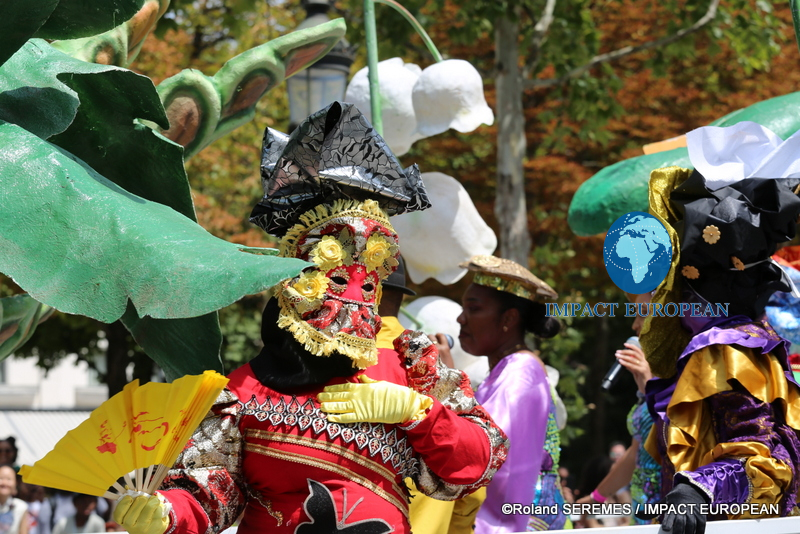
Behind Every Costume, a Community
Long before the first applause rises from the crowd, another story unfolds away from the public eye.
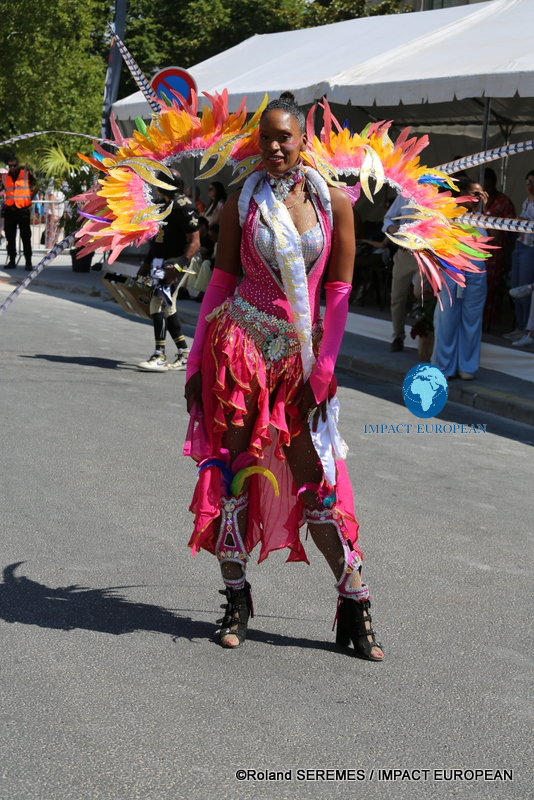
In the assembly areas near Place de la Concorde, final adjustments continue until the very last minute.
A feather is carefully repositioned.
A drum is tightened one final time.
Children rehearse a choreography they have repeated for months.
Volunteers move tirelessly between costumes, instruments and floats, making sure that every detail reflects the identity of the group they represent.
The audience will remember the spectacle.
The participants remember the journey that made it possible.
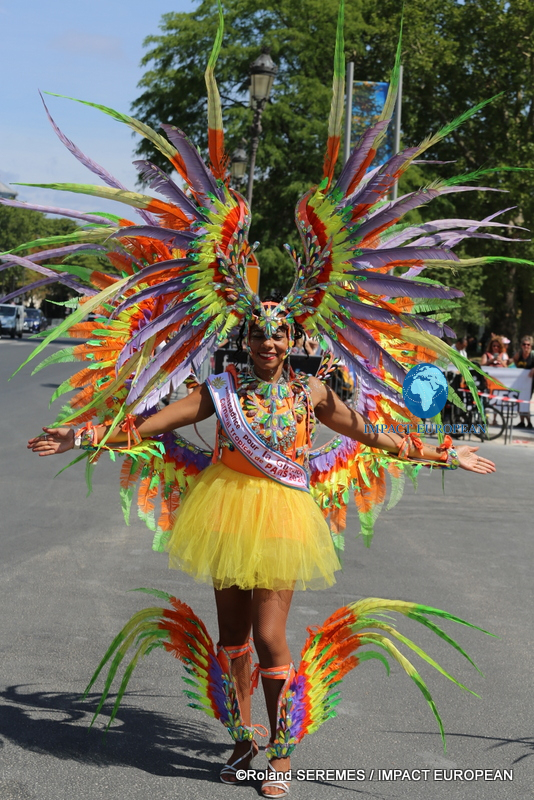
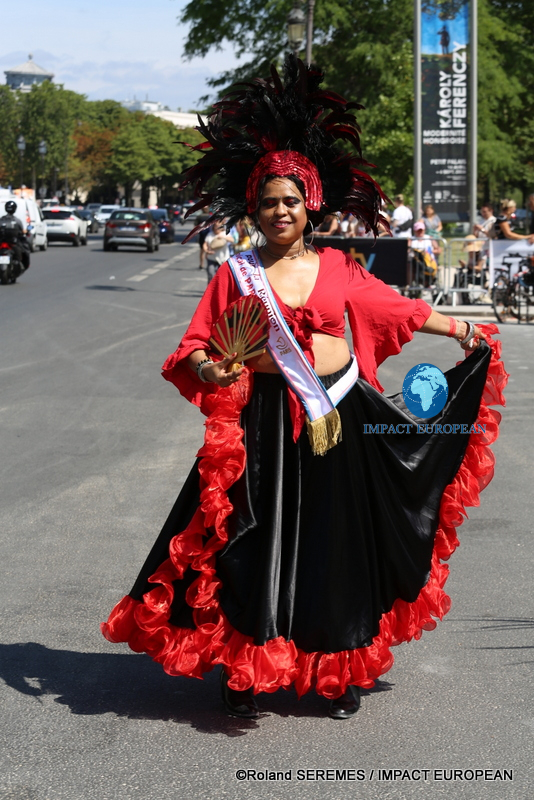
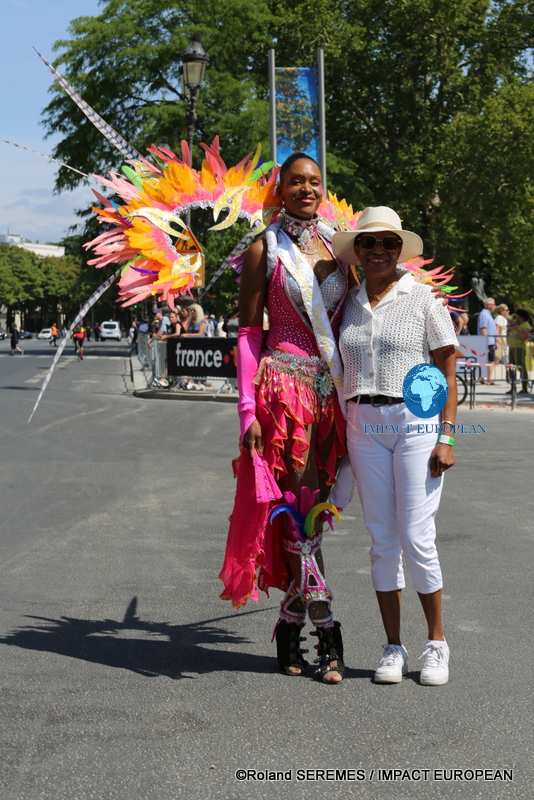
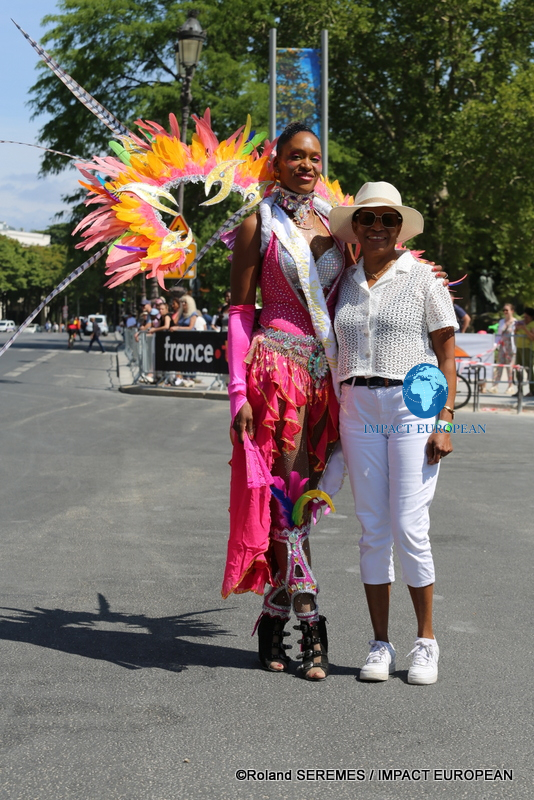
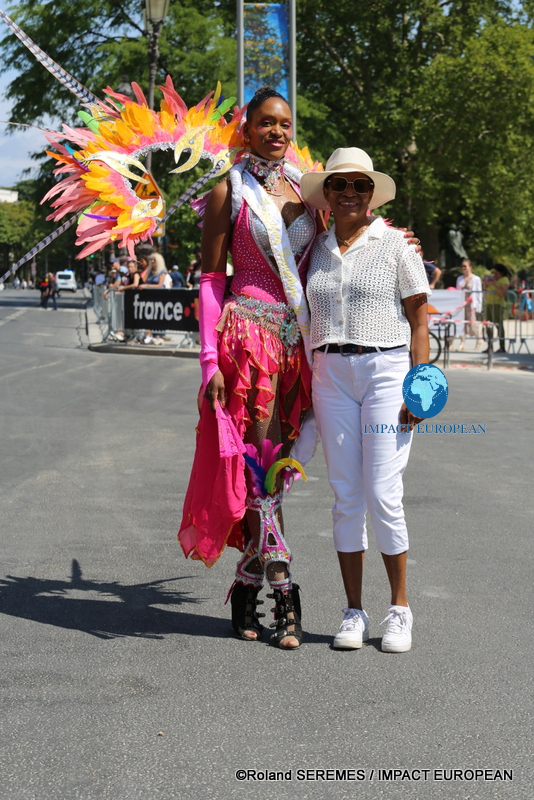
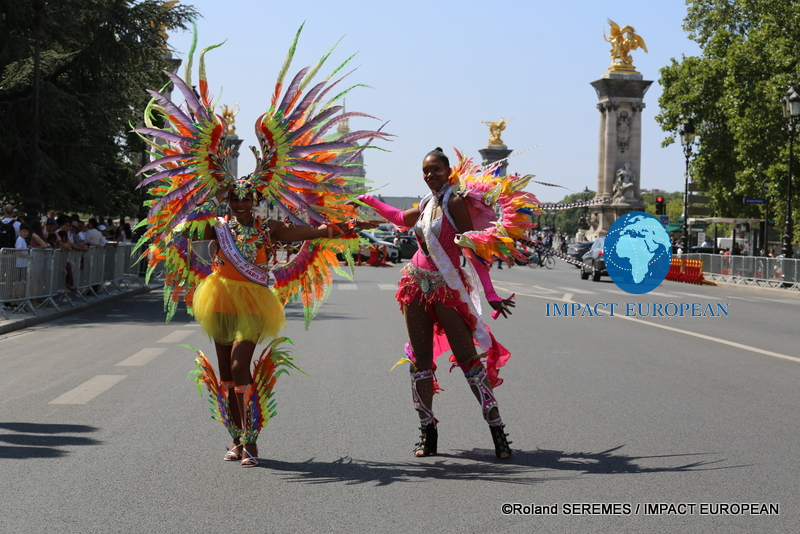
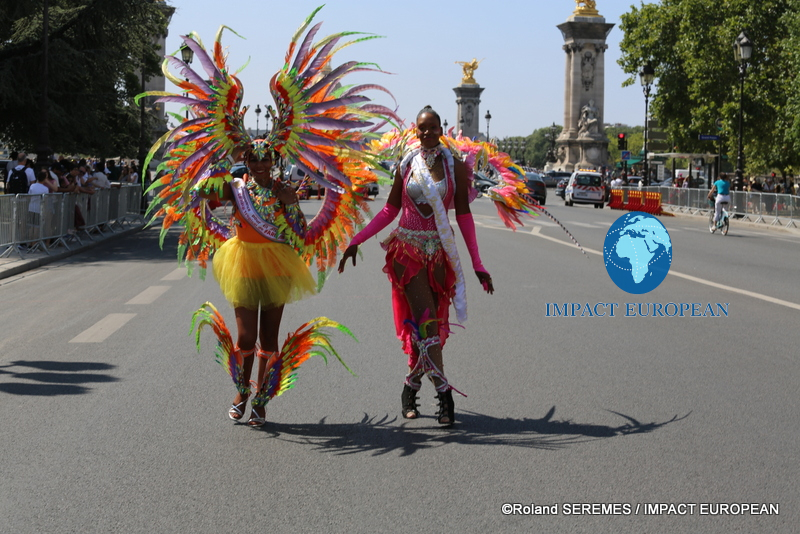
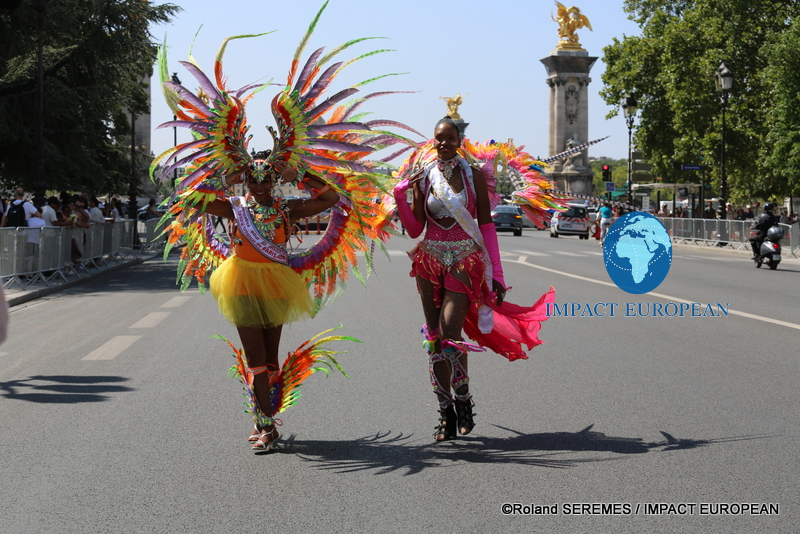
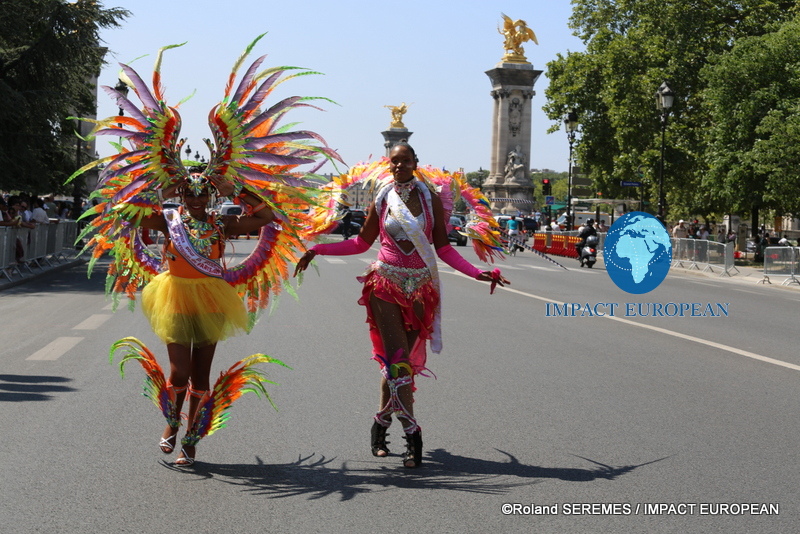
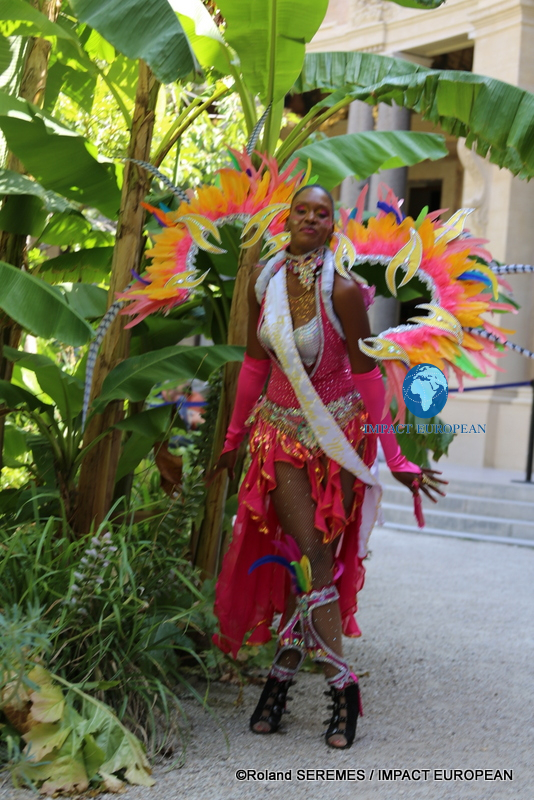
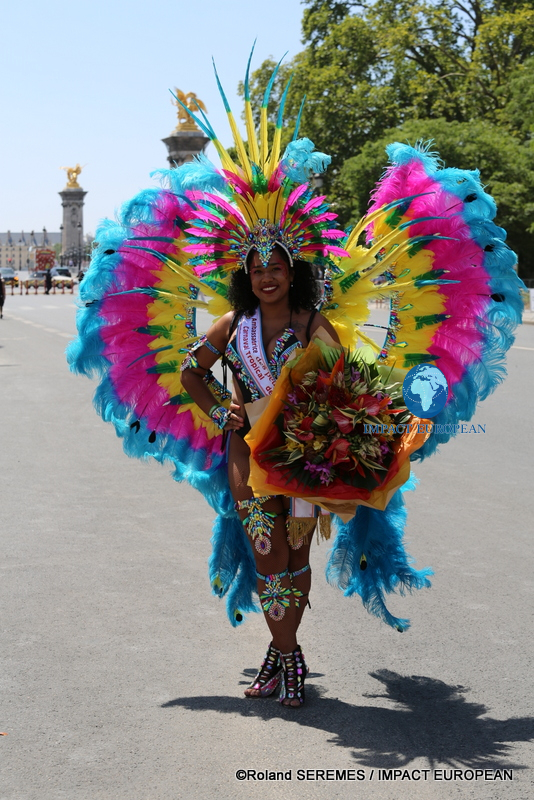
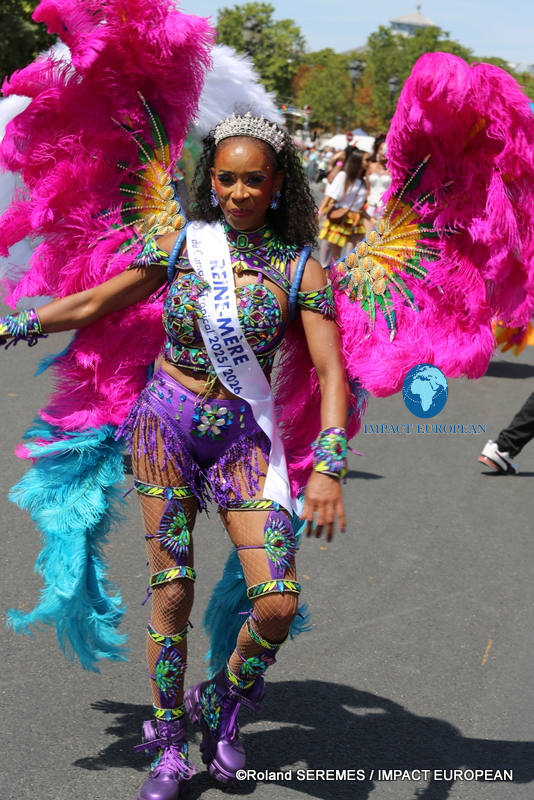
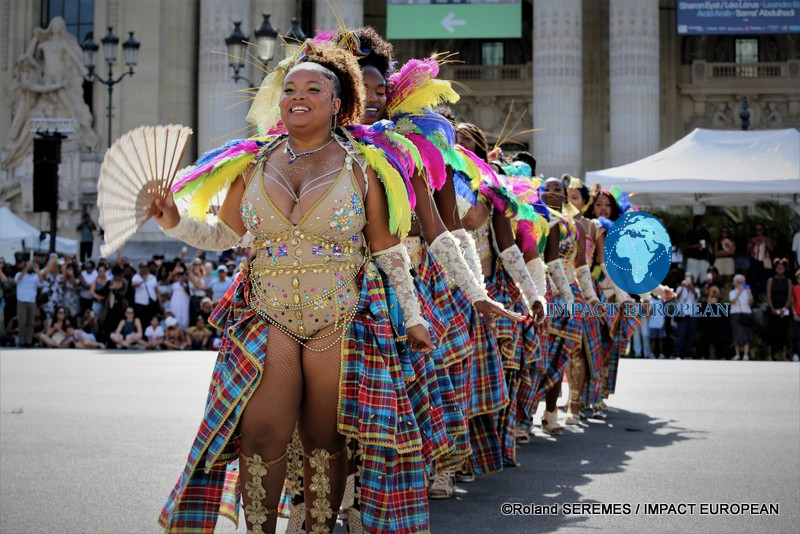
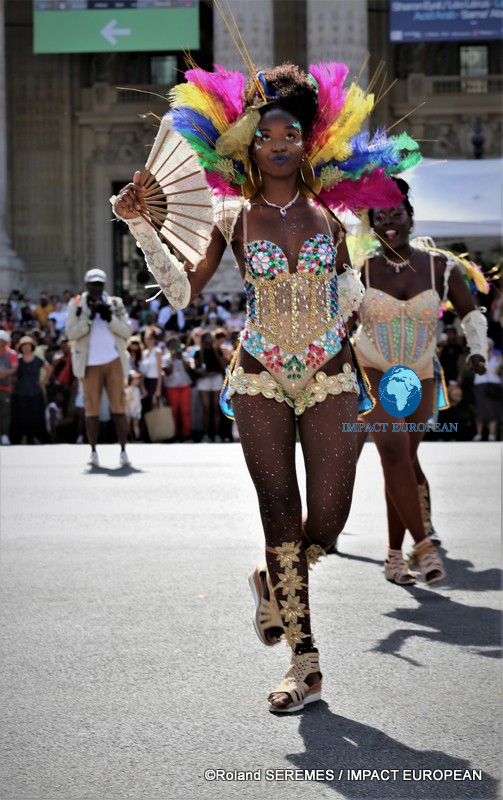
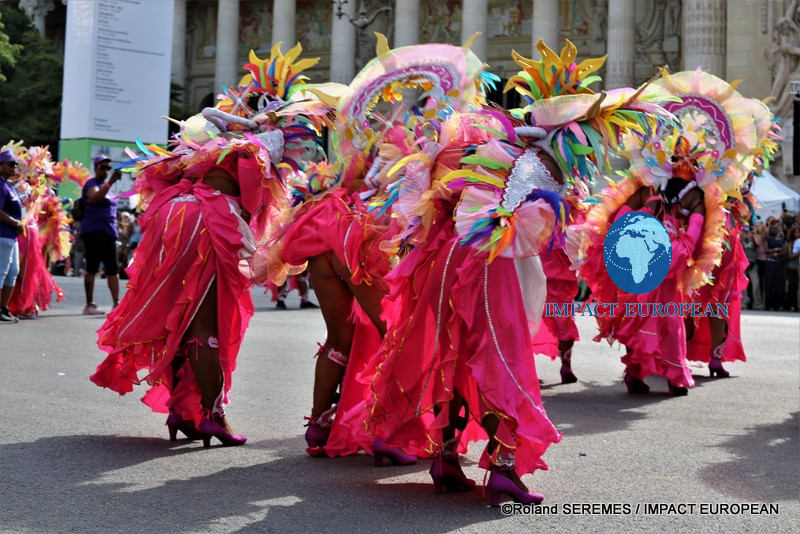
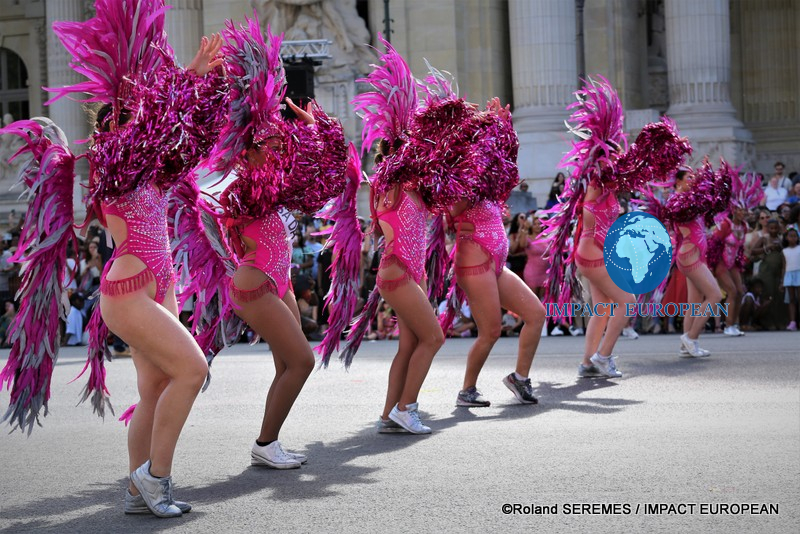
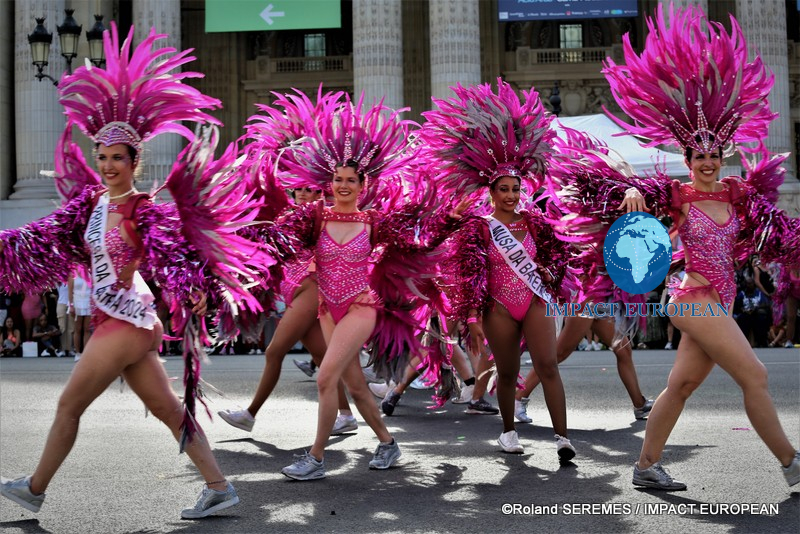
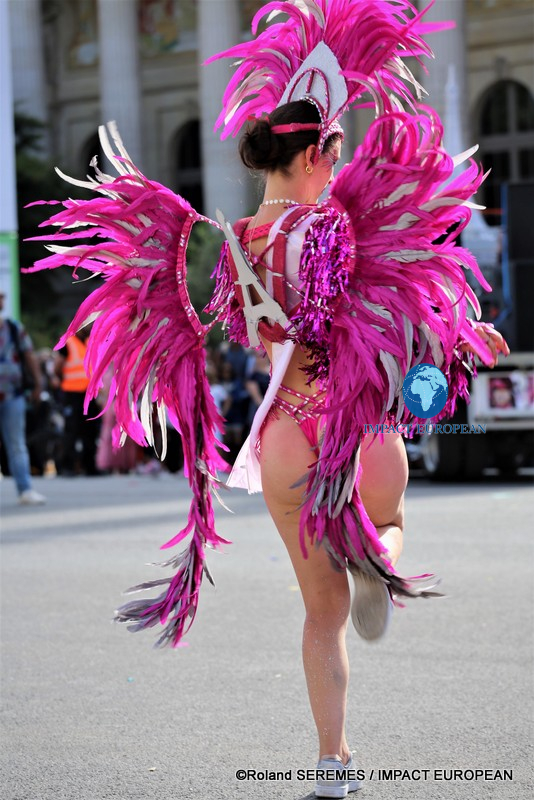
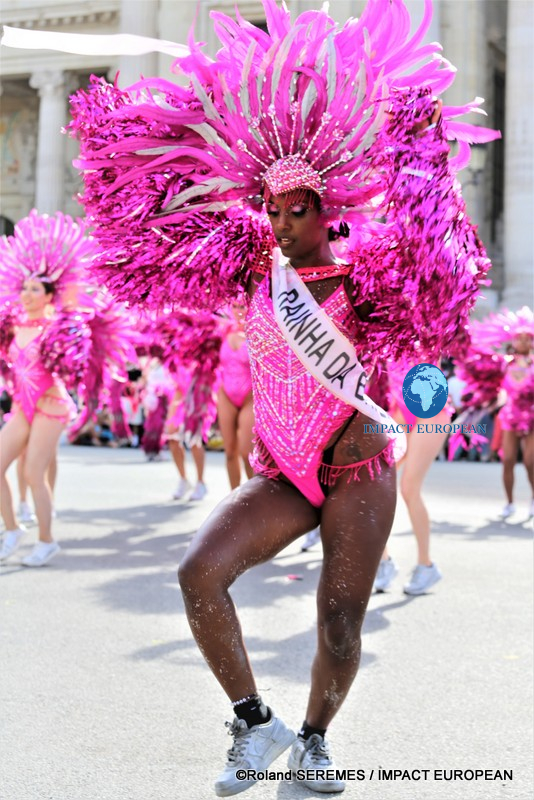
Every costume seen along the Champs-Élysées carries hundreds of hours of work.
Behind the shimmering fabrics stand seamstresses, designers, musicians, choreographers and entire families who have devoted evenings and weekends to preparing for a single afternoon.
For many associations, the Carnival is not simply an annual event.
It is the culmination of months of collective effort, where every generation contributes to keeping traditions alive.
Music That Crossed Oceans
The Paris Tropical Carnival is often described through its colours.
Its heartbeat, however, is music.
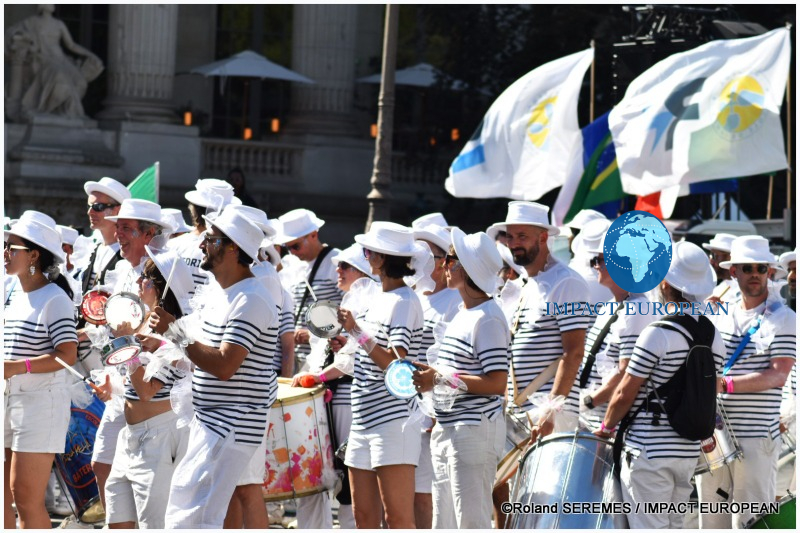
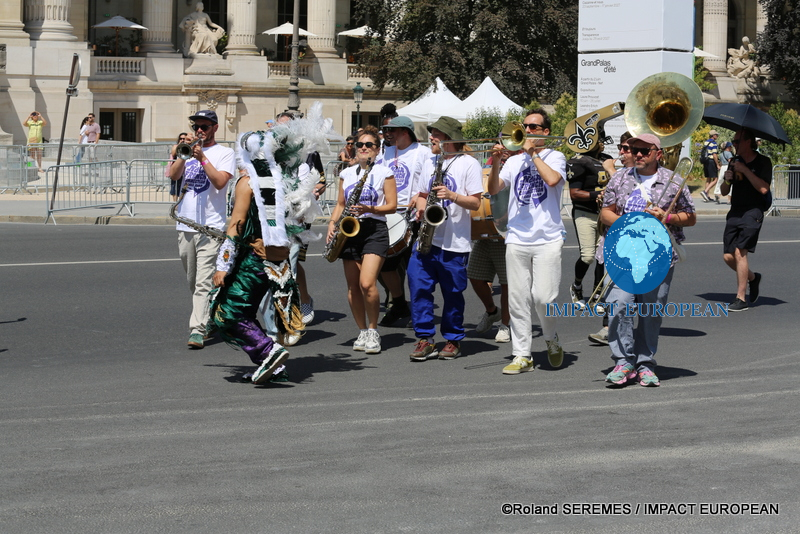
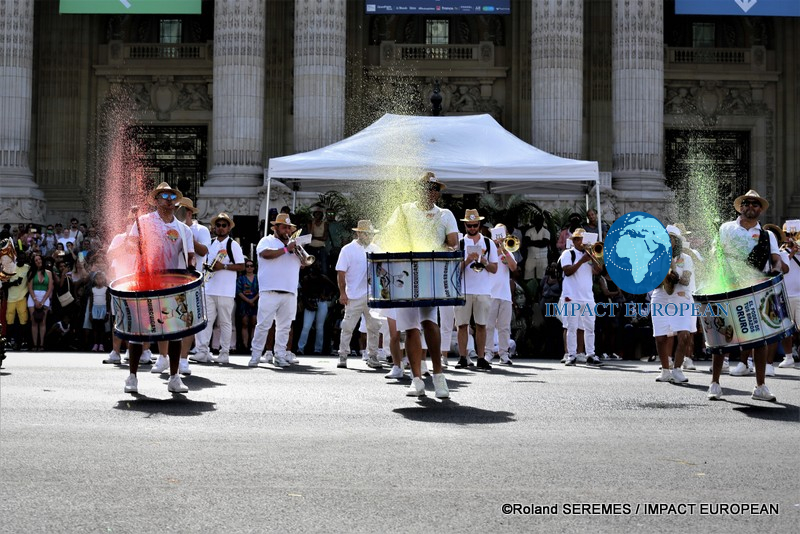
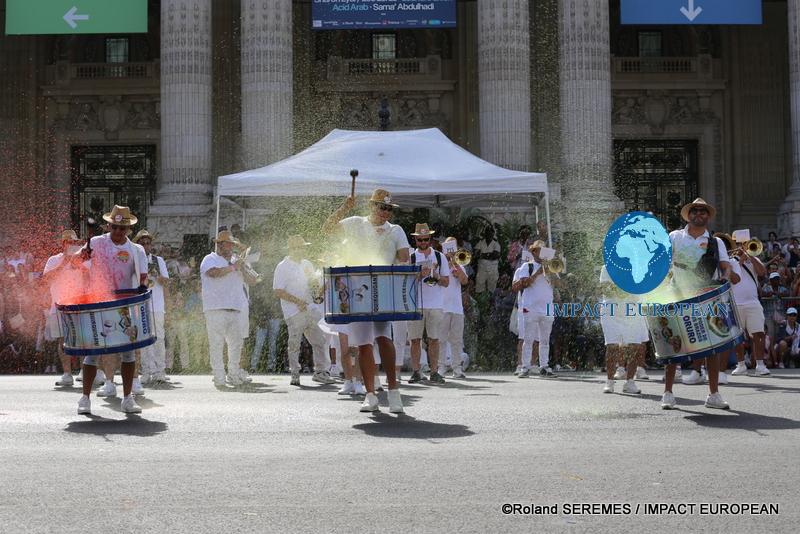
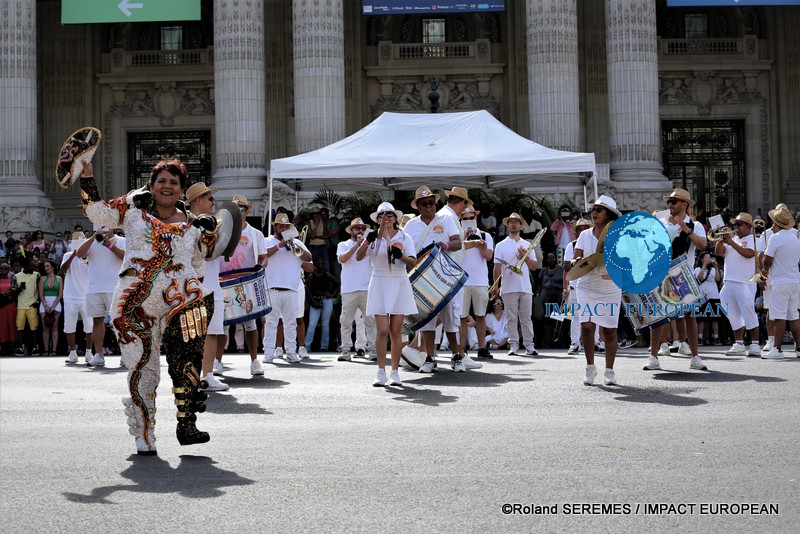
Long before visitors notice the elaborate costumes, they hear the drums.
Each rhythm tells a different story.
The powerful gwoka rhythms from Guadeloupe speak of resilience and cultural memory.
The elegant movements of Martinican bèlè preserve traditions passed from one generation to another.
The deep percussion of French Guiana echoes the cultural diversity of the Amazonian region.
Then come the unmistakable sounds of Brazilian samba, the vibrant energy of Haitian compas, and musical influences carried from across Latin America and the Caribbean.
None of these traditions attempts to dominate the others.
Each keeps its own voice.
Together, they create a conversation rather than a performance.
Walking through the Carnival feels less like attending a festival and more like travelling across continents without ever leaving Paris.
The French Overseas Territories: A Living Part of France
For many international visitors, the Carnival offers another discovery.
The French Overseas Territories are often associated with tropical destinations.
The parade reveals something far more important.
They are living communities whose cultures continue to shape modern France.
Guadeloupe.
Martinique.
French Guiana.
Réunion Island.
Each territory has developed its own traditions while remaining connected to the French Republic.
Their languages, music, dances and celebrations reflect centuries of encounters between Europe, Africa, the Caribbean, the Indian Ocean and South America.
The Carnival gives these communities visibility in the very heart of the French capital.
It reminds visitors that France is not limited to continental Europe.
Its cultural geography stretches far beyond the Mediterranean and the Atlantic.
Latin America Finds a Home in Paris
The same is true for the delegations arriving from Latin America.
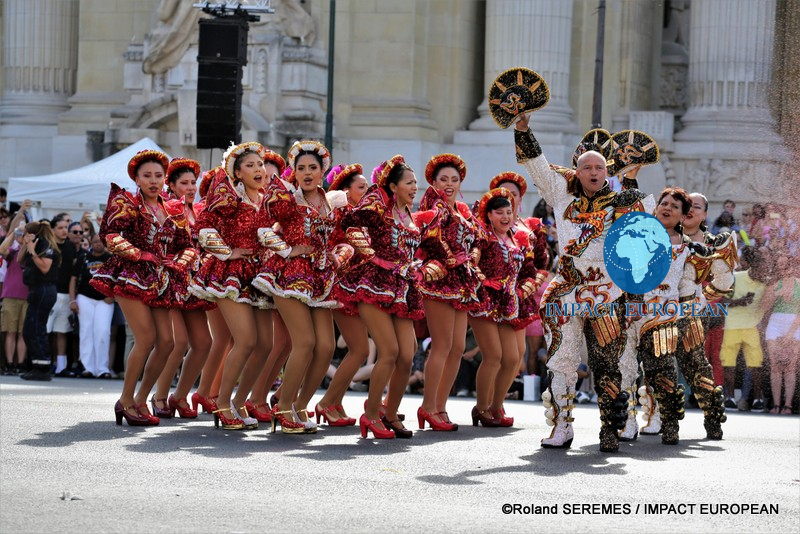
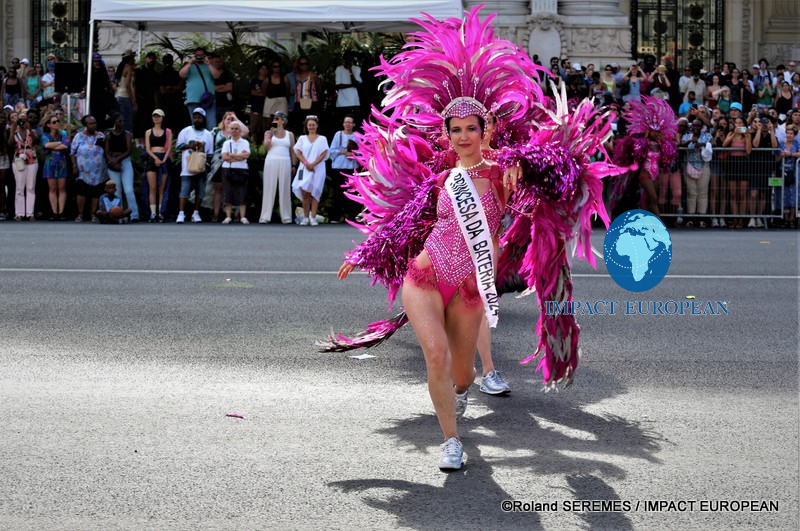
Brazilian performers bring the unmistakable joy of samba.
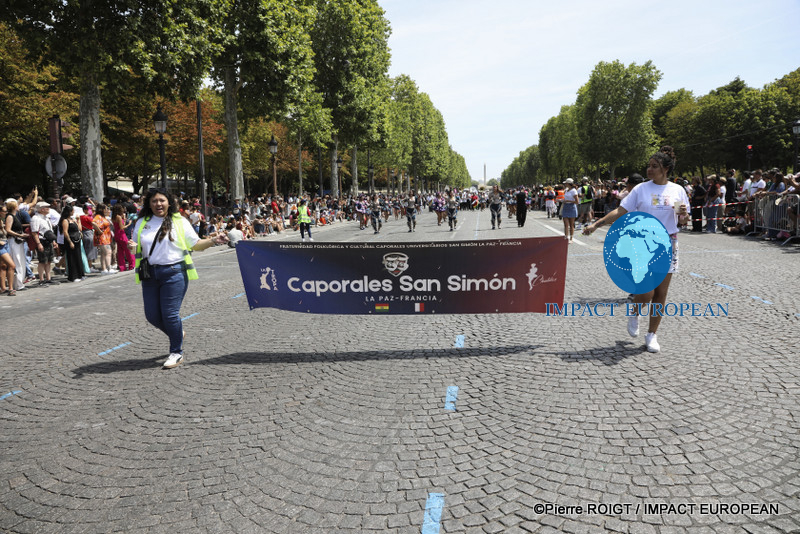
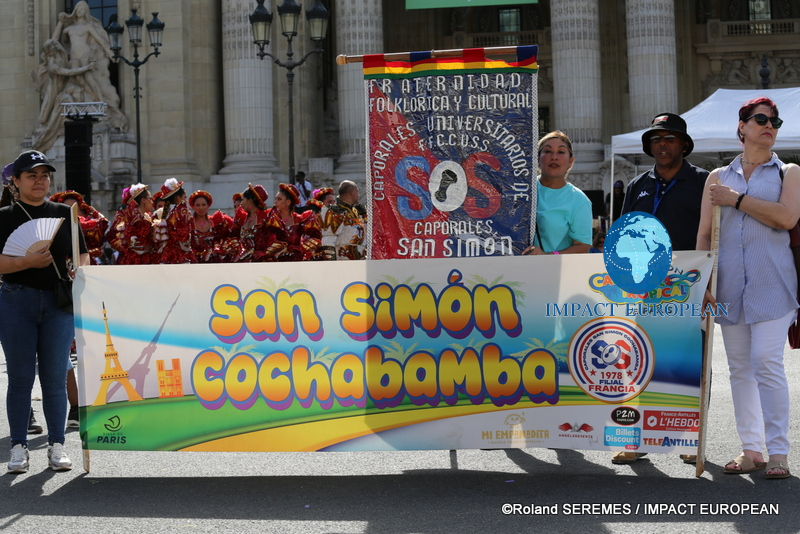
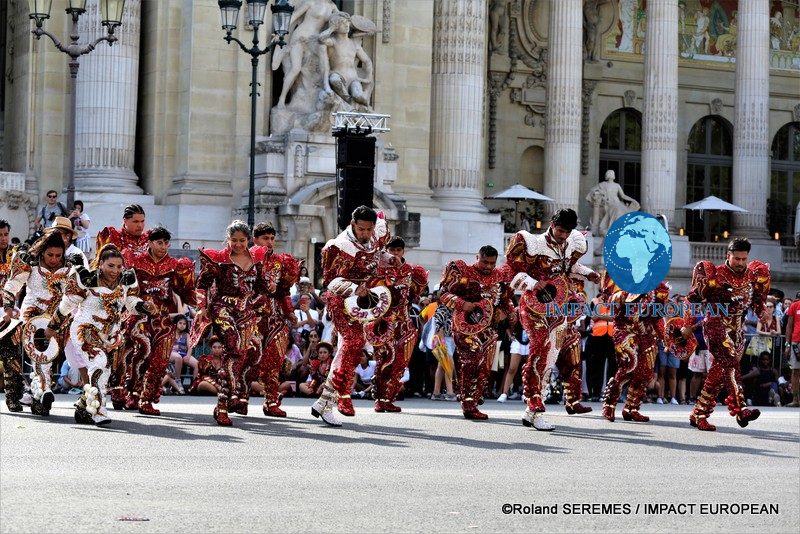
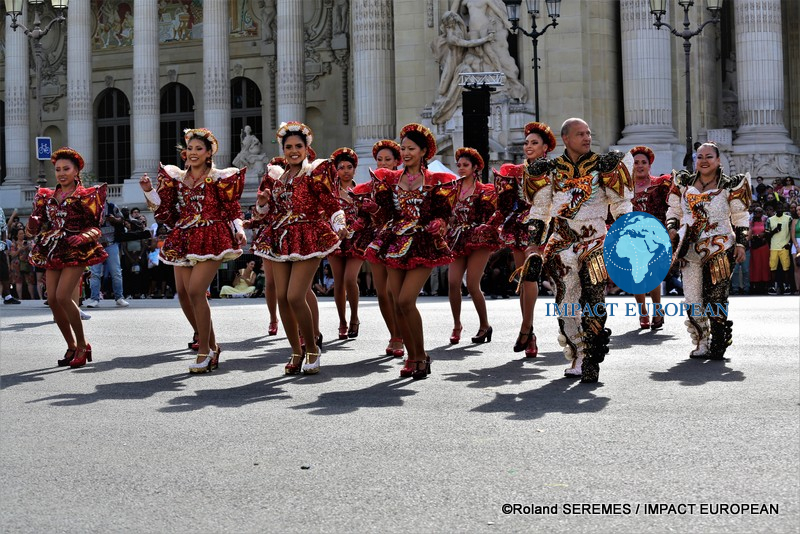
Groups from Bolivia, Peru and Colombia contribute traditions shaped by the Andes, the Amazon and centuries of cultural exchange.
Haitian artists remind audiences that the Caribbean has its own extraordinary musical and artistic heritage.
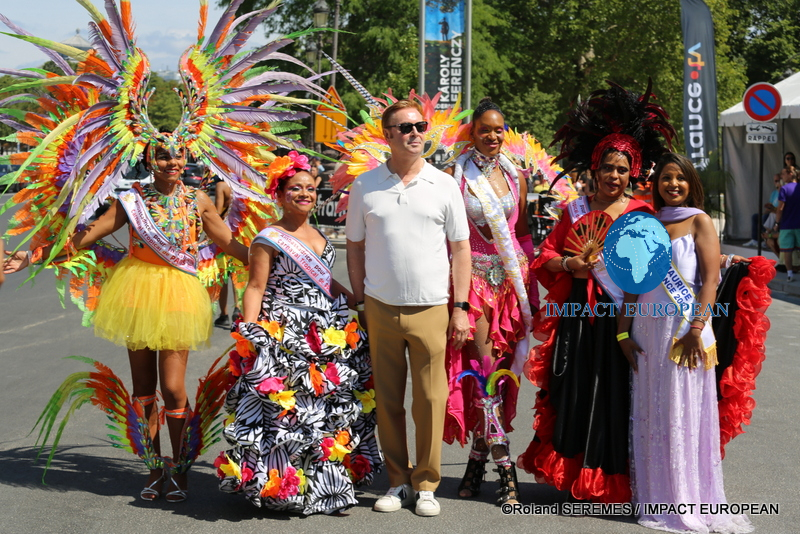
Each delegation arrives as an ambassador of its country.
Yet once the parade begins, national borders become less important than the shared language of music and movement.
Paris does not ask these cultures to adapt.
Instead, it offers one of Europe’s most recognisable stages on which they can present themselves exactly as they are.
That simple gesture explains why so many groups return year after year.
Passing Traditions to the Next Generation
Perhaps the Carnival’s greatest success cannot be measured by the number of spectators.
It can be seen in the youngest performers.
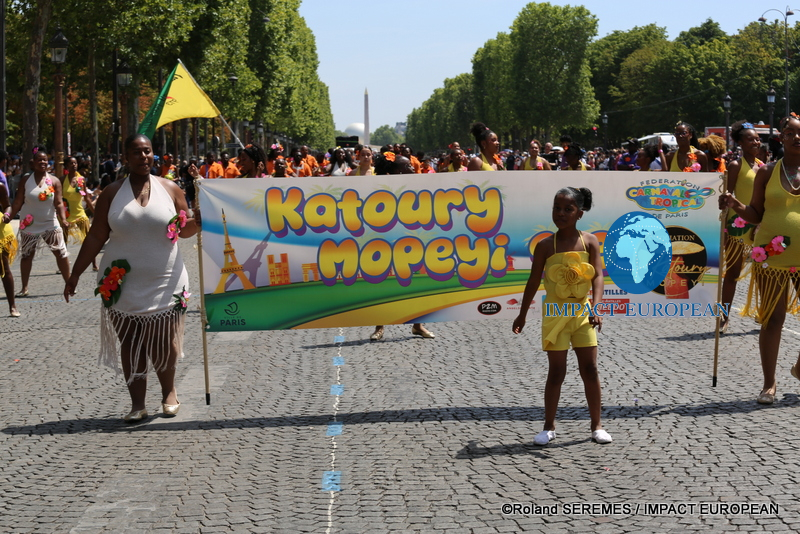
Children walk beside experienced dancers.
Teenagers learn rhythms once taught to their parents.
Grandparents proudly watch traditions continue through new generations.
This quiet transmission is what gives the Carnival its true meaning.
Traditions survive because they are practised.
Because they are shared.
Because they continue to evolve without losing sight of their origins.
In that sense, the Paris Tropical Carnival is not only preserving cultural heritage.
It is creating its future.
When Paris Becomes the World’s Stage
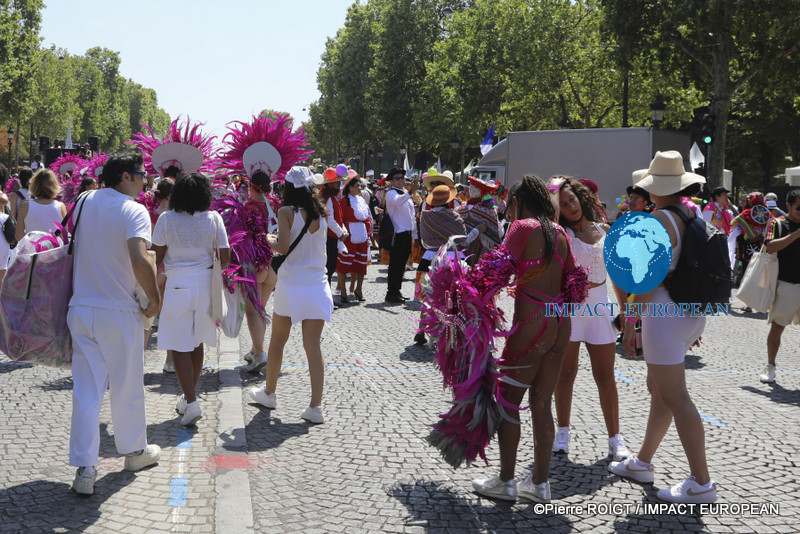
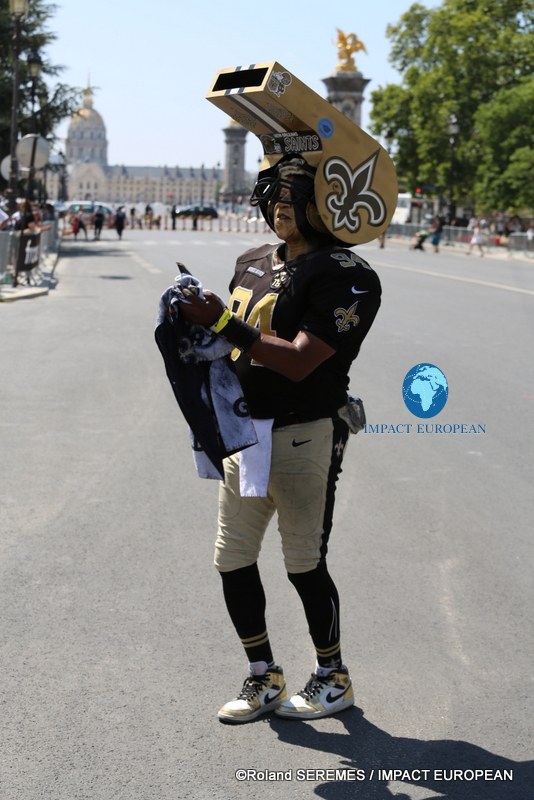
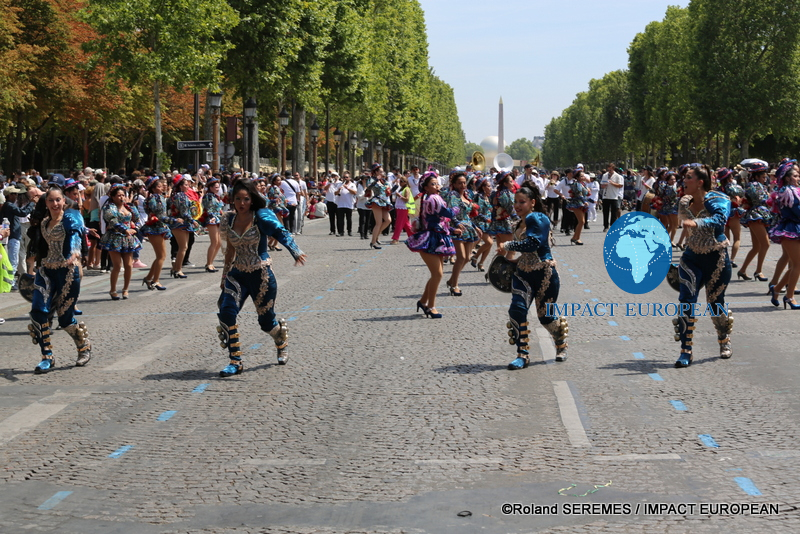
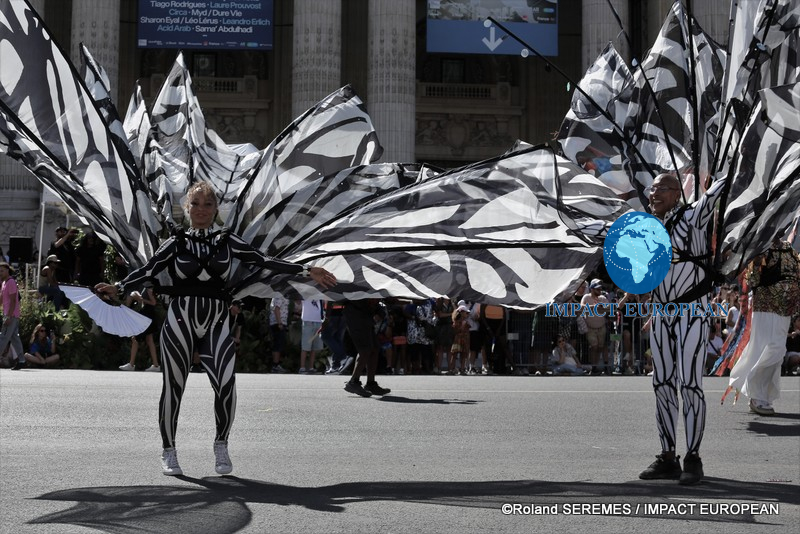
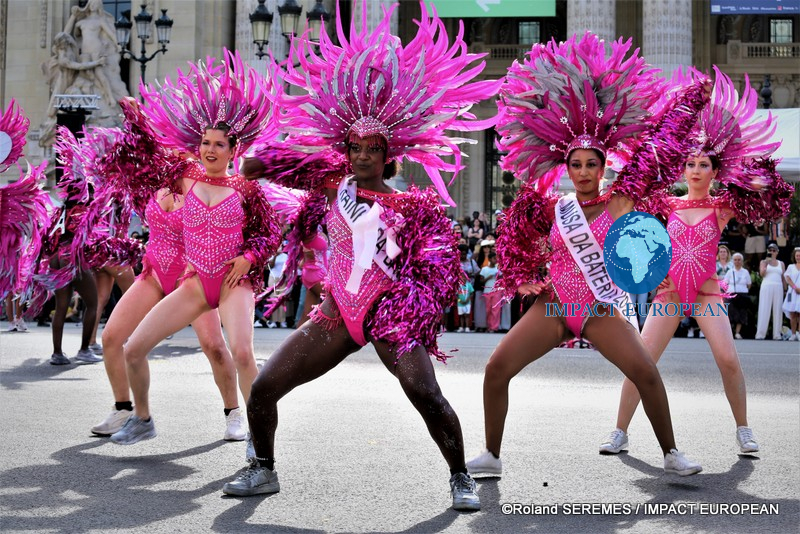
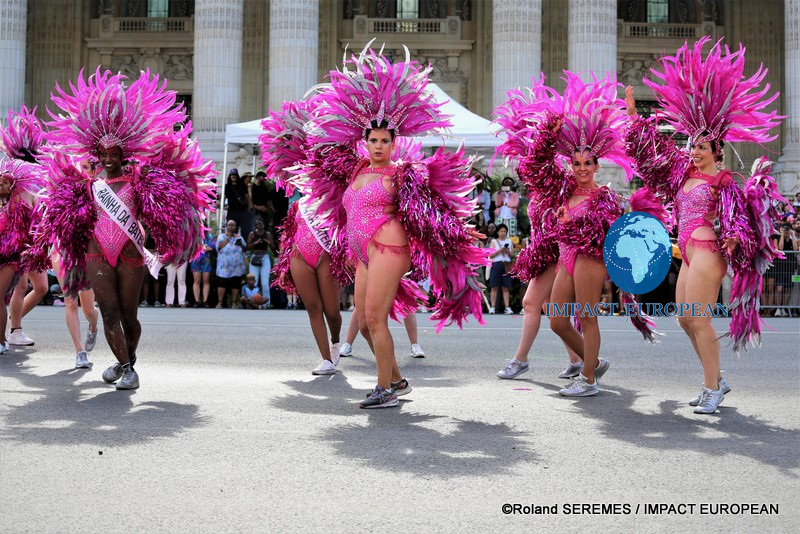
As the parade slowly moves along the Champs-Élysées, the atmosphere changes with every passing delegation.
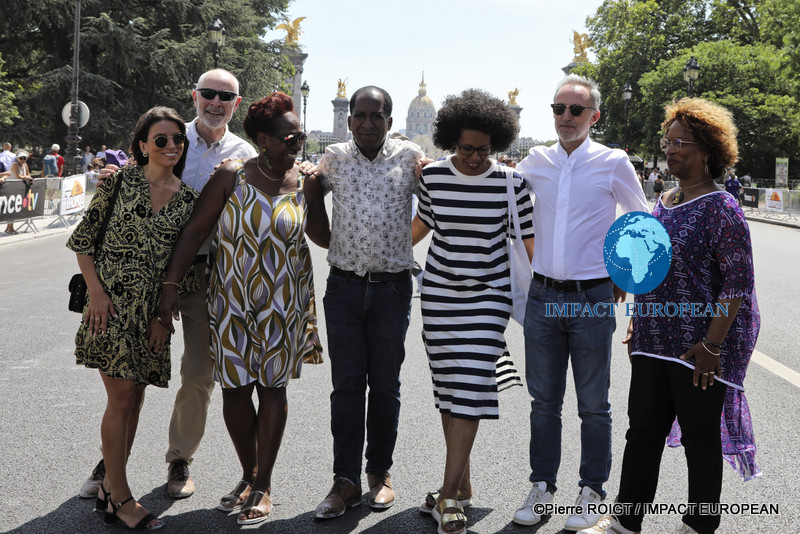
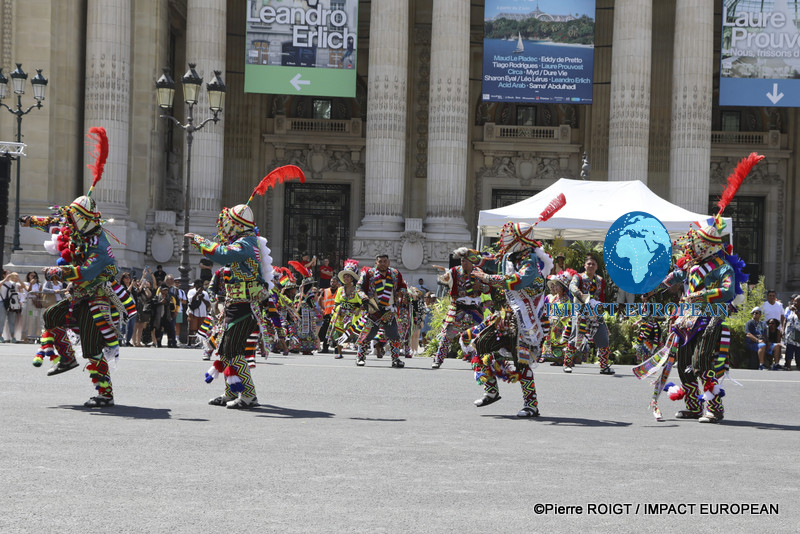
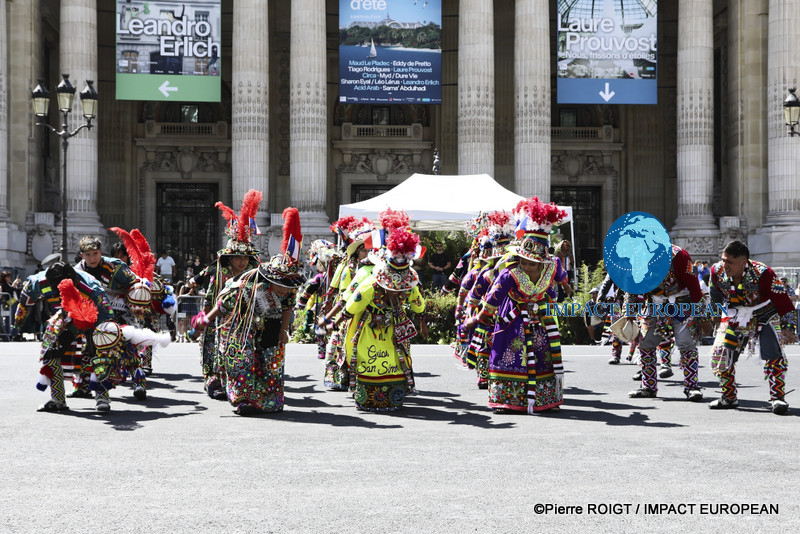
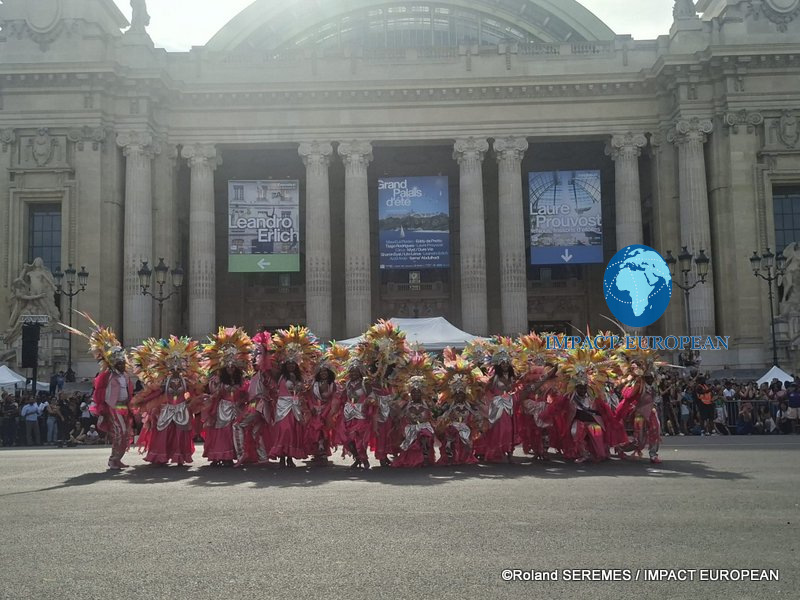
Each performance brings its own colours, rhythms and traditions, yet together they form a single story. From Place de la Concorde to Avenue Winston Churchill, where the performances are presented before the official jury between the Grand Palais and Petit Palais, the Carnival transforms one of Europe’s most iconic avenues into a living stage where every culture has its place.
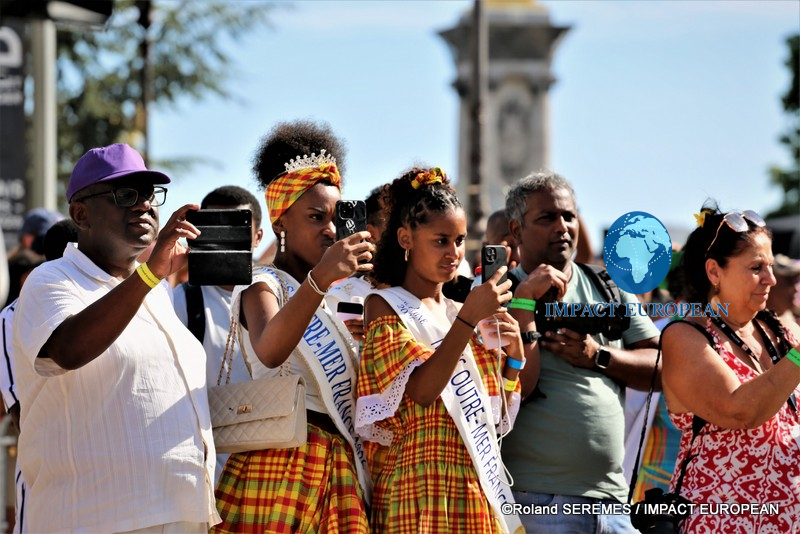
For spectators, the experience is unlike any other.
One moment, they are immersed in the powerful drumbeats of the French Caribbean.
The next, they are carried away by the energy of Brazilian samba, followed by the vibrant sounds of Haiti or the traditions of South America.
Without leaving Paris, they travel across oceans.
Few cultural events offer such a journey in only a few hours.
More Than Entertainment
For many visitors, the Paris Tropical Carnival is remembered for its spectacular costumes and infectious music.
For those taking part, however, it represents something much deeper.
Every performance is an act of transmission.
Every dance preserves a memory.
Every rhythm carries generations of history.
Many of these traditions were born from communities that transformed hardship into celebration, music into identity and dance into a language understood far beyond words.
That is why the Carnival cannot simply be described as entertainment.
It is a living archive of cultures that continue to evolve while remaining faithful to their origins.
Unlike traditions preserved behind museum glass, these cultures remain alive because they are danced, sung and shared.
Europe Through the Eyes of the World
Perhaps the Paris Tropical Carnival also tells another story.
Not about the countries represented in the parade.
But about Europe itself.
For one afternoon, the French capital demonstrates that diversity is not an abstract concept.
It becomes visible.
Audible.
Alive.
The Carnival reminds visitors that Europe is not only shaped by its monuments, institutions or borders.
It is also shaped by the communities who have brought their traditions with them and continue to enrich the cultural landscape of the continent.
Paris simply offers the meeting place.
The performers bring the stories.
Together, they create something that belongs to everyone.
A Celebration That Looks to the Future
Since its creation in 2001, interrupted only once in 2020 by the global pandemic, the Paris Tropical Carnival has continued to grow without losing its original purpose.
Its success is measured not only by the thousands of performers or the hundreds of thousands of spectators lining the Champs-Élysées.
Its true achievement lies elsewhere.
Children who dance today will one day teach those same traditions to another generation.
New communities continue to join the parade while respecting those who came before them.
The Carnival evolves.
Its spirit remains unchanged.
In a rapidly changing world, that continuity may be its greatest strength.
When the Last Drum Falls Silent
Eventually, the music fades.
The final costumes disappear from the avenue.
The floats return to their starting points.
Paris slowly resumes its familiar rhythm.
Yet something remains long after the crowds begin to leave.
For the performers, the journey was never simply about dancing in one of Europe’s most famous streets.
It was about bringing a piece of home to the heart of France.
For the audience, it was an invitation to discover cultures that many had never encountered before.
The Paris Tropical Carnival does not ask traditions to become alike.
It celebrates them exactly as they are.
Perhaps that is why this event has become far more than an annual parade.
It has become one of Europe’s strongest expressions of living cultural heritage, reminding us that cultures do not survive because they are preserved.
They survive because people continue to live them.
To dance them.
To sing them.
And to proudly share them with the world.
For one remarkable afternoon, Paris does not simply welcome the world.
It becomes part of its story.
Copyright © 2026 IMPACT EUROPEAN


































































































Views: 0
More Stories
TIOMAN: The island that taught me to look beyond the sea
When the Sun Rises with the Sound of Engines: Inside Malaysia’s Mersing Culture Festival
France and Portugal Deepen Strategic Alliance as Europe Faces Growing Global Challenges